Tripsfera Newsroom
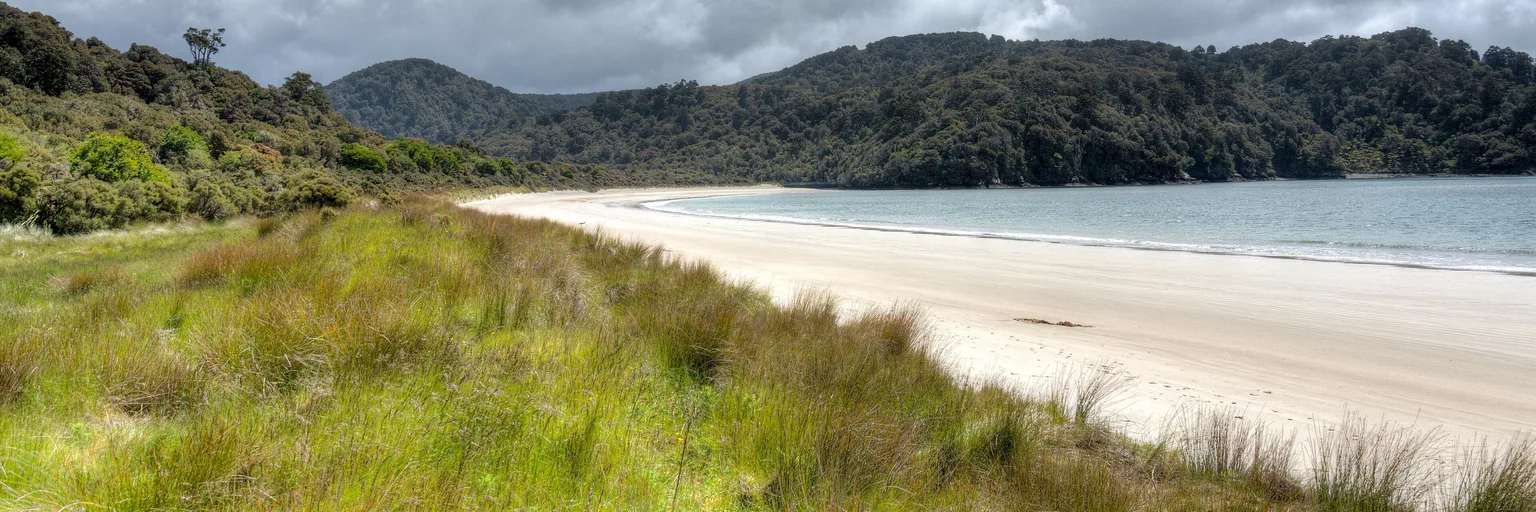
Stewart Island's 2027 badge is nice. Go for the quiet instead
Condé Nast Traveller's 2027 nod could reward slow, small-scale travel in southern New Zealand, but only if the island stays small and the crowds don't arrive.
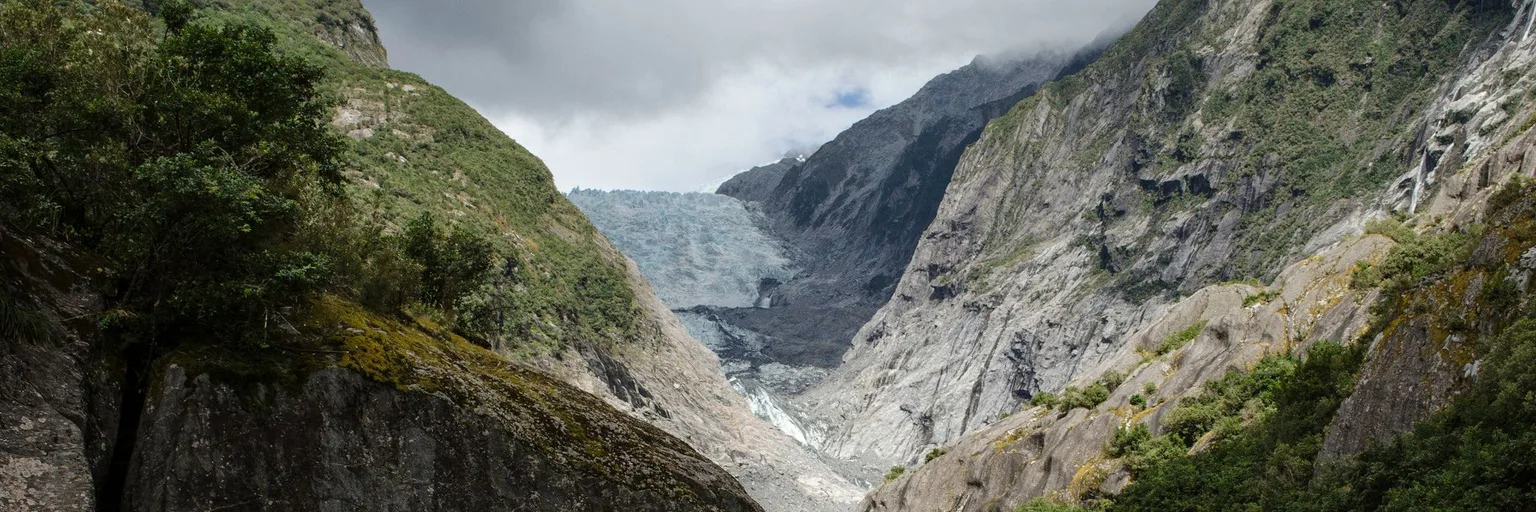
A glacier village that more than a million visitors a year pass through sits beside a rising, gravel-choked river. The kind thing to do for the town, and for travelers, is to talk about retreat.
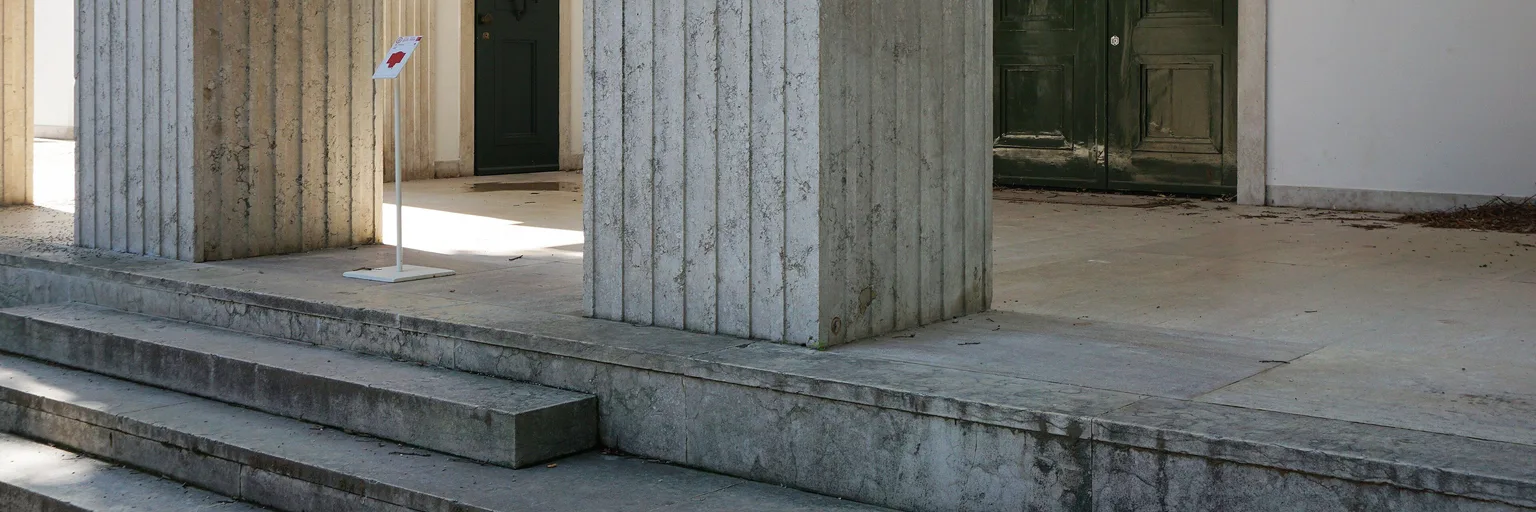
The 2026 Art Biennale closed with 714,015 visitors despite controversy. That's a win for culture, and a reason to use it to ease pressure on Venice.
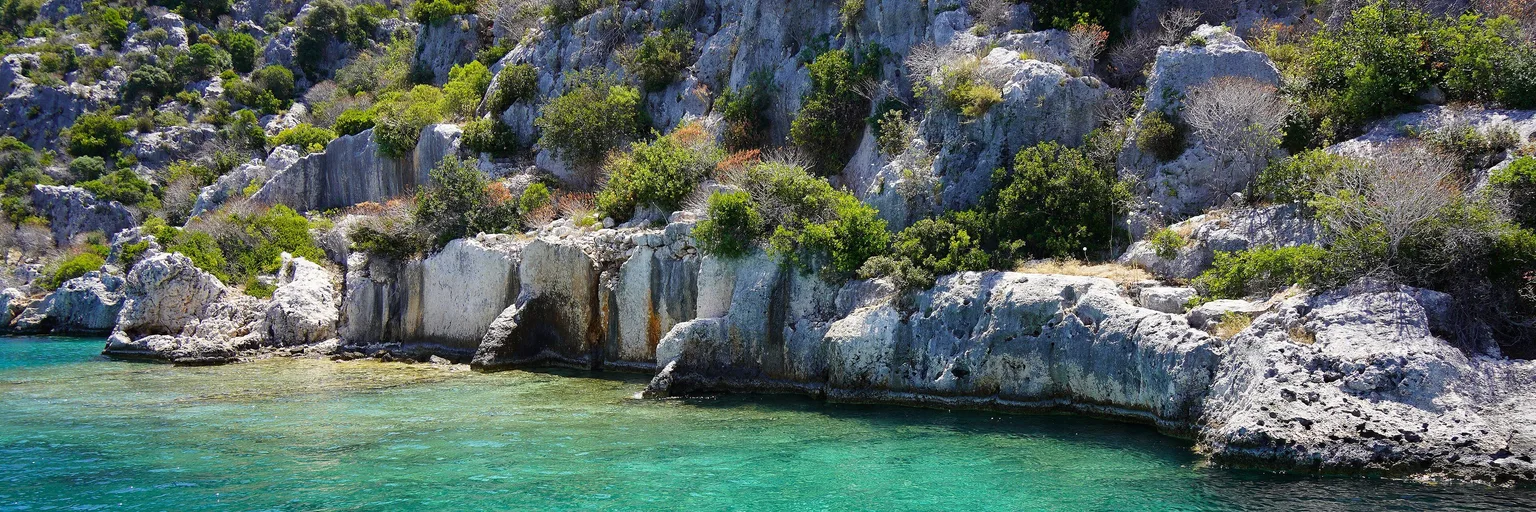
Kayaking above the drowned ruins of Simena and Kekova is one of the best ways to meet ancient history, but only if guides and no-touch rules protect it.
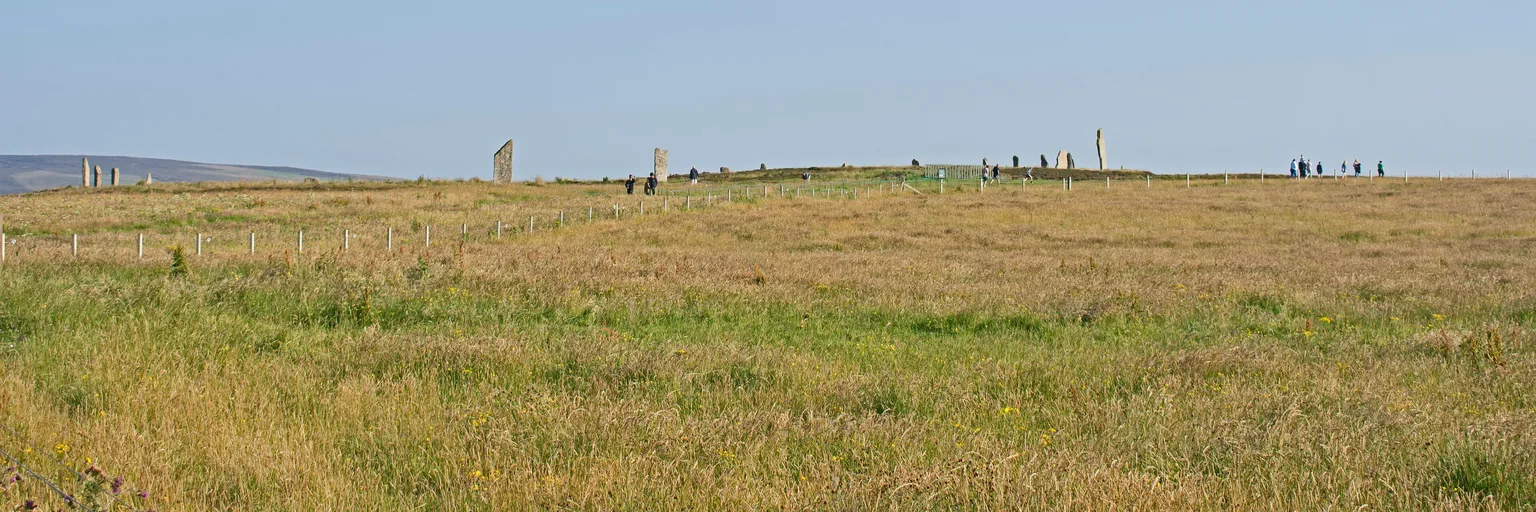
Lonely Planet's pick of Orkney for 2027 could reward slow, off-season travel, but the real test is how the islands handle the attention it brings.
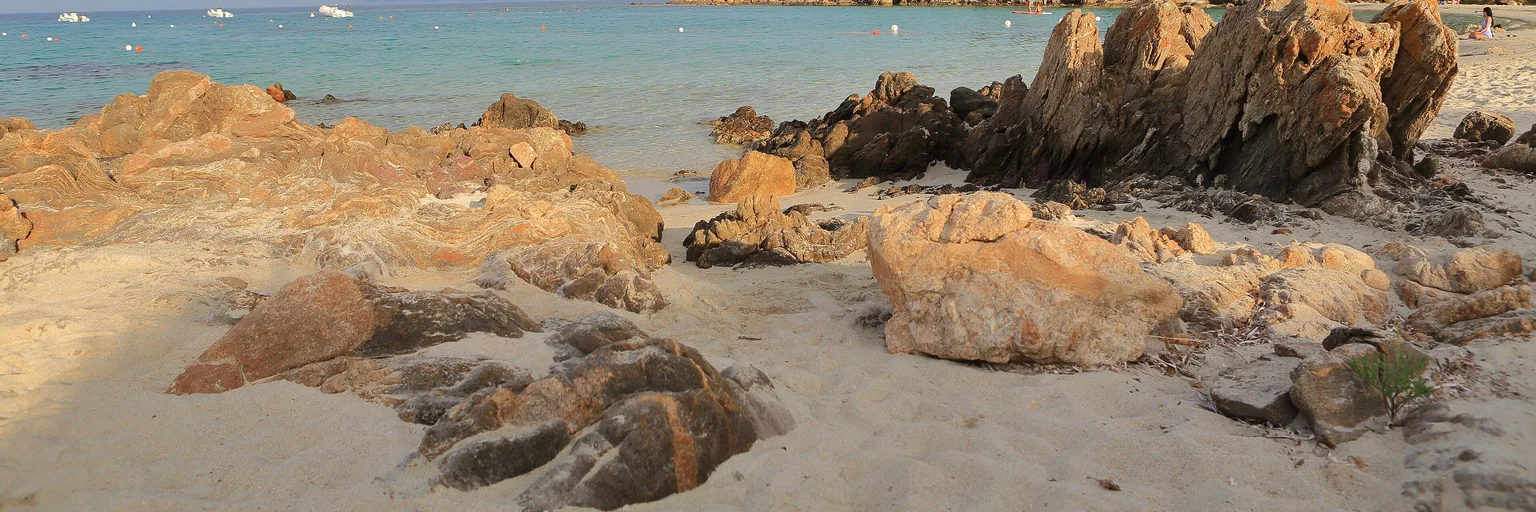
A 74-year-old tourist was stopped at Porto Torres with 10 kg of labeled sand. The fines and port checks are right: beaches are heritage, not gift shops.
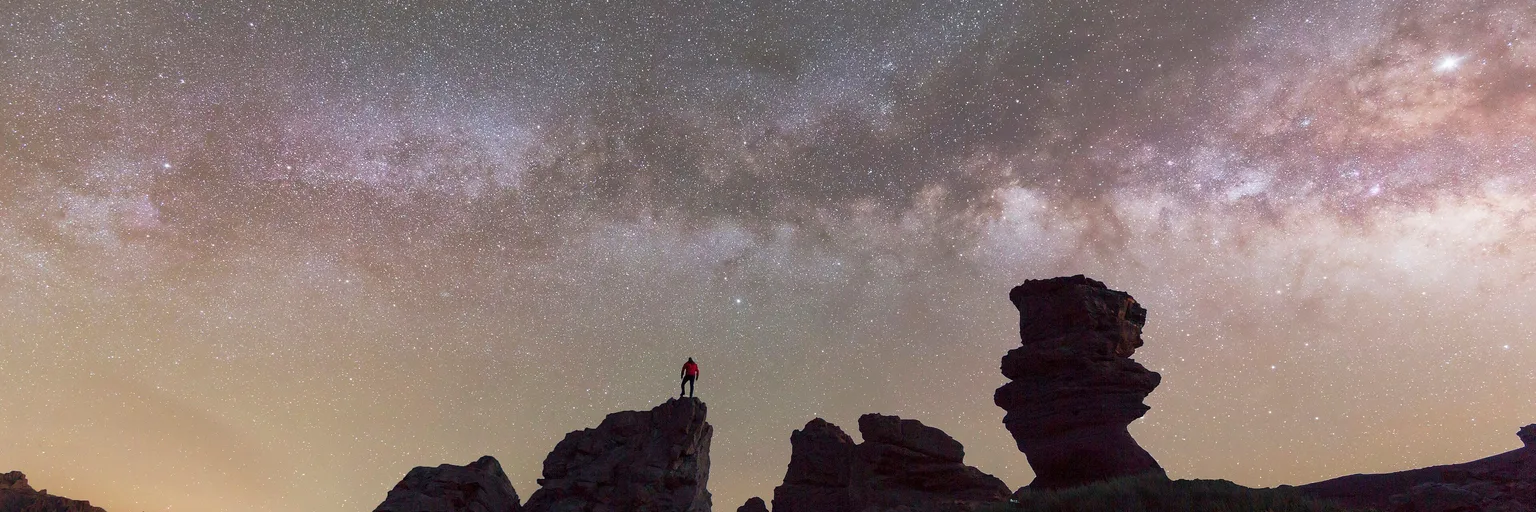
Albacete's Starlight certification across all its comarcas is a smart bet on dark skies, but it only pays off if lighting rules and visitor infrastructure follow.
Going from two to four euros a night is defensible on a tiny island, but only if visitors can point to cleaner beaches and better services by next summer.
Every destination says it wants better visitors, not just more. Thailand's long-delayed entry fee shows what that costs, and why travelers should accept the bill.
The EU's new sustainable tourism strategy promises to spread visitors across places and seasons. Without real reasons to travel off-peak, it risks being another well-meaning paper.
A fresh World Heritage batch tempts us to chase every new badge. We think the smarter trip goes to sites that already know how to host visitors, and waits on the rest.
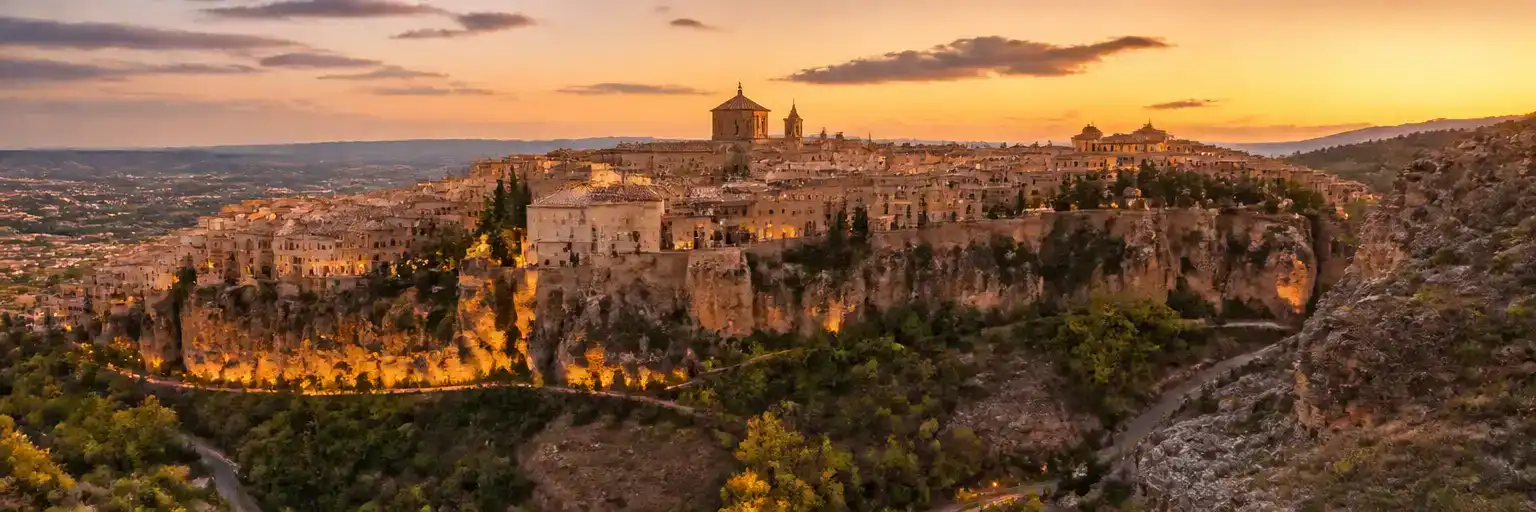
Cuenca's UNESCO anniversary is a nudge to swap the rushed day trip from Madrid for a slower overnight stay, and to treat the old town as a place, not a backdrop.
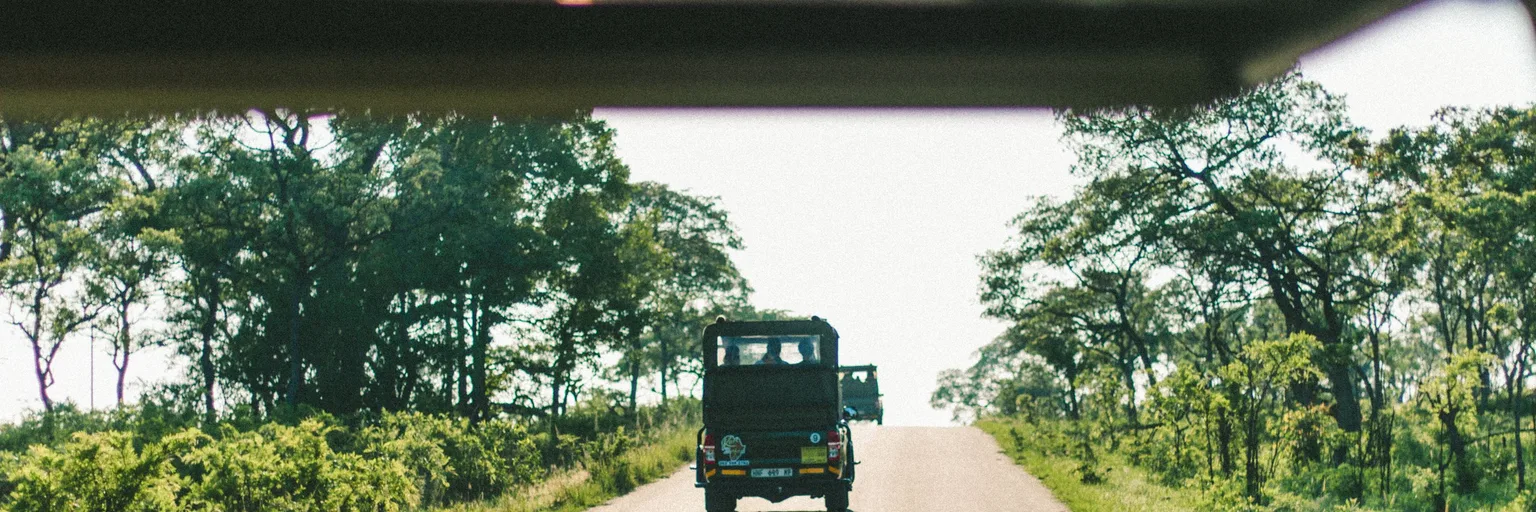
A century of conservation is a great reason to go on safari, but the centenary will only be worth celebrating if Kruger uses the buzz to protect the bush, not just to sell packages.
Raw arrivals flatter big destinations, but the ratio of visitors to neighbors shows where a city really strains. Spain's extremes are a warning, and travelers can respond.
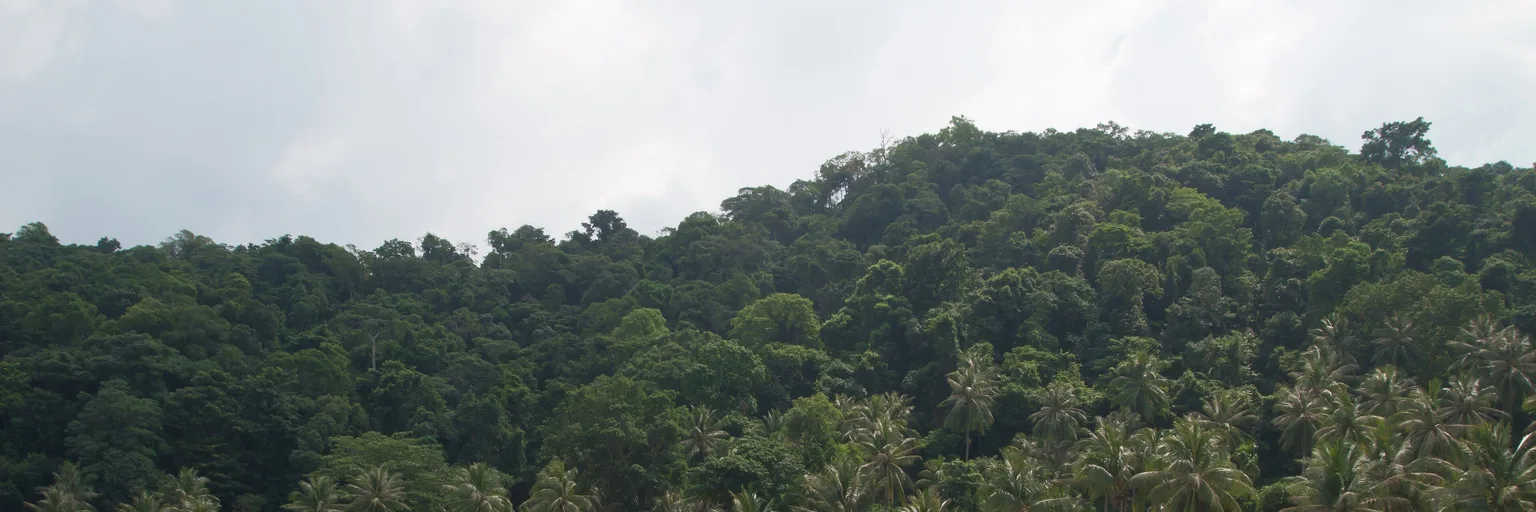
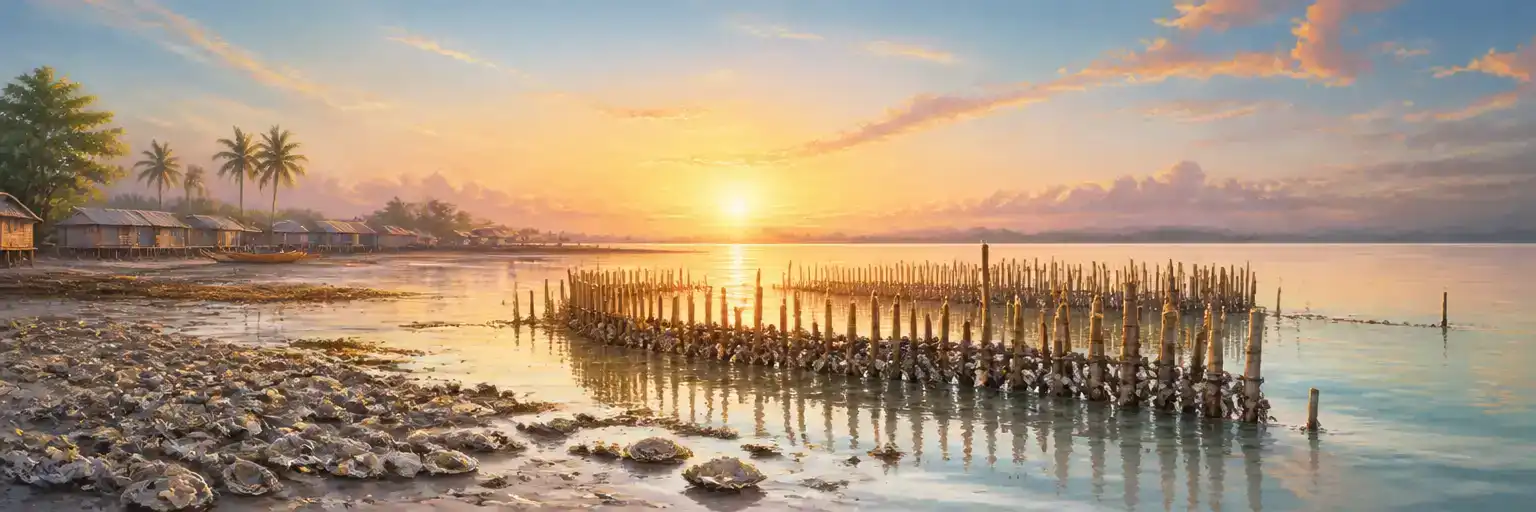
A Philippine island is fighting floods with bamboo and oyster shells, not cement. Travelers who care about coasts should learn to tell real adaptation from decoration.
The Caribbean island on National Geographic's 2027 list is an invitation to look past the resort strip, but only if travelers and operators choose local, low-impact stays over the rush.
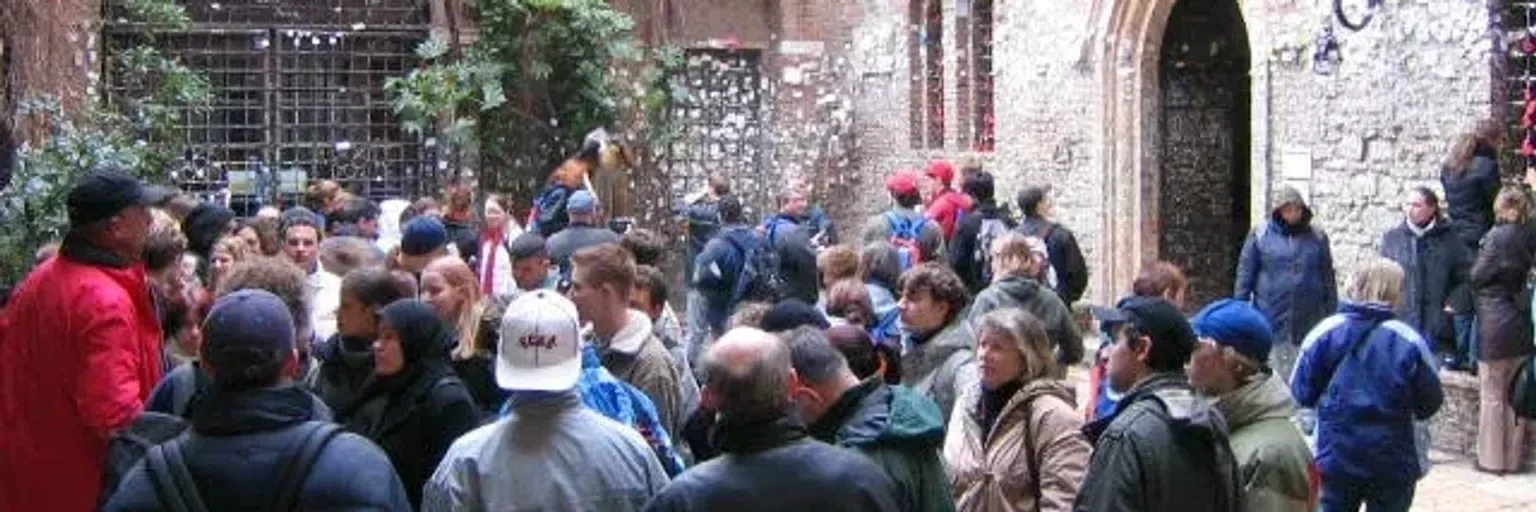
Verona's online booking system logged nearly 600,000 entries in six months and, the city says, ended the crush. It's a model for icons everywhere, but the balcony shouldn't be your whole trip.
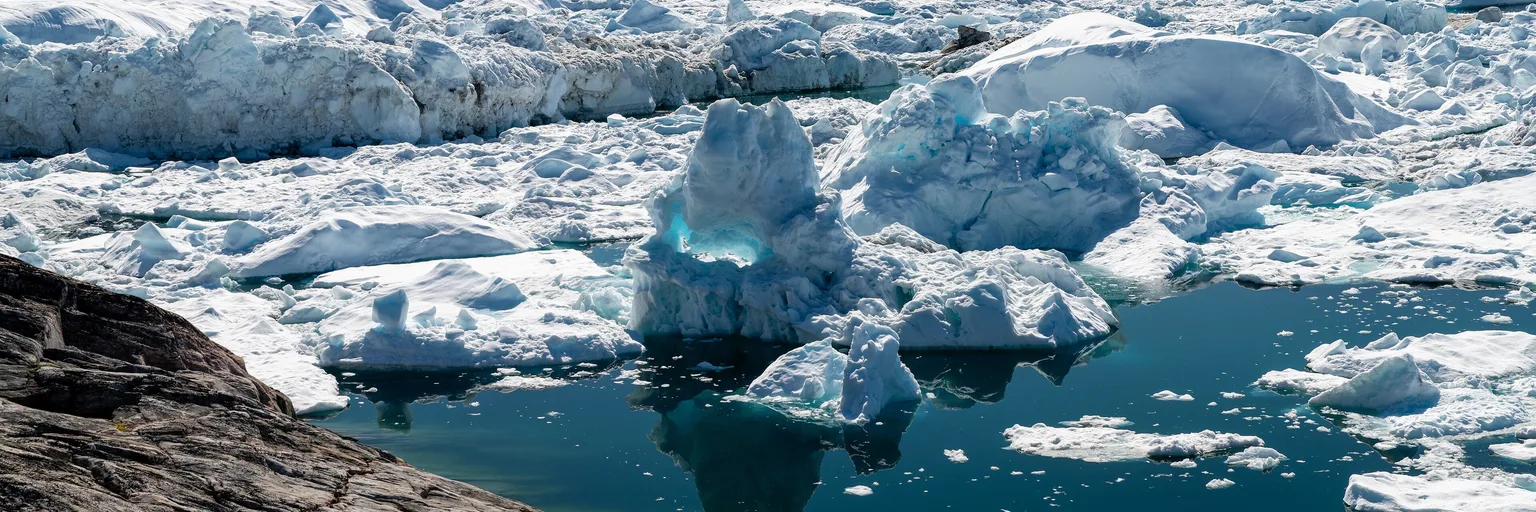
A jet-capable runway makes Greenland's most famous icefjord far easier to reach. Access, not scenery, is the story, and Ilulissat should set limits before demand arrives.
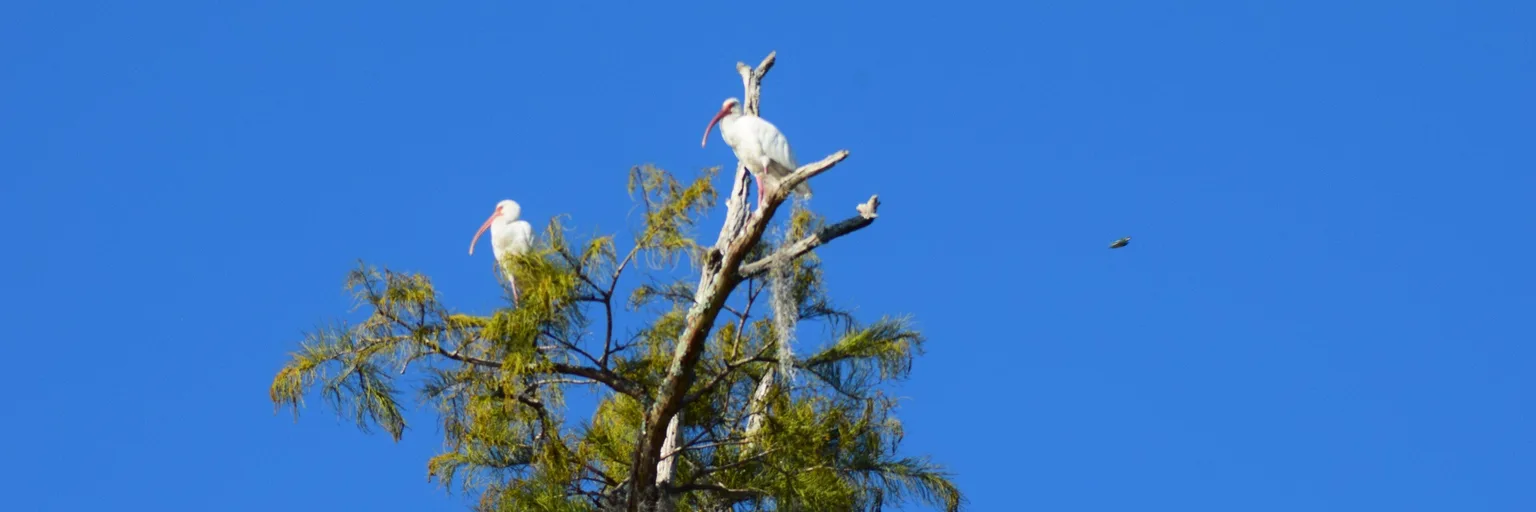
World Heritage status is drawing more visitors to Georgia's black-water swamp. The smart move is to decide how many it can take before the crowds arrive.
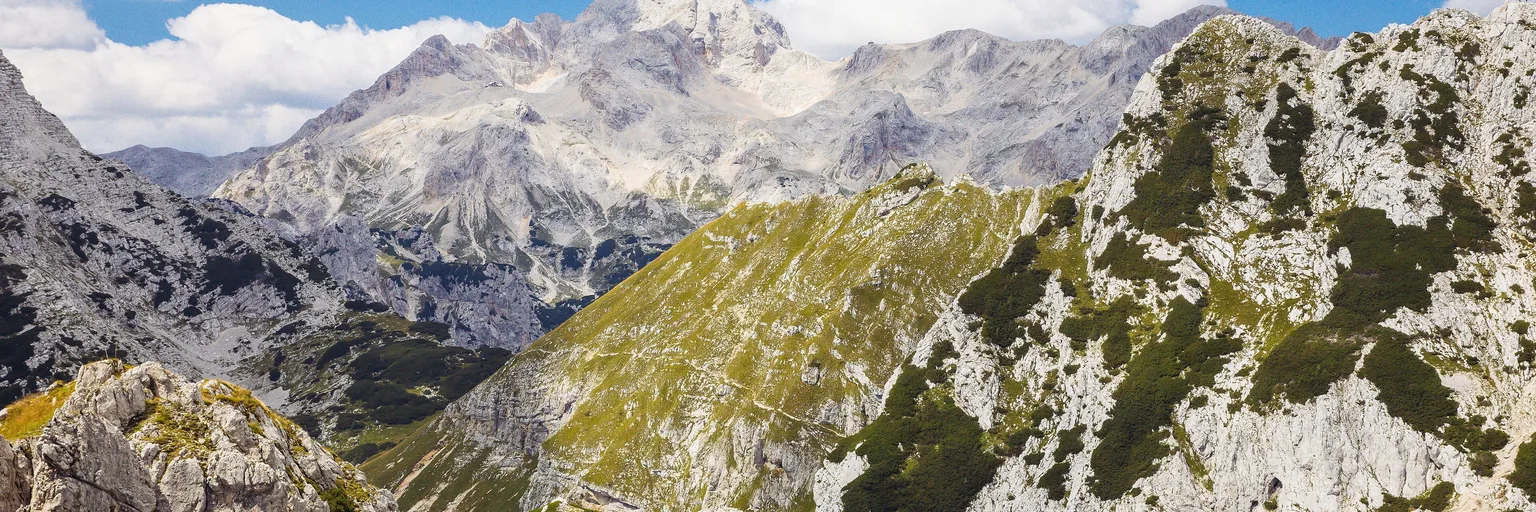
The glacier on Slovenia's highest peak has vanished, and the lesson for Alpine travelers is not to rush for the next disappearing sight but to rethink what a mountain trip is for.
A paywall for a beloved mountain lake feels wrong until you picture the crowds. The fee is defensible only if it buys real management and fair access.
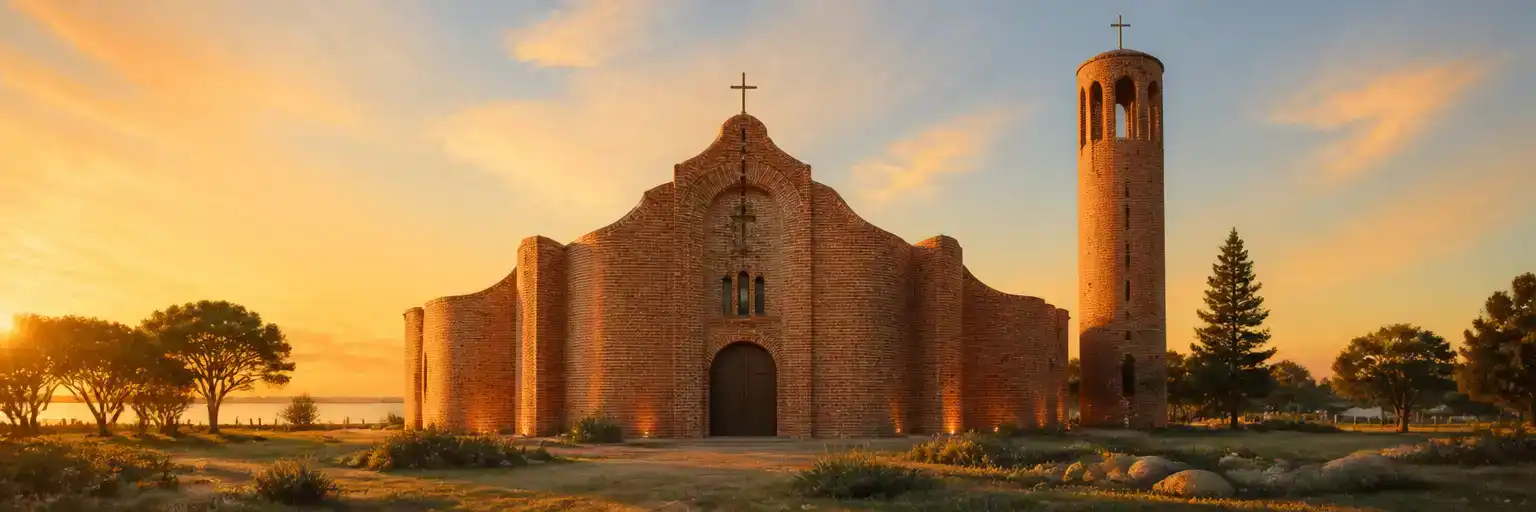
Eladio Dieste's Atlántida Church shows modern heritage can anchor a trip. Uruguay's challenge is to keep a fragile, quiet place from being loved to death.
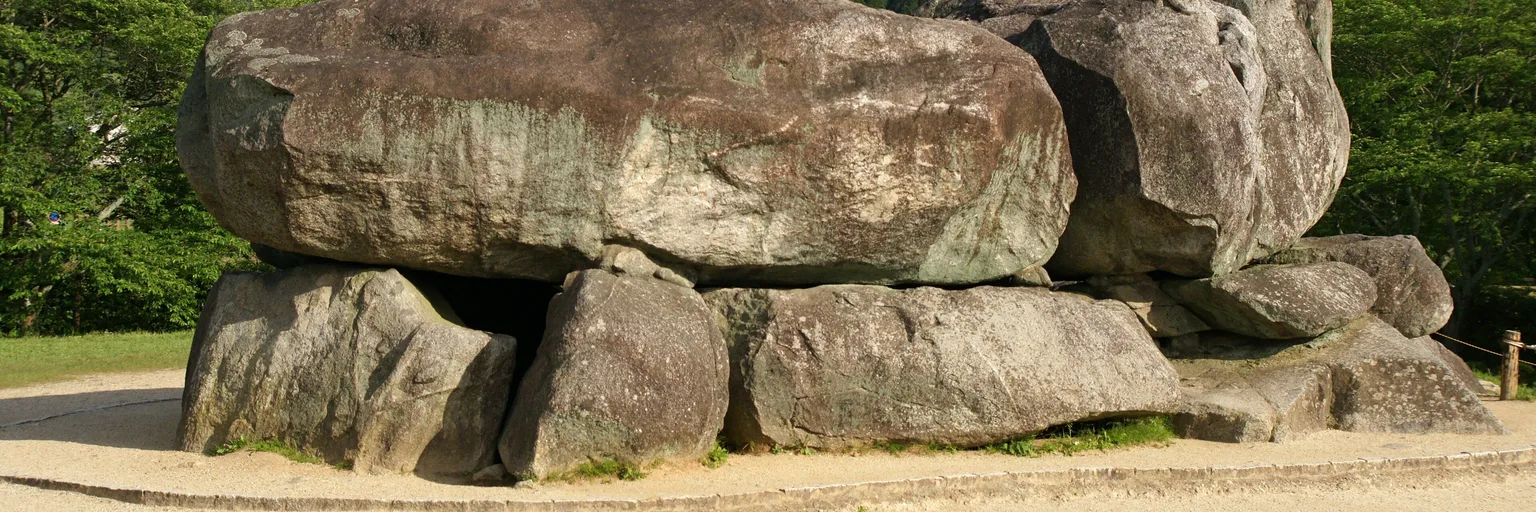
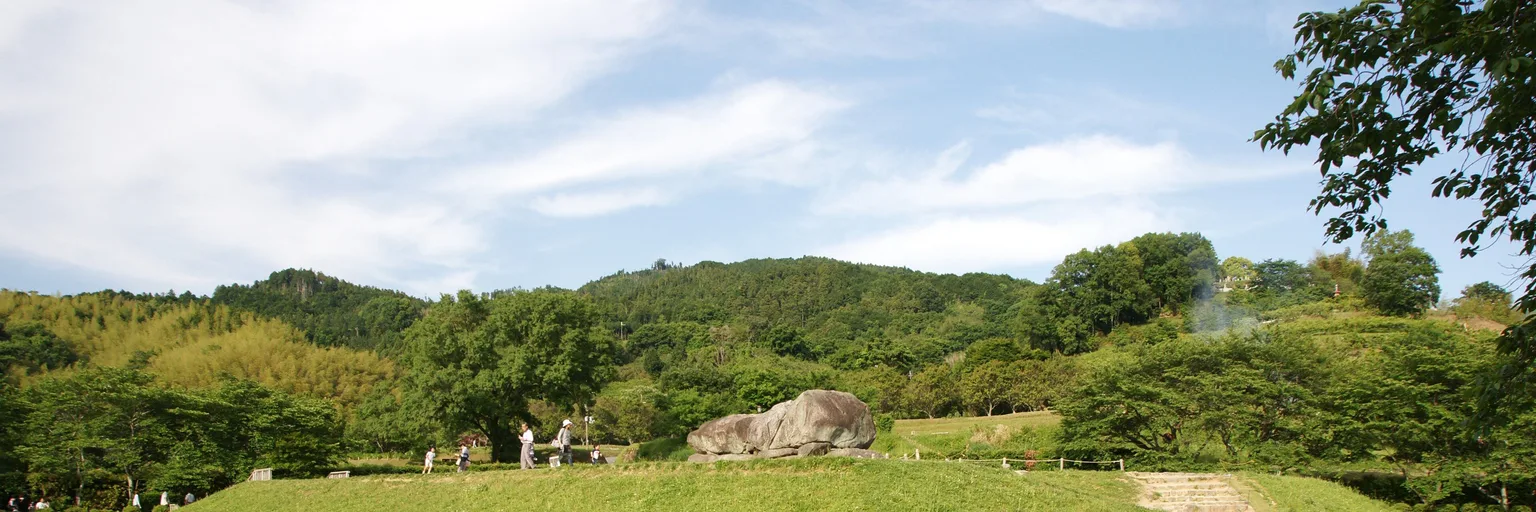
Asuka Village is limiting parking, charging fees and rolling out slow vehicles within months of its listing. Every new World Heritage site should have a visitor plan before the plaque goes up.
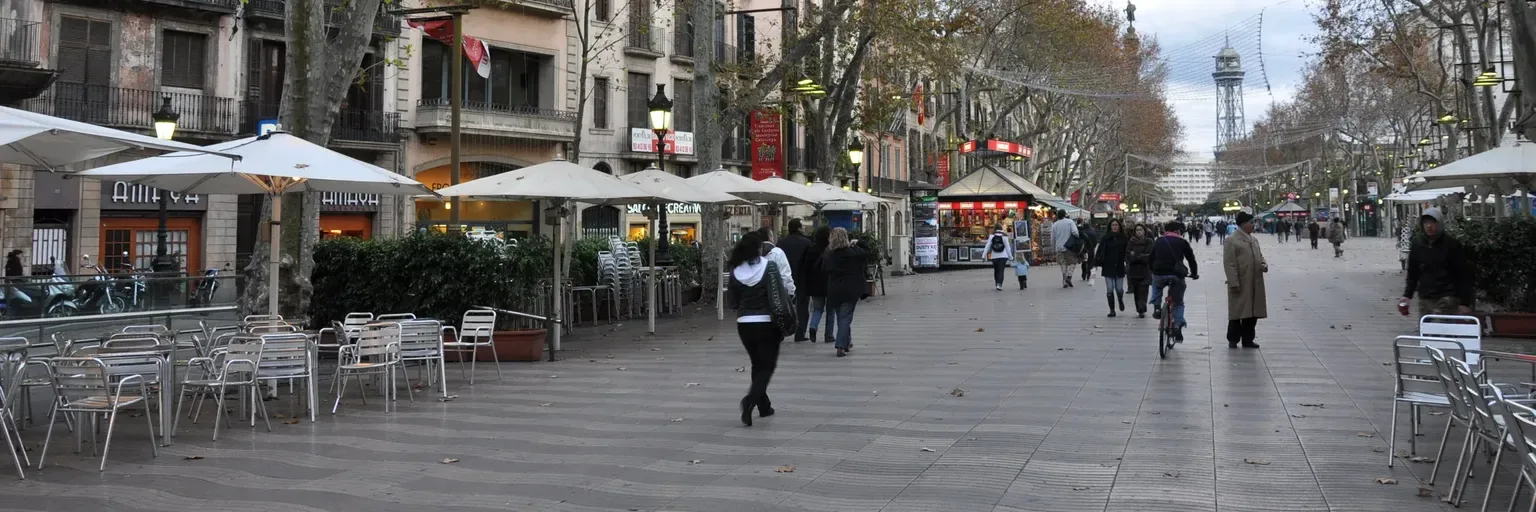
Taxes and local caps make Spain look busy fixing overtourism, but arrivals keep climbing. Without spreading visitors out and limiting peak capacity, anger will grow.
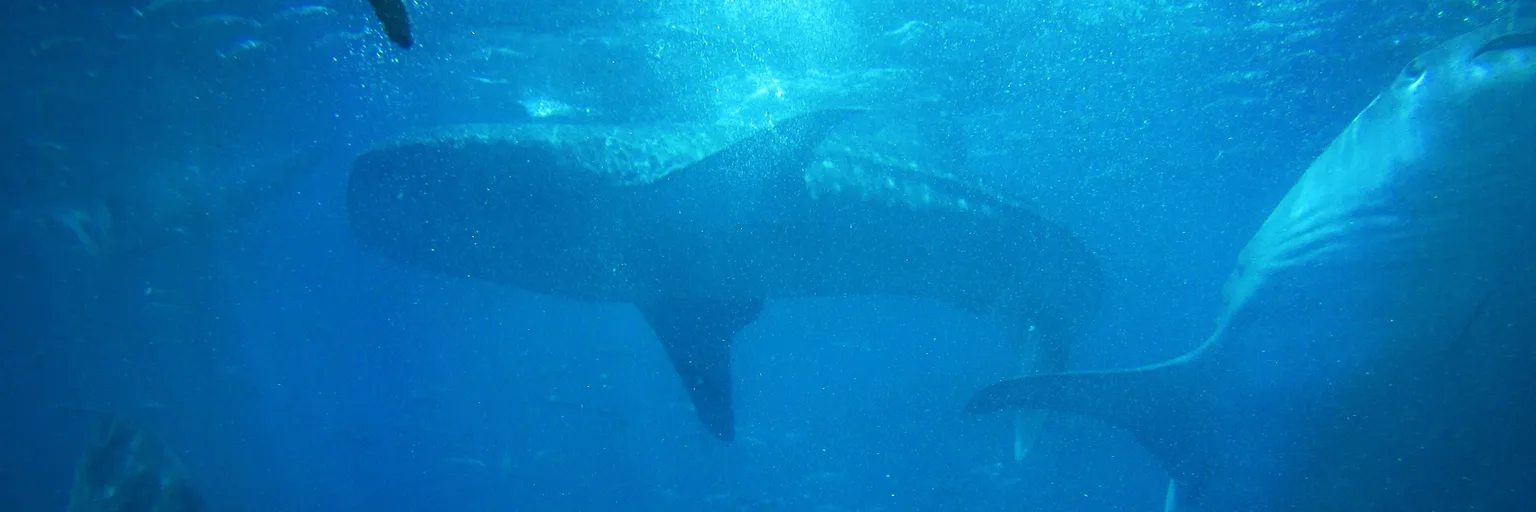
A November reopening of whale shark watching can work for Bohol, but only if limits, enforcement and a real closed season matter more than the booking calendar.
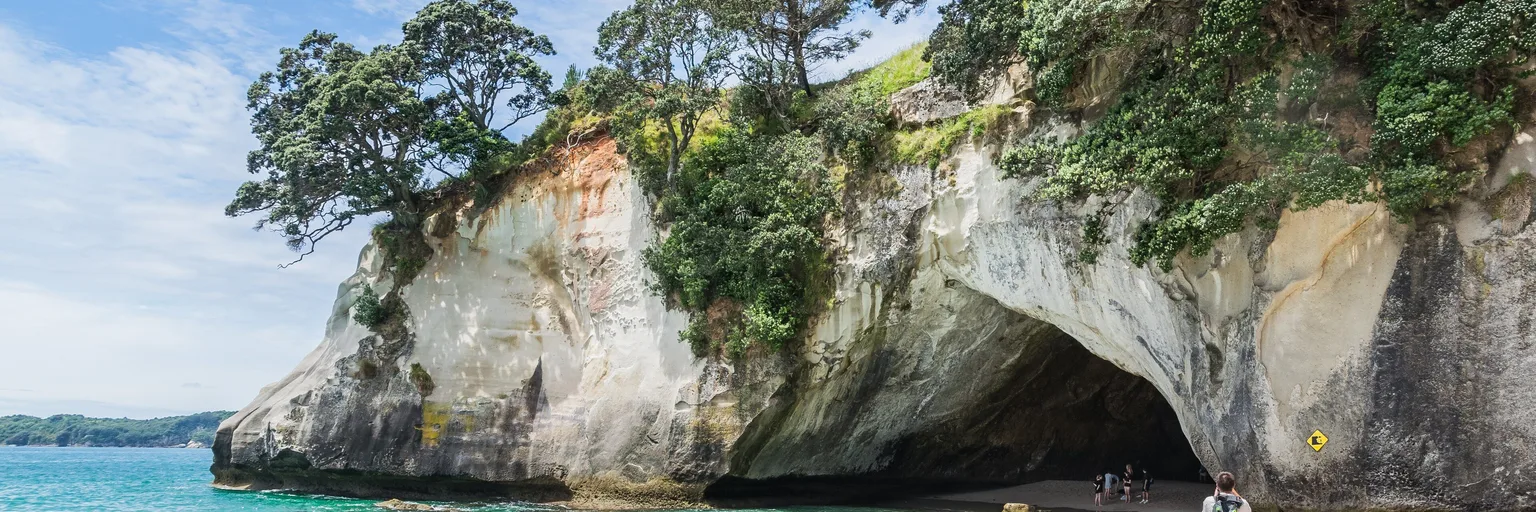
A $121,000 reroute could reopen the Hāhei walk before Christmas, but a cheaper path only works if New Zealand pairs it with limits on visitors and honest rules about slips.
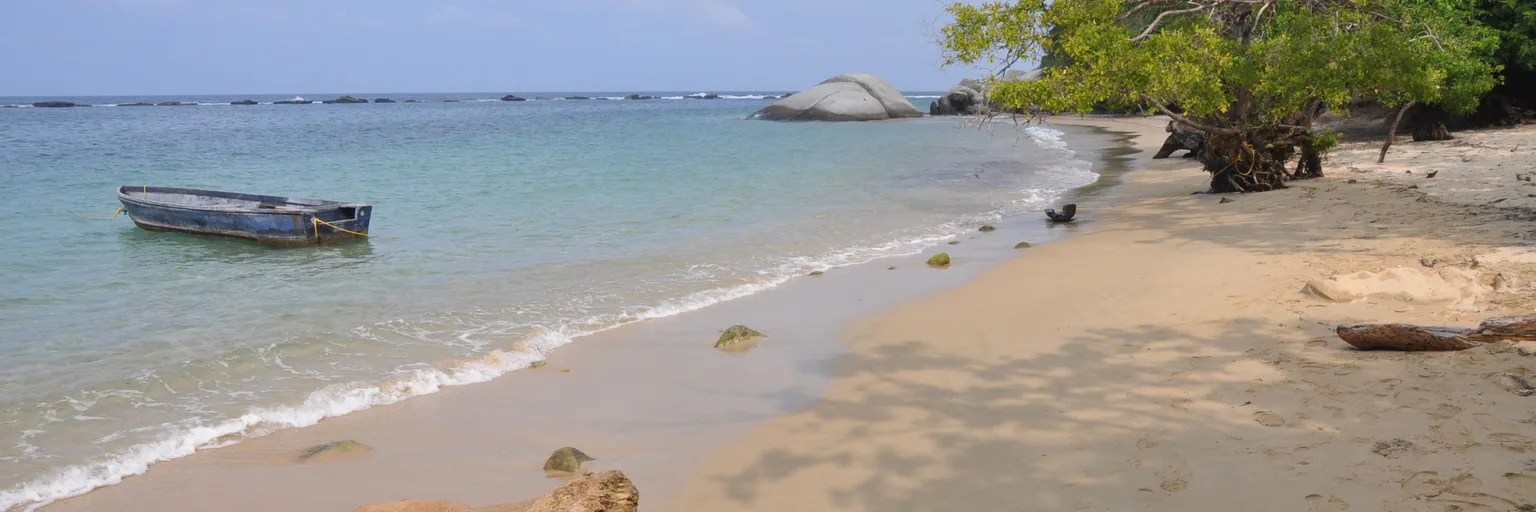
Colombia's Tayrona shuts for 15 days, three times a year. It's a nuisance for travelers, and it's exactly the kind of habit more fragile places should adopt.
National Geographic's 2027 listing could make Maya Ka'an the Mexican Caribbean's best alternative to resort sprawl, but only if the communities keep control of the story and the money.
High visitor numbers show that Jericoacoara's rustic charm is its most fragile asset, and managing growth now matters more than celebrating it.
National Geographic's 2027 list sends readers to a roadless Patagonian cape, and the real question is whether remote places can absorb that kind of attention.
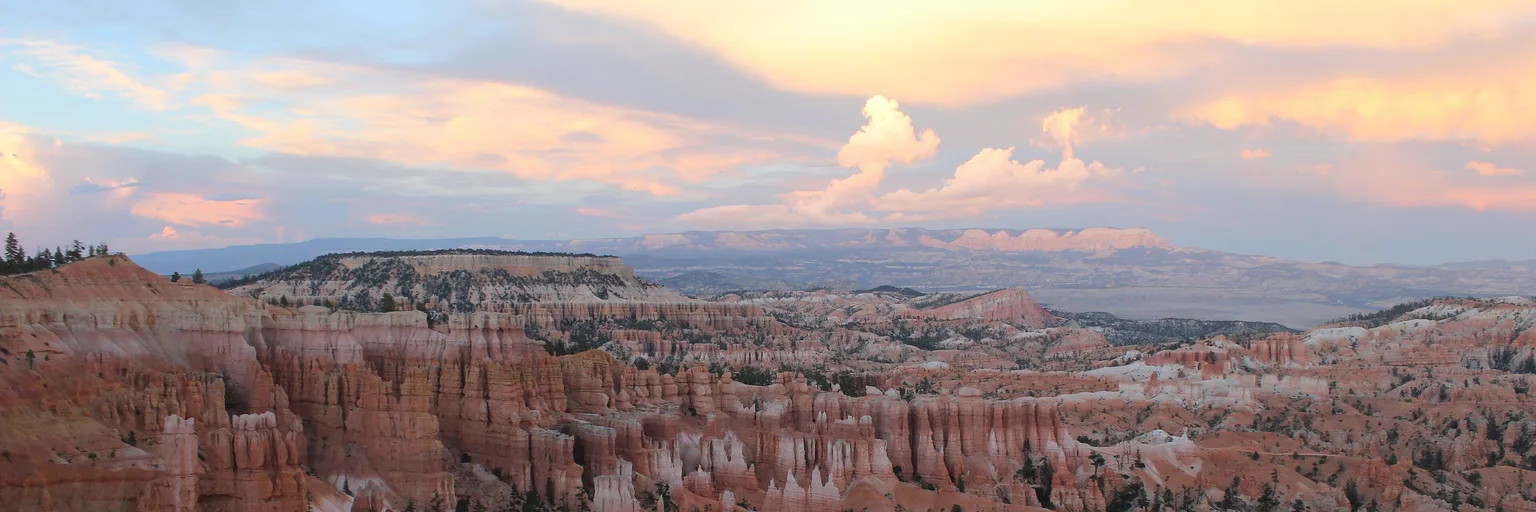
Bryce Canyon’s ranger-led full-moon hike offers a smarter tourism model: use existing landscapes after sunset, but let safety and darkness set the rules.
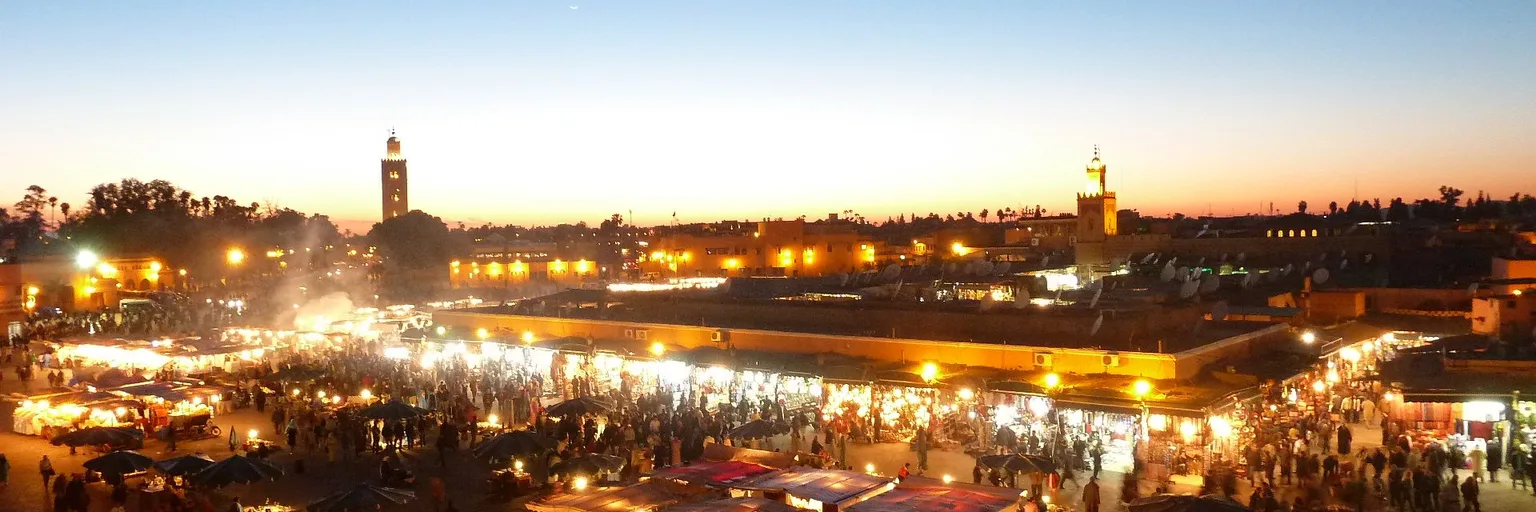
American interest in Morocco is rising after the 2026 World Cup, but the lasting prize will be longer, wider and more responsible journeys—not a brief burst of attention.
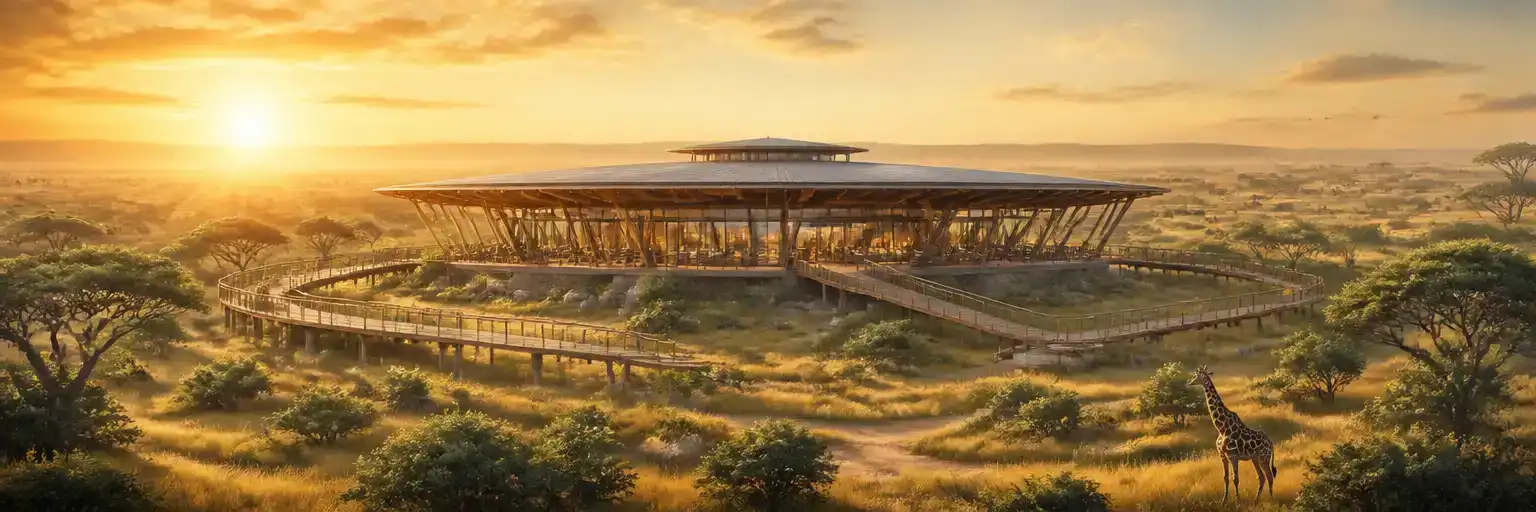
The Seronera center has the exhibits and scale to matter, but its success will depend on whether visitors can see where tourism, research and protection meet.
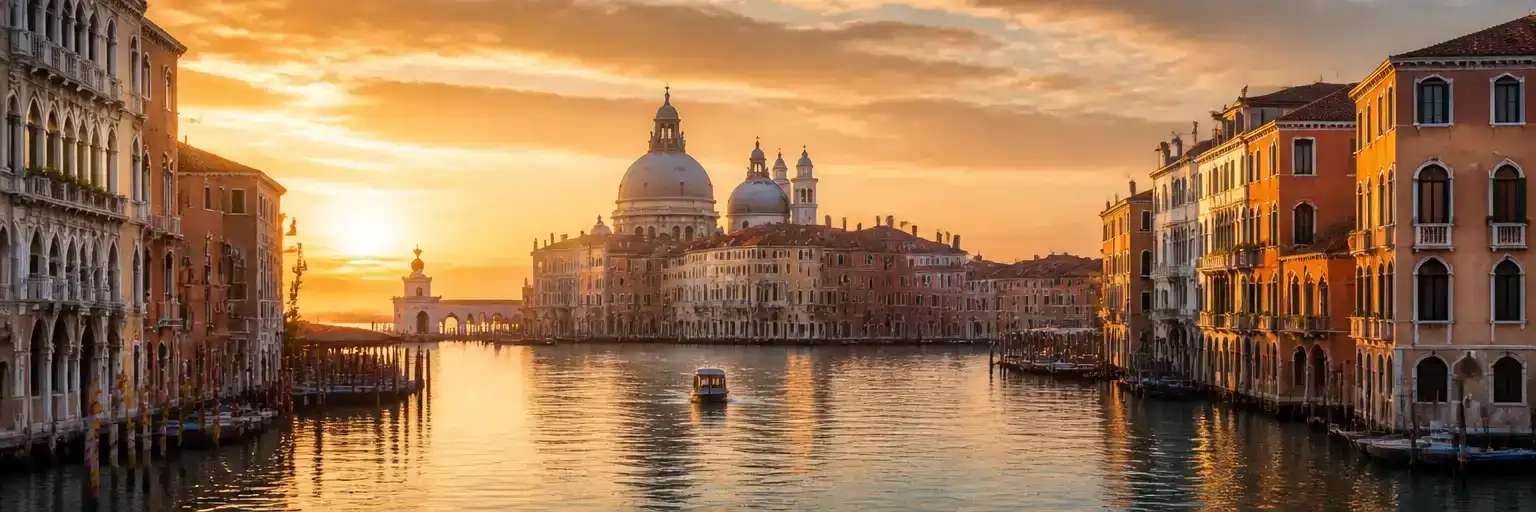
Venice is extending its day-tripper fee, but the real test is whether tourism policy can protect homes and everyday life—not simply collect money at the gates.
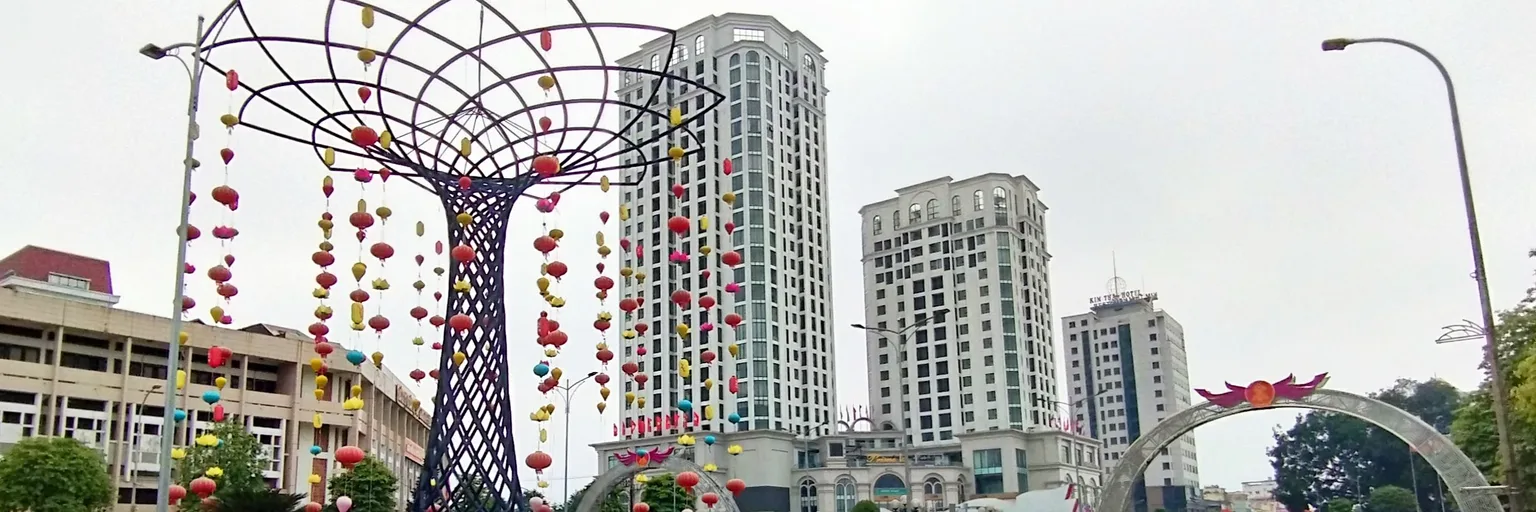
Khao Yai and Thai Nguyen suggest a smarter tourism model: destinations built around domestic curiosity, local identity and slower experiences—not just foreign arrivals.
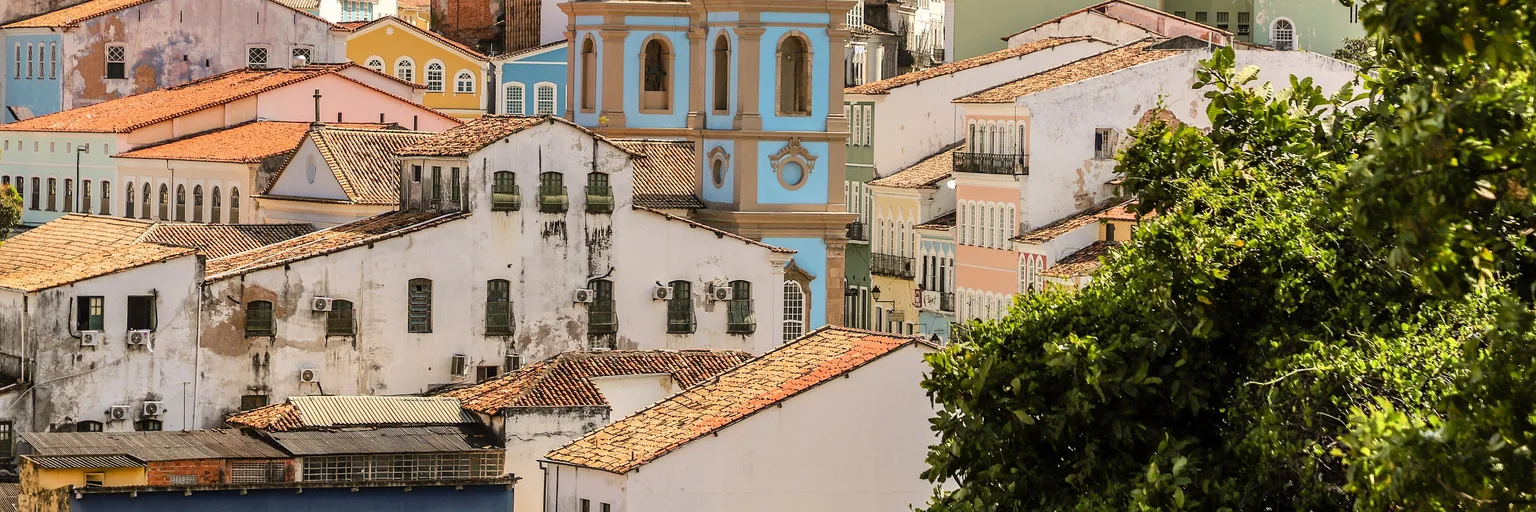
Salvador has everything a major destination needs—from historic streets and beaches to music and food—but its growth should benefit the communities that give it character.
The 2026 race turns New York into a vast spectator destination, rewarding visitors who spread out across the boroughs instead of crowding Central Park.
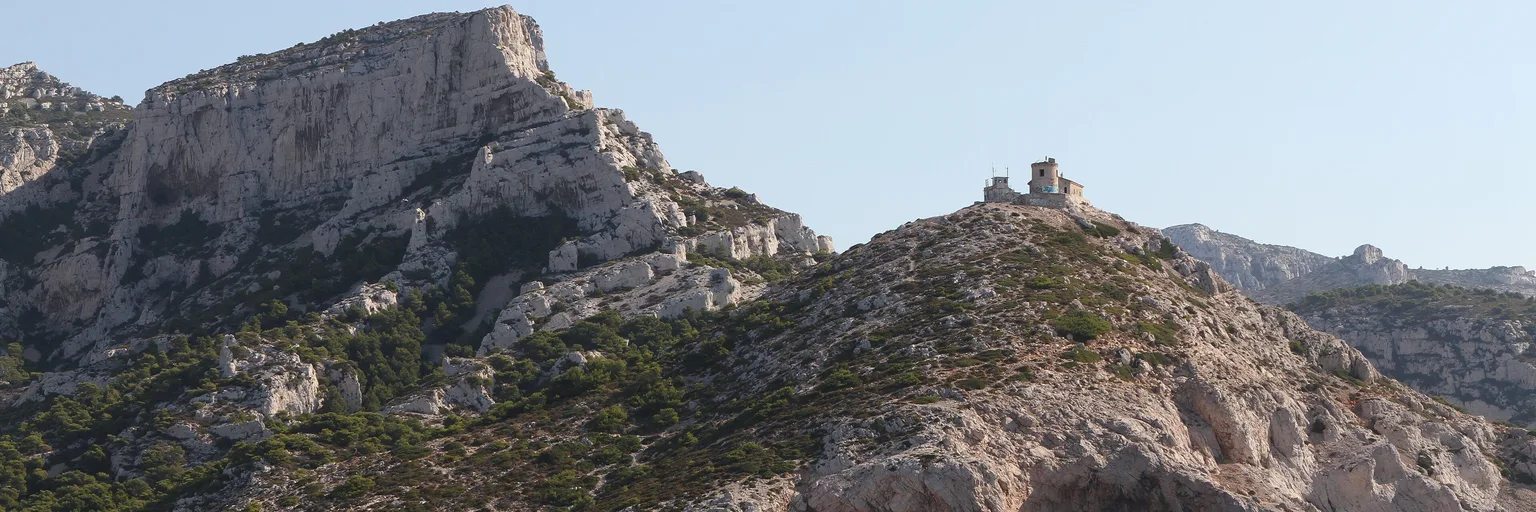
The restored semaphore above Marseille’s Calanques makes a case for limited, meaningful access: heritage can deepen a visit without creating another crowded hotspot.
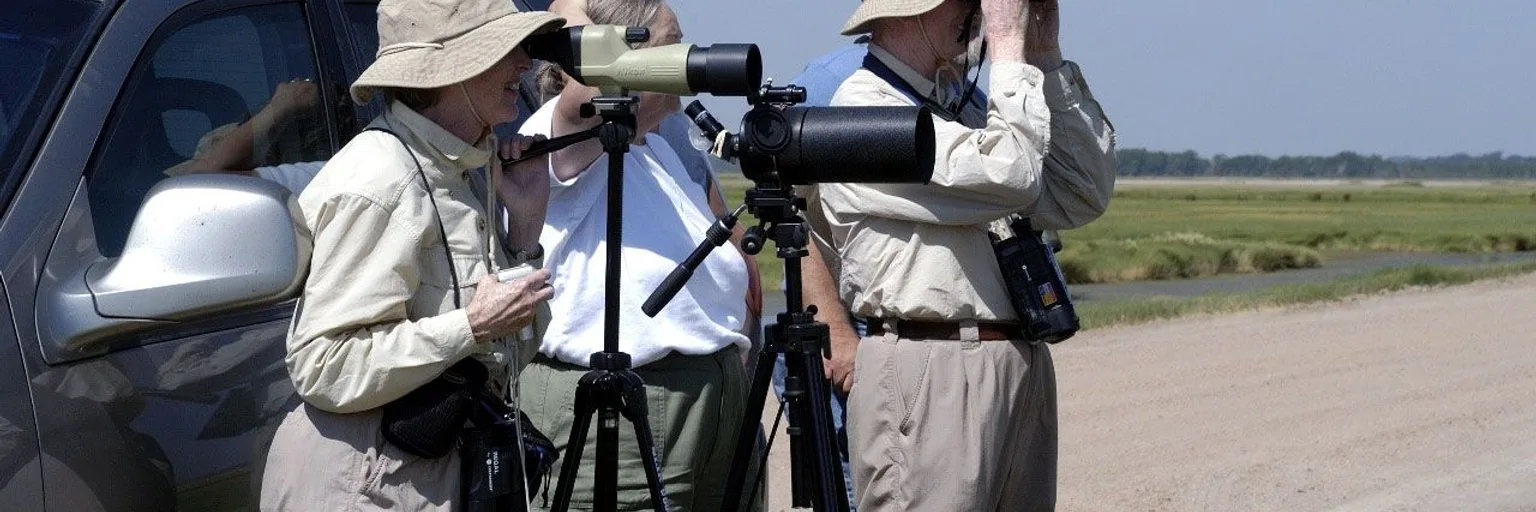
Bird-focused trips turn a fleeting natural moment into a reason to explore rural destinations—provided tourism protects the habitats that make the journey worthwhile.
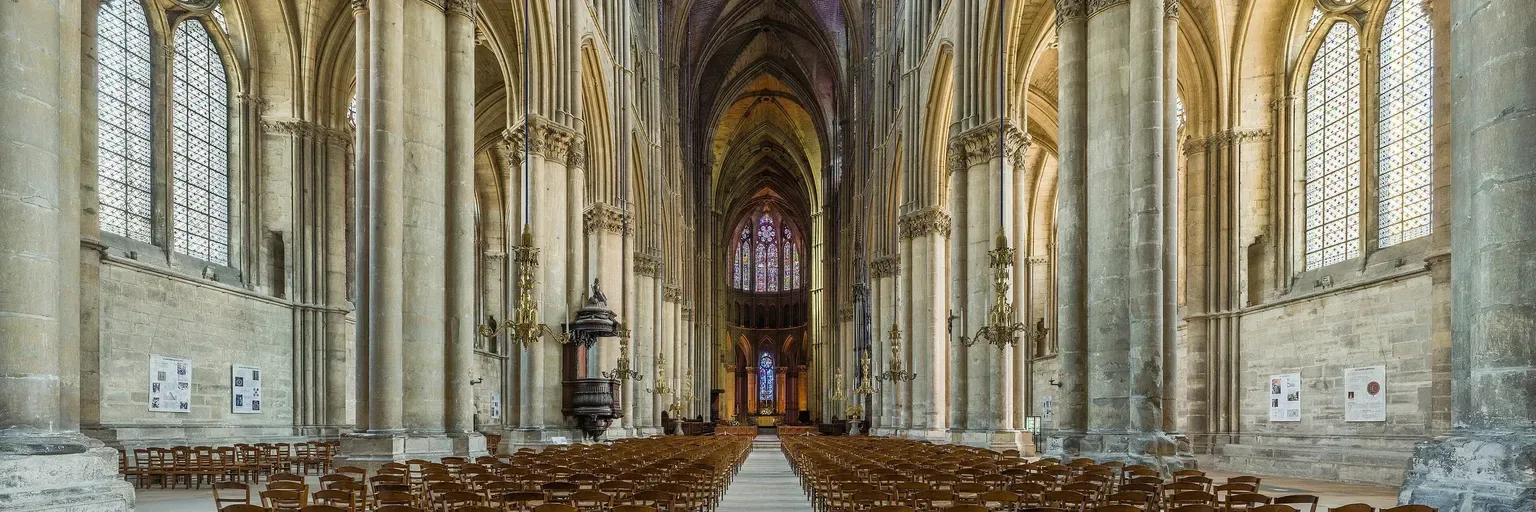
Booking.com has included Reims among its highlighted destinations for 2027. The opportunity is real—but so is the need to spread visits beyond the obvious stops.