Albacete bets on darkness, and the label is only the start
Albacete's Starlight certification across all its comarcas is a smart bet on dark skies, but it only pays off if lighting rules and visitor infrastructure follow.
Photo: AstroAnthony / Wikimedia Commons (CC BY 4.0)
What if the most valuable thing a rural province can sell is the absence of light? Albacete, in inland Spain, has built a tourism pitch on exactly that, and we think it is one of the more intelligent moves in Spanish rural tourism. It comes with a catch, though.
The facts are simple. In 2024, during FITUR, Albacete became the first province in the world with all its comarcas certified as Starlight Tourist Destinations. According to Gaceta del Turismo, citing the Starlight Foundation, the initiative covers six major tourist areas and 86 municipalities.
Darkness is a rare resource, and Albacete had the sense to count it
Most destinations compete for the same things: a beach, a monument, a famous plate of food. Night sky is different. It can't be built, and once you lose it, it's hard to bring back. A province that treats it as heritage is doing something most places only discover after the streetlights have already won.
The certification has weight behind it. As the Castilla-La Mancha astrotourism site explains, Starlight is an institution backed by UNESCO, the World Tourism Organization and the International Astronomical Union, and it certifies places using criteria developed jointly by professionals from several international organizations. That is more than a municipal sticker.
We also like the strategy of certifying the whole province instead of one showpiece park. In our view, stargazers are the kind of visitors who are happy to be patient, who don't need peak season and who can spread their spending across small towns. They need quiet and a clear horizon, not a resort. For an interior province that rarely tops a holiday wish list, that is a good fit.
A label doesn't switch off a single lamp
Here is where we get skeptical. A certificate says the sky is exceptional. It doesn't guarantee it will stay that way. The sources we reviewed speak of the province's commitment to conservation, but we found no detail on which lighting regulations apply or how they are enforced, so we won't pretend to know. That gap is exactly the point.
If a municipality certifies its sky and then installs bright, poorly shielded lighting on its bypass, the brand erodes quietly. Our view: the most credible thing Albacete can do over the next few years is publish what it is doing about light pollution, town by town, and let visitors check it. Certification is a promise. Enforcement is the proof.
The visitor has to find somewhere to stand, sleep and learn
The second test is practical. A stargazer needs a place to observe, somewhere to stay nearby and someone to explain what they're looking at. Albacete has some answers. One guide to the province's viewpoints and observatories singles out AstroCamp in Nerpio and the Mirador de Ossa de Montiel as reference points. That is a start, not a network.
We'd argue the risk is uneven delivery: a few well-run sites carry the brand while the other certified areas offer little beyond a plaque. A visitor who drives out on a cold night and finds nothing organized will not come back, or recommend it.
Our verdict
Go, but go with a plan. If you are curious about the night sky, Albacete is one of the most coherent places in Spain to try it, precisely because the whole province has bought into the idea. Check which observatory or viewpoint you are heading to, book anything guided ahead, and don't assume every certified town offers the same experience. We can't give you opening hours or prices, so confirm them locally before you set out.
For the province itself, the message is blunt. The first-in-the-world headline has done its job. Now the dull work begins: lighting rules that bite, a visitor offer that reaches beyond two or three standout sites, and the patience to protect an asset that, by definition, you can only keep by leaving things dark.
No topics yet: start the first one.
More stories
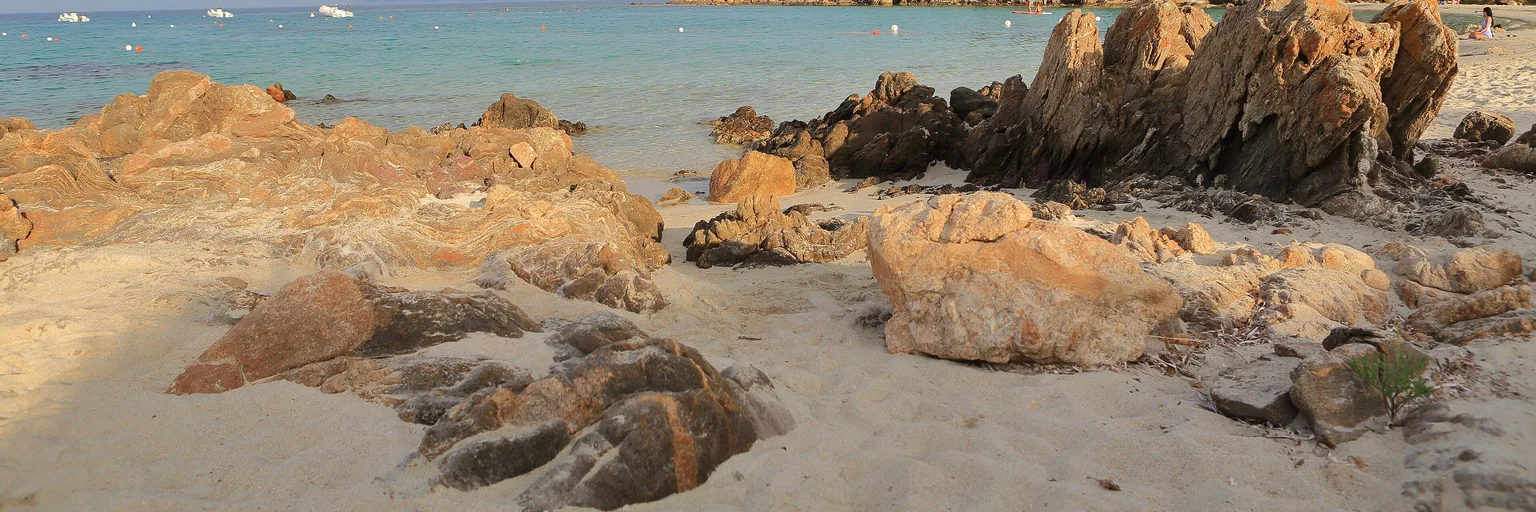
A bottle of Sardinian sand is not a souvenir, it's a theft
A 74-year-old tourist was stopped at Porto Torres with 10 kg of labeled sand. The fines and port checks are right: beaches are heritage, not gift shops.
Disneyland Paris wins, but France's best park may not be the polished one
Disneyland Paris dethroning Parc Astérix at the Parcs Fans Awards says less about quality than about what we reward. Here is how to choose where to spend your days.
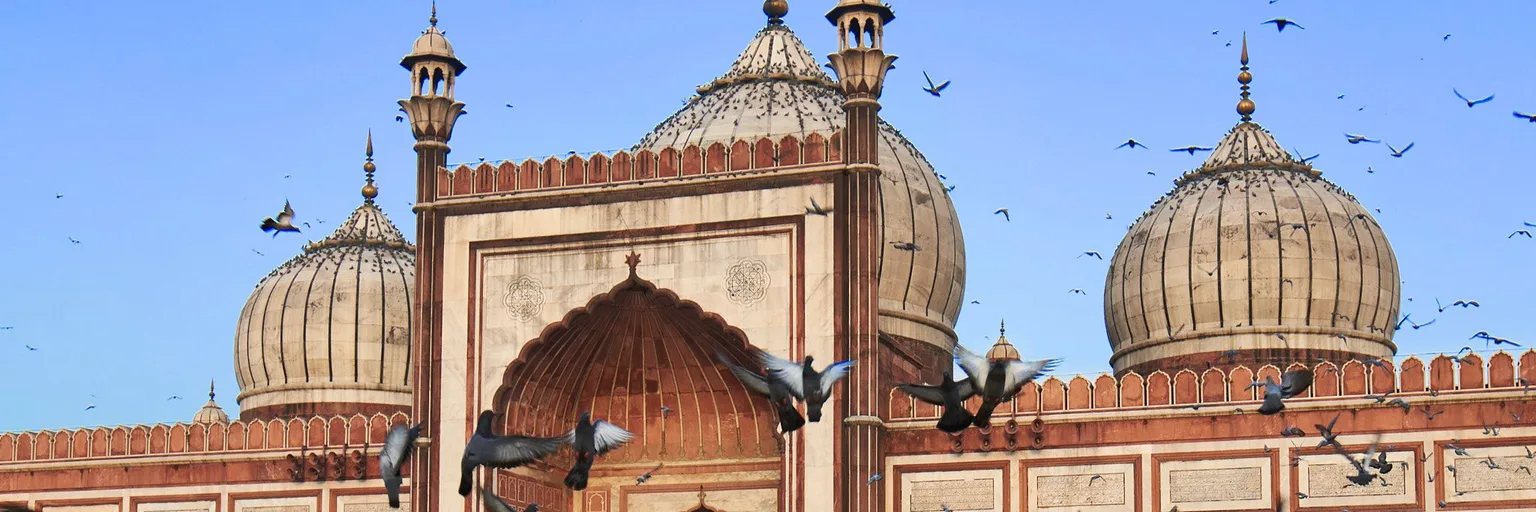
India is Destination of the Year 2027, but nobody should visit "India"
Travel + Leisure's crown is a good reason to take India seriously, but a country this vast rewards one region and one season, not a checklist.
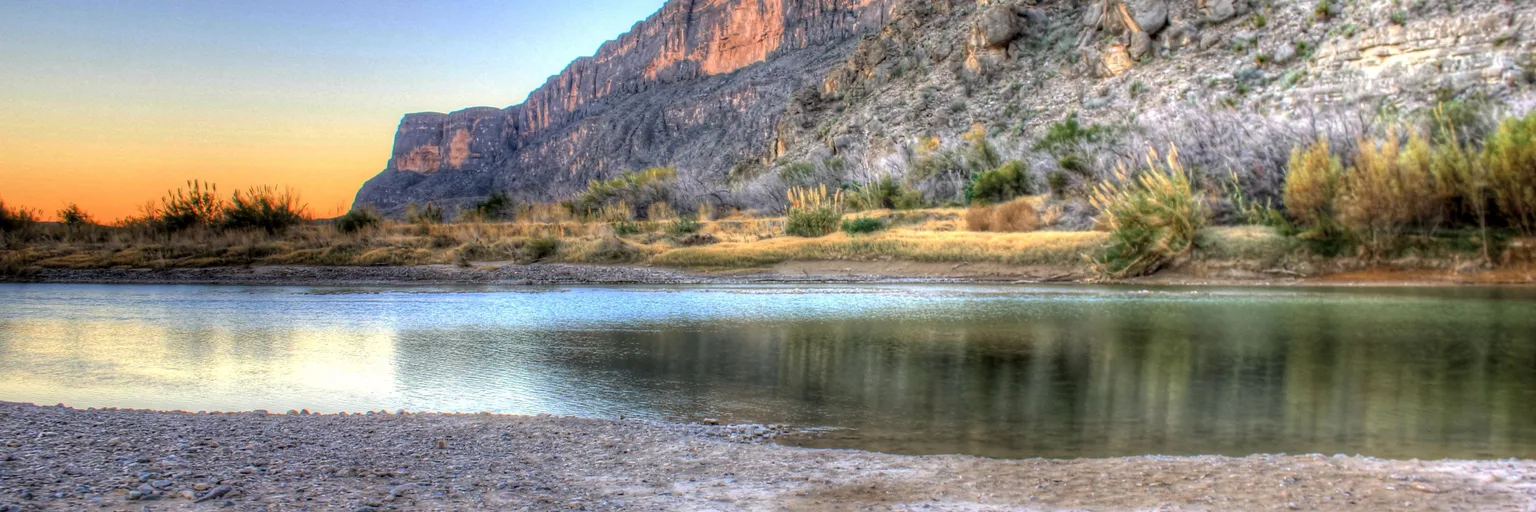
Big Bend shows a park is only protected until the next ruling
The Supreme Court cleared border barriers in a West Texas region that includes Big Bend National Park. Protected status is fragile, so go see these places and speak up.