Tripsfera Newsroom
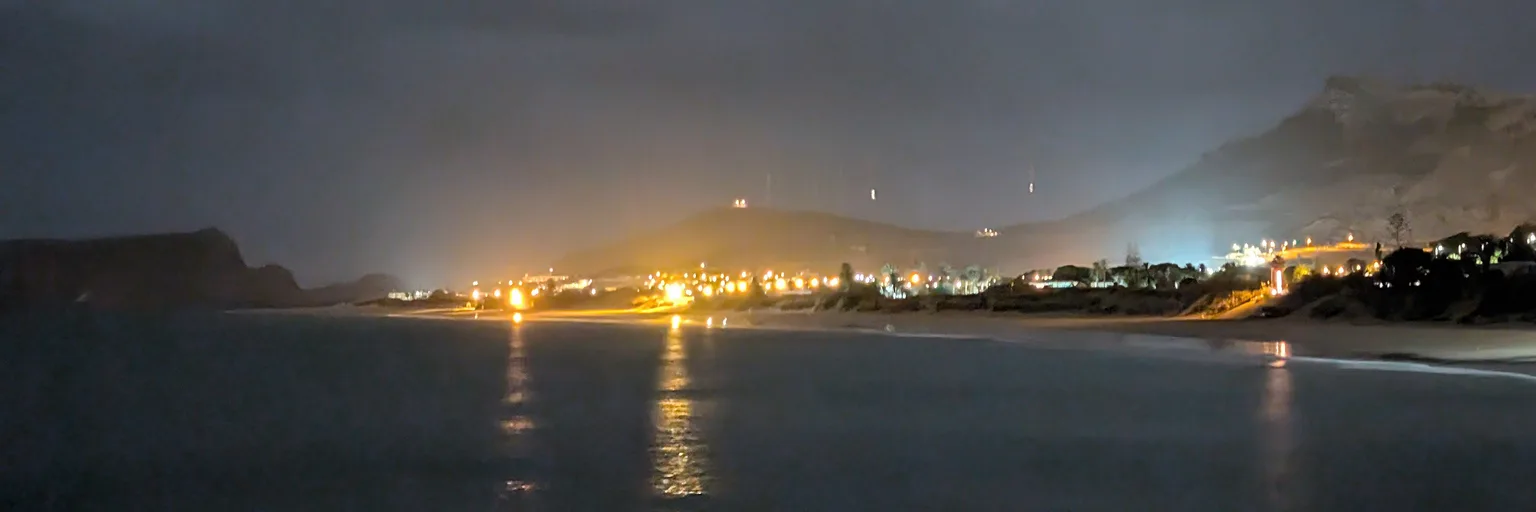
Porto Santo's tourist tax doubles: fair only if you can see the money
Going from two to four euros a night is defensible on a tiny island, but only if visitors can point to cleaner beaches and better services by next summer.
Going from two to four euros a night is defensible on a tiny island, but only if visitors can point to cleaner beaches and better services by next summer.
Cergy's planned theme parks could enrich a trip to Île-de-France or crowd out what makes it special, and the local protests are a warning about who the project is really for.
Every destination says it wants better visitors, not just more. Thailand's long-delayed entry fee shows what that costs, and why travelers should accept the bill.
The EU's new sustainable tourism strategy promises to spread visitors across places and seasons. Without real reasons to travel off-peak, it risks being another well-meaning paper.
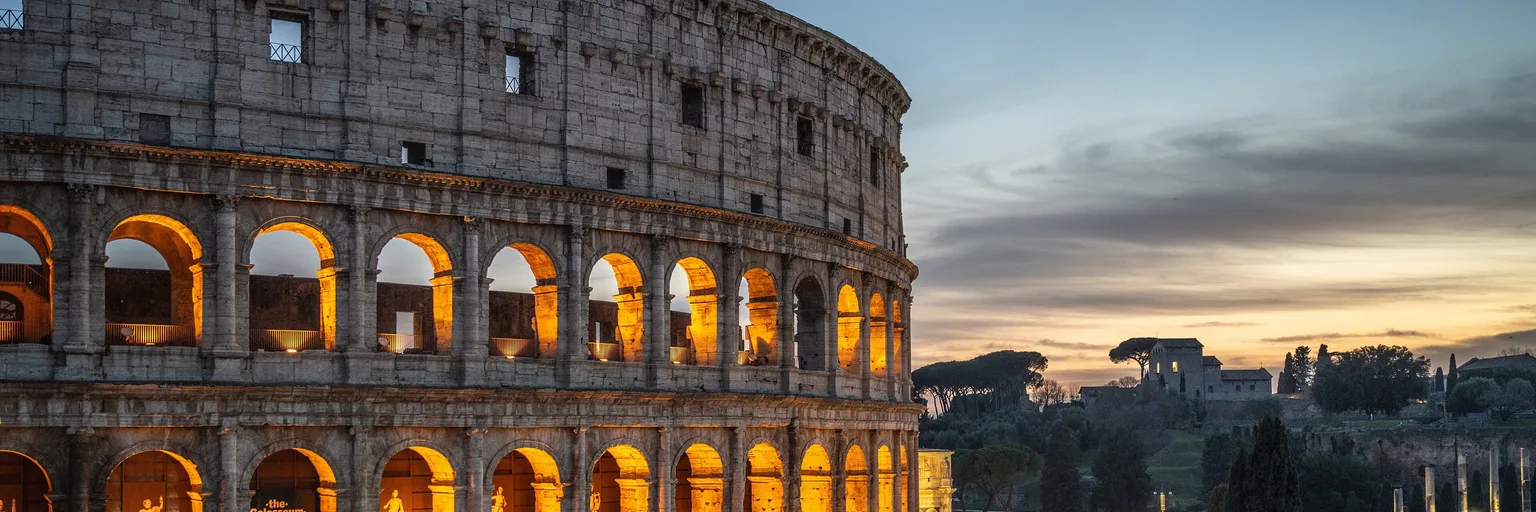
After 22-year-old Andrea Moretti fell at the Colosseum, Rome's archaeological park dropped subcontracting and rope-access work. Visitors should welcome slower, safer heritage sites.
Doubling entry fees after 12 years is defensible, but Madagascar National Parks must show the money reaches parks and guides, or the hike becomes a barrier.
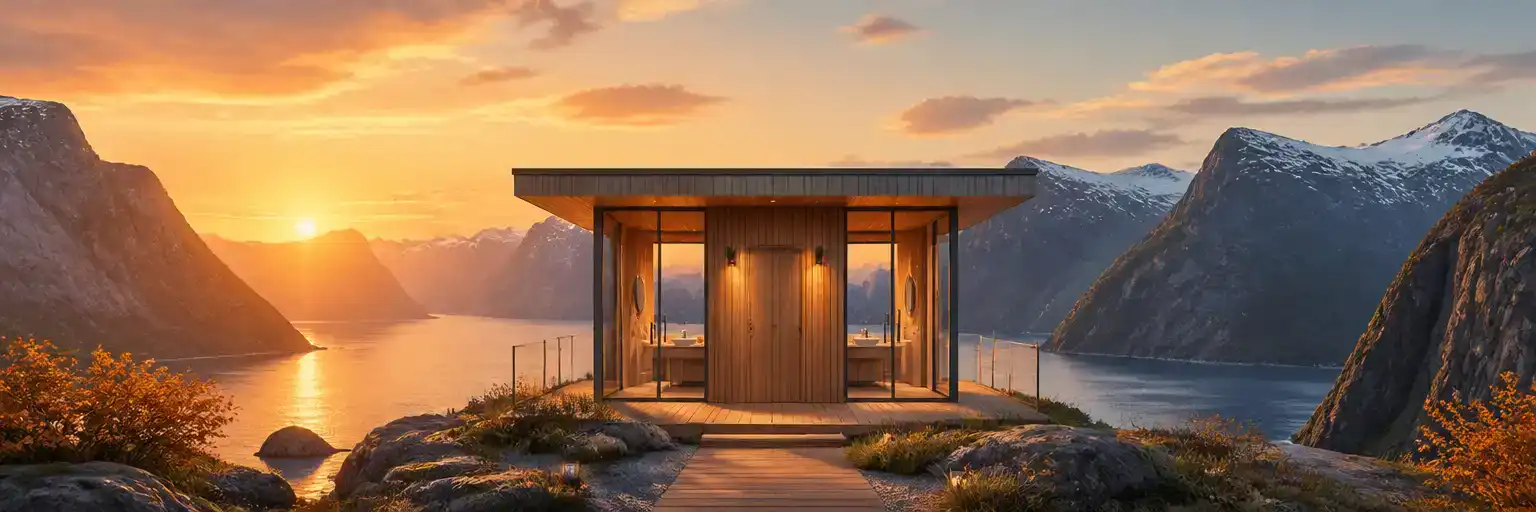
Visit Norway turned a presidential insult into viral gold, but a restroom with a fjord view only counts as tourism strategy if it eases real pressure on visitors and places.
Raw arrivals flatter big destinations, but the ratio of visitors to neighbors shows where a city really strains. Spain's extremes are a warning, and travelers can respond.
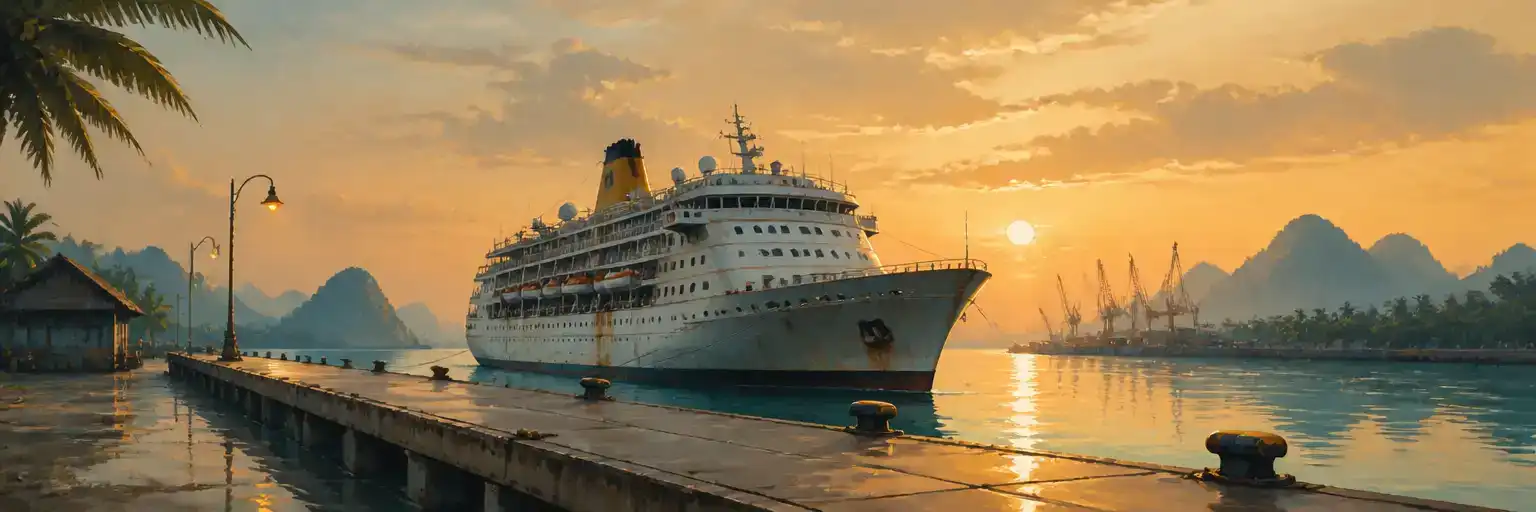
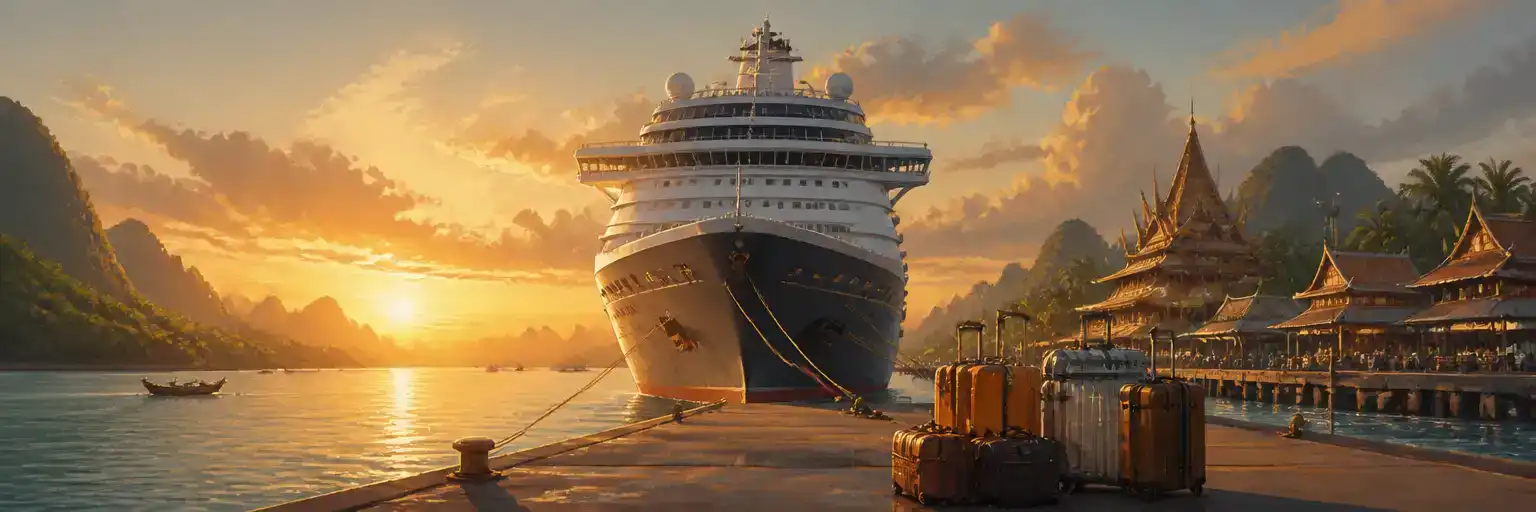
A floating-home world cruise was suspended in Cambodia over fuel costs, and the lesson isn't about the war: before you buy long-haul cruising, buy contingency rights first.
Disney's next ship leads with Encanto, Frozen and a 185 m² suite, not ports. Fans will be thrilled, but travelers should ask what they will actually see on land.
Villa Vie Odyssey's residents had seven hours to leave a ship in Cambodia. The lesson isn't that fuel is expensive: a floating home may offer far less security than a lease.
A second deadly high-speed collision in under a year shouldn't scare travelers off Spanish rail, but it does justify asking harder questions and staying flexible.
Polar Caves' 80-ton Hanging Boulder fell and, fortunately, nobody was hurt. Natural attractions should be honest about how much of a safety record is simply luck.
Taxes and local caps make Spain look busy fixing overtourism, but arrivals keep climbing. Without spreading visitors out and limiting peak capacity, anger will grow.
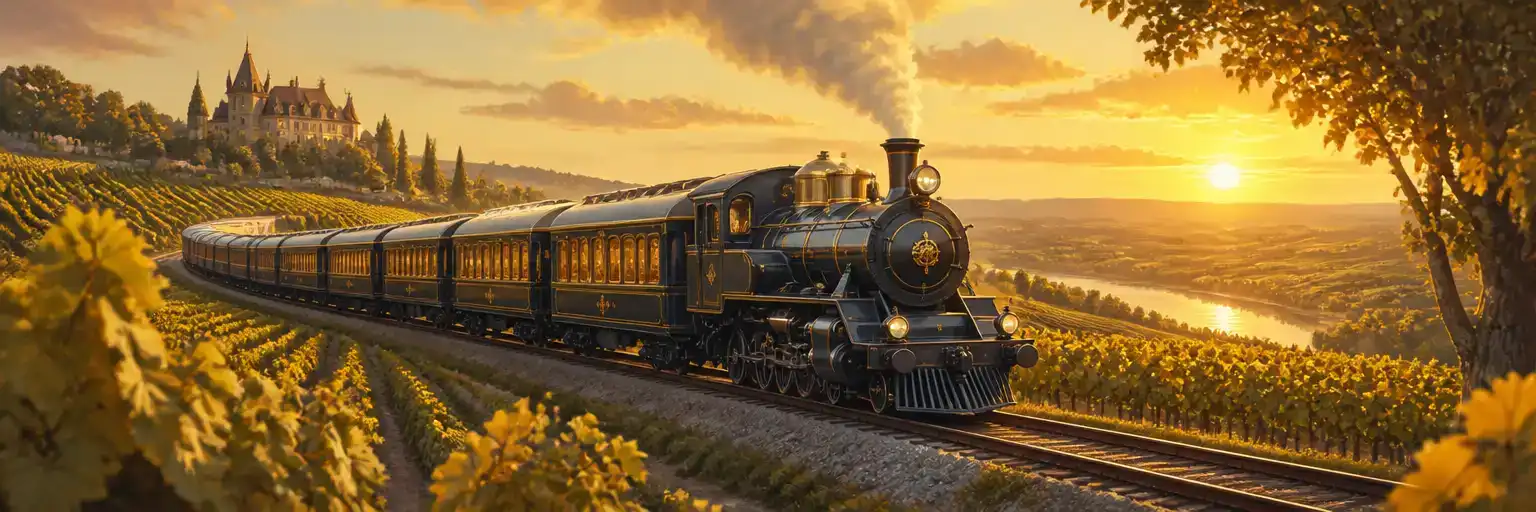
A theme park running a six-day Belle Époque rail tour is a clever idea, but at these prices it only works if it shows us France, not a costume drama about it.
Charging nonresidents more is common worldwide, but a $100 per-person surcharge, rolled out abruptly, is missing its revenue target and sending visitors the wrong message.
Portugal's high-speed line has finally broken ground. Whether it reshapes how we travel the country, or just feeds two crowded cities, depends on what happens outside the carriage.
The global cruise industry is set for unprecedented growth, with millions projected to sail by 2027, yet this surge in popularity brings the twin challenges of potential overcrowding and infrastructure strain.
Ongoing curfews in Paris and other French cities, a direct response to urban unrest, are raising alarms for the nation's vital tourism sector, threatening its meticulously cultivated image and future appeal.
Japan's leap to the top of the Travel & Tourism Development Index signals a paradigm shift in global tourism, blending deep cultural richness with strategic visitor experiences to set a new benchmark.