Winter solstice trips: go for the ritual at Stonehenge, not the crowd
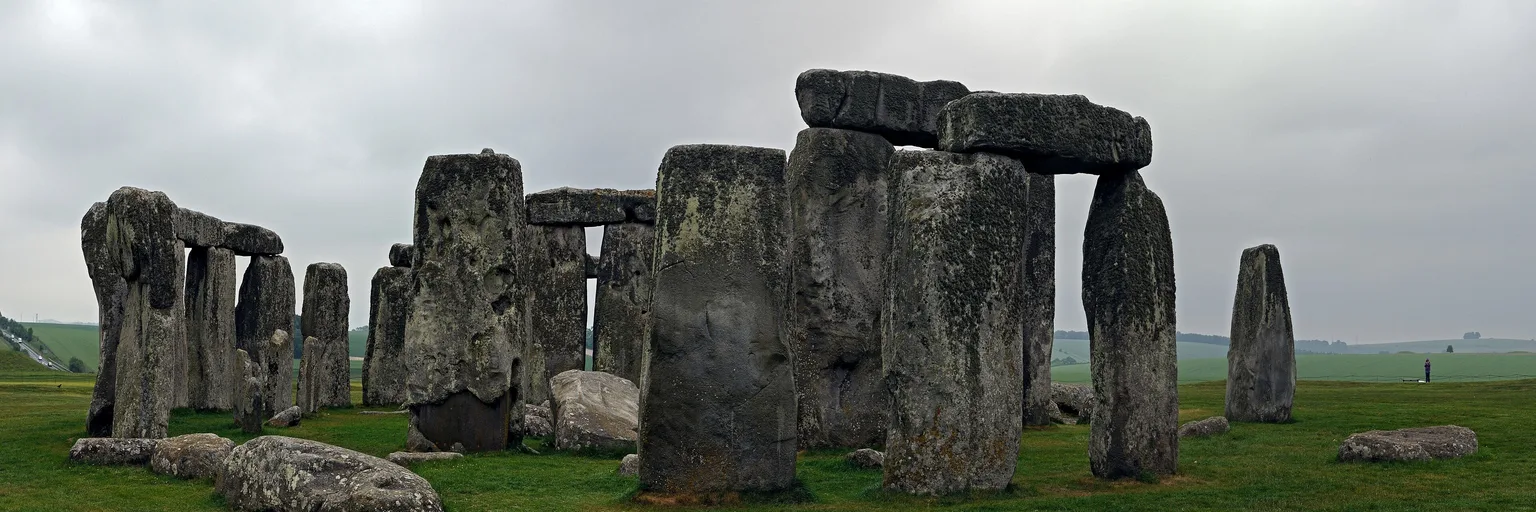
Stonehenge opens free on solstice morning, but parking is sold out and thousands are expected. Treat it as a ritual with rules, not a photo op, and you'll enjoy it more.
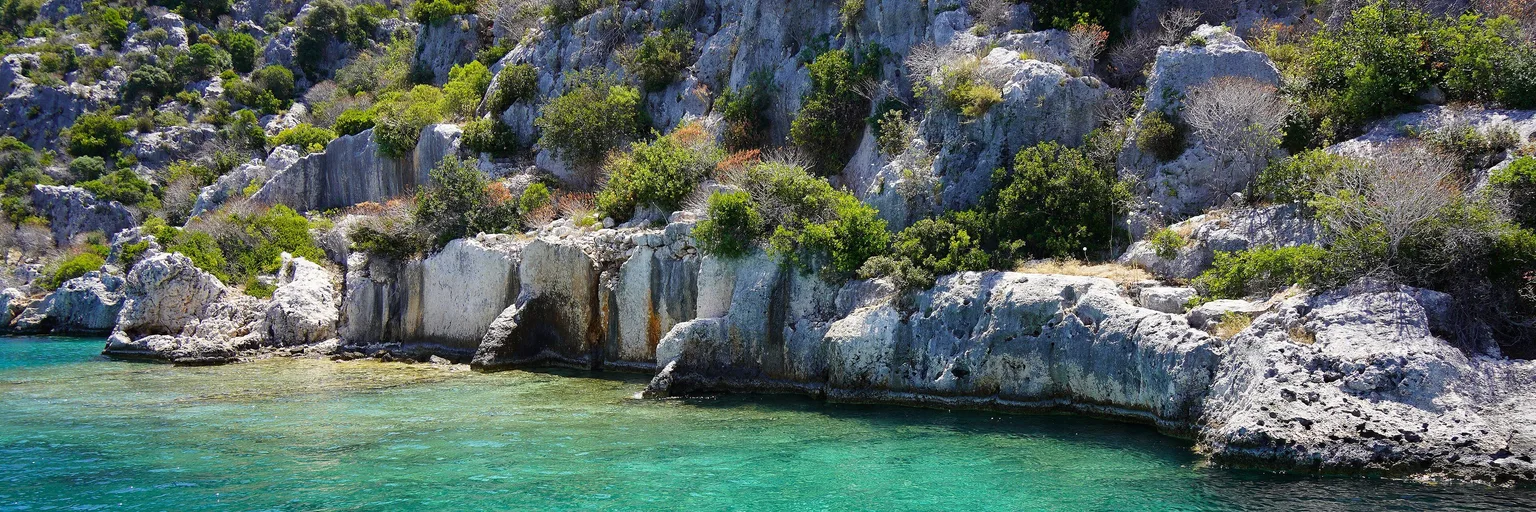
Kayaking above the drowned ruins of Simena and Kekova is one of the best ways to meet ancient history, but only if guides and no-touch rules protect it.
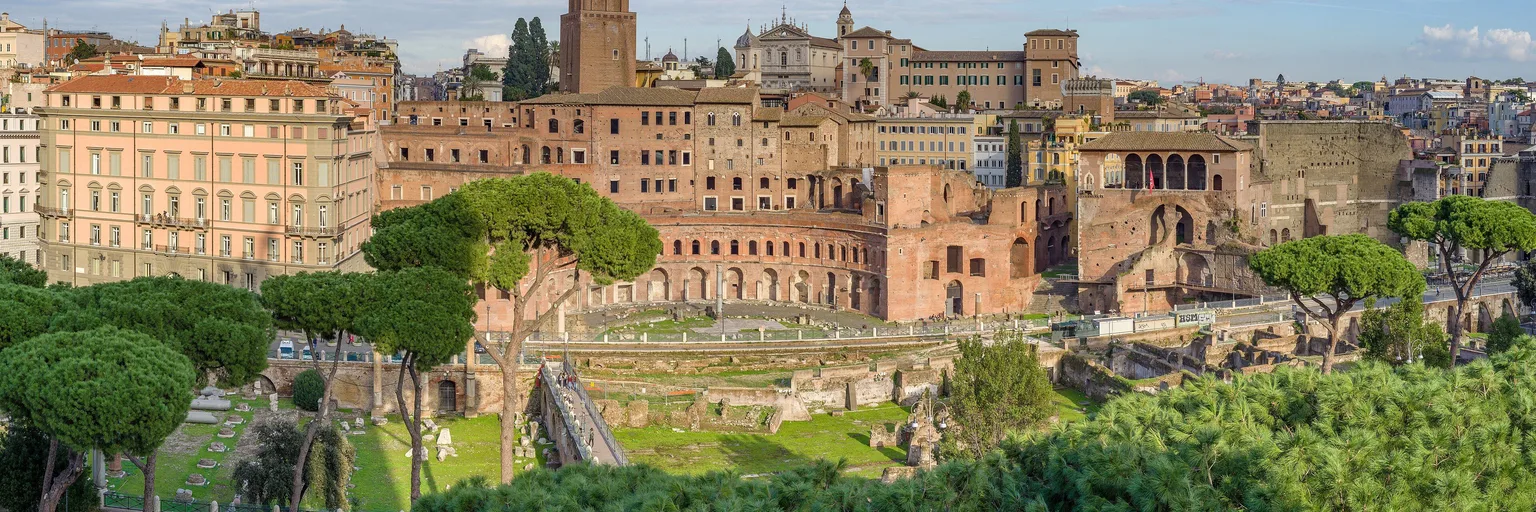
A restored underground space at Trajan's Forum, with a raised walkway and colored marble floor, shows why lesser-known Roman openings deserve a spot on your itinerary.
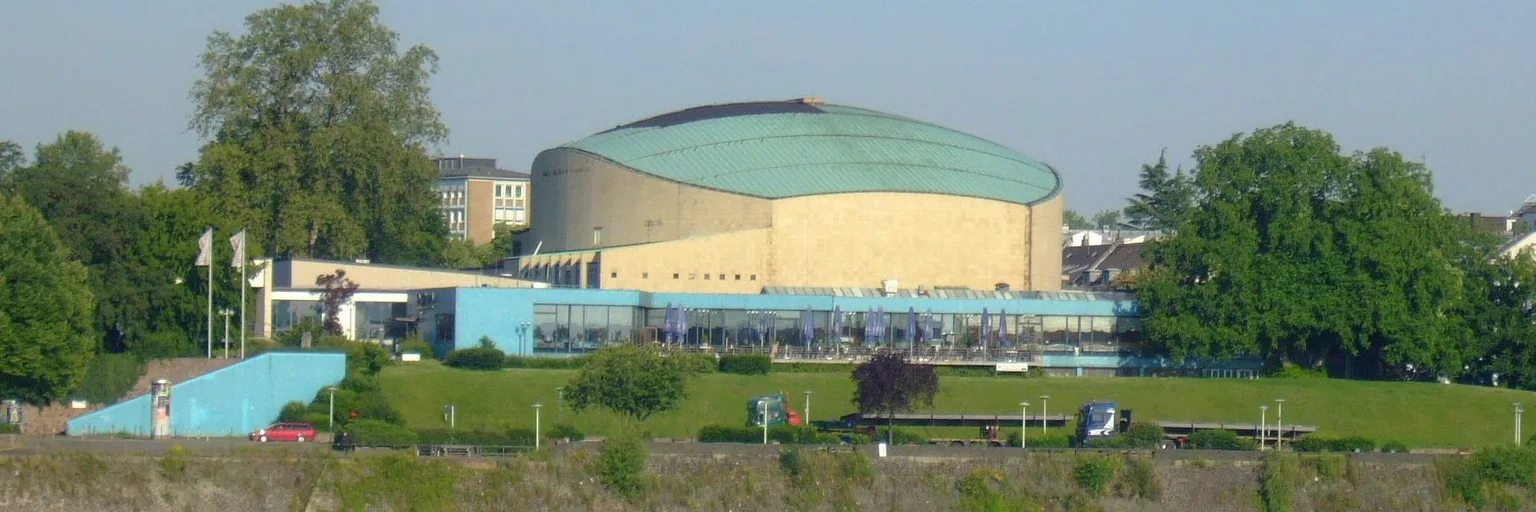
The 200th anniversary of Beethoven's death will pull crowds to a handful of famous halls. The smarter trip chases the quieter concerts, the lesser-known venues and the places tied to his story.
A fresh World Heritage batch tempts us to chase every new badge. We think the smarter trip goes to sites that already know how to host visitors, and waits on the rest.
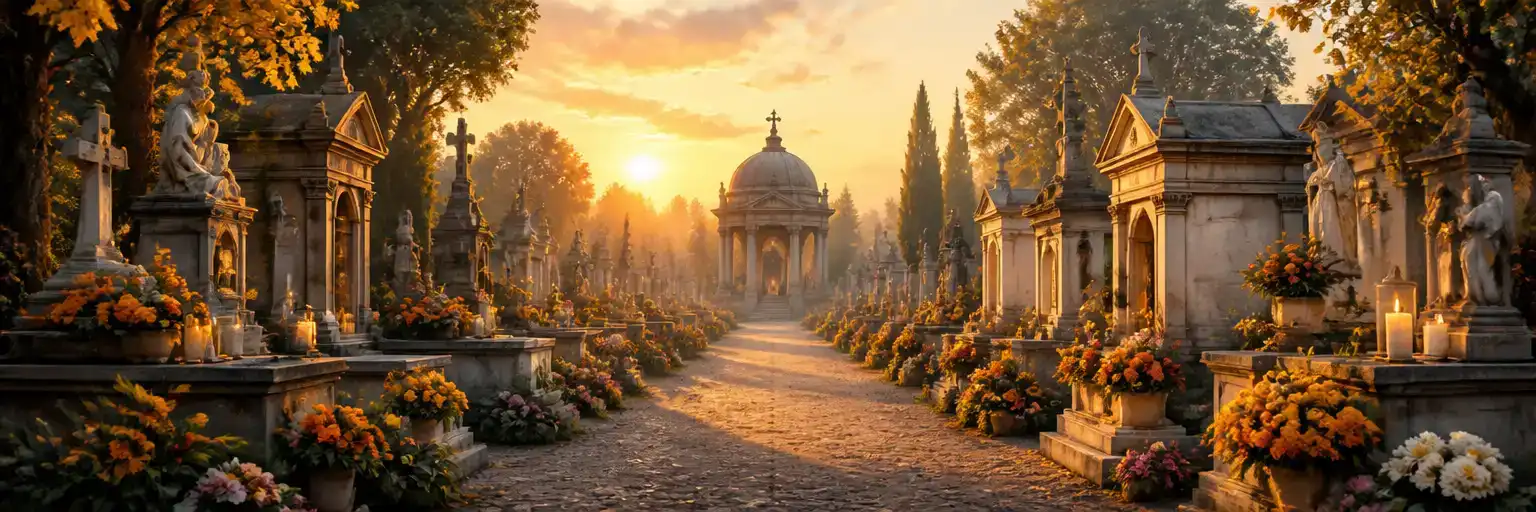
For one long weekend a year, cemeteries fill with flowers and buses. The rest of the year, they're some of the most honest heritage sites a traveler can enter, if you know how to behave.
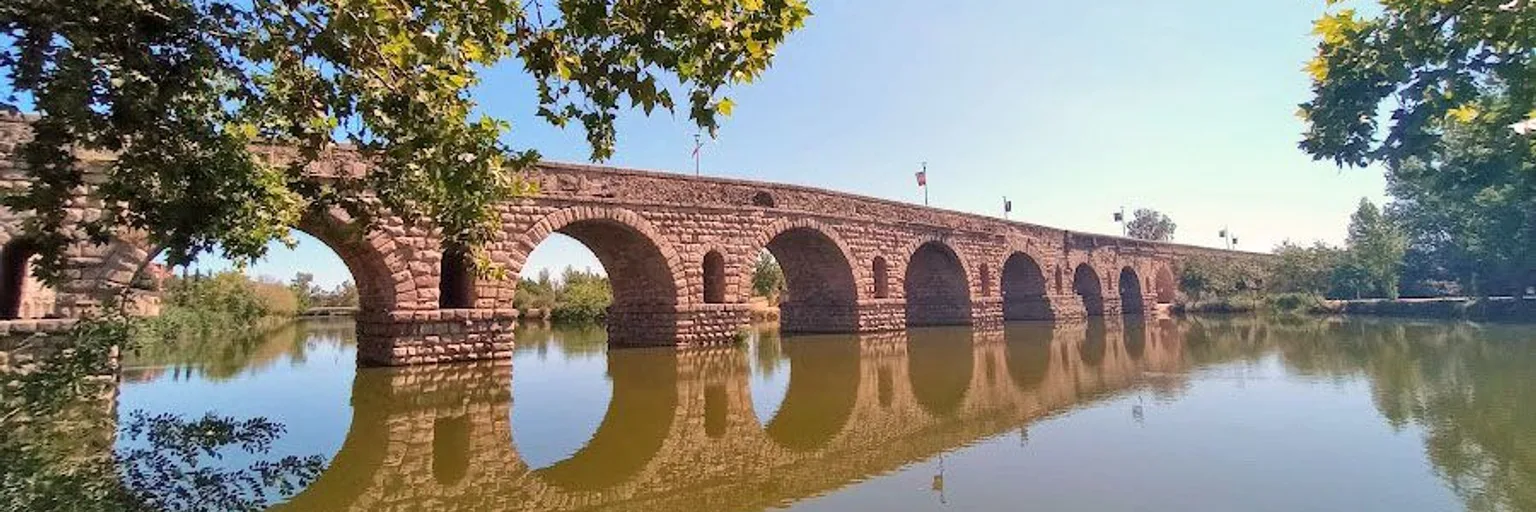
At 790 meters and 60 arches, Mérida's Roman bridge is the kind of monument that makes Extremadura a rival to Spain's famous hubs. Give it days, not minutes.
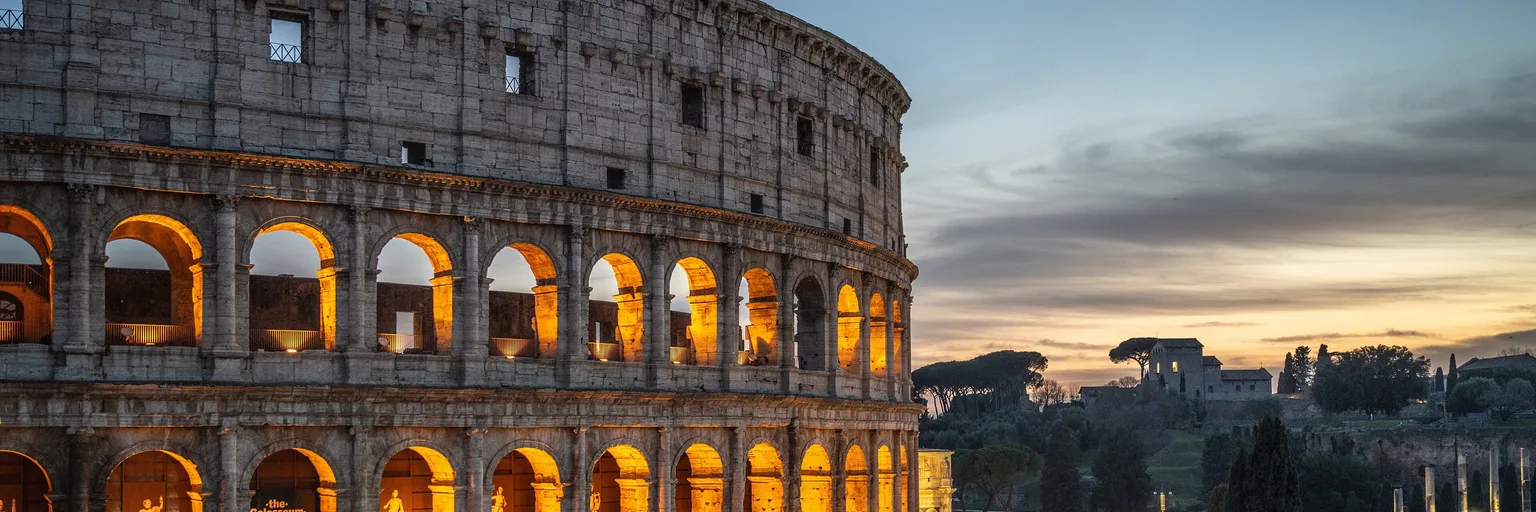
After 22-year-old Andrea Moretti fell at the Colosseum, Rome's archaeological park dropped subcontracting and rope-access work. Visitors should welcome slower, safer heritage sites.
Free archaeological openings on October 31 and November 1 are a lovely nudge, but a city with this much history shouldn't need a holiday weekend to be noticed.
Paranormal travel is booming because trips crave a plot. The ones worth your money lean on a place's genuine past, not on a spooky hotel with a good publicist.
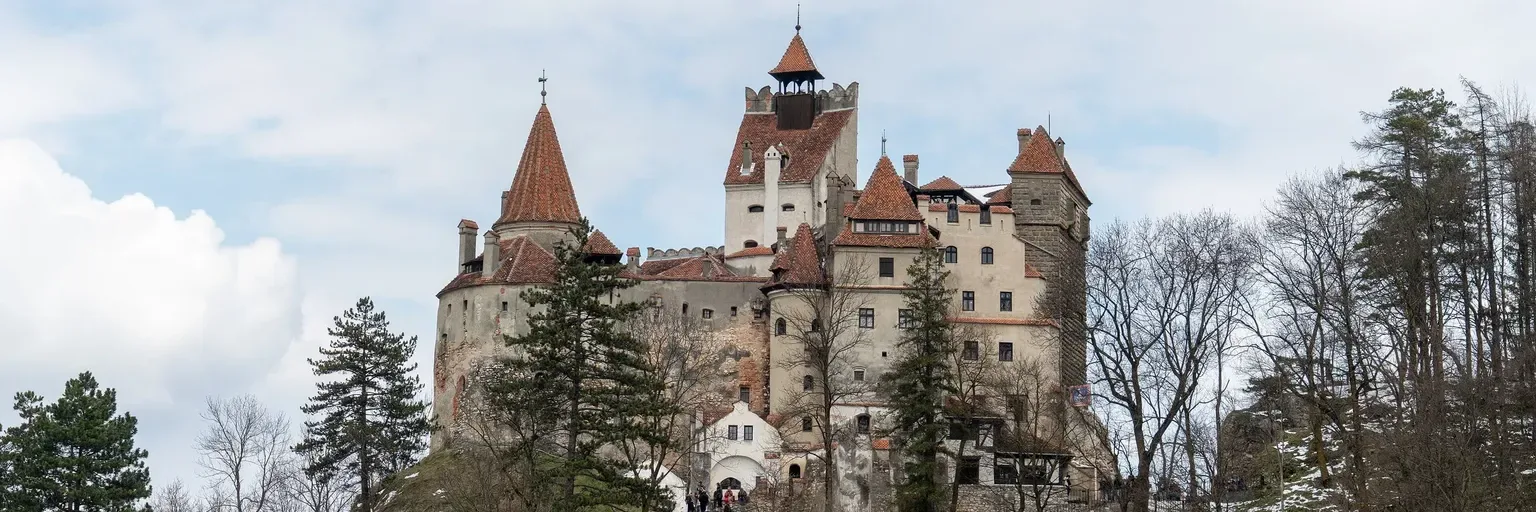
A planned €1 billion vampire park near Bucharest could put Romania on the map, but it only deserves a visit if it sends people on to Bran, Sighișoara and the villages.
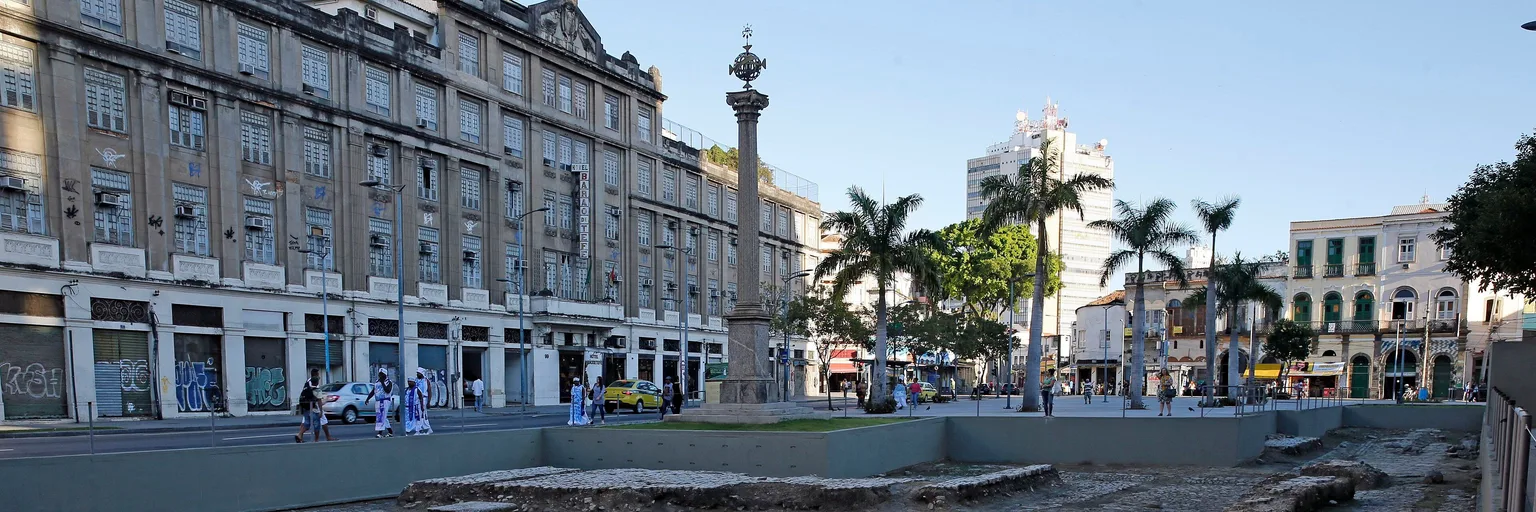
UNESCO added Rio's Valongo Wharf, a Salvador society and Serra da Barriga to its slavery memory network. The recognition only matters if travelers come and Brazil funds honest storytelling.
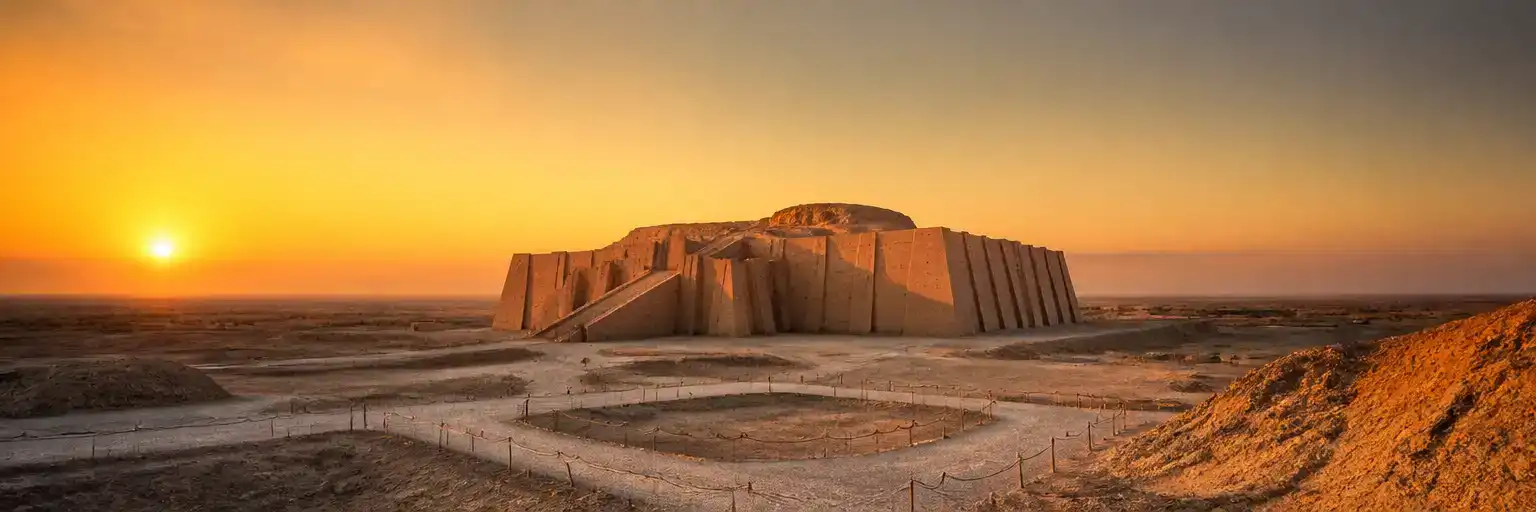
A Mesopotamian park near Baghdad is a rare chance to stand in the cradle of civilization, but it only counts as a destination once visitors get clear access and rules.
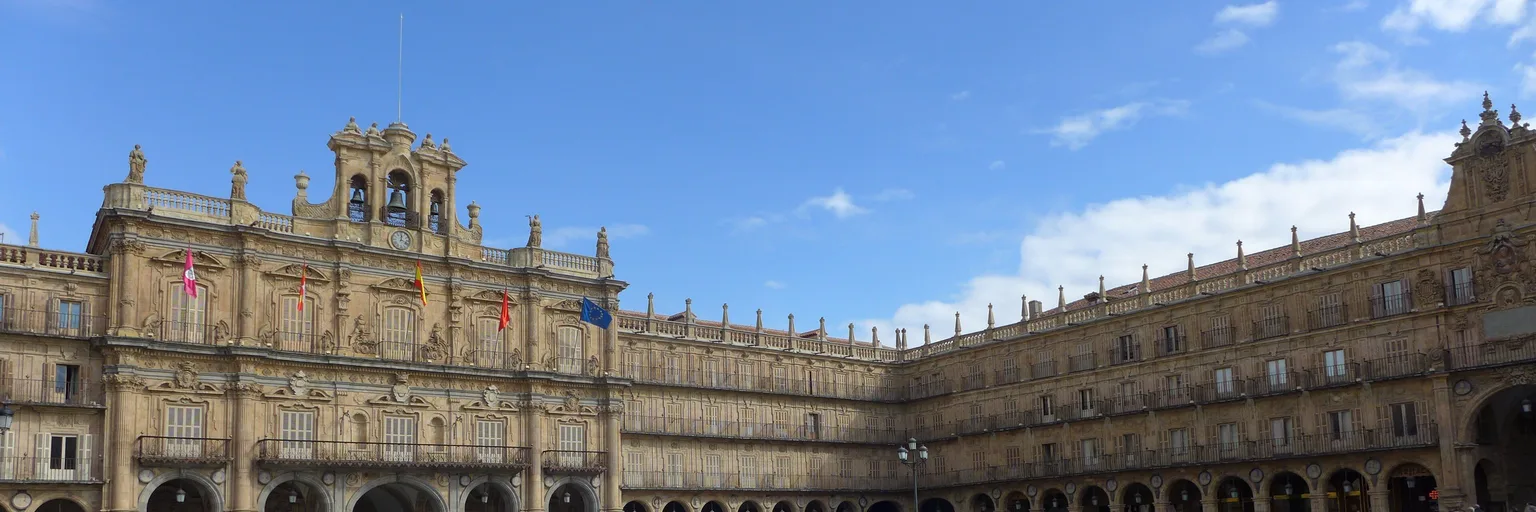
Unamuno called it Europe's most beautiful salon. Salamanca's golden baroque square rewards travelers who skip the capital, stay overnight and arrive when the crowds are gone.
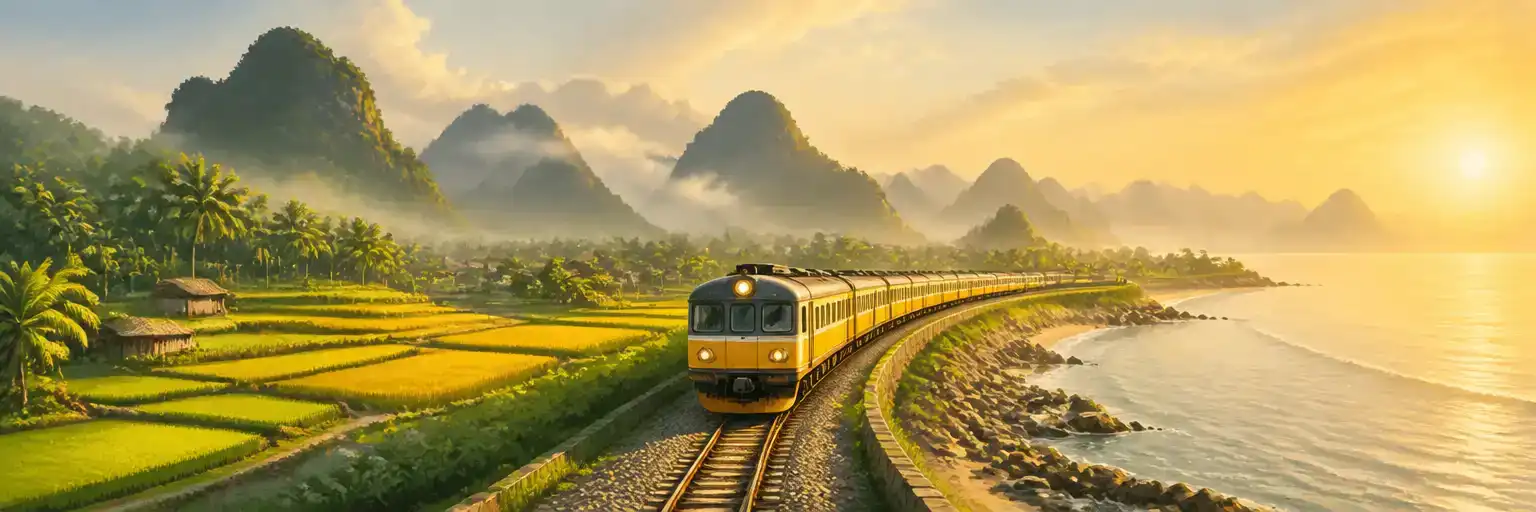
The new Hue–Phong Nha train makes the ride part of the trip. Its biggest risk isn't speed, it's turning a landscape into an onboard theme park.
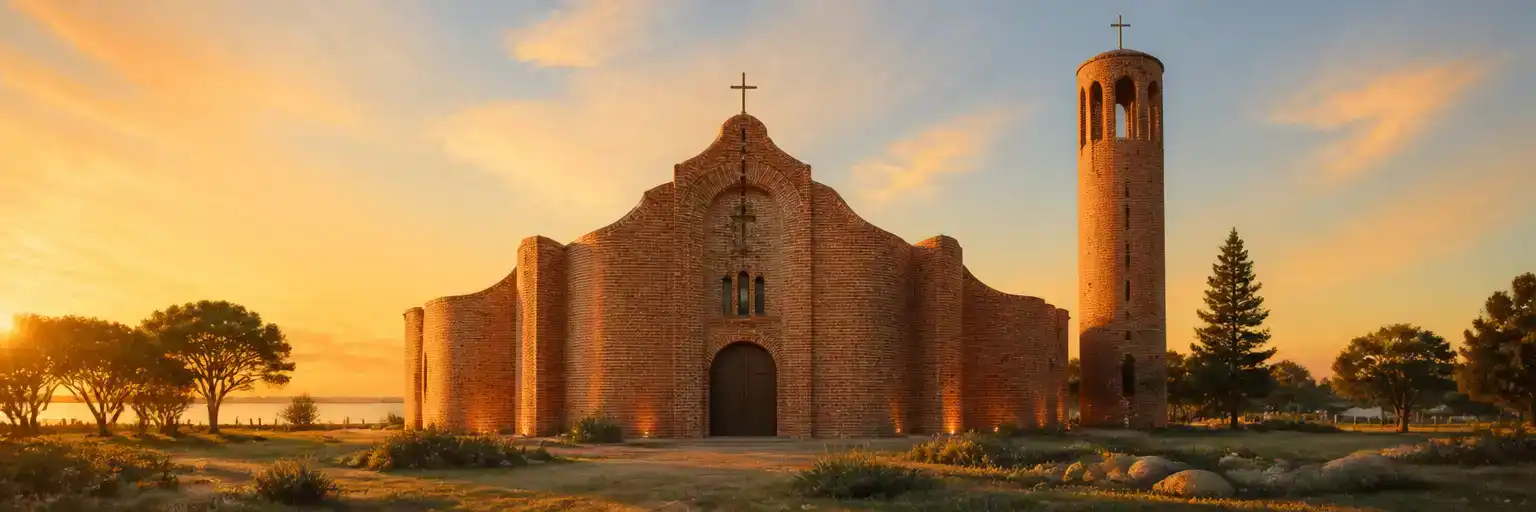
Eladio Dieste's Atlántida Church shows modern heritage can anchor a trip. Uruguay's challenge is to keep a fragile, quiet place from being loved to death.
A blaze at the Kehlsteinhaus shows how fragile and contested dark-heritage sites are. Go for the history, not the shock, and demand that Berchtesgaden is clear about it.

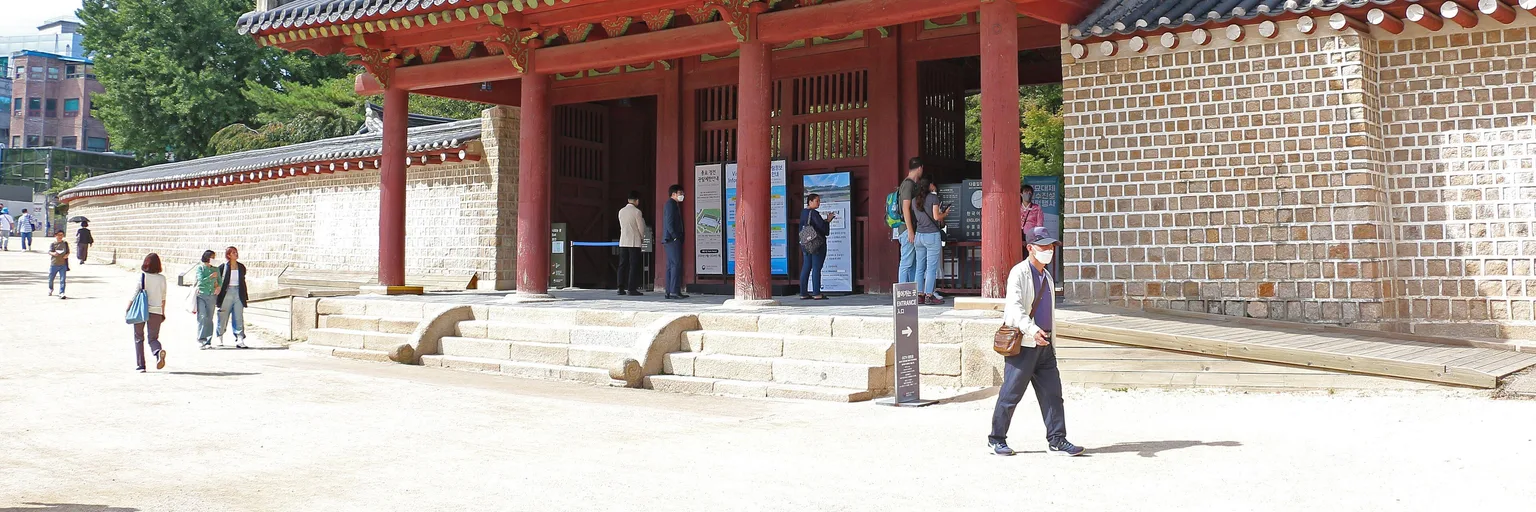
A 145-meter cap 180 meters from Jongmyo's gate shows that World Heritage status depends on a city's will to guard its sightlines. Travelers should notice, and Seoul should choose the shrine.
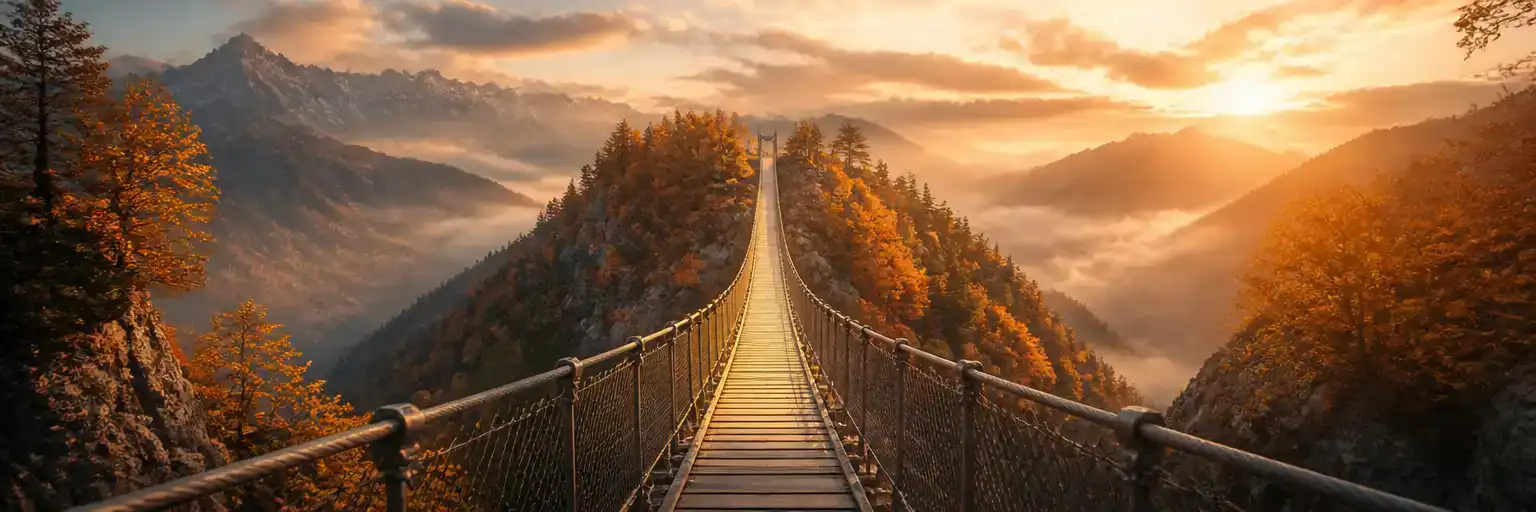
Suspended footbridges are the new tourism trophy. Ponte dei Minatori can be more than a record, but only if the miners, not the drop, are what visitors remember.
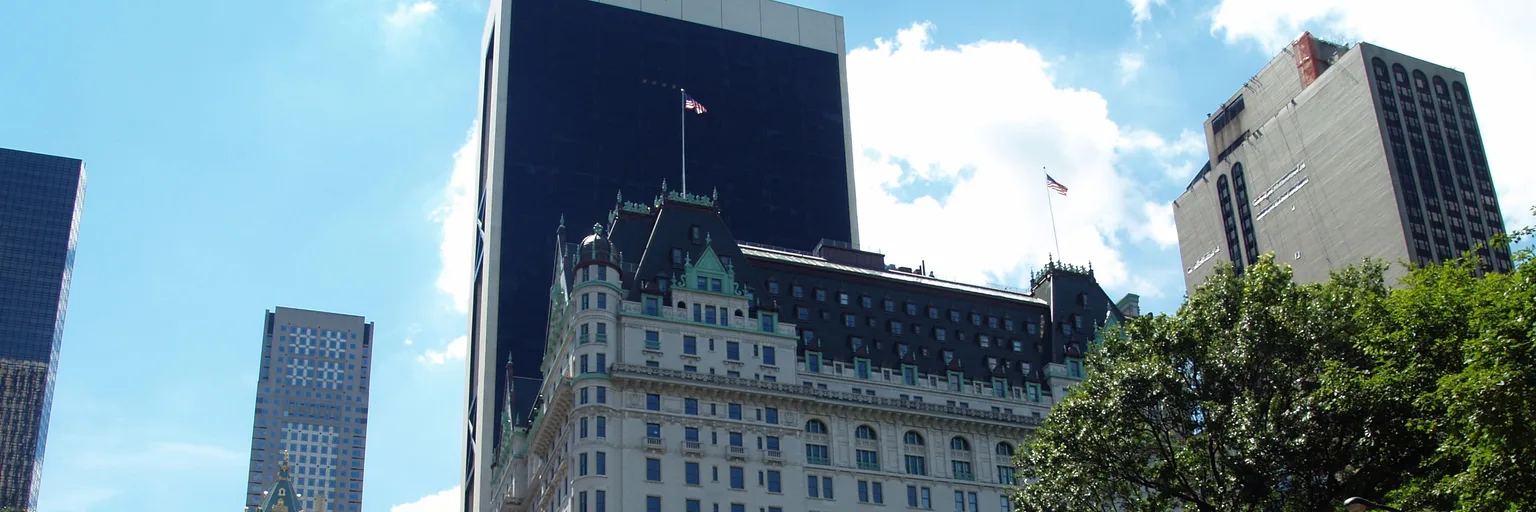
The Plaza’s long renovation is necessary preservation, but it also exposes a harder question: are landmark hotels still being restored for guests or for prestige?
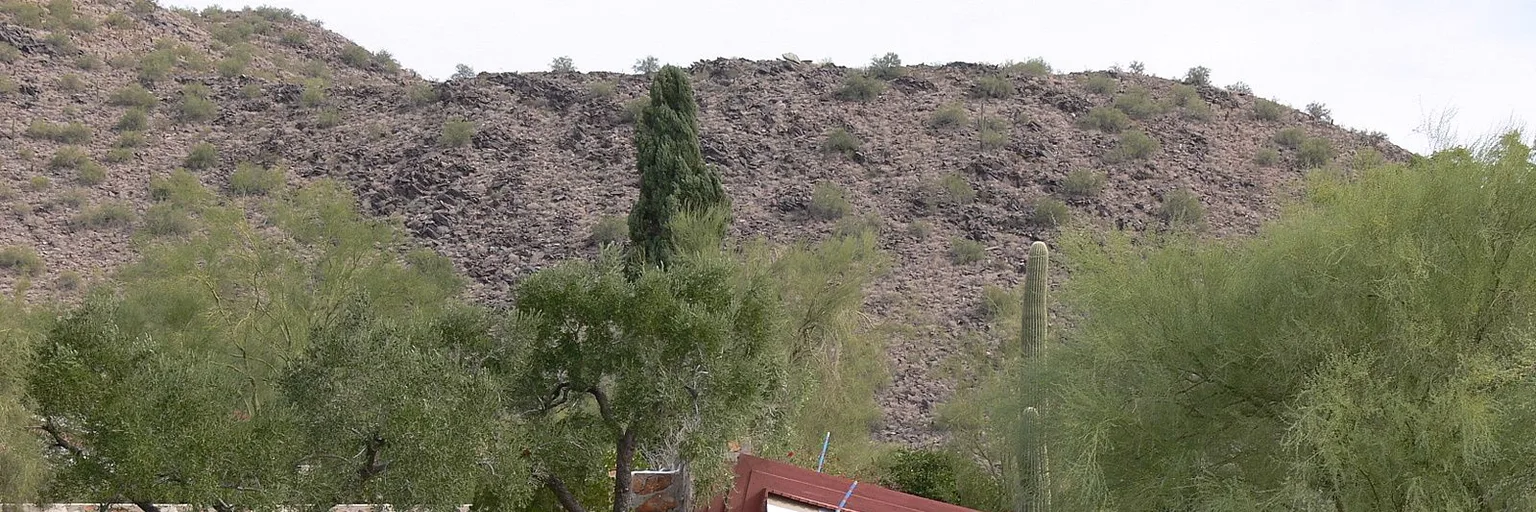
The death of a visitor at Frank Lloyd Wright’s desert masterpiece exposes a hard truth: preservation must include transparent, visible risk management.
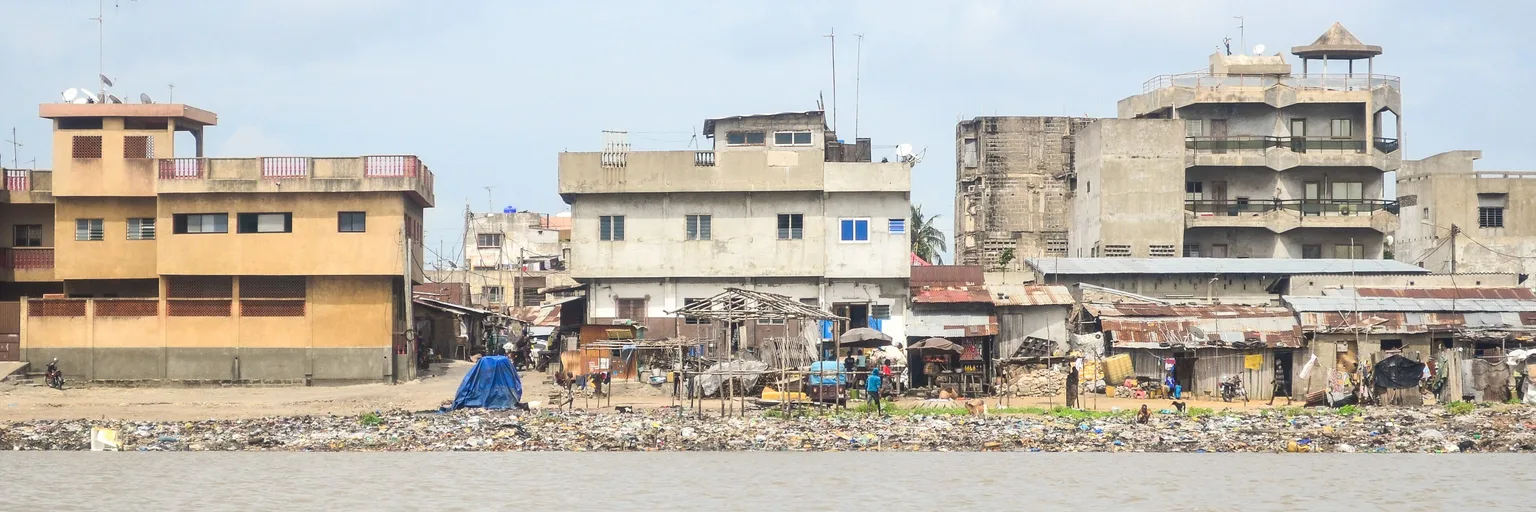
Benin can turn the 2027 Black Travel Summit into a meaningful bridge between Africa and its diaspora—if local communities shape the welcome.
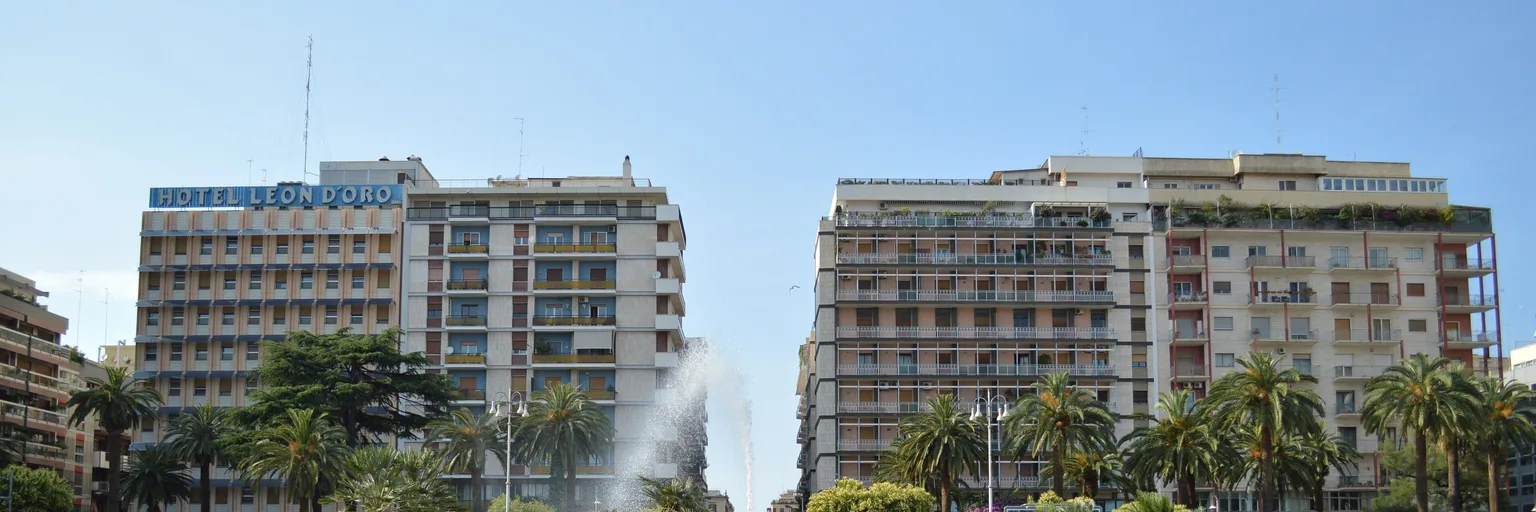
A burial found beneath Piazza Aldo Moro turns a routine station makeover into a test of whether Bari can make archaeology part of daily urban life.
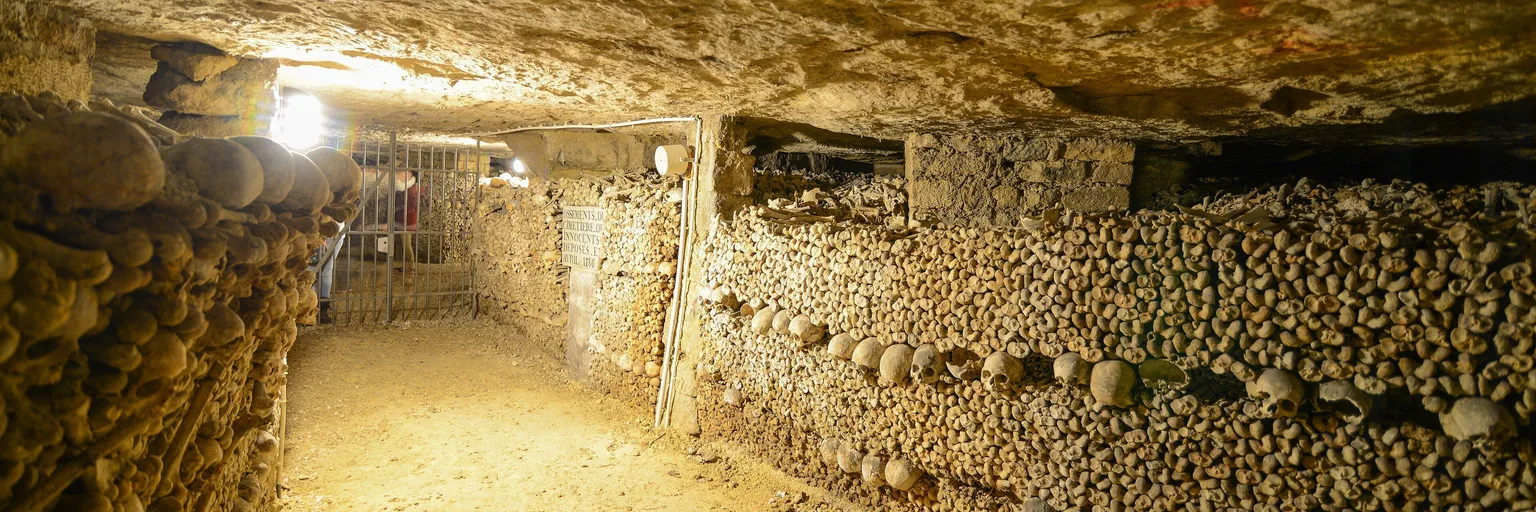
Paris is turning catacombs, cemeteries and superstition into a November itinerary. The draw is real, but the best visit should favor history over haunted-house theatrics.
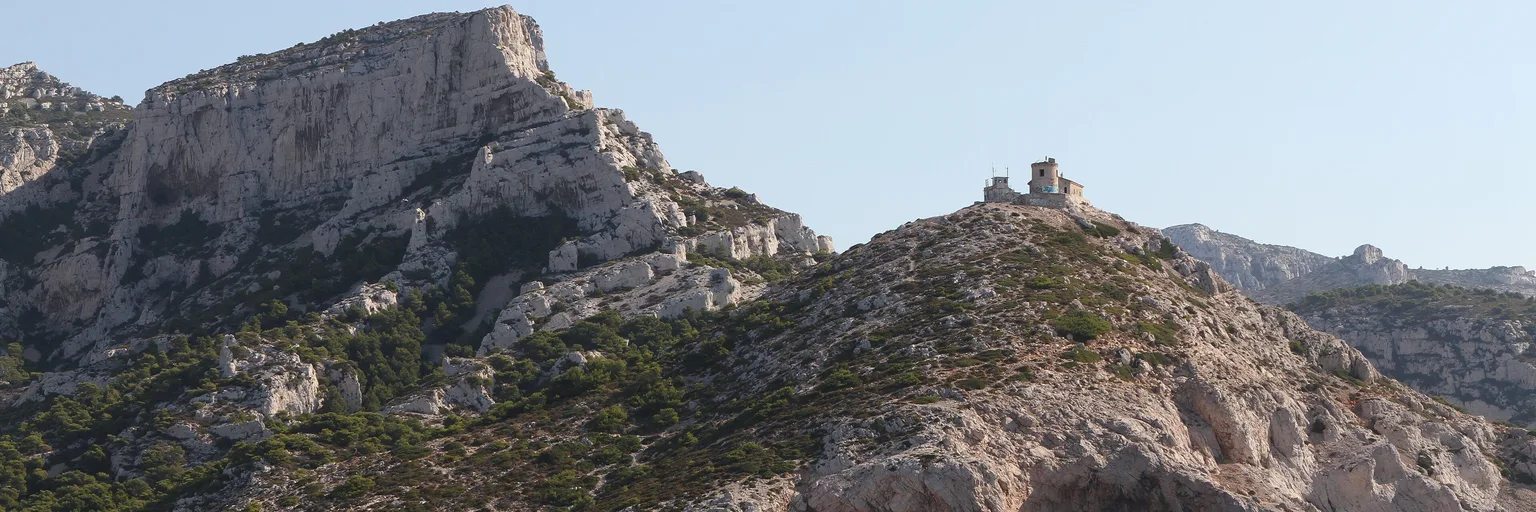
The restored semaphore above Marseille’s Calanques makes a case for limited, meaningful access: heritage can deepen a visit without creating another crowded hotspot.
The 2028 Beatles Story could bring longer, richer visits to Liverpool—but only if the band’s legacy leads travelers into the city rather than replacing it.
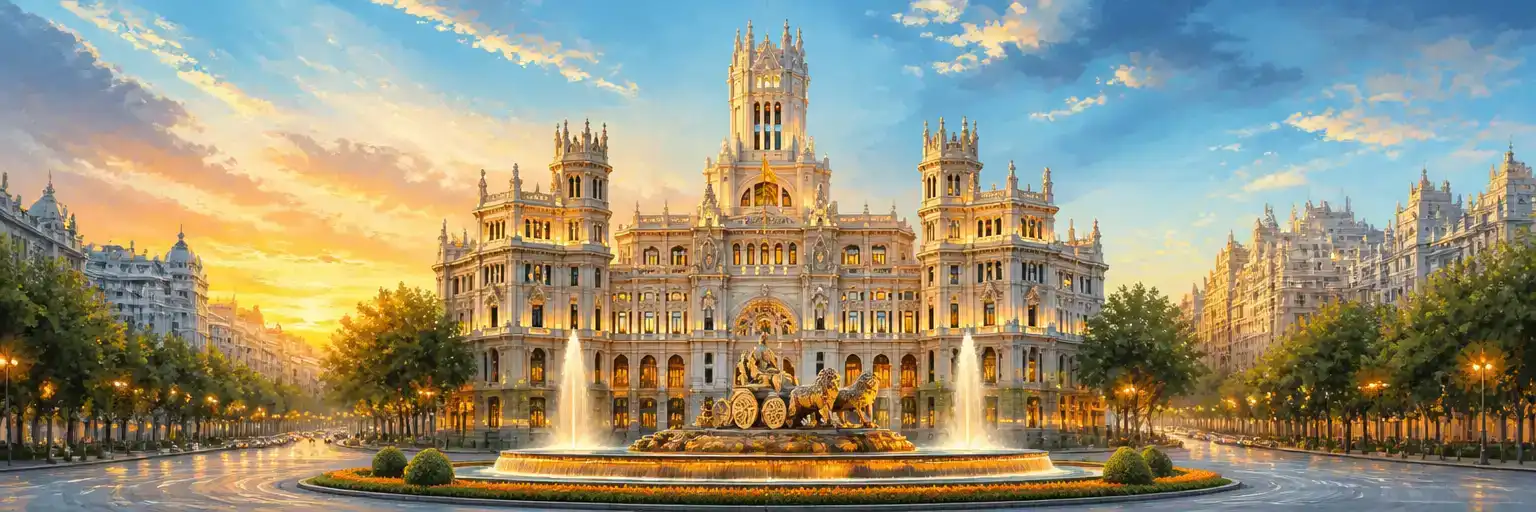
The decision to film his latest movie in Madrid, coupled with the director's effusive praise for the city, is a deliberate strategy to elevate the capital's global appeal and attract a new wave of visitors.
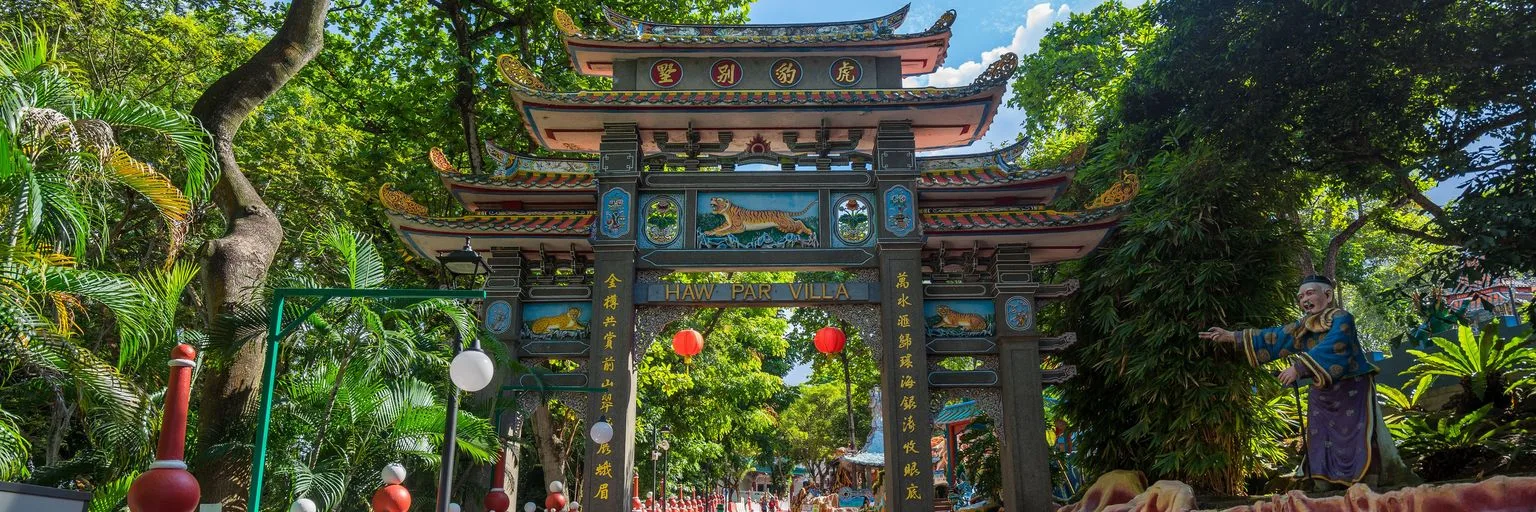
Singapore's Haw Par Villa, with its vivid, sometimes gruesome, depictions of Chinese mythology and morality, offers a profound alternative to conventional theme parks, urging travelers to seek out deeper, more thought-provoking cultural experiences.
Japan's leap to the top of the Travel & Tourism Development Index signals a paradigm shift in global tourism, blending deep cultural richness with strategic visitor experiences to set a new benchmark.
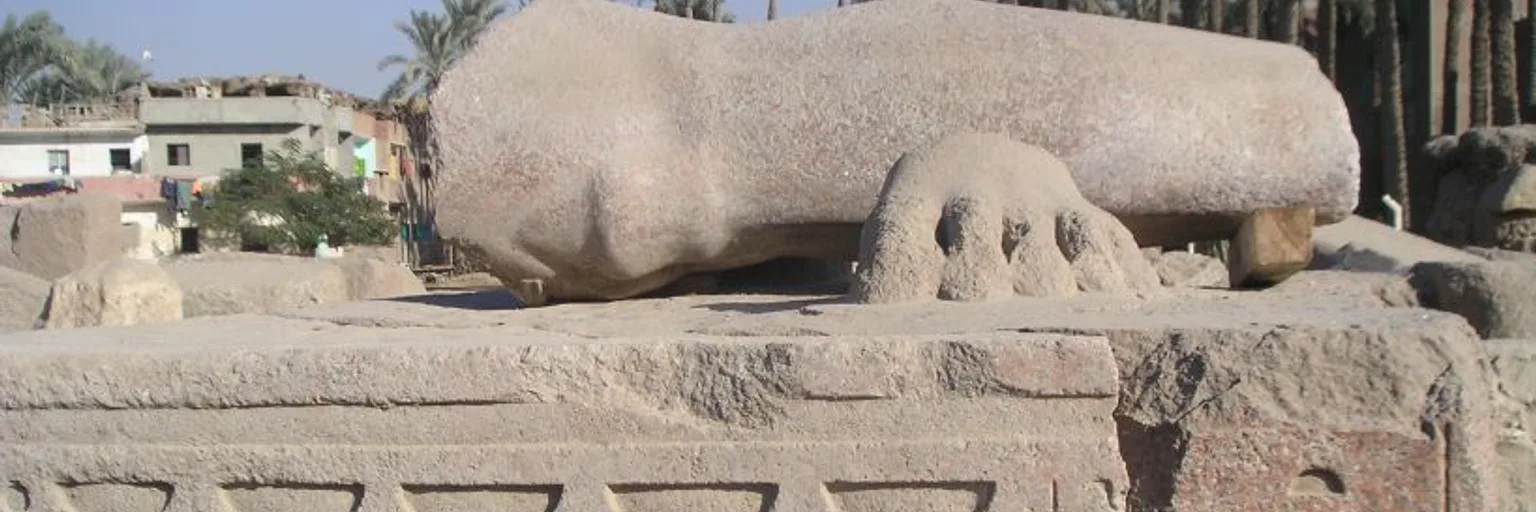
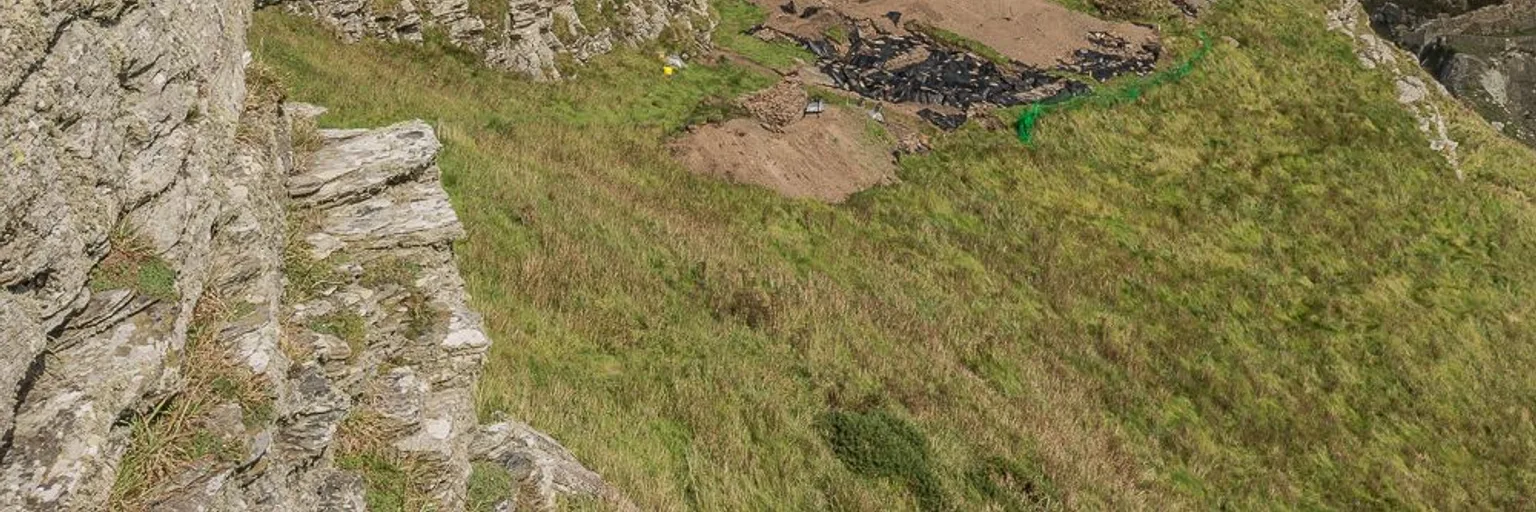
Recent discoveries of colossal Ramses II statues, sparked by a citizen's keen eye, are not just archaeological triumphs but potent invitations to rediscover Egypt's enduring heritage and the profound narratives within its sands.
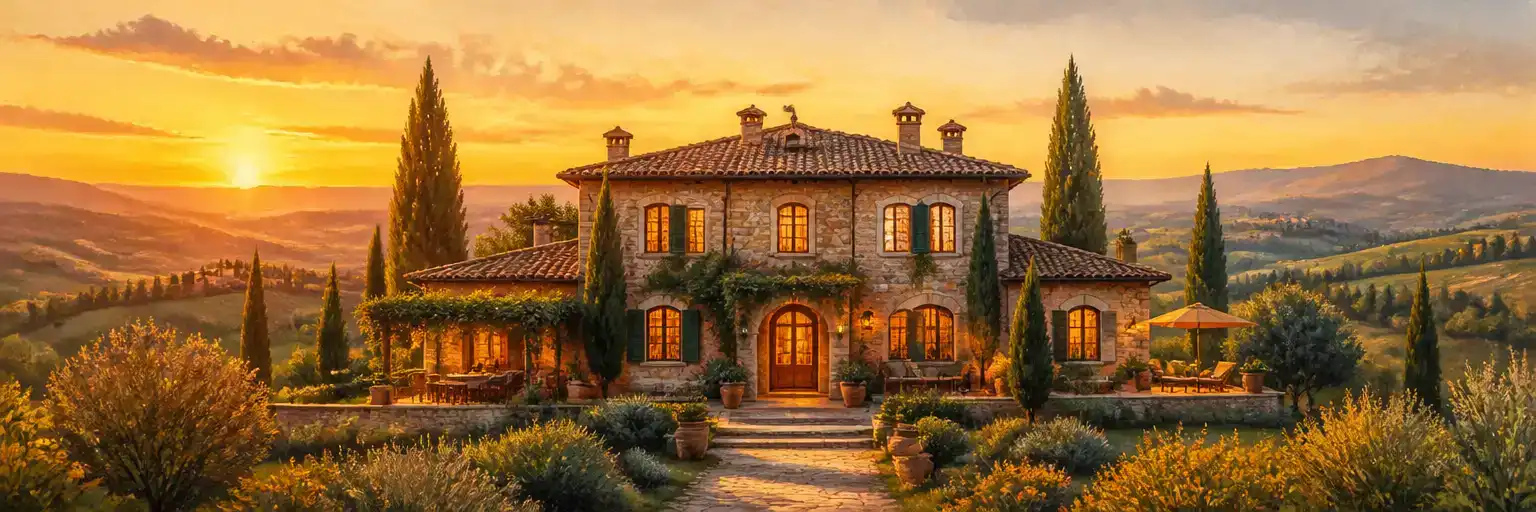
John Grisham's recent purchase of a historic villa in Cortona underscores Italy's consistent appeal for high-profile individuals seeking a unique blend of cultural richness, scenic beauty, and an unparalleled lifestyle.
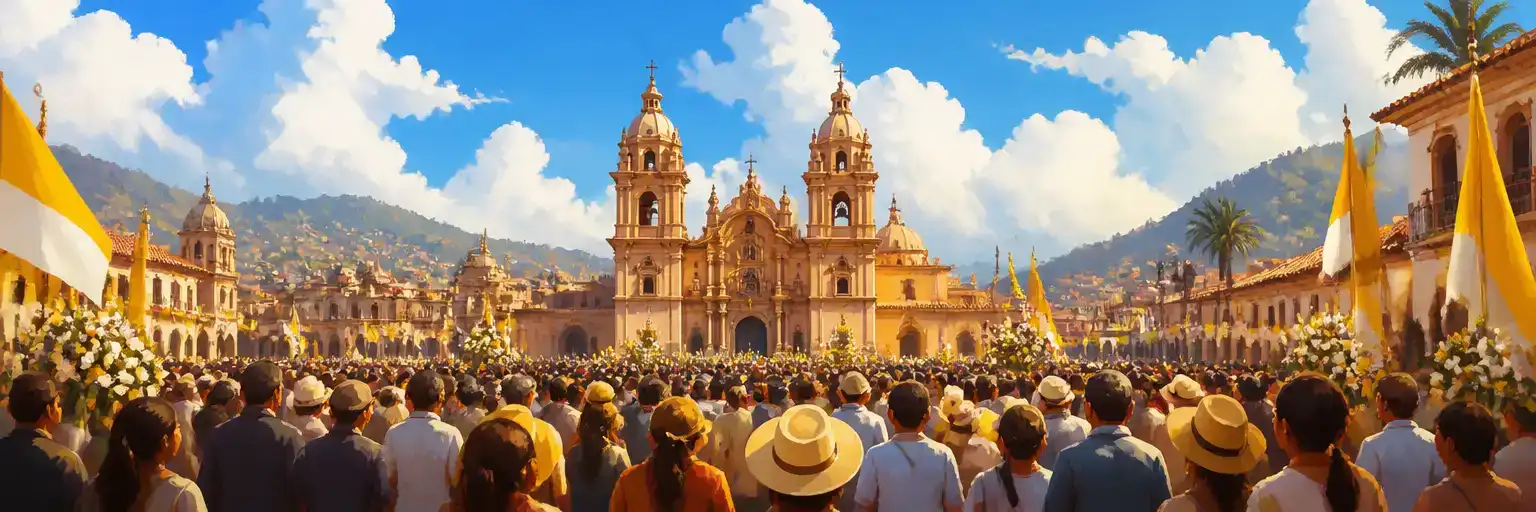
Pope Leo XIV's extensive apostolic journey to Uruguay, Argentina, and Peru is set to be a powerful catalyst for cultural and religious tourism, showcasing the vibrant heritage and deep faith of the region.
International Archaeology Day serves as a critical reminder that our ancient past offers the most profound and sustainable pathways for future global tourism, demanding responsible engagement and unwavering preservation.
Hanoi's unique blend of deep history and vibrant contemporary life truly shines in autumn, offering travelers an immersive escape without the peak season's intense crowds or weather extremes.
The growing movement towards regenerative tourism champions the crucial insight that without preserving local territory and culture, there will soon be nothing left for visitors to experience.
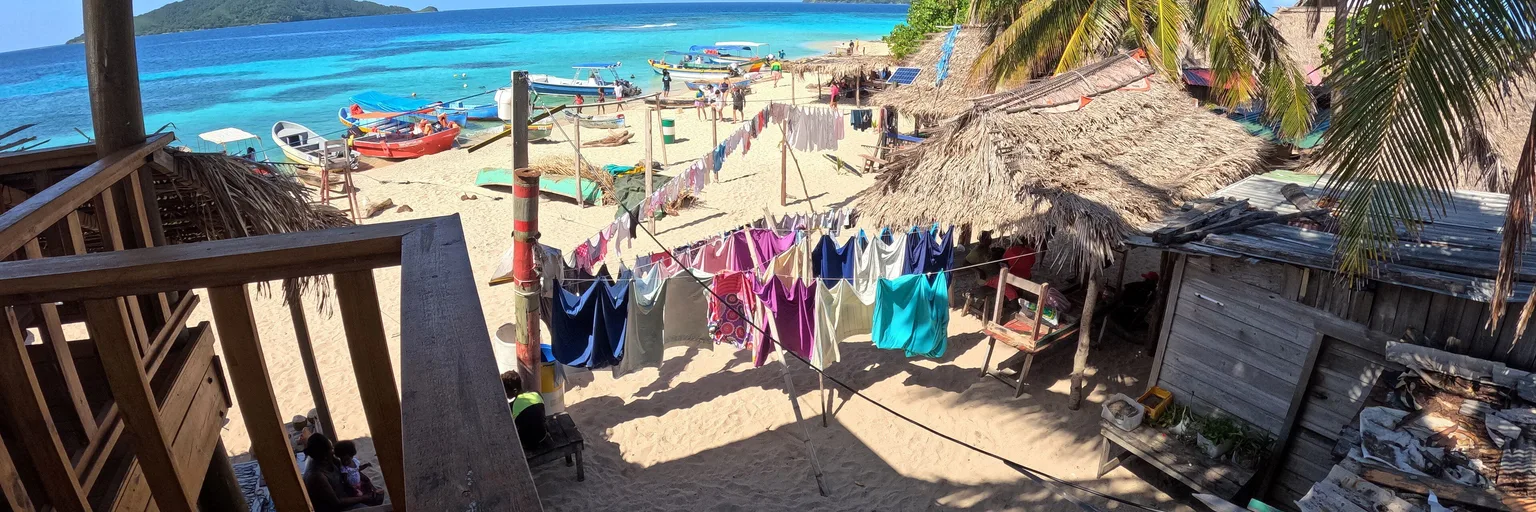
For those seeking the quintessential Caribbean escape without the usual tourist throngs, Cayos Cochinos in Honduras offers an unparalleled blend of pristine natural beauty, vibrant Garifuna culture, and tranquil exploration.
The travel landscape for those over 65 is shifting dramatically, embracing cultural immersion, active exploration, and personalized journeys far beyond traditional relaxation.
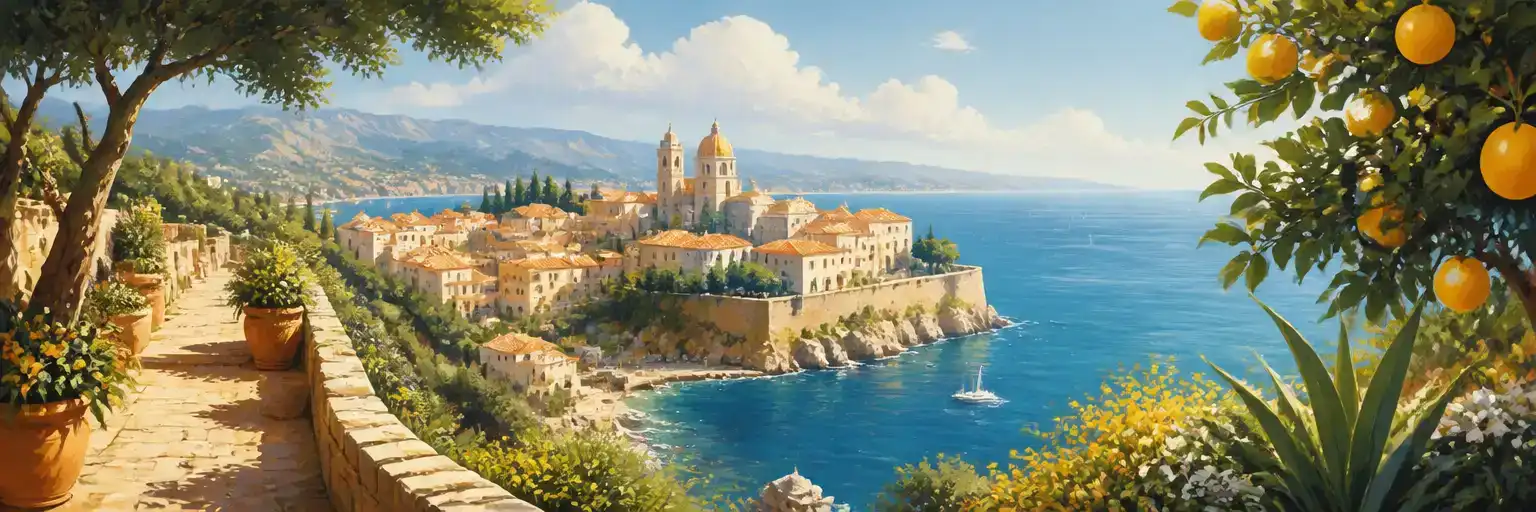
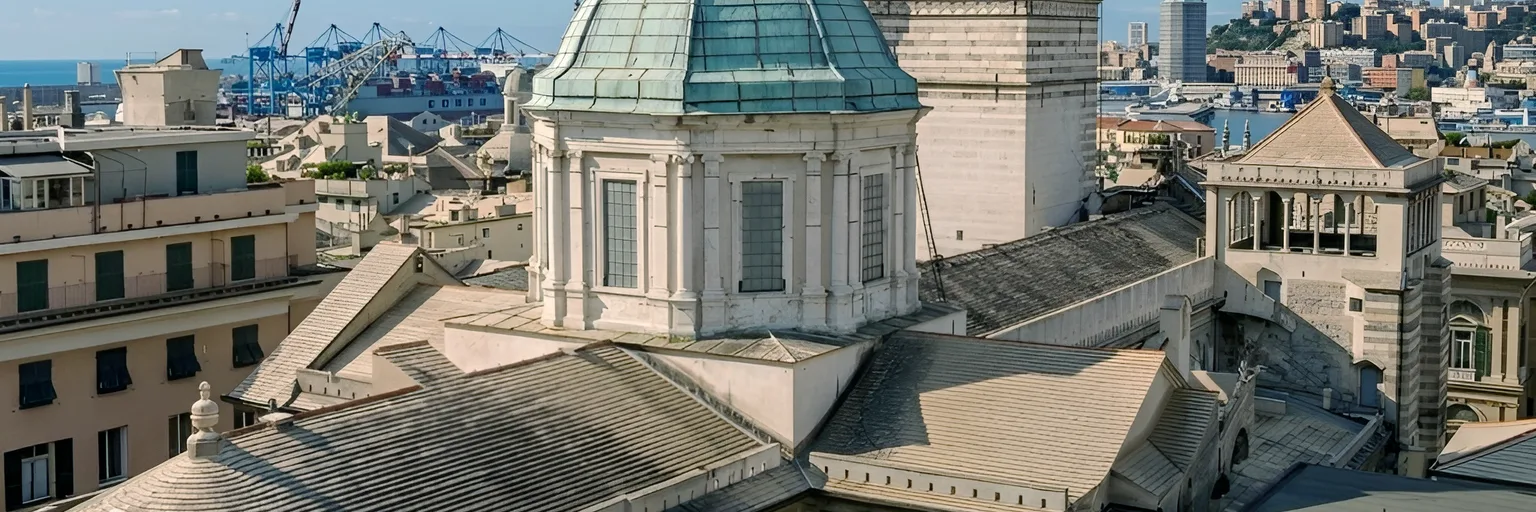
For travelers seeking an authentic Italian experience away from the throngs, Genoa is emerging as the compelling choice, blending historic grandeur with a vibrant, modern spirit.
As Spain consolidates its lead as the world's most walkable country, its pedestrian-friendly cities offer a compelling vision for sustainable urban exploration, demonstrating clear benefits for travelers and residents alike.
While often synonymous with luxury resorts and pristine shores, Mauritius offers a vibrant tapestry of culture and nature that discerning travelers should prioritize.