Ghost trips sell a story, but only real history makes them worth taking
Paranormal travel is booming because trips crave a plot. The ones worth your money lean on a place's genuine past, not on a spooky hotel with a good publicist.
AI-generated image
Would you pay extra to sleep in a room where nothing has ever happened, as long as the brochure says it's haunted? Plenty of travelers apparently would, and that is exactly where the booming "paranormal travel" trend gets interesting, and a little risky.
The numbers behind it come from France, where linternaute reports on a Booking.com study: half of French travelers want an adrenaline rush on vacation, a figure that climbs to 82% among Gen Z. Already 9% have traveled to live a paranormal experience or see a ghost, and another 17% are considering it. Haunted hotels, night walks through cemeteries, gothic escapes in the footsteps of Dracula or Frankenstein: that is the menu.
The ghost is the hook, the story is the product
Why now? We think the answer is less about ghosts than about narrative. A trip to a pretty town is a nice weekend. A trip to a town with a legend is a story you can tell afterward. Paranormal travel hands the traveler a plot before they even pack, and that is a powerful thing in a world where every beach and old quarter has already been photographed a million times.
The same linternaute report hints at something deeper than fun. It says 36% of French people are interested in an experience in the hope of communicating with a deceased loved one, even though only 11% of travelers would actually try a séance. Whatever you believe about spirits, that gap tells us the appetite is partly emotional. People are not only looking for a scare; some are looking for meaning. Treating that as a mere theme-park opportunity feels to us like a misreading of the customer.
A gimmick is a one-night stand; history is a relationship
Here is our bet: the ghost trips that last are the ones built on something that actually happened. Look at what the strongest examples in linternaute's roundup have in common. The Celtic feast of Samain, which linternaute presents as the ancient root of Halloween, gives Ireland's Spirits of Meath festival near Athboy a legitimate reason to exist, with torchlit processions and open-air horror screenings layered on top of a real tradition. In Austria, "Seleenwoche," the All Souls' Week running October 30 to November 8, honors the departed. In Otranto, in Apulia, the cathedral holds more than 800 skulls of people beheaded during a 15th-century Turkish invasion, and families visit cemeteries for the religious feast of Tutti i Santi.
None of that needs a fog machine. It needs a good guide and some respect. By contrast, a hotel that merely adds cobwebs and a "haunted" label offers nothing once the novelty fades, and nothing worth returning for. Even rankings point this way: one list from nomadlawyer.org puts Transylvania at the top of 47 spooky destinations for 2026, ahead of Salem and Derry, and frames it as a shift toward gothic folklore and immersive autumn travel. Folklore, in other words, not decoration. (Rankings like this are editorial opinions, and we would not treat any of them as gospel.)
Derry is a useful reminder that the formula can scale without losing its soul. Linternaute notes that USA Today named it the world's best Halloween destination, and that it hosts what is described as Europe's biggest Halloween street carnival along the Foyle and Morne rivers. Whether that is still "paranormal" is debatable, but it is rooted in a real city celebrating a real tradition.
How to do it well, and what to check first
Our advice is simple. Choose the place first and the ghost second. If you can't find out why a site is supposed to be haunted, who lived there and what happened, be suspicious. In France, linternaute points to Brocéliande forest for its legendary phantoms and to the Périgord's Château de Puymartin, said to harbor the ghost of Thérèse Saint-Clar. In our view, a castle with a named ghost and a story you can trace is a much better bet than a generic "scary night" package.
Book early, too: linternaute warns that October 31 evenings fill up fast. And mind the news. This Halloween falls on a Saturday amid protests in France, and BFMTV reports that curfews have been reinstated for Halloween night in some places, including Nice and parts of Paris such as Les Halles and République. If you are traveling this weekend, check local rules before planning a night walk.
Our verdict
Paranormal travel is not a fad to sneer at; it is a smart repackaging of something travelers have always loved, which is old places with stories. The risk is that the industry mistakes the wrapping for the gift. Go for the cemetery, the castle, the festival with centuries behind it. Skip the room whose only credential is a sign on the door. If a ghost shows up, consider it a bonus. If the history is good, you won't miss it.
No topics yet: start the first one.
More stories
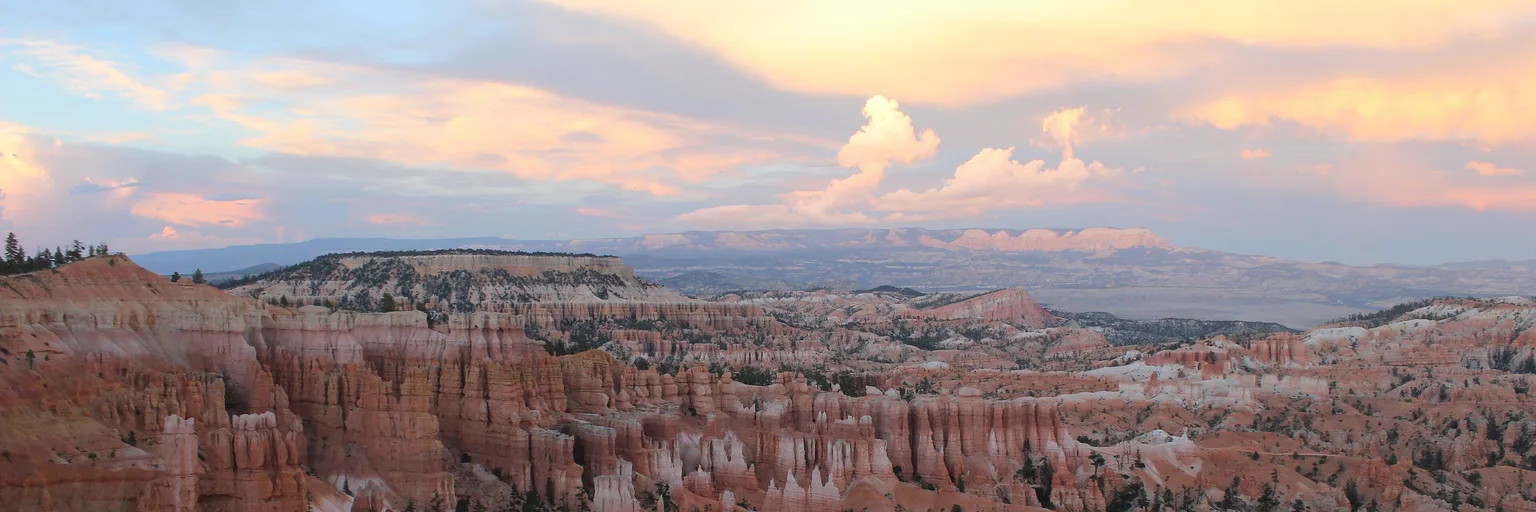
Bryce Canyon’s Moon Walk Proves Darkness Belongs in the Day Plan
Bryce Canyon’s ranger-led full-moon hike offers a smarter tourism model: use existing landscapes after sunset, but let safety and darkness set the rules.
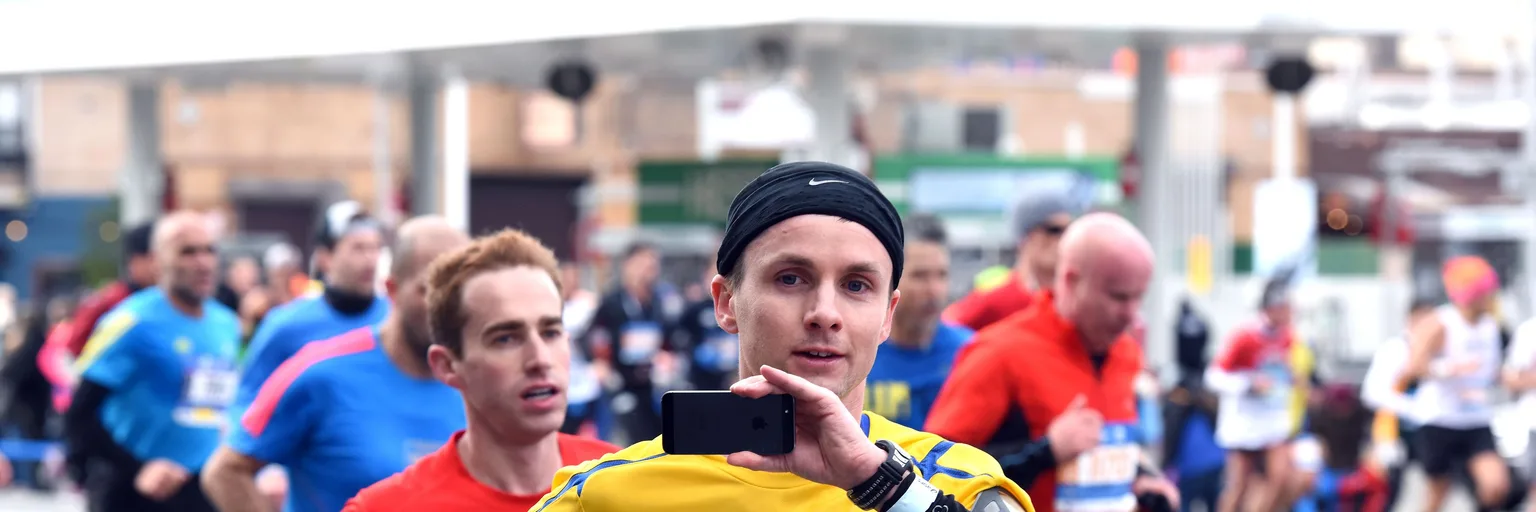
New York’s 50th Marathon Is Bigger Than the Finish Line
The 2026 race turns New York into a vast spectator destination, rewarding visitors who spread out across the boroughs instead of crowding Central Park.
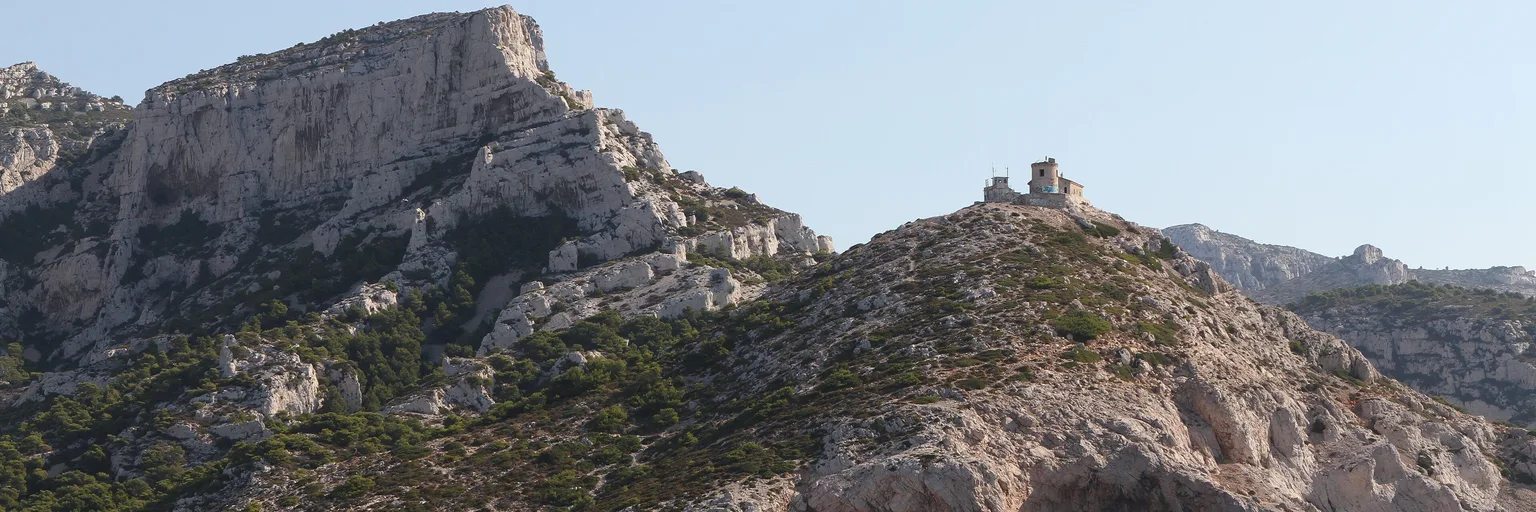
Callelongue’s Semaphore Shows Marseille a Better Way to Welcome Visitors
The restored semaphore above Marseille’s Calanques makes a case for limited, meaningful access: heritage can deepen a visit without creating another crowded hotspot.
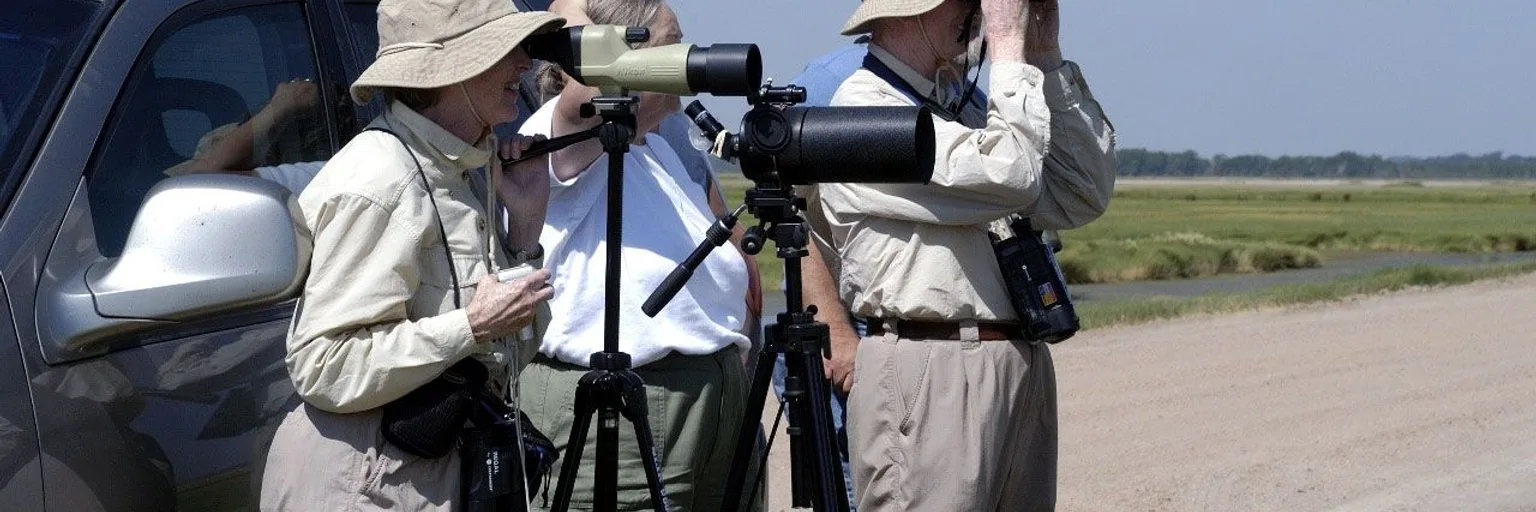
Birdwatching Is the Smarter Way to Travel With a Purpose
Bird-focused trips turn a fleeting natural moment into a reason to explore rural destinations—provided tourism protects the habitats that make the journey worthwhile.