Okefenokee's UNESCO badge is a promise, and the swamp needs a plan
World Heritage status is drawing more visitors to Georgia's black-water swamp. The smart move is to decide how many it can take before the crowds arrive.
Photo: sgharvey@ymail.com / Wikimedia Commons (CC BY 2.0)
What happens to a place built on stillness when the whole world is told to come and see it? Okefenokee is finding out. The question is whether anyone has done the math first.
The facts are simple. The Okefenokee National Wildlife Refuge was named a UNESCO World Heritage site this summer. As The Brunswick News reports, the designation is already netting the refuge more visitors. It is Georgia's first World Heritage site and, according to the Clinch County News, just the 27th in the nation.
The forecasts are generous, and the other side of the ledger is blank
The numbers circulating are the kind that make county commissioners smile. A 2024 study, cited in Sen. Ossoff's statement, says designation could double visitation at the Okefenokee Swamp Park, create about 750 long-term jobs and deliver $60 million in annual economic impact. Those are projections, not results. They are also the economic half of the ledger.
We have found no matching estimate in the material we reviewed for the ecological half. That is the part that worries us. A forecast of doubled visitors needs an equivalent figure for how many boats a canal can carry or how many people a trail can take. Without that figure, "success" can only be measured in arrivals.
The swamp is the product, and it is easy to break
One description of the refuge, from GPB, says it all. Boating a canal there is like "gliding on black glass," with coffee-colored water mirroring the sky, broken by the bubbling of fish, the surfacing of alligators or the wake of a boat. That last detail matters. The experience is quiet and reflective, and in our view it depends on very few other people being in the frame.
Other destinations have learned that the draw is the first thing a crowd erodes. Once a place feels busy, the people who loved it for being unhurried stop coming, or stop enjoying it. We think Okefenokee sits closer to that risk than most big-name sites, because its whole pitch is solitude on still water.
Plan the ceiling now, while it is still free
The partnership behind the World Heritage bid is a plus. It pairs the U.S. Fish and Wildlife Service, which manages the refuge, with Okefenokee Swamp Park, a private nonprofit partner. We think two partners who already know the place can agree on limits more easily than a patchwork of private businesses can.
Here is what we would argue for, as opinion and not as anything announced:
- Set visitor caps before the peak. Daily or per-trail limits are far easier to introduce while visitation is rising than after people feel entitled to unlimited access.
- Spread demand. Surrounding communities such as Lakeland and Lanier County are among those that could gain from the new tourism opportunity. Steering travelers toward gateway towns, rather than a single entrance, would help both the economy and the swamp.
- Treat revenue as a tool. If the $60 million figure holds even partly, some of it should fund monitoring, staff and protection. Not all of it should go to marketing.
- Publish the metrics. Tell visitors and neighbors what counts as too much, and what happens when it is reached.
Our verdict
If you are planning a trip, go, and go thoughtfully. Consider a guided or small-group paddle, avoid peak weekends where you can, and stay in a nearby town instead of rushing in for a photo. Check the refuge's official channels for current access and rules, because we haven't seen specifics on those.
For the people in charge, the verdict is blunter. A World Heritage listing is a brand, and brands attract demand faster than infrastructure can absorb it. Okefenokee has a rare chance to design its limits before the pressure arrives. We would take that chance, because a swamp that has been loved too hard stops being worth the trip.
No topics yet: start the first one.
More stories
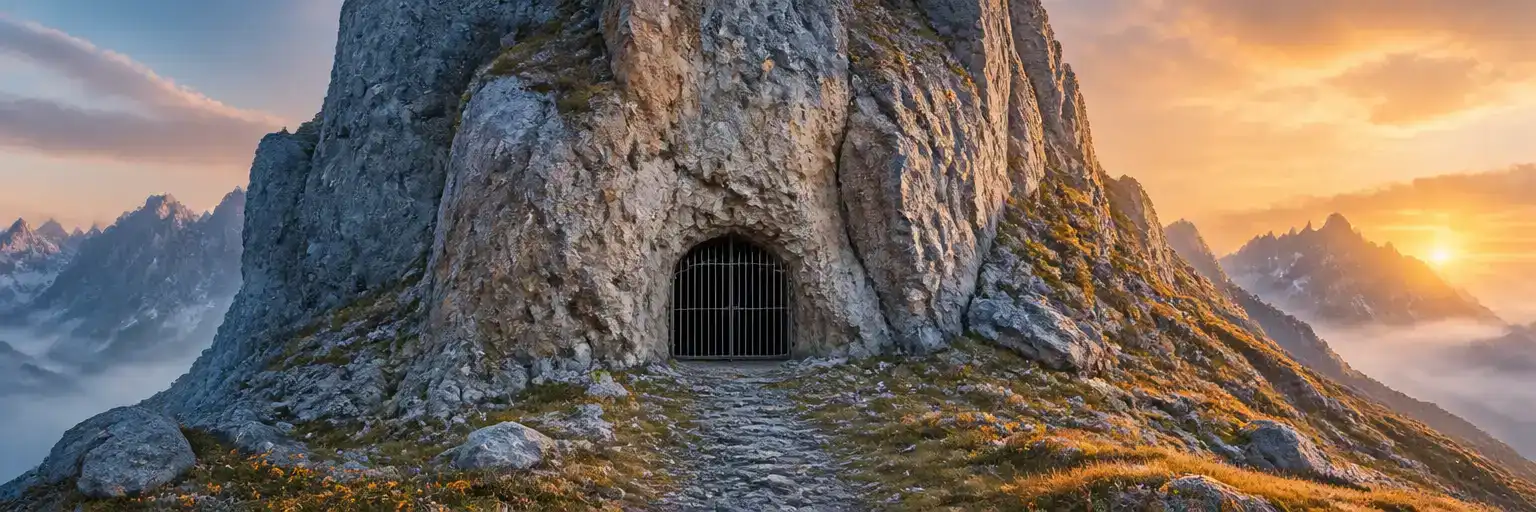
The Dolomites' cave bear grotto deserves a gate, not a selfie spot
A high-altitude cave full of prehistoric bear skeletons is a wonder. The best way to love it is to keep the crowds out and let science, and eventually a museum, tell the story.
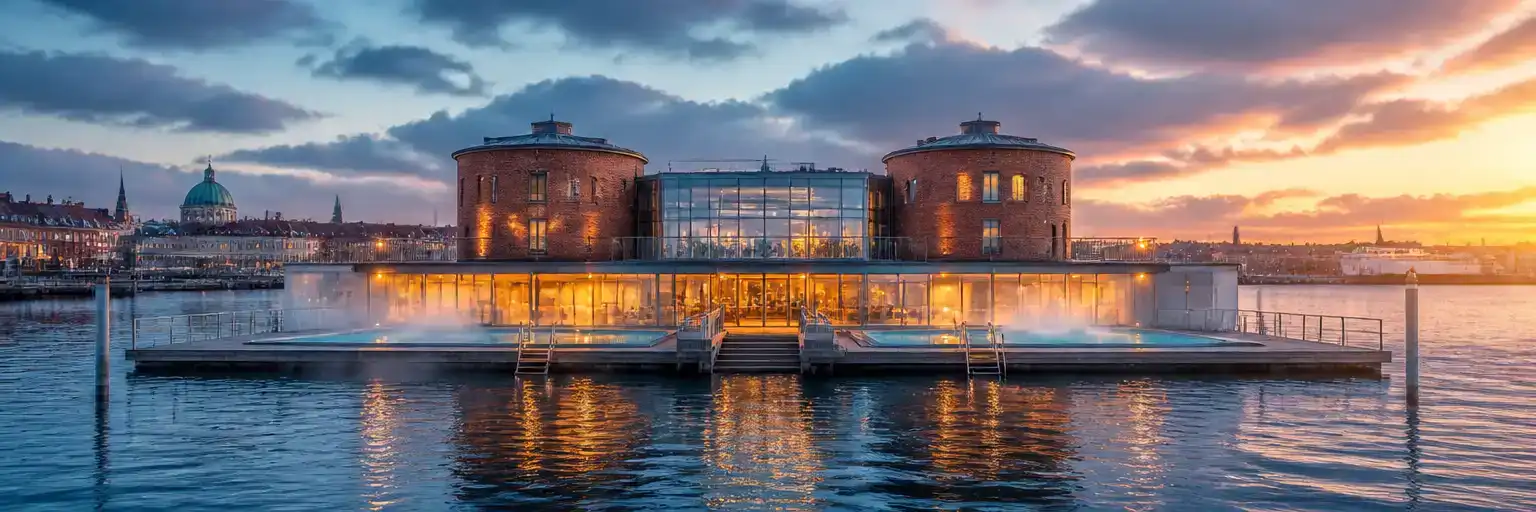
Copenhagen's Kai bathhouse shows a public pool can beat any monument
Kai, opening December 5 on Paper Island, gives Copenhagen a winter reason to visit without another monument. Its secret weapon: it's a public pool, not a private spa.
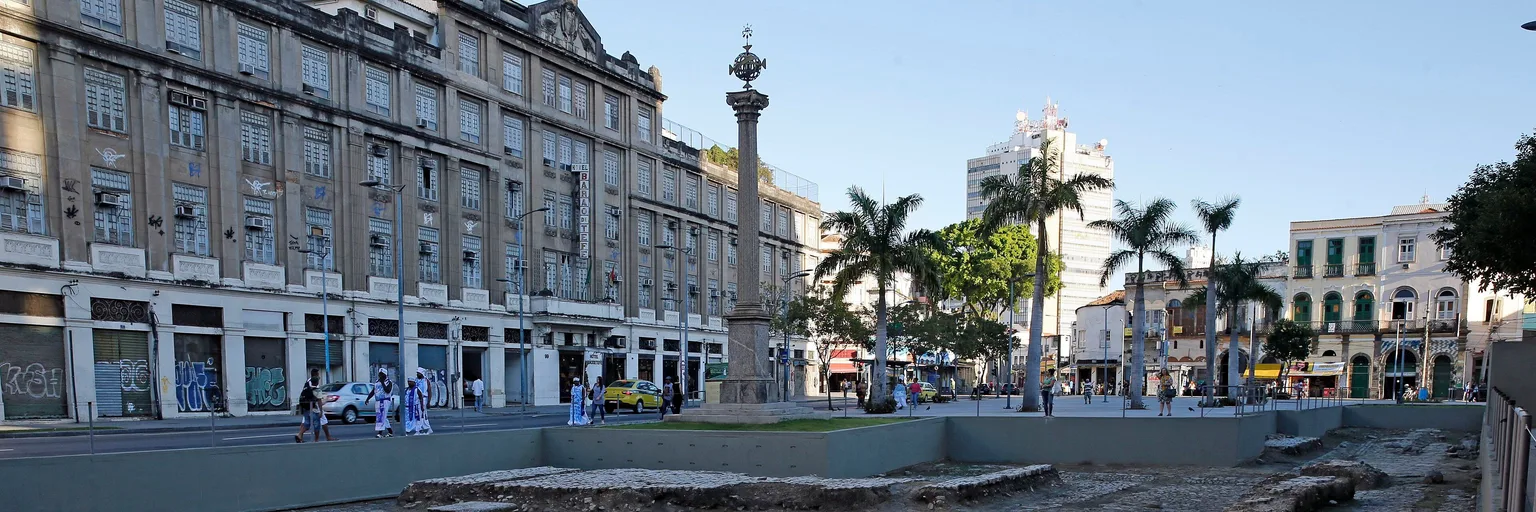
Brazil's slavery memory sites deserve visitors, not just plaques
UNESCO added Rio's Valongo Wharf, a Salvador society and Serra da Barriga to its slavery memory network. The recognition only matters if travelers come and Brazil funds honest storytelling.
Rome's best sight right now is free: Borromini's Sant'Ivo is back
Sant'Ivo alla Sapienza reopened on October 27 with free weekday-morning entry. We think it shows that Rome's best moments often hide beyond the Colosseum line.