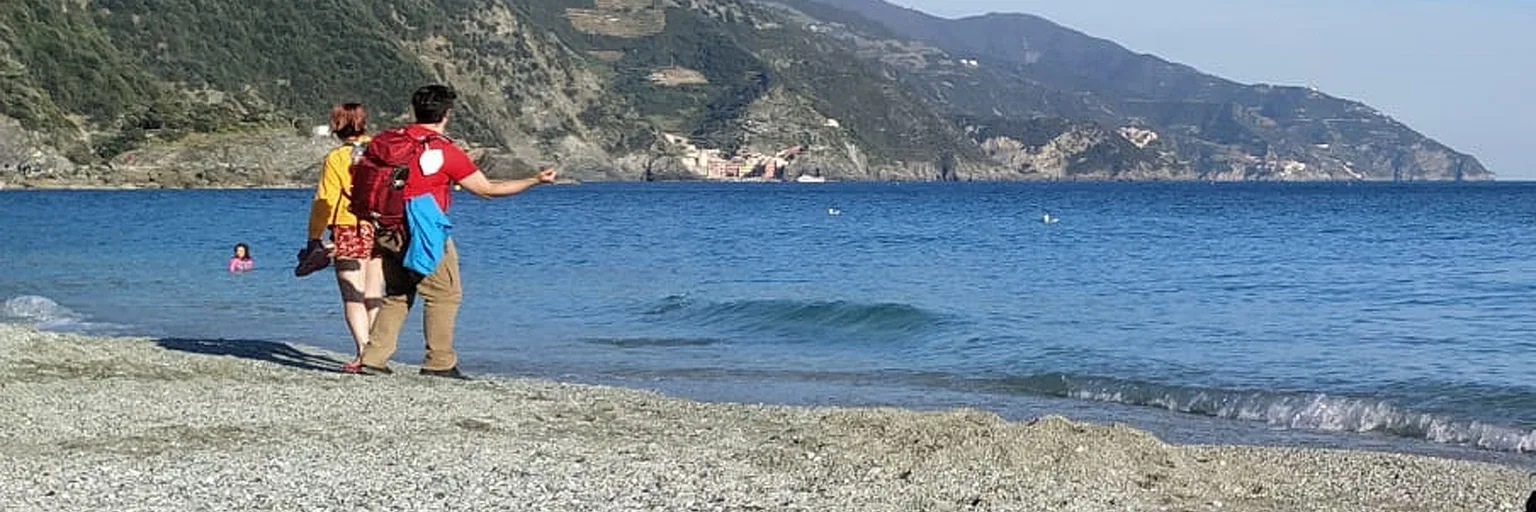
Venice's day-trip fee could double, and that's fine if it's honest
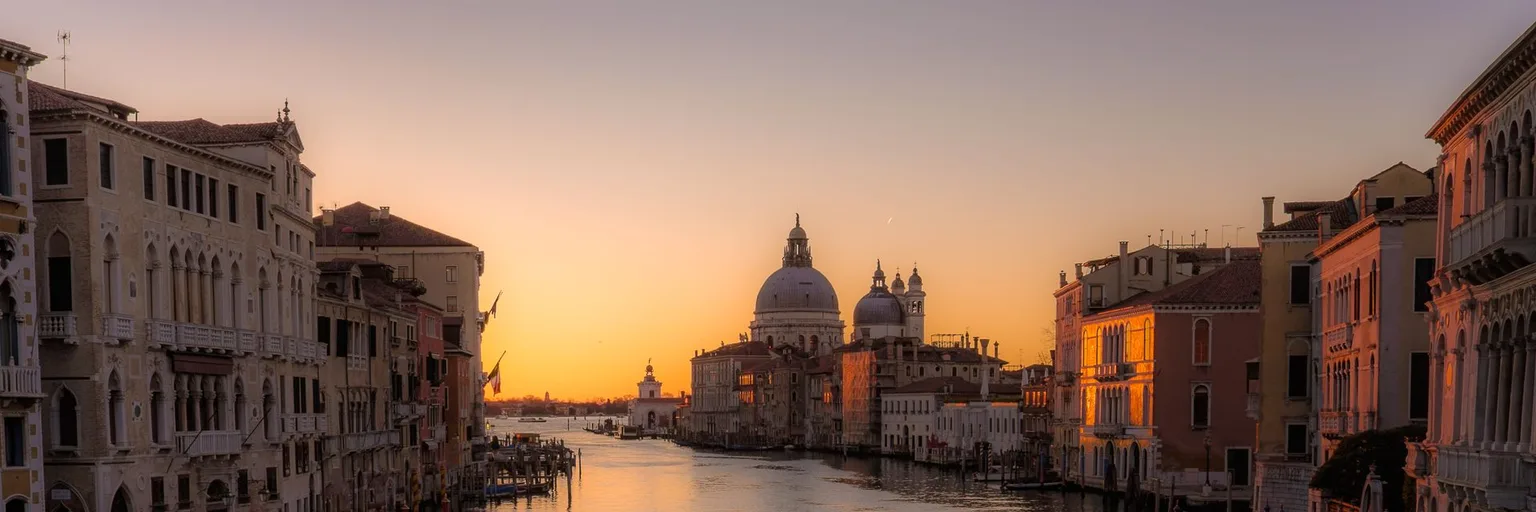
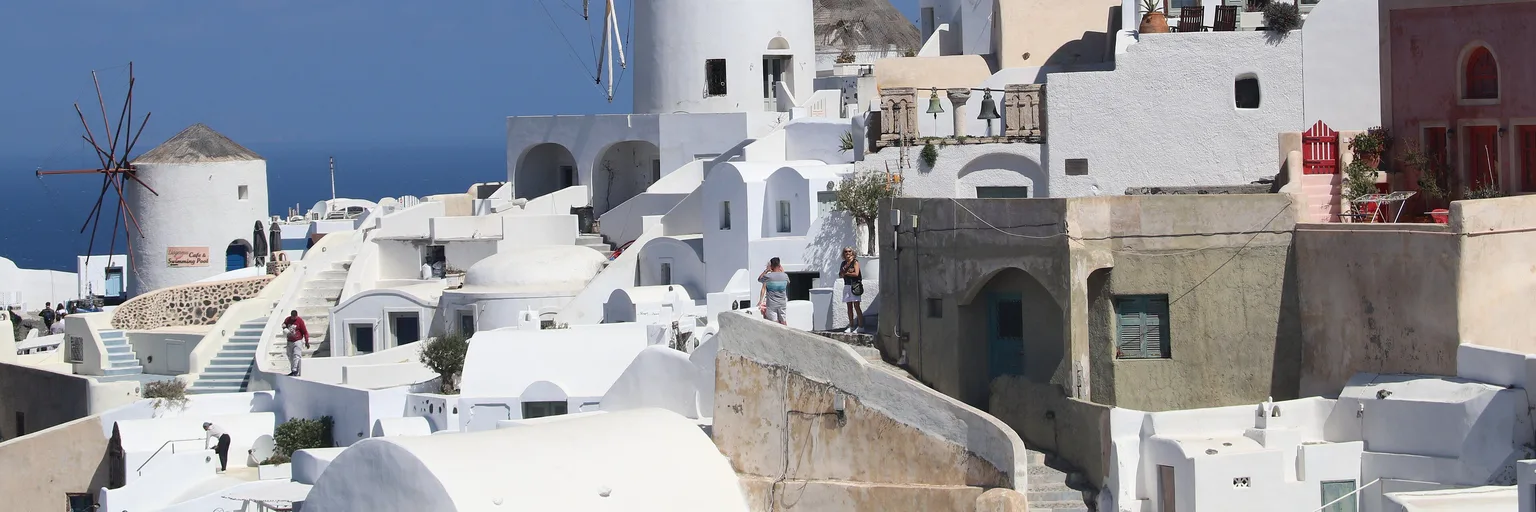
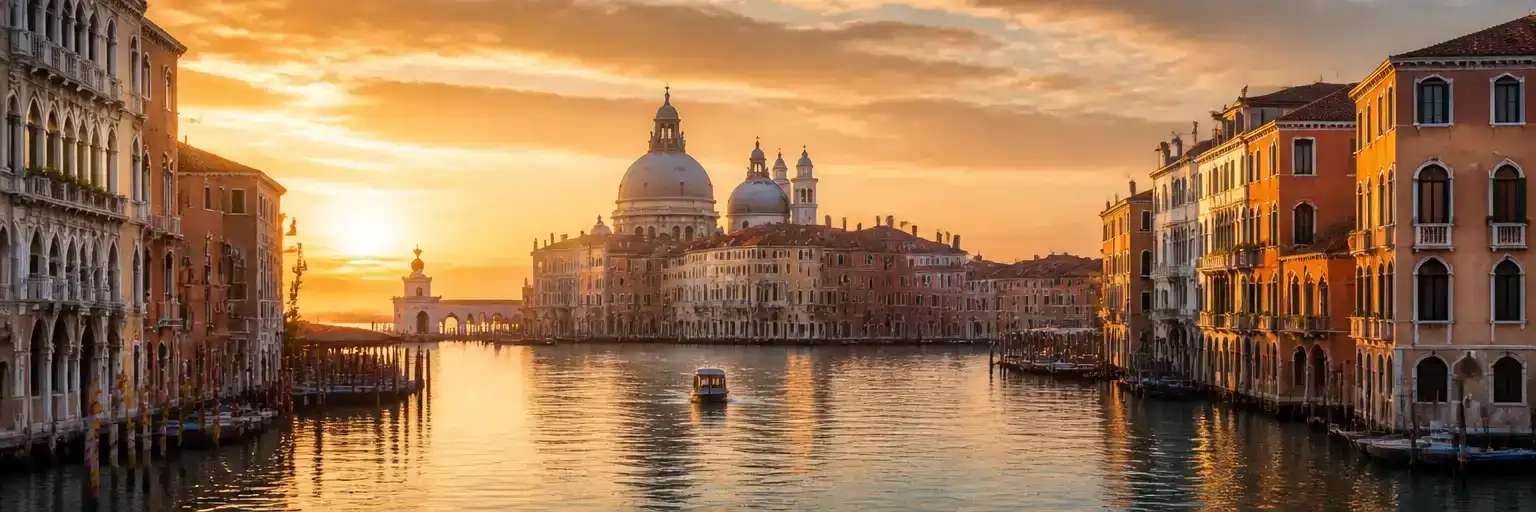
A possible €20 cap for Venice's 2027 access fee isn't the scandal it sounds like. It works only if it is predictable, aimed at peak days and visibly spent on the city.
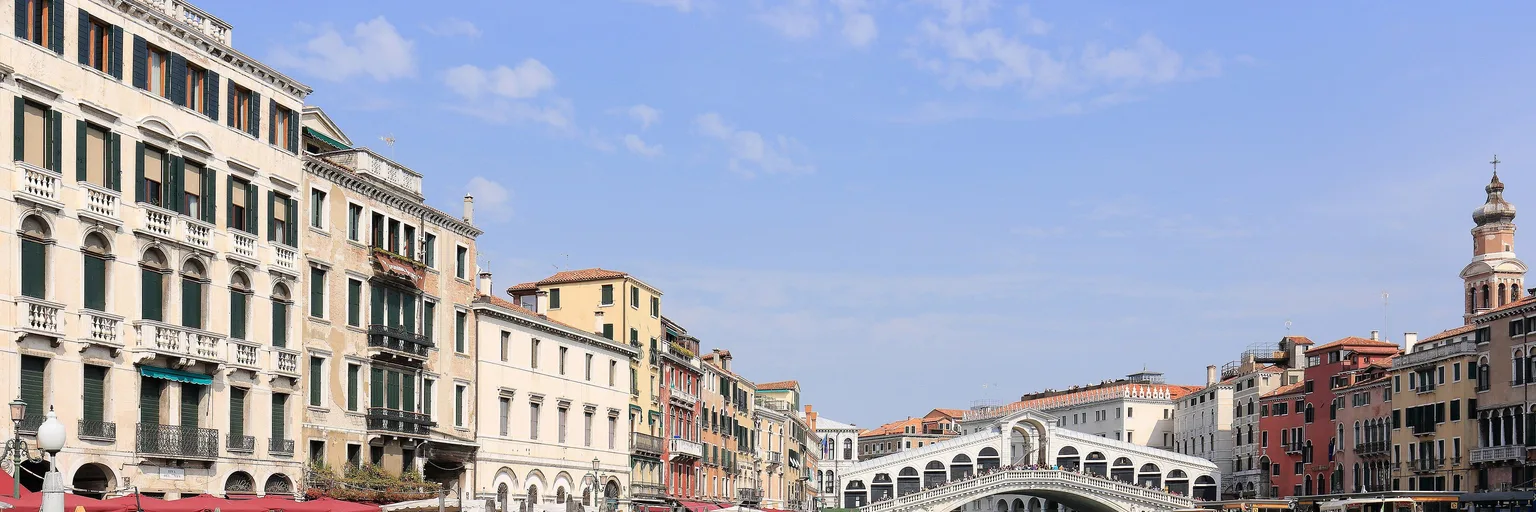
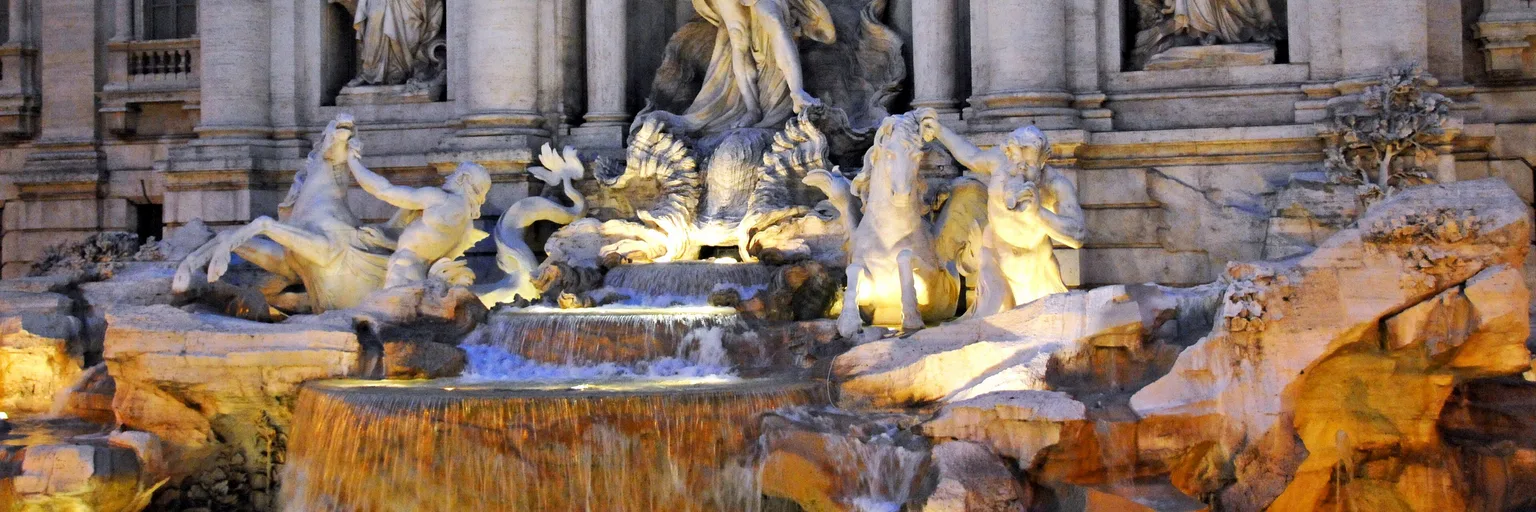
Rome's new fee for Trevi's inner basin looks like a smart crowd tool. Fewer coins for charity suggest it can also cost the ritual itself, so the city owes visitors proof.
The 2026 Art Biennale closed with 714,015 visitors despite controversy. That's a win for culture, and a reason to use it to ease pressure on Venice.
Venice raises its top overnight tax to 9.50 euros. The move only works if the money visibly funds the city and the day-trippers who crowd it carry their share.
Ask Maps is now rolling out in Germany. It looks great for logistics, but letting an AI choose where you go risks sending everyone to the same crowded spots.
Amalfi and Edinburgh in "avoid" headlines make for great clicks. The smarter reading is to change your season, base and pace, not to cross the places off.
Headlines about "no travel" lists for 2027 look like crowd-pressure warnings, not danger alerts. Read them as a guide to timing and neighborhoods, not a reason to cancel.
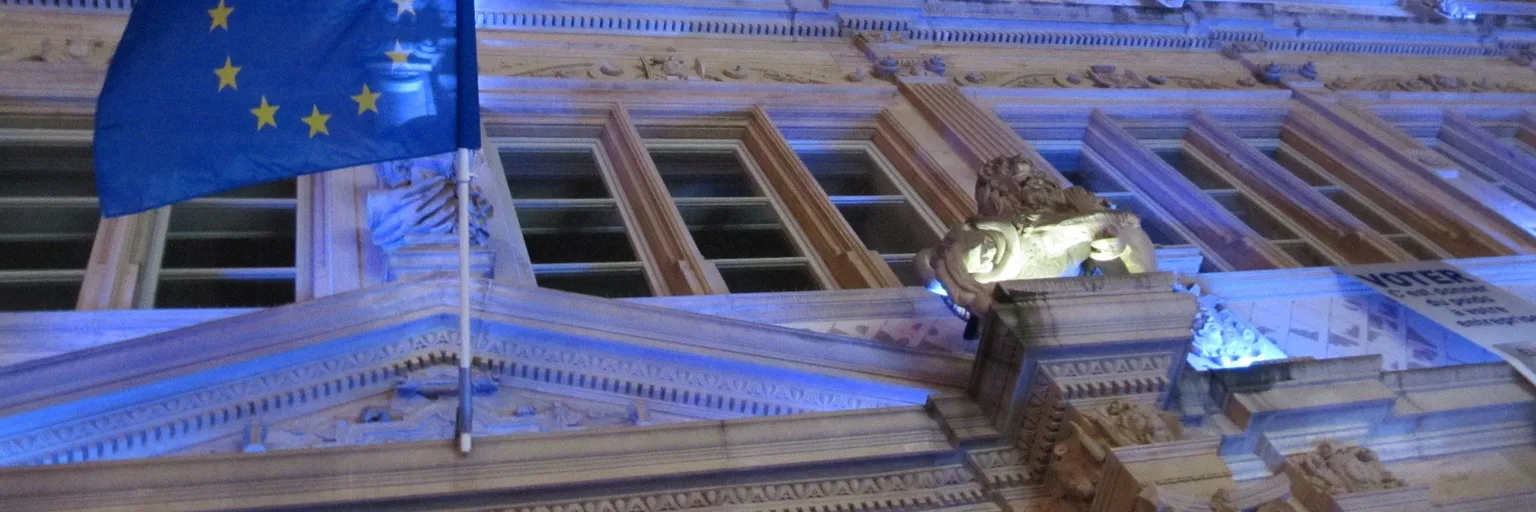
The EU's new sustainable tourism strategy promises to spread visitors across places and seasons. Without real reasons to travel off-peak, it risks being another well-meaning paper.
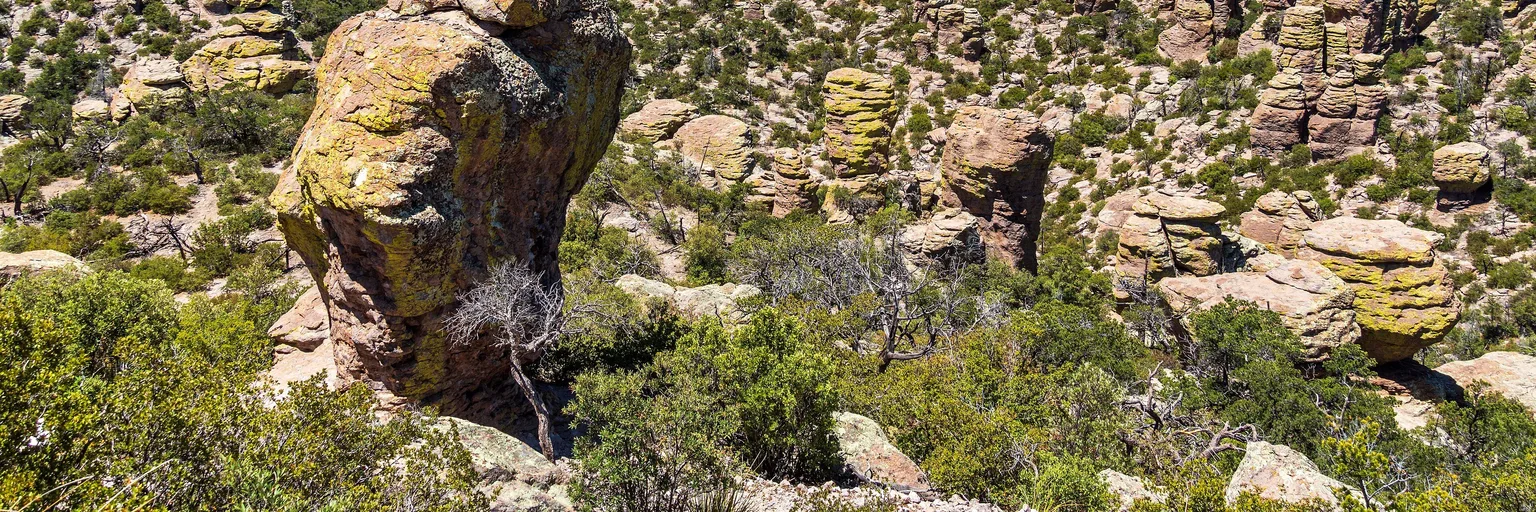
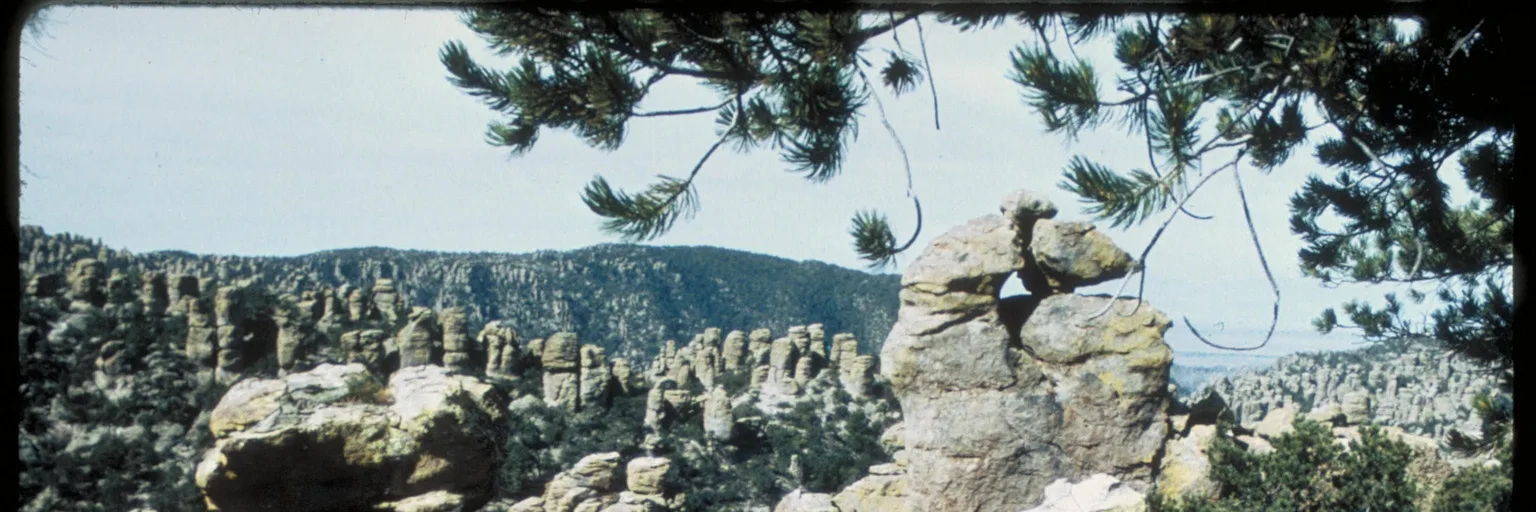
Arizona's 64th national park changes a name, not a landscape. Whether it becomes a gift or a traffic jam depends on what happens before the visitors arrive.
A TV beauty title can feed the summer crush or fix it. Limone sul Garda has the climate and the heritage to use it as an invitation to come off-season.
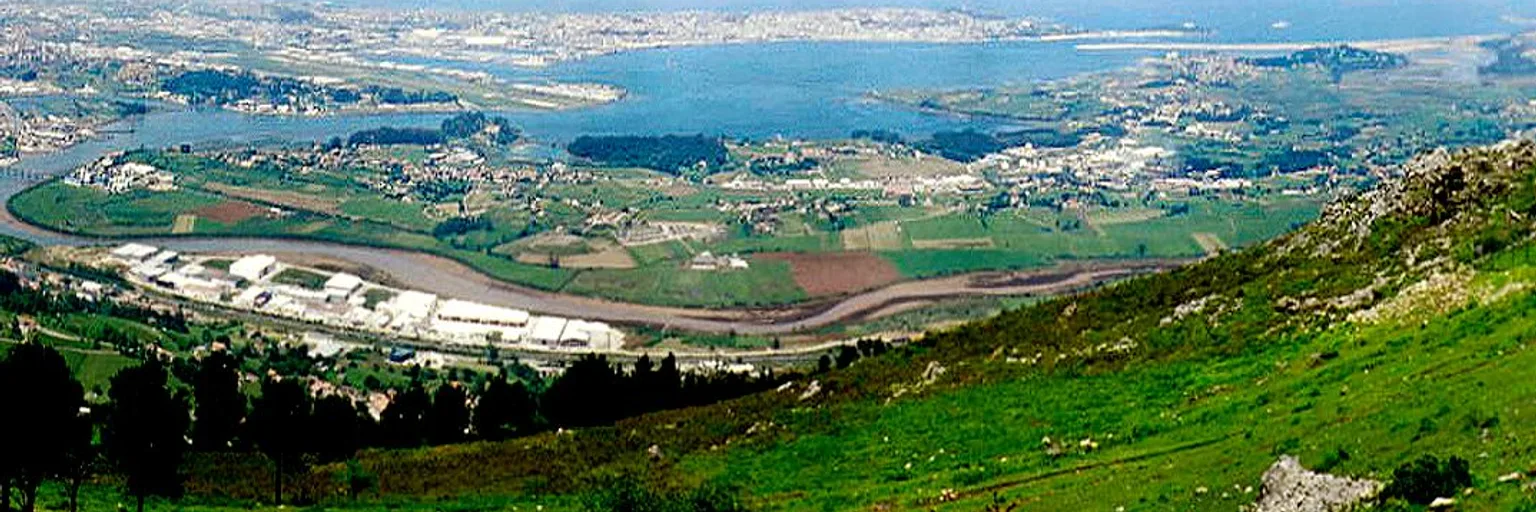
Portugal has approved a special program for its only national park. It will be good news only if it caps visitor pressure and pays for people on the ground, not just promotion.
Raw arrivals flatter big destinations, but the ratio of visitors to neighbors shows where a city really strains. Spain's extremes are a warning, and travelers can respond.
The Caribbean island on National Geographic's 2027 list is an invitation to look past the resort strip, but only if travelers and operators choose local, low-impact stays over the rush.
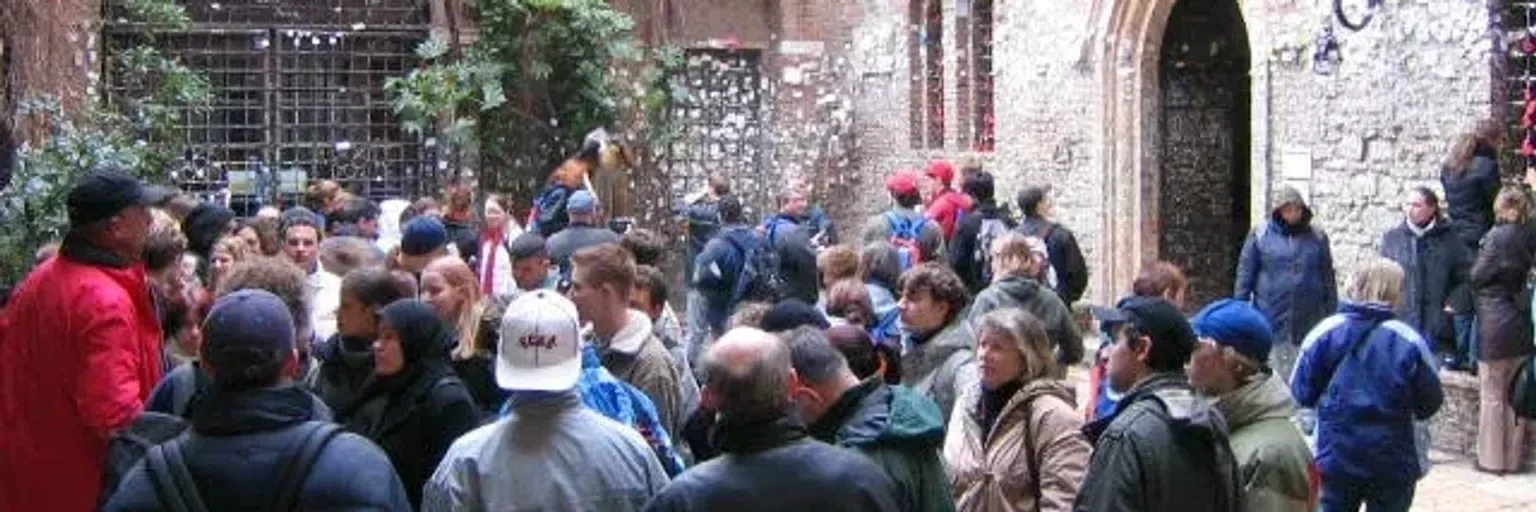
Verona's online booking system logged nearly 600,000 entries in six months and, the city says, ended the crush. It's a model for icons everywhere, but the balcony shouldn't be your whole trip.
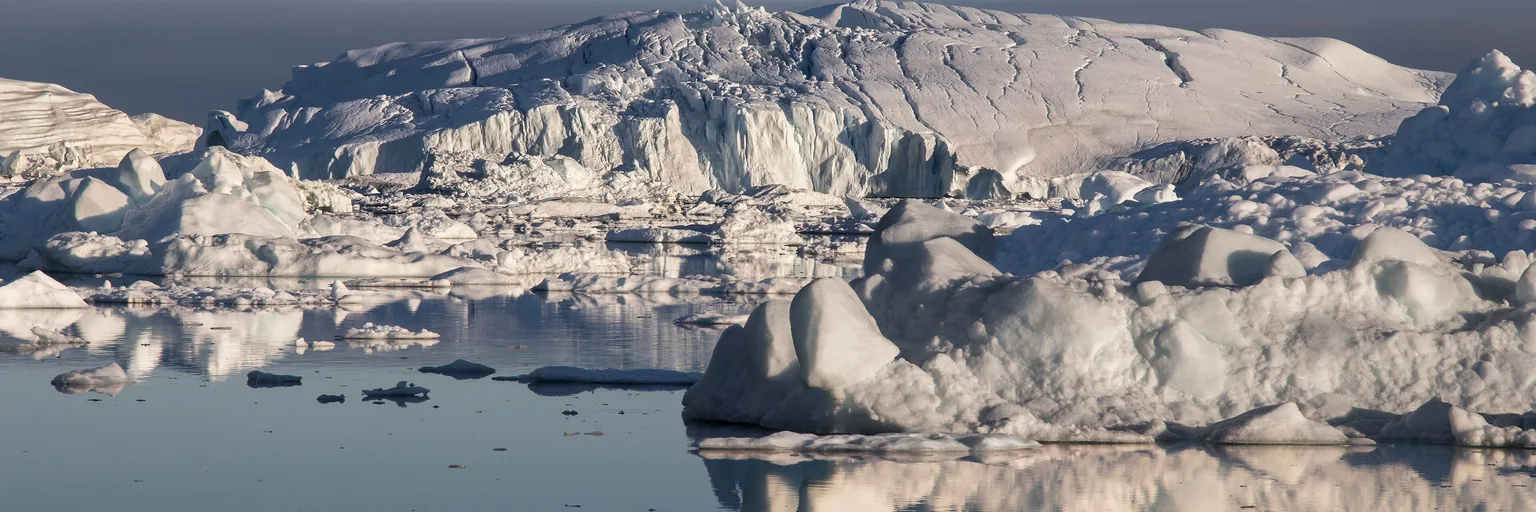
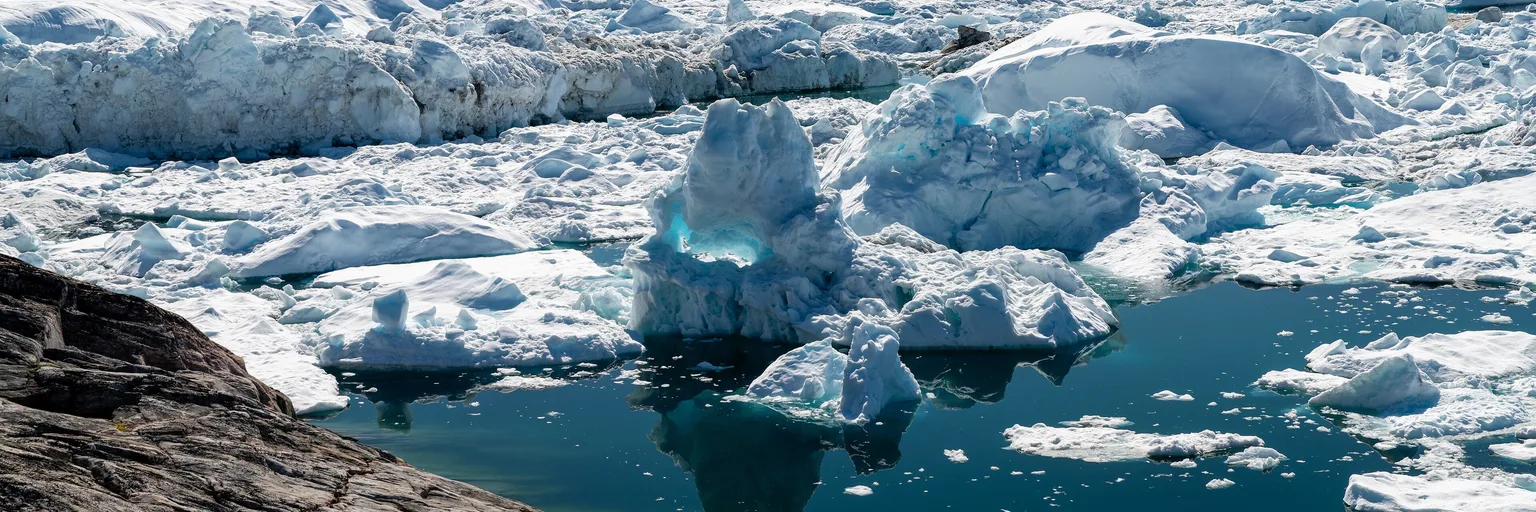
A nonstop Copenhagen–Ilulissat flight puts Greenland's famous icebergs within easier reach, and the smart response is to travel slower and spend locally.
A jet-capable runway makes Greenland's most famous icefjord far easier to reach. Access, not scenery, is the story, and Ilulissat should set limits before demand arrives.
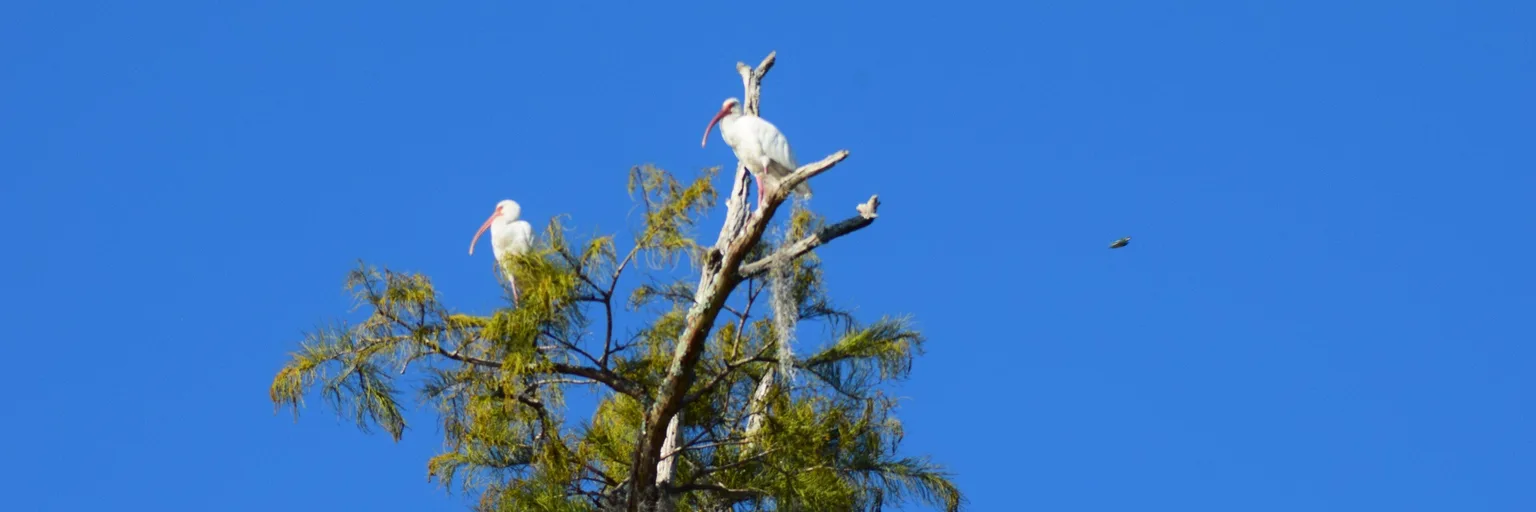
World Heritage status is drawing more visitors to Georgia's black-water swamp. The smart move is to decide how many it can take before the crowds arrive.
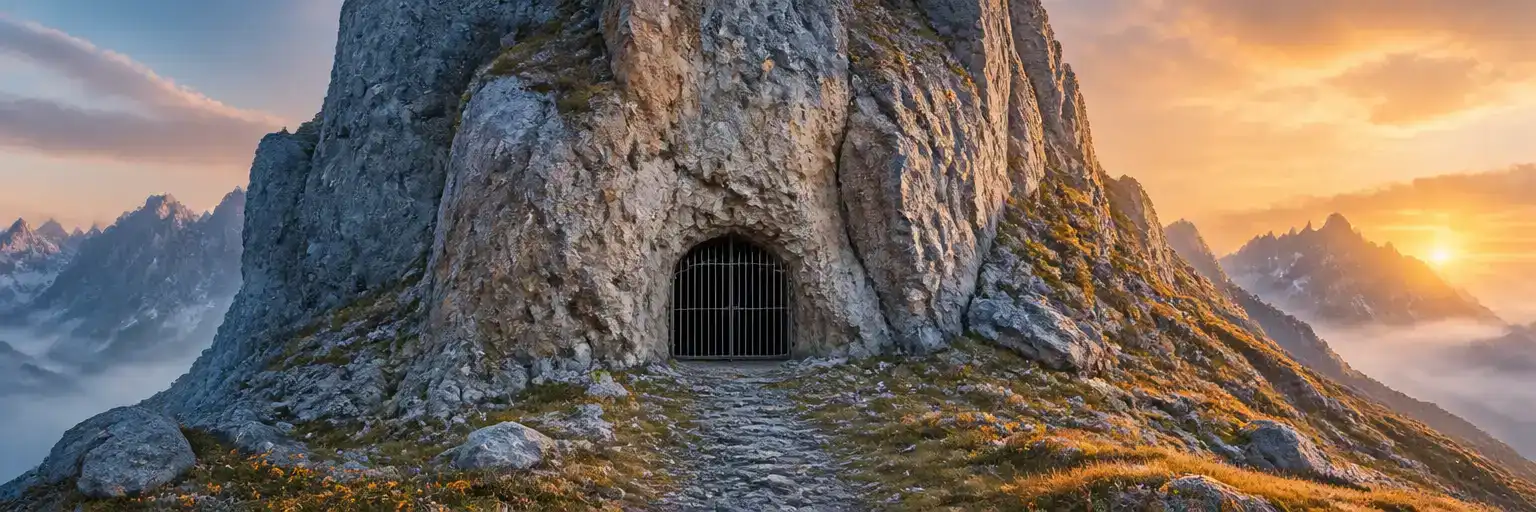
A high-altitude cave full of prehistoric bear skeletons is a wonder. The best way to love it is to keep the crowds out and let science, and eventually a museum, tell the story.
Sant'Ivo alla Sapienza reopened on October 27 with free weekday-morning entry. We think it shows that Rome's best moments often hide beyond the Colosseum line.
National Geographic has put Cantabria's unhurried capital on its 2027 list, and Santander now has to choose: copy the overtourism script, or turn its slow, art-by-the-sea rhythm into the product.
Tripadvisor's winter index puts Strasbourg, Tromsø and Ghent on top. Read it as a map of where everyone is going, then use it to choose a quieter shoulder-season trip.
A paywall for a beloved mountain lake feels wrong until you picture the crowds. The fee is defensible only if it buys real management and fair access.
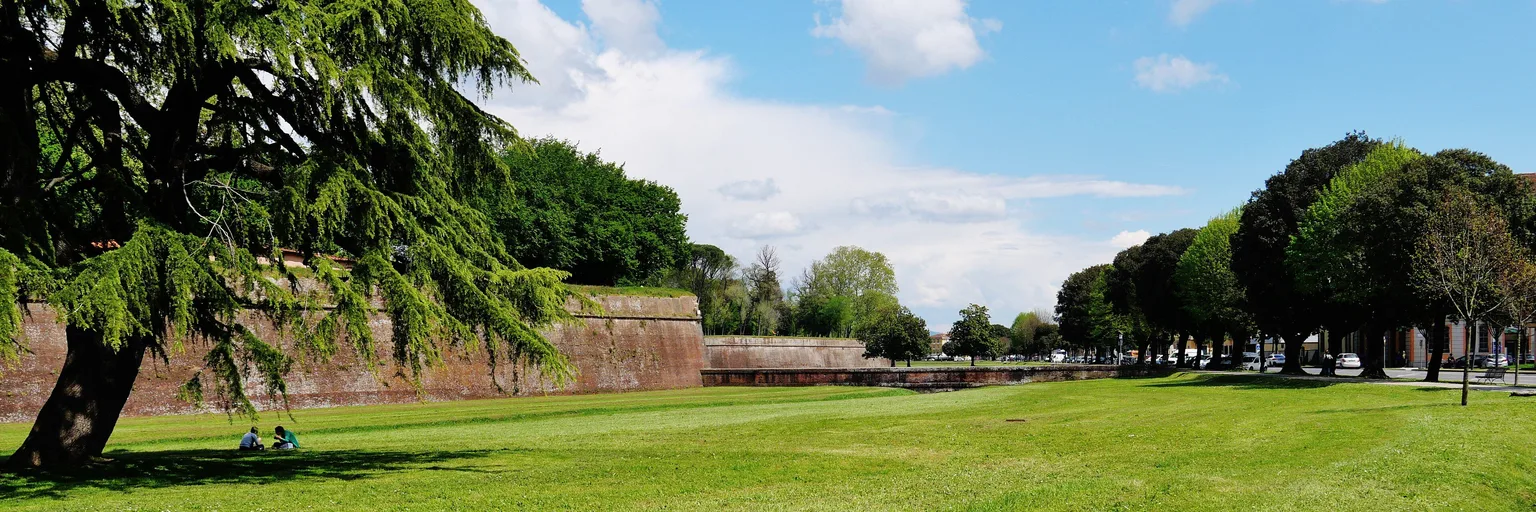
With 160 extra trains and a rebuilt station flow, Lucca Comics shows that festival tourism in a small walled city is a logistics problem first. Plan it like a pilgrimage.
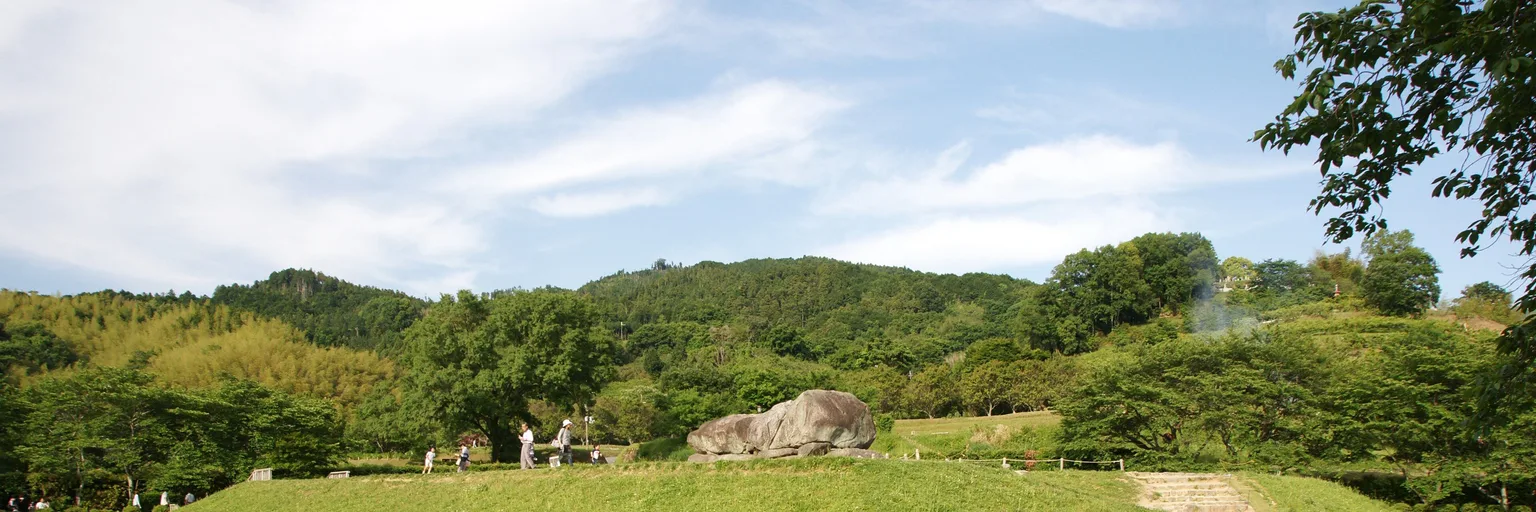
Asuka Village is limiting parking, charging fees and rolling out slow vehicles within months of its listing. Every new World Heritage site should have a visitor plan before the plaque goes up.
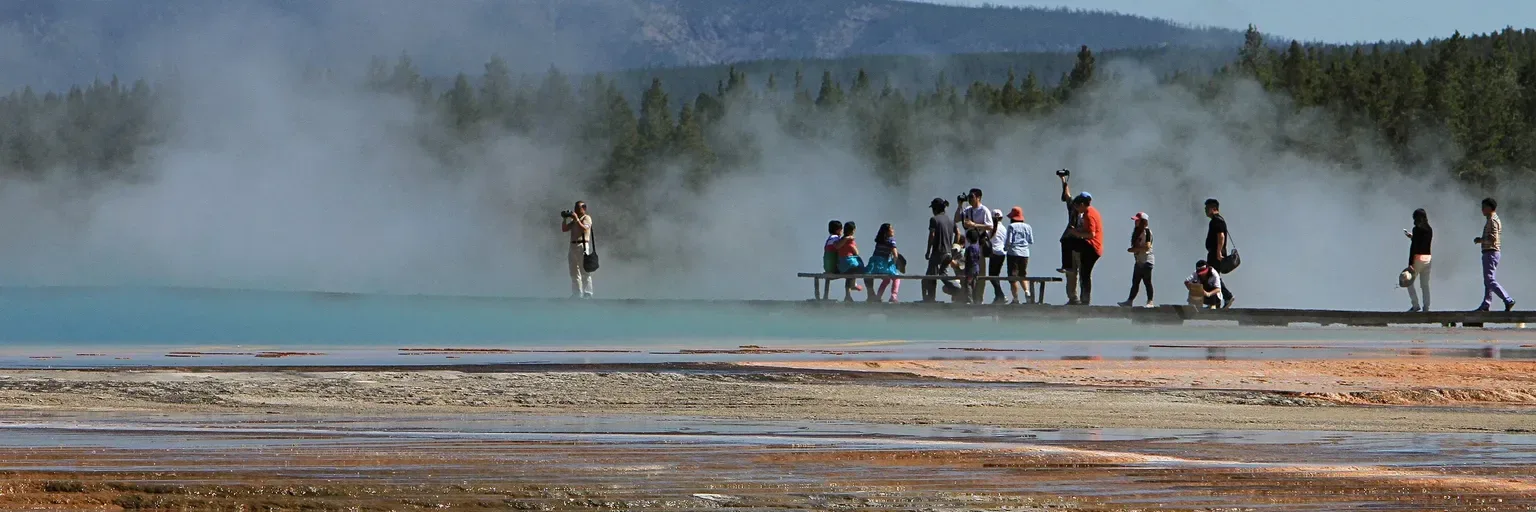
More than 23,000 pieces of debris pulled from geysers and hot springs show that pleading with visitors isn't enough, and that education and enforcement should come with the ticket.
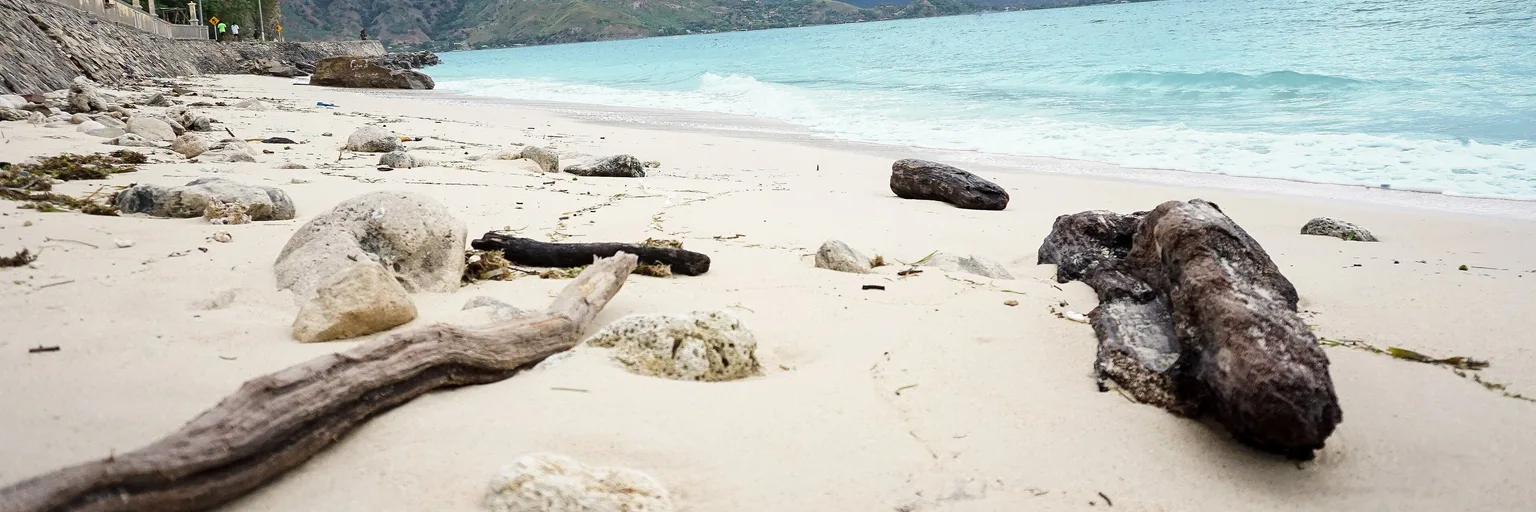
Timor-Leste offers diving, coastline and a sense of space that Bali has long promised. But its thin infrastructure means visitors must arrive as guests, not conquerors.
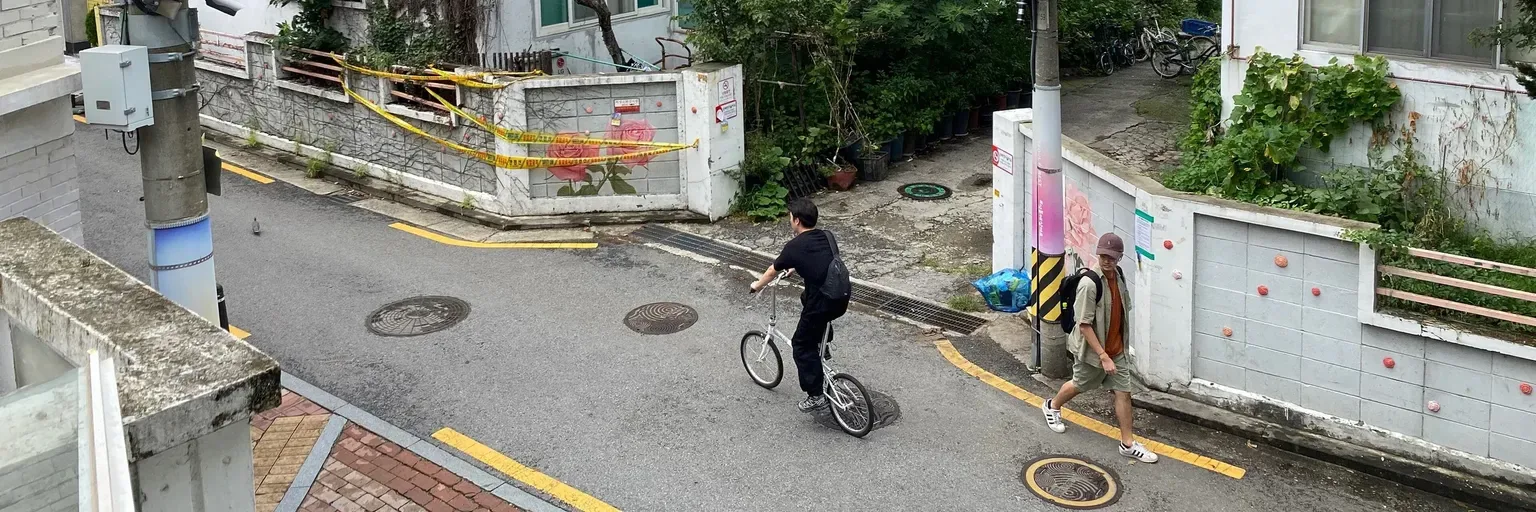
Record visitors and a 57.7% spending jump show travelers want Seongsu's alleys, not just palaces. Seoul's challenge is keeping that magic from turning into a crowd-control problem.
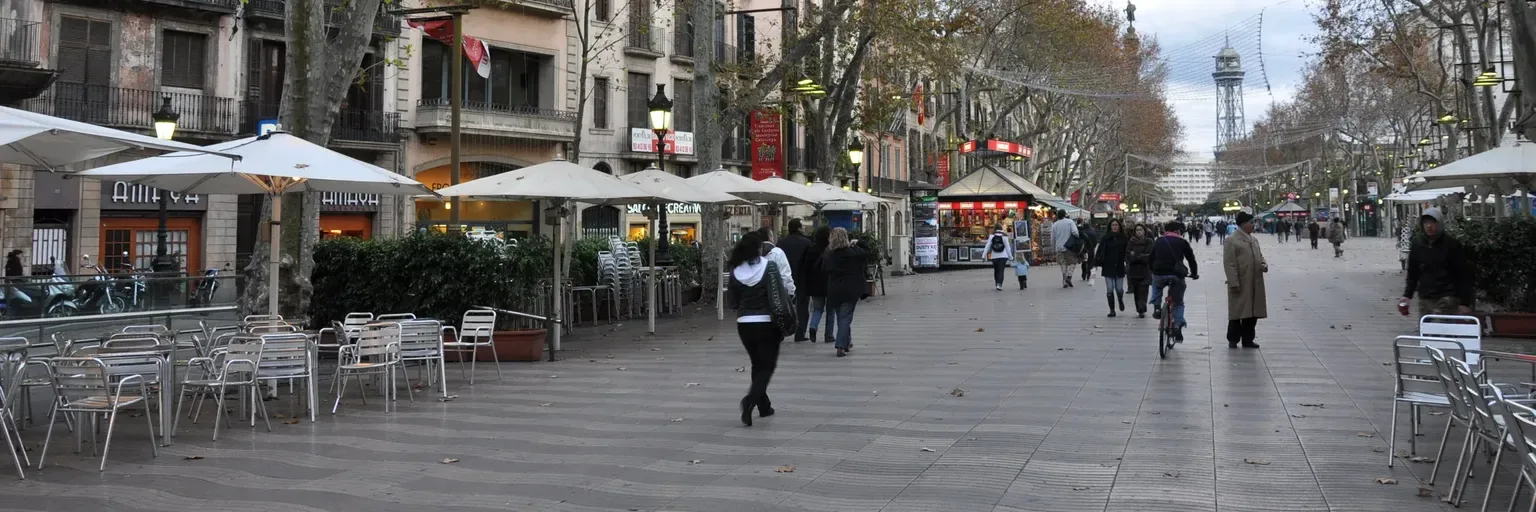
Taxes and local caps make Spain look busy fixing overtourism, but arrivals keep climbing. Without spreading visitors out and limiting peak capacity, anger will grow.
A $121,000 reroute could reopen the Hāhei walk before Christmas, but a cheaper path only works if New Zealand pairs it with limits on visitors and honest rules about slips.
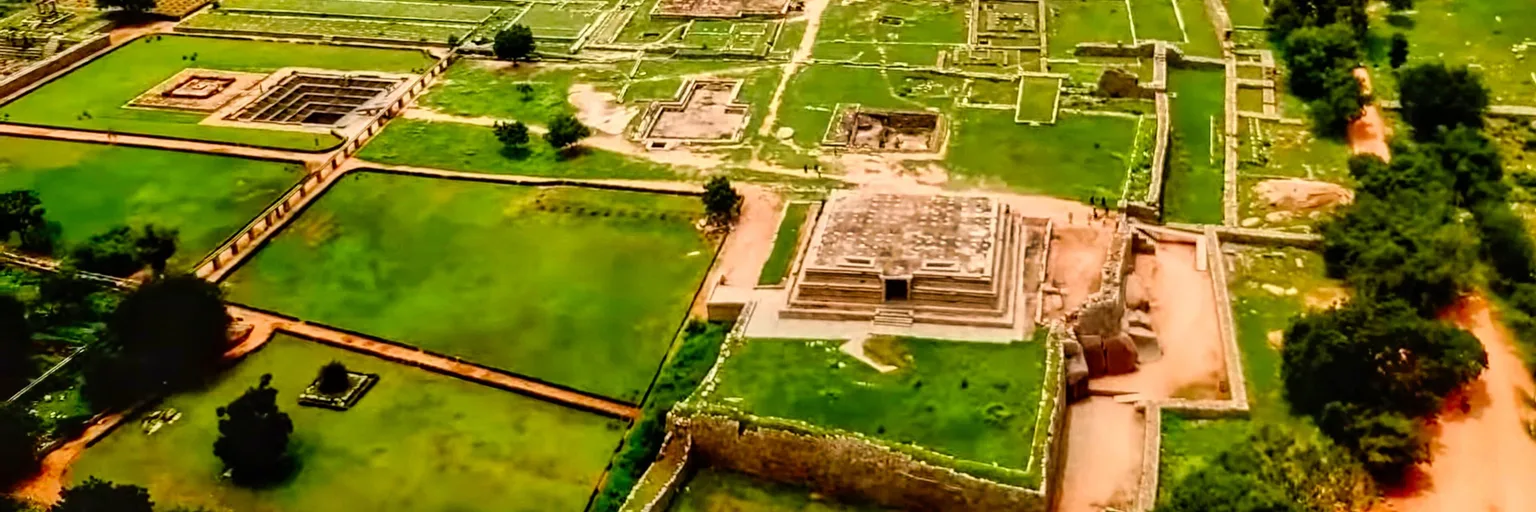
A UNESCO-ICOMOS mission is reviewing Hampi's conservation, tourism infrastructure and master plans. Travelers who love ruins should cheer for caps, not just easier access.
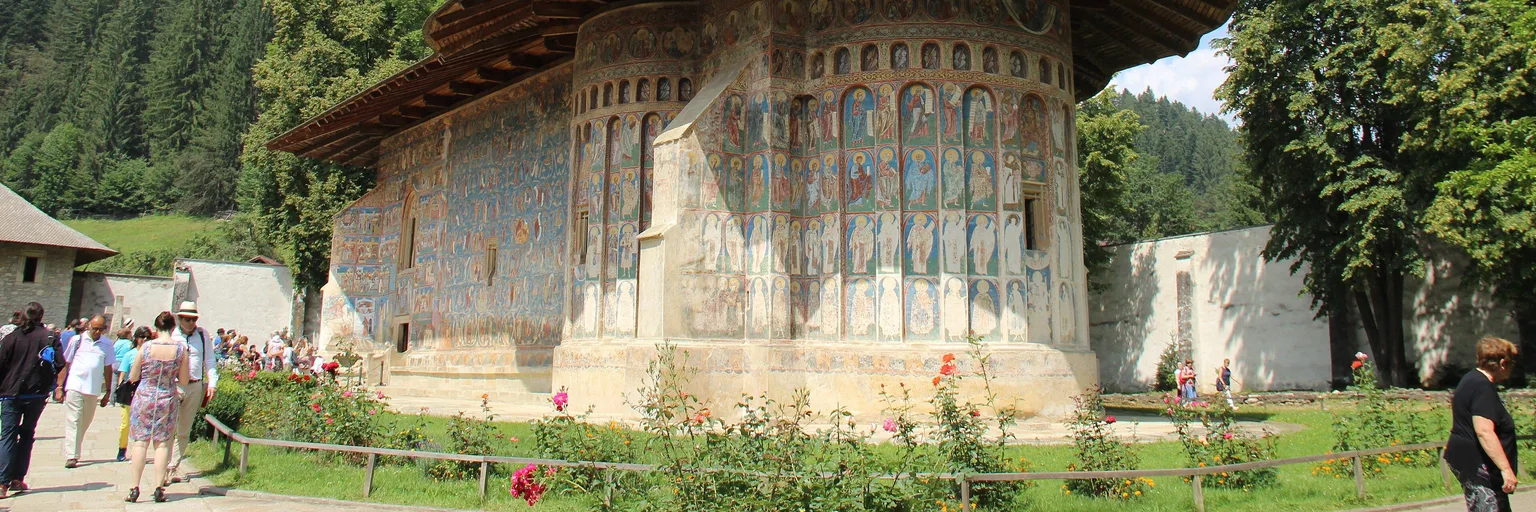
Topping a list of underrated destinations is a blessing and a curse. Bucovina deserves the crown, but the best way to honor it is to arrive slowly and spend locally.
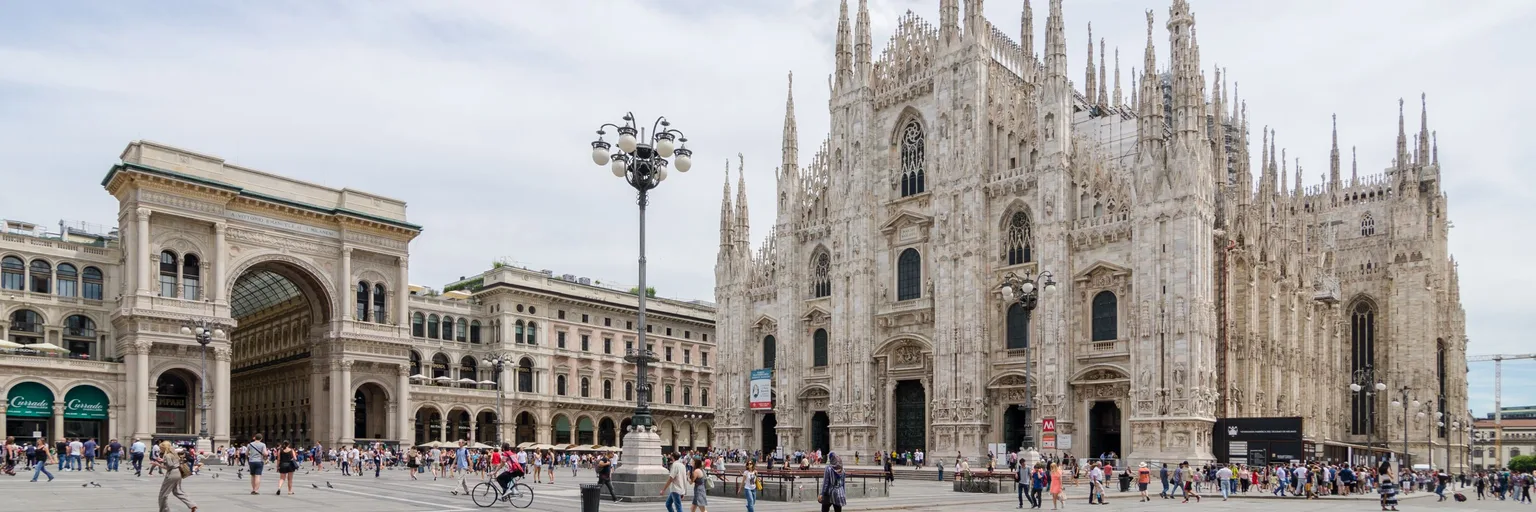
Residents of Milan and other hot spots are guarding their favorite places. It isn't snobbery: it's a hint that travelers should ask for less and give back more.
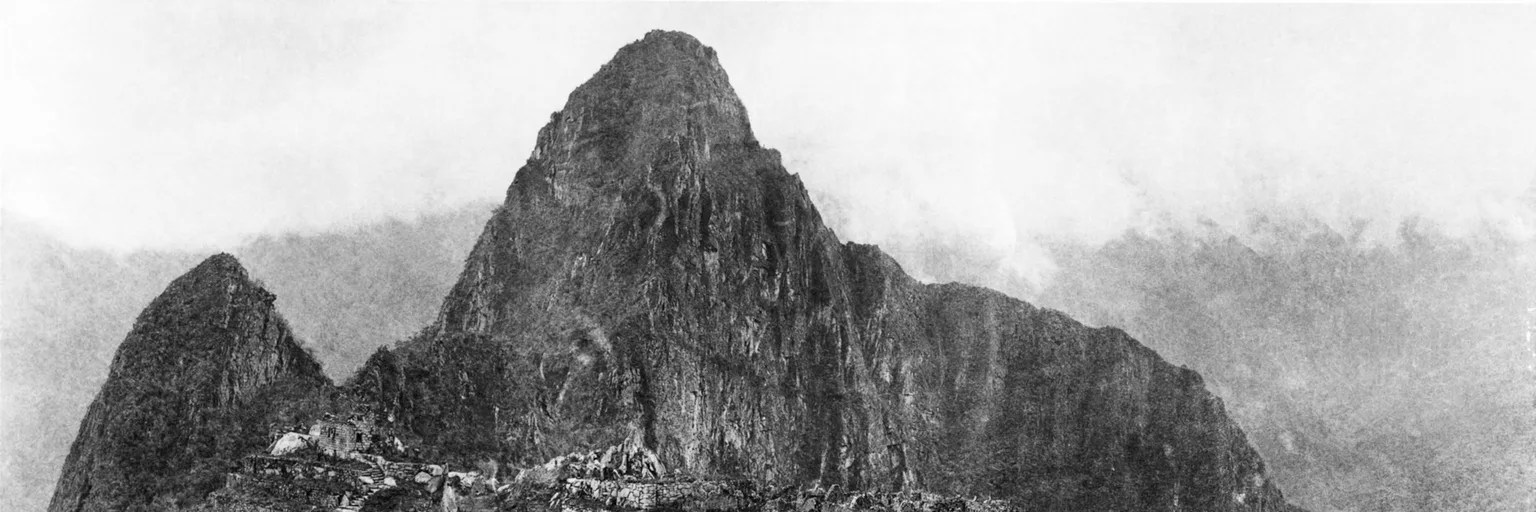
Fewer people at Machu Picchu is the best chance Peru has had in years to spread tourism across the country, provided it doesn't just rebuild the same crowds elsewhere.
High visitor numbers show that Jericoacoara's rustic charm is its most fragile asset, and managing growth now matters more than celebrating it.
Portugal's high-speed line has finally broken ground. Whether it reshapes how we travel the country, or just feeds two crowded cities, depends on what happens outside the carriage.
National Geographic's 2027 list sends readers to a roadless Patagonian cape, and the real question is whether remote places can absorb that kind of attention.
Venice is extending its day-tripper fee, but the real test is whether tourism policy can protect homes and everyday life—not simply collect money at the gates.
America’s newest national park puts Arizona’s extraordinary Wonderland of Rocks in the spotlight, but recognition will matter only if protection and access keep pace.
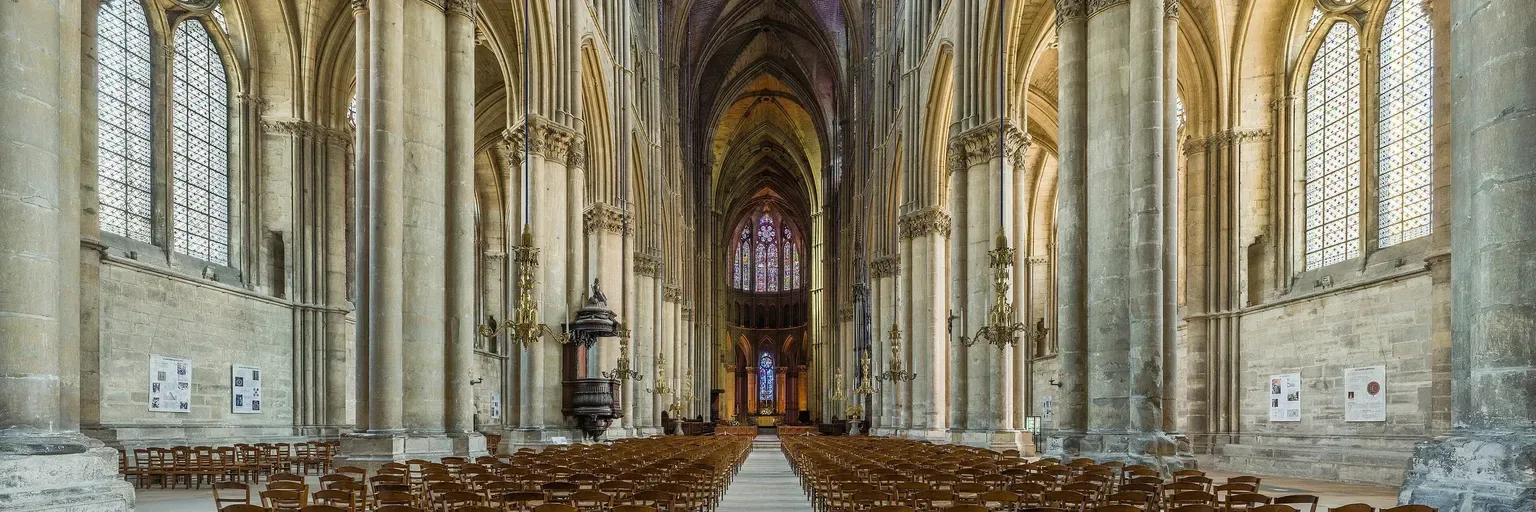
Booking.com has included Reims among its highlighted destinations for 2027. The opportunity is real—but so is the need to spread visits beyond the obvious stops.
Lower prices, quieter lanes and a richer walking season make autumn the smarter Cinque Terre escape—unless cheaper stays simply create another social-media stampede.