Charging for an Alpine lake is uncomfortable, and probably right
A paywall for a beloved mountain lake feels wrong until you picture the crowds. The fee is defensible only if it buys real management and fair access.
Photo: Sabrina Schreiber / Wikimedia Commons (CC BY-SA 4.0)
Should you have to pay to look at a lake? Instinctively, no. Nature is supposed to be the one thing that doesn't come with a ticket booth. And yet we find it harder and harder to argue against the idea once you picture thousands of people converging on a single shoreline on one summer day.
The latest case is Swiss. As nordbayern reports, citing the Swiss portal Plattform J, it is currently being examined whether access to the Oeschinensee in Switzerland should in future come with an entry charge for hikers. The headline cites more than 7,000 visitors. The excerpt we have doesn't say how much would be charged, when, or over what period that number was counted, so we won't guess. It's a proposal under review, not a done deal.
The Eibsee shows what crowds cost
Elsewhere in the Alps, the Eibsee below the Zugspitze shows the same pressure. It has become a social media hit nicknamed the "Bavarian Caribbean". AFP described the first thing visitors meet there as crowded buses, traffic jams and a packed car park. A municipal official, Christian Andrae, said he was glad people appreciate the lake, but that the crowds sometimes remind him of "mass events" like Oktoberfest.
That is the quiet argument for a fee. Crowds are never free. Someone pays for the daily waste collection, the strained infrastructure and the local residents' patience. When visitors pay nothing at the gate, we suspect the bill tends to land on the village, not on the visitor.
A fee is a tool, not a moral stance
We think the principle holds up: if a place can't absorb its visitors, price and access rules are a fairer filter than the alternative, which is a worse experience for everyone and slow damage to the shoreline. A turnstile isn't the villain here. Congestion is.
But "it works" depends on three conditions, and without them a paywall is just a tax on admiration.
First, the money has to be visibly spent on the lake: paths, toilets, waste, rangers, transport that doesn't involve endless cars hunting for parking. If revenue disappears into a general budget, the fee deserves the backlash it gets.
Second, it has to manage peaks, not merely monetize them. A flat charge that leaves the busiest Saturday in August as packed as before is a ticket to the crowd. Timed entry, cheaper shoulder days or a real incentive to arrive by public transport would do more than the price alone. That's our opinion; we have no details on how the Swiss scheme would work.
Third, fairness. Locals, residents of the valley and people who simply can't afford another line in the holiday budget shouldn't be priced out of a landscape that, in a very real sense, belongs to everybody. Exemptions and sensible pricing are not optional extras.
The better trip is the one you plan around the crowd
There's a selfish reason to welcome this, too. Nobody drives for hours to stand in a queue for a photo of turquoise water. The Eibsee has a 7.5 km circuit, according to one report, and that is exactly the kind of walk that rewards an early start or a weekday far more than a midsummer noon at the main viewpoint.
So our verdict: charging isn't the scandal. The scandal would be treating crowds of that size as a normal condition of a fragile alpine lake. If you're planning a visit to the Oeschinensee, check for updates before you go, since the fee was reported to be under review and we can't say where that stands. Travel off-peak, arrive without a car where you can, and if a fee does arrive, judge it by one test: can you see where the money went?
No topics yet: start the first one.
More stories
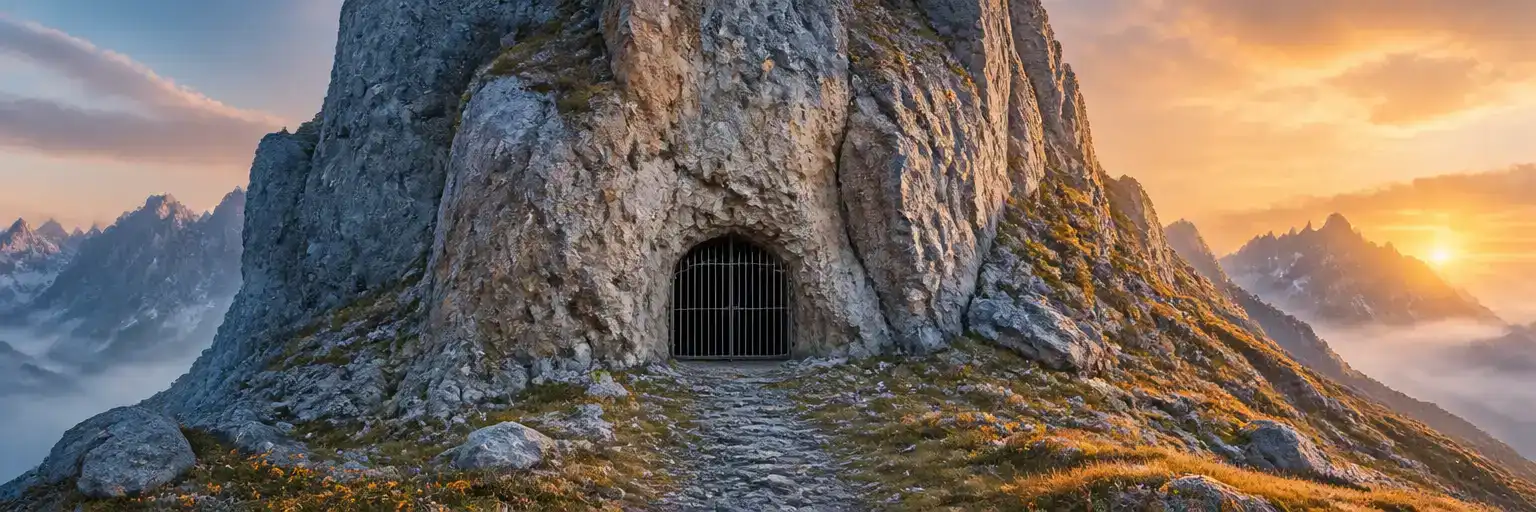
The Dolomites' cave bear grotto deserves a gate, not a selfie spot
A high-altitude cave full of prehistoric bear skeletons is a wonder. The best way to love it is to keep the crowds out and let science, and eventually a museum, tell the story.
Copenhagen's Kai bathhouse shows a public pool can beat any monument
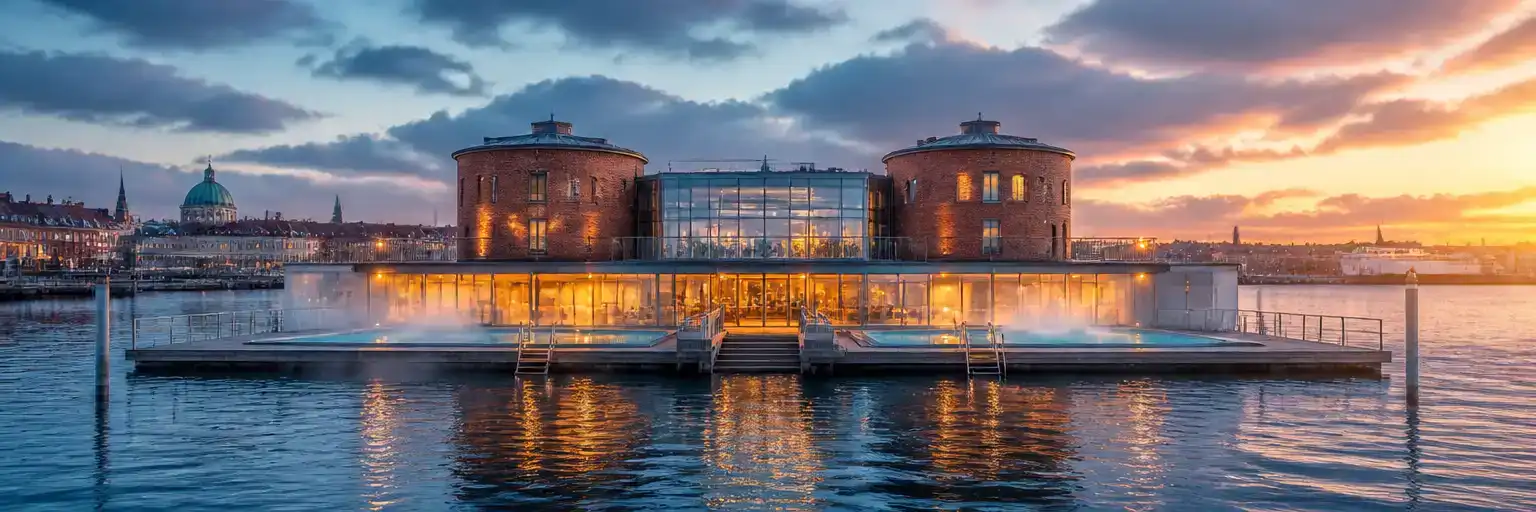
Kai, opening December 5 on Paper Island, gives Copenhagen a winter reason to visit without another monument. Its secret weapon: it's a public pool, not a private spa.
Brazil's slavery memory sites deserve visitors, not just plaques
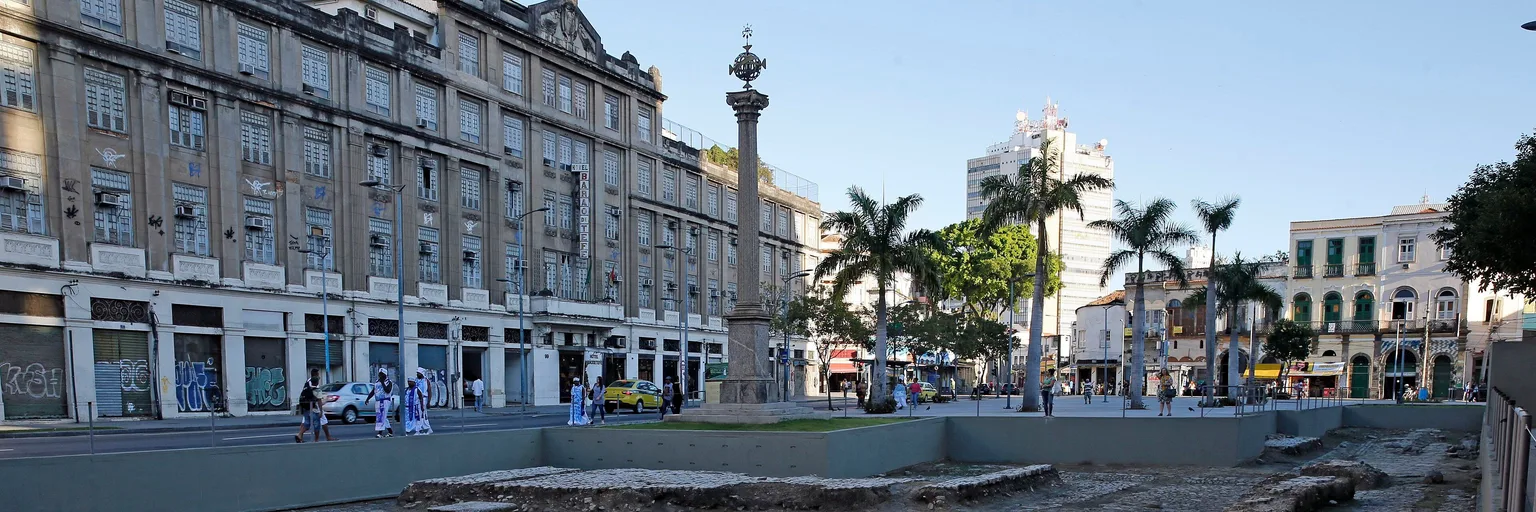
UNESCO added Rio's Valongo Wharf, a Salvador society and Serra da Barriga to its slavery memory network. The recognition only matters if travelers come and Brazil funds honest storytelling.
Rome's best sight right now is free: Borromini's Sant'Ivo is back
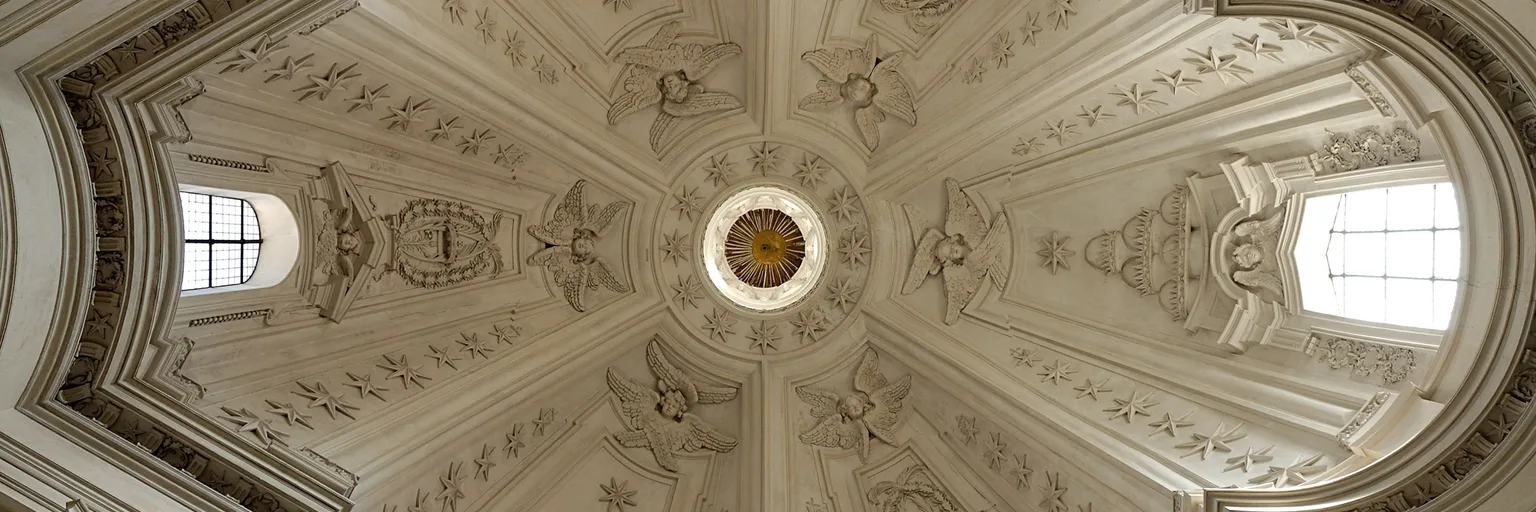
Sant'Ivo alla Sapienza reopened on October 27 with free weekday-morning entry. We think it shows that Rome's best moments often hide beyond the Colosseum line.