The US ground stop shows how thin your travel plans really are
A nationwide US ground stop is rare, but it exposes how little cushion most itineraries have. Flexible fares and a backup route beat hoping the system absorbs the shock.
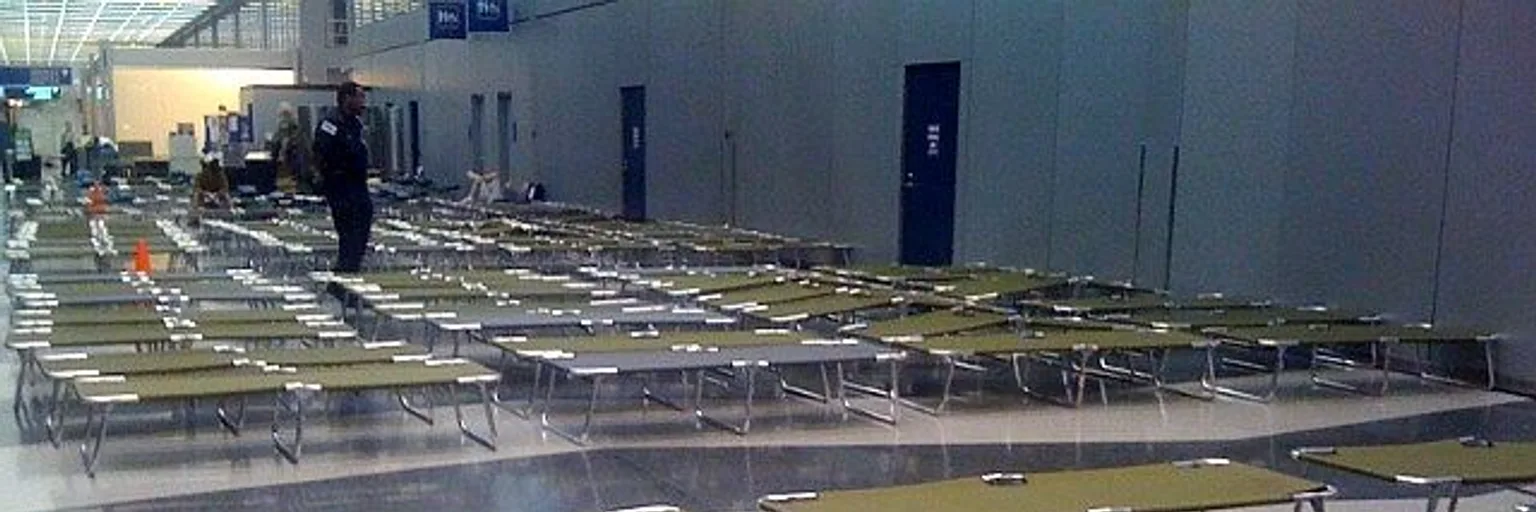
The wave of hoax threats diverting flights across Europe is far more a scheduling problem than a safety one, and the smart traveler responds with buffers, not panic.
A Liverpool–New York link from Cunard is a ship, not a jet. Its real test is whether the North gets a daily-use flight option, not just a romantic crossing.
With Capodichino closed from November 1 to 30, the Amalfi Coast gateway turns into a logistics puzzle. Plan your route around it instead of hoping it won't matter.
A nonstop Copenhagen–Ilulissat flight puts Greenland's famous icebergs within easier reach, and the smart response is to travel slower and spend locally.
A jet-capable runway makes Greenland's most famous icefjord far easier to reach. Access, not scenery, is the story, and Ilulissat should set limits before demand arrives.
Air New Zealand's lie-flat economy pods have slipped past the summer peak, again. Plan your long-haul to New Zealand around the destination, not a cabin that still isn't certified.
Ryanair's boss predicts the steepest fare rise in European history for 2027. Treat it as a nudge to lock in key trips and stay flexible, not as a reason to panic.
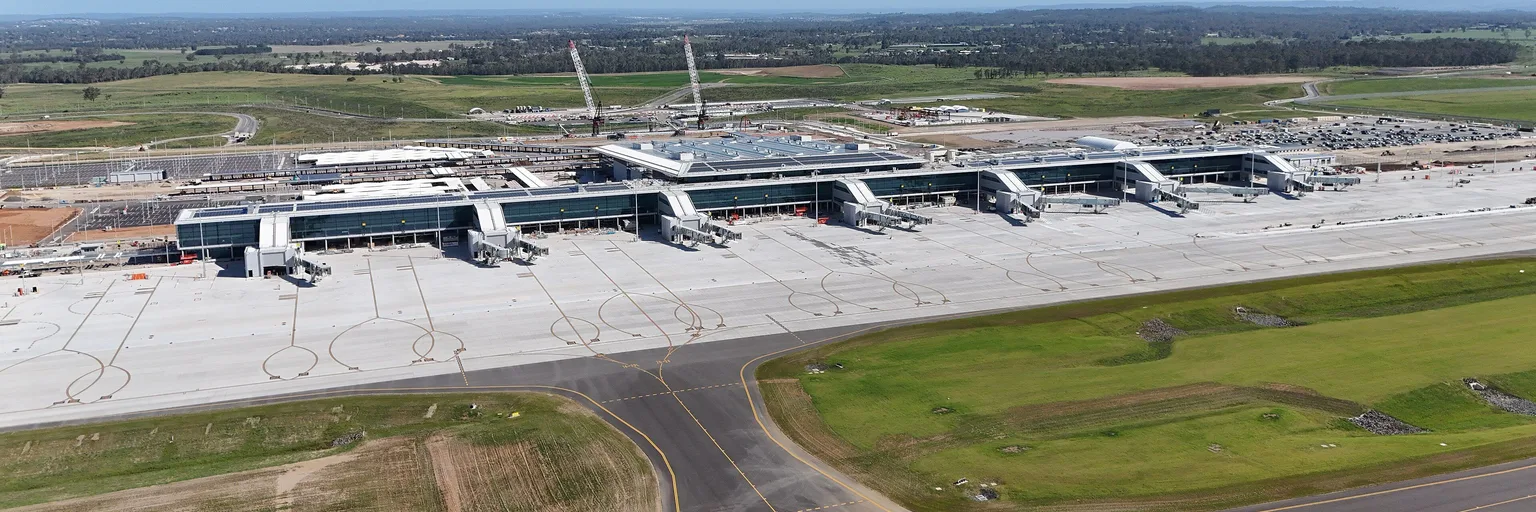
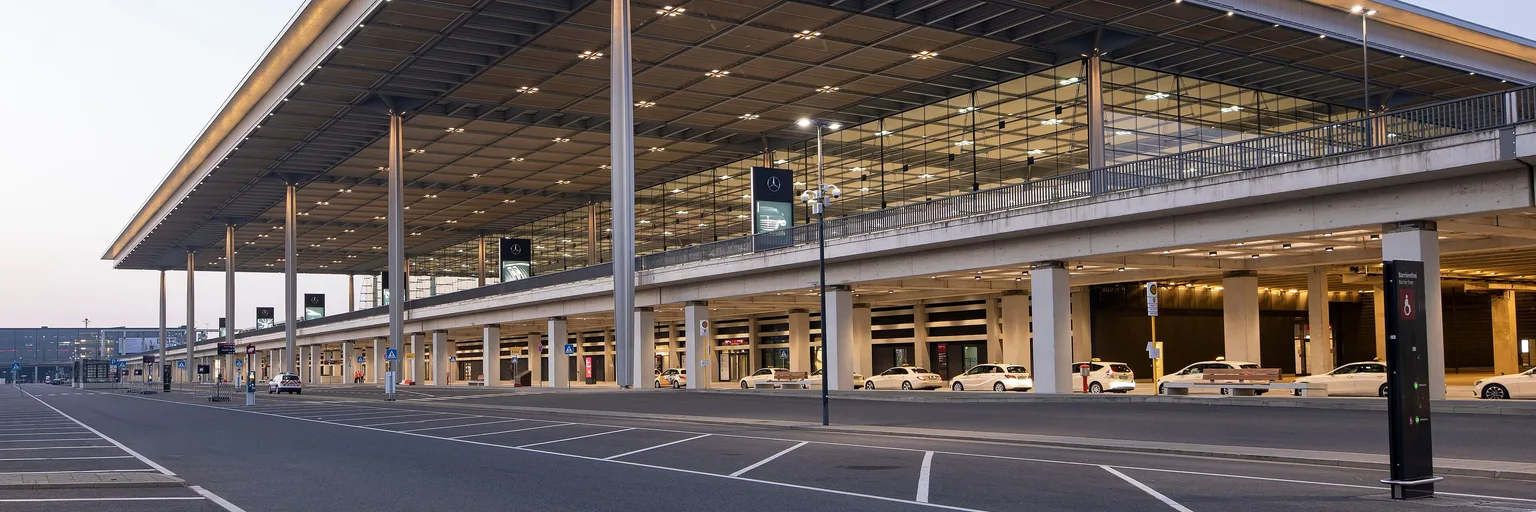
Australia's first new major airport in 50+ years opened with few flights and no train. Until the metro arrives, treat it as a promise and check your airport code.
Ryanair’s Belgian cuts reveal the hidden weakness of Europe’s low-cost map: when airport economics change, yesterday’s bargain destinations can vanish almost overnight.
Recent disruptions at Catania Airport due to Etna's volcanic ash underscore the vital importance for travelers to understand their EU passenger rights, especially the nuances of compensation and assistance during extraordinary events.
Escalating drone attacks on Russian airports are not just disrupting flights; they are fundamentally altering global perceptions of air travel safety and accessibility in conflict-adjacent regions.
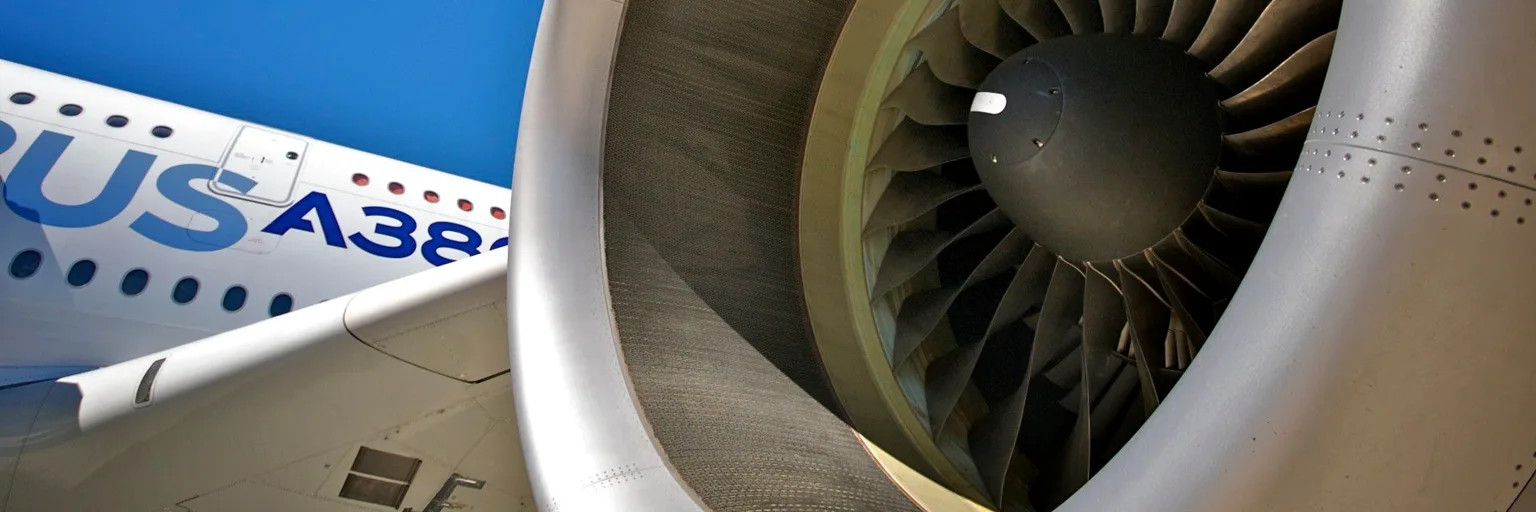
The recent FAA directive concerning critical engine component failures on the iconic Airbus A380 spotlights ongoing safety scrutiny that could further challenge the superjumbo's operational longevity and passenger confidence.
Once a romantic ideal for adventurers, the unique niche of cargo ship travel is slowly disappearing, transformed by global events and the relentless demands of modern logistics.
The emergency landing of United Airlines Flight UA941 due to a cabin odor wasn't a minor inconvenience; it was a potent demonstration of aviation's unwavering commitment to safety protocols.
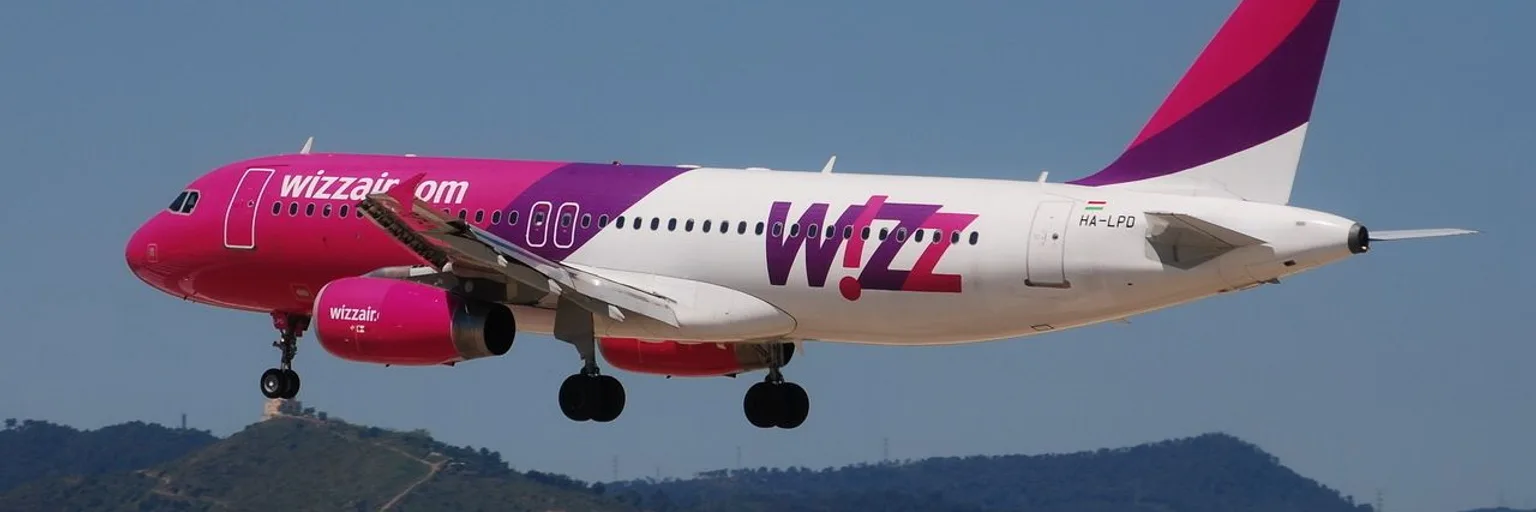
Wizz Air's aggressive expansion in Spain and strategic pursuit of airport slots signal a bold move to dominate the low-cost travel sector, promising a shake-up for travelers amidst industry headwinds.
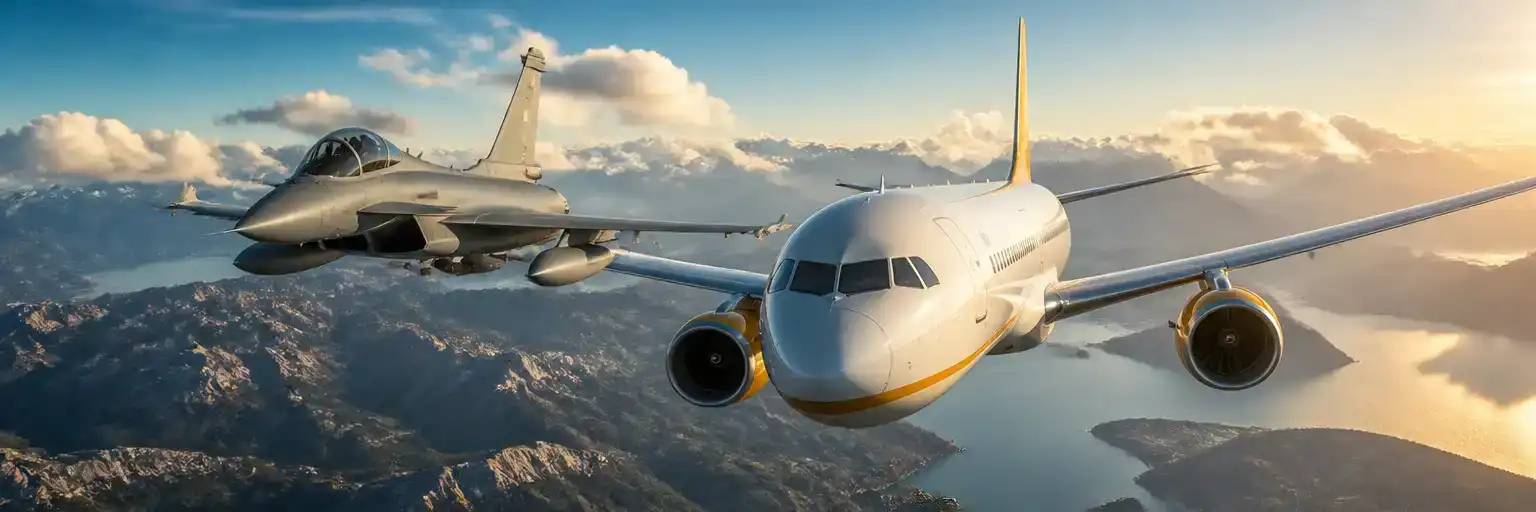
A recent false hijack alert, triggering military interception across Europe, starkly reveals the immense resource drain and widespread disruption embedded in modern aviation security, even when the threat is unfounded.
Below the passenger deck, the unseen world of air cargo holds critical importance, as lax security in loading can compromise an aircraft's integrity and every flight's safety, demanding constant vigilance.
LATAM Airlines' integration of the Embraer E195-E2 fleet is set to transform regional travel across Brazil, strategically connecting new markets with enhanced efficiency and passenger comfort.
Finnair's ambitious plan for up to three daily flights to Tokyo by summer 2027 signals a strategic move to dominate East Asian routes, revealing profound confidence in the resurgence of long-haul travel and competitive airline strategies.