Unseen Depths: Why Cargo Security is Paramount for Every Flight
Below the passenger deck, the unseen world of air cargo holds critical importance, as lax security in loading can compromise an aircraft's integrity and every flight's safety, demanding constant vigilance.
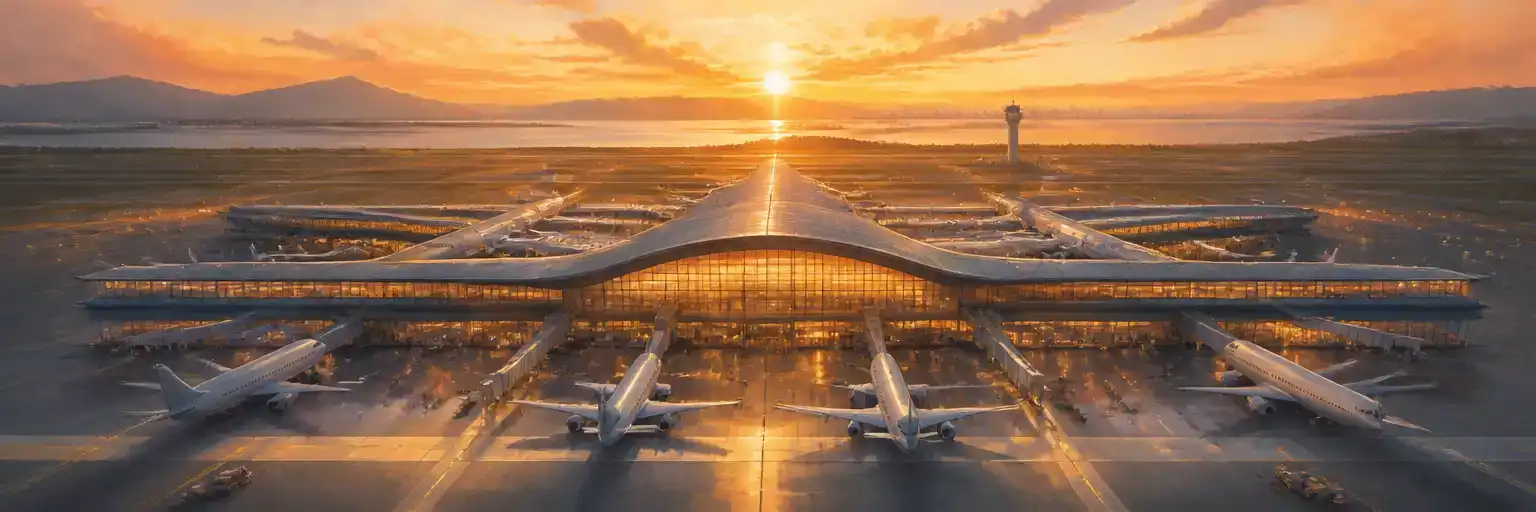
AI-generated image
When we settle into our seats on a modern airliner, the journey feels safe, almost routine. Yet, beneath our feet, a complex ballet of logistics and safety protocols unfolds in the cargo hold. This often-overlooked aspect of air travel—the loading and securing of freight—carries immense implications for the structural integrity of the aircraft and the safety of everyone on board. It is a critical area where vigilance can never be compromised.
Modern widebody aircraft, like the Airbus A330neo, are marvels of engineering, designed not only to transport hundreds of passengers across vast distances but also to carry substantial amounts of cargo. Variants of the A330 are capable of transporting up to 70 tons (154,000 pounds) of freight, utilizing dedicated lower deck compartments and a rear bulk area. This dual capacity is a cornerstone of airline economics, allowing carriers to maximize revenue per flight. However, with this impressive capability comes a profound responsibility to ensure that every single item within the aircraft's belly is meticulously secured.
The Overlooked Interplay of Cargo and Passenger Safety
While passenger safety briefings and pilot training rightly receive significant attention, the security of cargo in the hold is equally paramount. An aircraft's design accounts for various cargo loads and dynamic forces, but this equilibrium depends entirely on proper securing. When cargo breaks loose—whether due to human error, equipment failure, or unexpected turbulence—the kinetic forces exerted can be immense. Such an event could lead to catastrophic structural damage, potentially affecting vital systems like flight controls, hydraulics, or even fuel lines. For airlines such as Azul, which operates Airbus A330neos on international routes like Lisbon-Viracopos, the operational integrity of these valuable assets is non-negotiable. The A330-900neo, a newer variant with improved engines, represents a significant investment, and ensuring the absolute safety of its cargo operations protects not just the aircraft but every passenger.
The Imperative for Stricter Protocols and Enforcement
Maintaining the highest standards in cargo security is not merely good practice; it is an absolute necessity. The loading and securing of cargo are governed by highly standardized and rigorous processes for a reason. However, the potential for lapses in these protocols, whether through human error, insufficient training, or inadequate enforcement, always exists. Any compromise in this chain elevates risk. In our view, it is imperative that existing regulations are not only robust on paper but are also consistently and meticulously applied in practice. This demands that every link in the cargo logistics chain, from ground handlers to supervisory staff, adheres to the highest safety standards. This requires more than internal audits; it calls for robust external oversight and a culture of continuous improvement to identify and rectify systemic weaknesses proactively.
Technological Solutions and Infrastructure Investments
While human vigilance is irreplaceable, technology offers powerful avenues to enhance cargo safety. Innovations such as advanced sensors could monitor cargo stability during flight, providing real-time alerts to crews if shifts occur. Modern cargo securing systems could move beyond traditional nets and straps, integrating smart locking mechanisms or real-time pressure distribution monitors. Furthermore, strategic investments in ground infrastructure that facilitate more efficient and secure loading processes, minimizing manual handling errors, are crucial. Given the sheer volume of cargo that planes like the A330-200F cargo variant are designed to carry—up to 69 tons on shorter flights—the scale of the challenge is undeniable, but so is the potential for technological mitigation. This isn't just about preventing damage; it's about proactively enhancing the safety margin for every passenger flight that also carries freight.
Ultimately, ensuring meticulous air cargo management is a foundational element of airline safety. The critical vulnerabilities it addresses demand not only stricter oversight and enforcement of current protocols but also a forward-looking approach to integrating advanced technology. Only through a concerted effort to fortify every aspect of cargo handling can the industry truly ensure that the benefits of air freight never come at the expense of passenger safety.
No topics yet: start the first one.
More stories
LATAM's E195-E2: A Smart Bet for Brazil's Connected Future
LATAM Airlines' integration of the Embraer E195-E2 fleet is set to transform regional travel across Brazil, strategically connecting new markets with enhanced efficiency and passenger comfort.

Finnair's Tokyo Power Play: A Bold Bet on East Asian Dominance
Finnair's ambitious plan for up to three daily flights to Tokyo by summer 2027 signals a strategic move to dominate East Asian routes, revealing profound confidence in the resurgence of long-haul travel and competitive airline strategies.

Korean Air-Asiana Merger: A New Era for Asian Travel, But For Whom?
The integration of Korean Air and Asiana Airlines heralds a significant shift in Asian aviation, promising an expanded network and premium experience but raising questions about market competition and passenger impact.
American Airlines' Starlink Bet Redefines In-Flight Connectivity
By committing to equip its entire mainline fleet with Starlink Wi-Fi, American Airlines is intensifying the competition for high-speed internet in the skies and setting a bold new benchmark for passenger expectations.