Tripsfera Newsroom
London's giant Harry Potter shop is a fine stop, not a destination
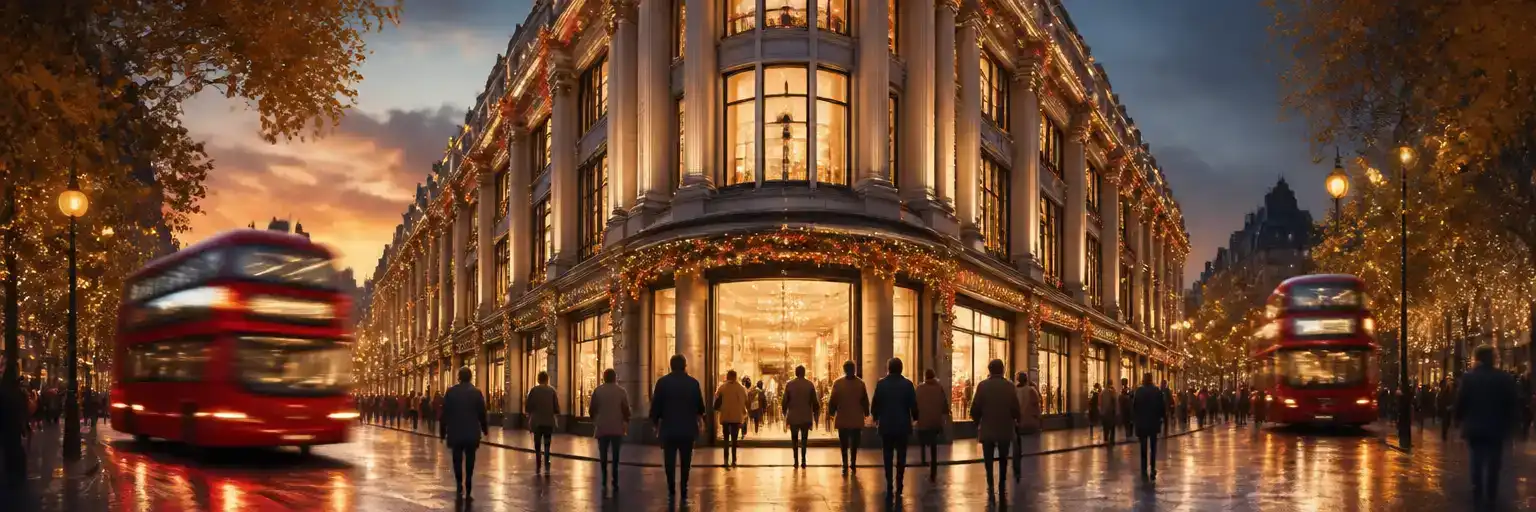
Oxford Street gets its biggest Harry Potter shop on November 4, but a fan weekend in London shouldn't revolve around a checkout line.
Oxford Street gets its biggest Harry Potter shop on November 4, but a fan weekend in London shouldn't revolve around a checkout line.
Paranormal travel is booming because trips crave a plot. The ones worth your money lean on a place's genuine past, not on a spooky hotel with a good publicist.
Learning on holiday is more than a buzzword, but only when the lesson grows out of the destination. A workshop bolted onto a resort is just a pricey activity sheet.
Disney's next ship leads with Encanto, Frozen and a 185 m² suite, not ports. Fans will be thrilled, but travelers should ask what they will actually see on land.
Record visitors and a 57.7% spending jump show travelers want Seongsu's alleys, not just palaces. Seoul's challenge is keeping that magic from turning into a crowd-control problem.
Australians are choosing Vietnam faster than any other major destination. That's a sign of maturity, and the real challenge is keeping its character while the crowds arrive.
Hydra topping Europe's island ranking isn't a fluke: readers are rewarding silence, walkability and identity over fame. Other islands should copy the model, not the hype.
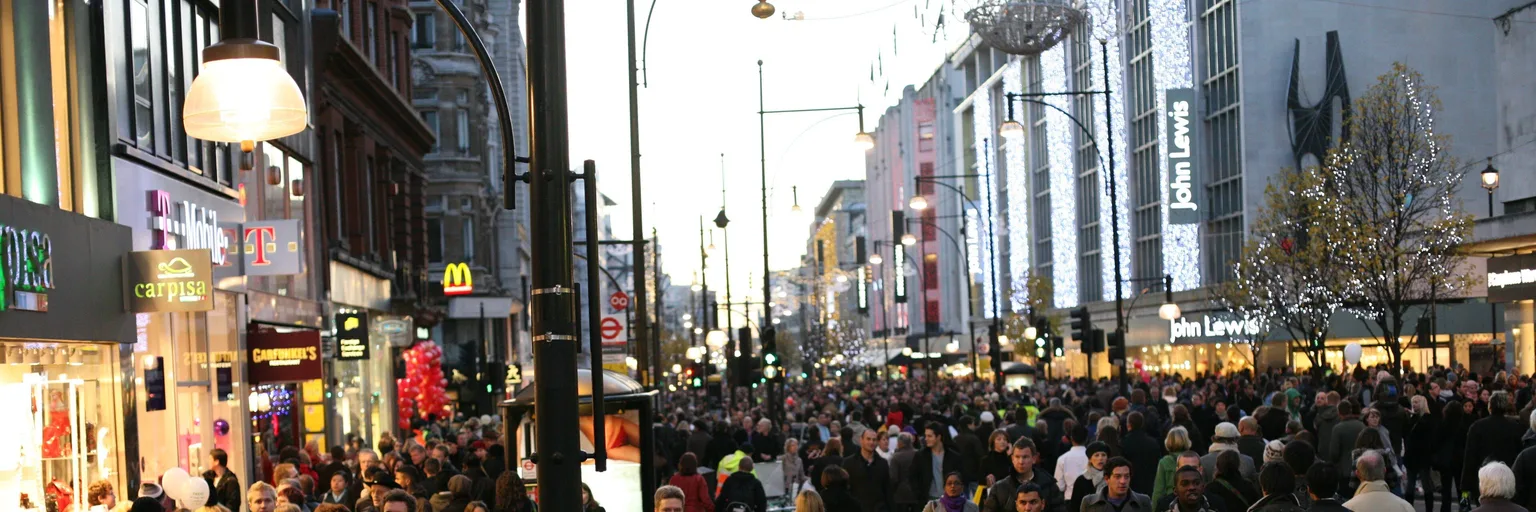
Pedestrianizing London's busiest shopping street is overdue and good for visitors, but it only works if buses, accessibility and the street's tired retail mix get fixed too.
National Geographic's Best of the World 2027 works best when you read the story behind each pick. Madison, Wisconsin, shows the list now rewards human-scale places.
Expedia can put Perugia on more travel wish lists, but Umbria’s real opportunity is turning algorithmic curiosity into longer, more local and more balanced trips.
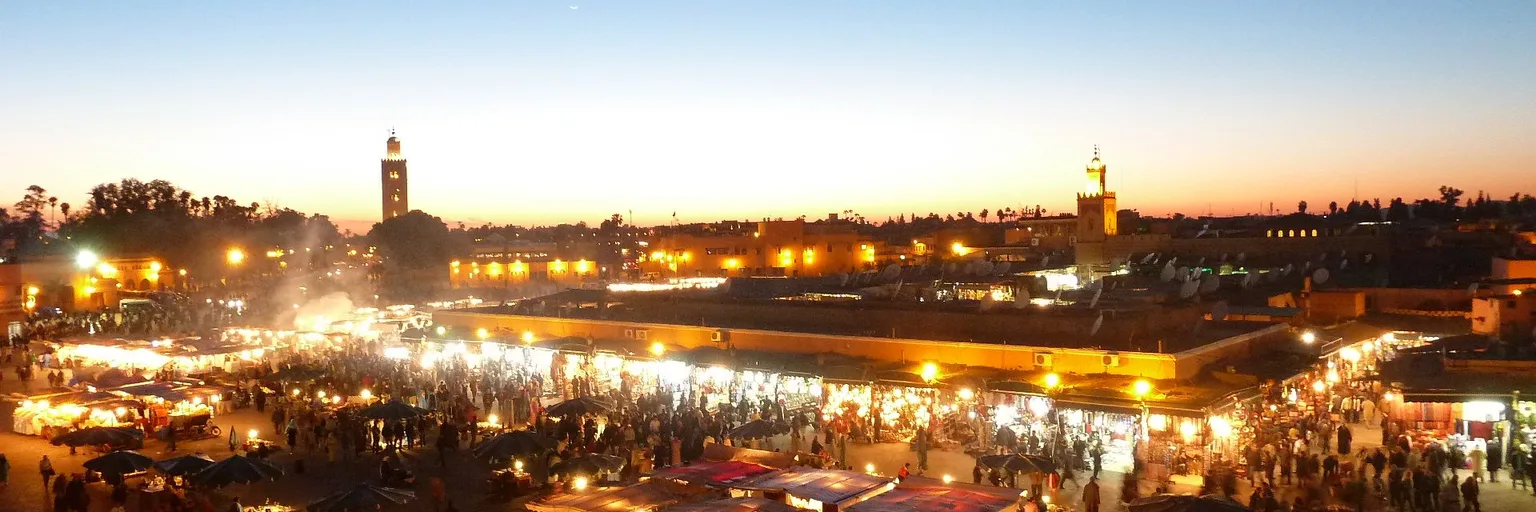
American interest in Morocco is rising after the 2026 World Cup, but the lasting prize will be longer, wider and more responsible journeys—not a brief burst of attention.
Paris is turning catacombs, cemeteries and superstition into a November itinerary. The draw is real, but the best visit should favor history over haunted-house theatrics.
Khao Yai and Thai Nguyen suggest a smarter tourism model: destinations built around domestic curiosity, local identity and slower experiences—not just foreign arrivals.
The 2026 race turns New York into a vast spectator destination, rewarding visitors who spread out across the boroughs instead of crowding Central Park.
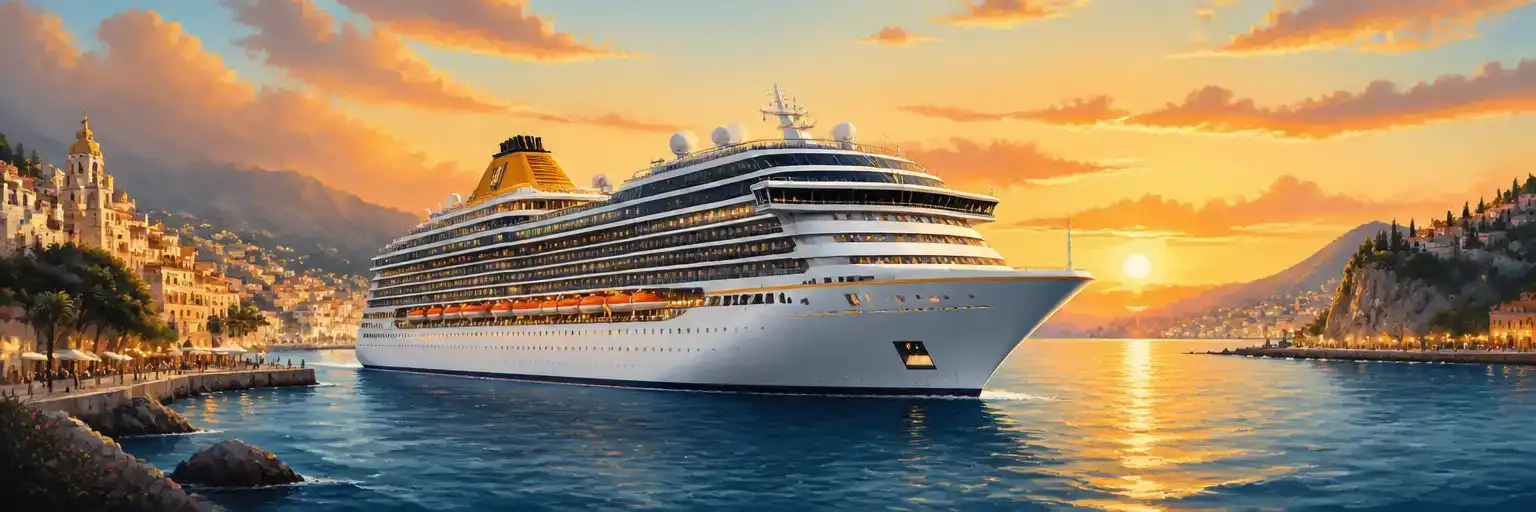
The global cruise industry is set for unprecedented growth, with millions projected to sail by 2027, yet this surge in popularity brings the twin challenges of potential overcrowding and infrastructure strain.
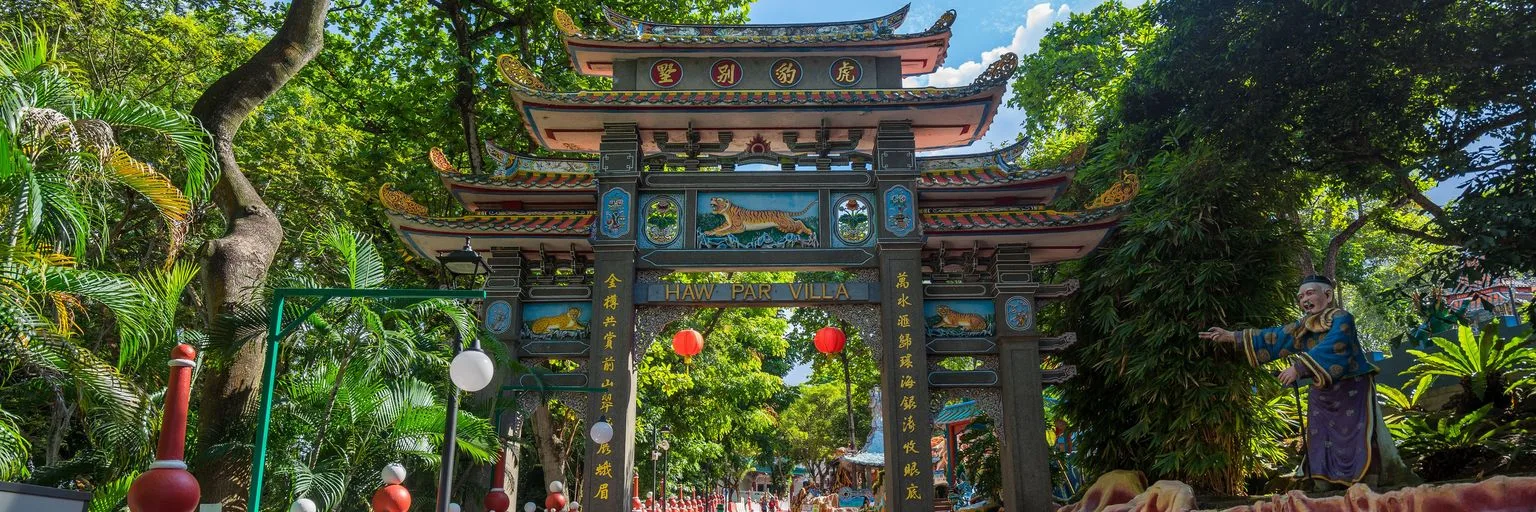
Singapore's Haw Par Villa, with its vivid, sometimes gruesome, depictions of Chinese mythology and morality, offers a profound alternative to conventional theme parks, urging travelers to seek out deeper, more thought-provoking cultural experiences.
Japan's leap to the top of the Travel & Tourism Development Index signals a paradigm shift in global tourism, blending deep cultural richness with strategic visitor experiences to set a new benchmark.
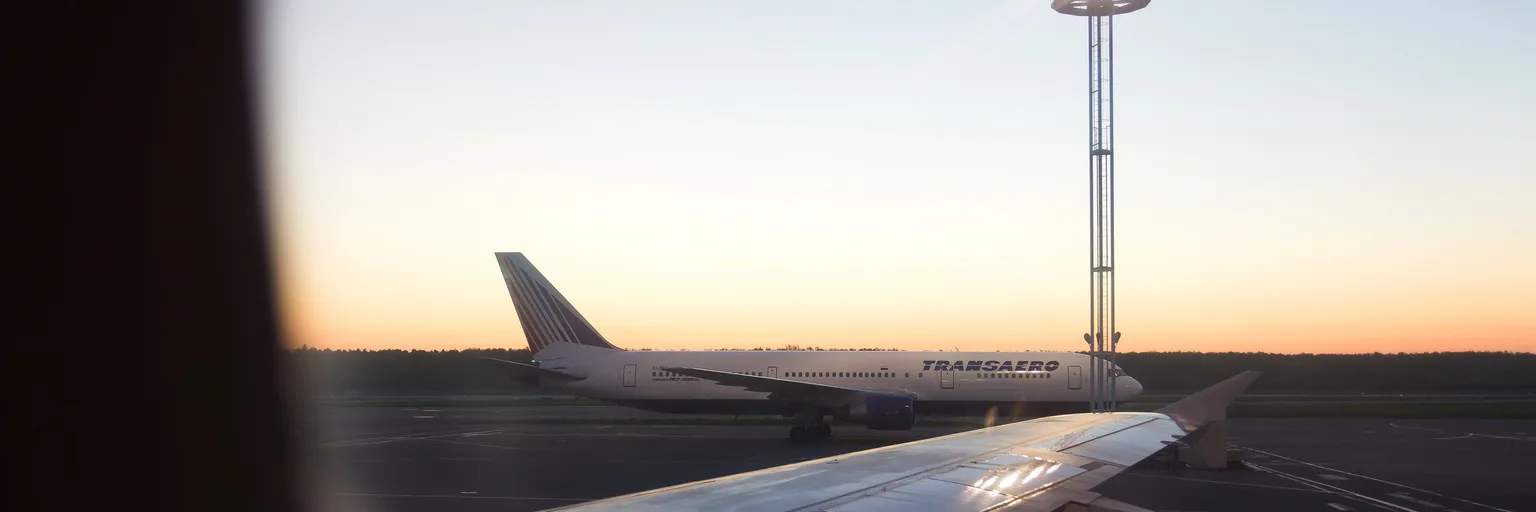
Escalating drone attacks on Russian airports are not just disrupting flights; they are fundamentally altering global perceptions of air travel safety and accessibility in conflict-adjacent regions.
Once a romantic ideal for adventurers, the unique niche of cargo ship travel is slowly disappearing, transformed by global events and the relentless demands of modern logistics.
As familiar Mediterranean getaways become increasingly costly, a growing number of discerning travelers are finding unbeatable value and charm in Eastern Europe for their autumn adventures.
Consumers globally are redefining wealth by prioritizing travel and meaningful experiences, a profound shift reshaping industries and personal values far beyond material acquisitions.
Lonely Planet’s 'Best in Travel' for 2027 is a clear signal of where the tourism industry is heading, prioritizing authentic, sustainable experiences over traditional hotspots and mass travel.
Gen Z is embracing solo travel like no generation before, driven by a profound desire for personal growth, authentic experiences, and unparalleled flexibility.
High-end tourism is moving beyond ostentatious displays, with discerning travelers for 2027 prioritizing intentional, private, and slow-paced experiences that foster deeper connection.
The travel landscape for those over 65 is shifting dramatically, embracing cultural immersion, active exploration, and personalized journeys far beyond traditional relaxation.
As Spain consolidates its lead as the world's most walkable country, its pedestrian-friendly cities offer a compelling vision for sustainable urban exploration, demonstrating clear benefits for travelers and residents alike.
Royal Caribbean's unprecedented commitment to year-round European sailings for 2028/29, involving seven ships, signals a profound shift in the cruise industry's long-term strategy and confidence in the continent's enduring appeal.
While Spain experiences a notable reduction in the frequency and intensity of cold waves, unexpected extreme cold spells remain a possibility, reshaping winter travel expectations until at least 2050.
As the film industry's center of gravity shifts eastward, New Jersey is rapidly ascending as a major production player, transforming its landscape into an unexpected but compelling travel destination for film fans and curious explorers.
While Europe's allure endures, a significant cultural shift is propelling Mexican adventurers towards the vibrant landscapes and rich heritage of Beijing and Tokyo.
Booking.com's 2027 predictions highlight a shift to 'plot twist' trips, a refreshing antidote to over-planned travel that promises deeper engagement and truly memorable experiences.
Forget vague trends; verifiable global events like major sporting tournaments and unique astronomical phenomena are poised to shape where and how we travel in 2027, prioritizing unique experiences over traditional hotspots.
Taiwan's innovative strategy, rewarding returning international visitors, establishes a new standard for national tourism, fostering loyalty and sustained growth beyond transient trends.
Extreme weather, from sudden cold snaps and torrential rains to fierce heatwaves and wildfires, is reshaping Mediterranean travel, demanding a fresh, adaptable approach from visitors.
High-end travel companies are increasingly integrating iconic land destinations like Machu Picchu into their itineraries, transforming how we access and experience the world's most sought-after sites.
Greece’s rise to the premier luxury honeymoon destination for 2027 signifies a monumental shift, prioritizing authentic experiences and diverse itineraries over conventional escapes.
Luxury travel is transforming from opulent indulgence to a quest for extended life, offering high-tech health diagnostics and bespoke well-being programs—but at what cost and with what certainty?
Chinese travelers are increasingly seeking immersive, authentic experiences, challenging global operators to evolve beyond mass tourism toward deep cultural engagement, a trend highlighted by Trip.com Group's recent insights.
The world's driest desert has burst into an unprecedented display of wildflowers, offering a rare and ephemeral spectacle that redefines what a desert destination can be, thanks to an exceptionally strong El Niño.
As Italian travelers increasingly choose Ireland's Shannon region for digital detox getaways, a profound shift is underway, proving that true luxury now lies in the ability to unplug and truly engage with a destination.