The Mediterranean's Changing Seasons: Adapting Your Travel for an Unpredictable Future
Extreme weather, from sudden cold snaps and torrential rains to fierce heatwaves and wildfires, is reshaping Mediterranean travel, demanding a fresh, adaptable approach from visitors.
Photo: Ввласенко / Wikimedia Commons (CC BY-SA 3.0)
Is the idyllic Mediterranean autumn now a relic of the past, or simply a season demanding a new kind of traveler savvy? Recent events suggest that the once predictable charm of a Greek getaway, even in the cooler months, is increasingly giving way to a volatile reality. The familiar narrative of sunny beaches is being challenged by a pattern of extreme weather that demands a fundamental rethink of how we plan our trips.
Just this October, Greece has been battered by severe conditions. Authorities issued warnings across the country, affecting numerous holiday islands, leading to ferry cancellations and school closures, as reported by outlets like Spiegel [20]. Early in the month, heavy storms, torrential rainfall, and widespread flooding struck Crete and other Aegean islands, causing landslides and chaos on roads [21, 22]. Tragically, a tourist on Rhodes was killed by a lightning strike amidst these severe storms [19]. This follows a chaotic April, when strong thunderstorms, heavy rain, floods, and a Saharan dust storm caused chaos, leading to ferry and flight cancellations, as detailed by Reisereporter [18].
The Mediterranean's New Weather Reality
The notion that extreme weather in the Mediterranean is confined to summer heatwaves no longer holds true. While July and August still bring intense heat, with temperatures sometimes climbing to 35°C, or even 40-45°C as seen in 2023 [5, 7], the shoulder and off-seasons are increasingly experiencing their own brand of volatility. For instance, early April 2026 saw an unseasonably cold, polar-origin air mass transported into the Mediterranean, predicted to bring temperatures around 15°C below normal [1]. This deep low-pressure system created conditions for torrential rainfall, severe thunderstorms, and even the potential for tornadoes over the Aegean Sea, with waves reaching up to 7 meters and rainfall exceeding 100 mm in 24 hours in some areas [1].
These events are not isolated. Greece experiences extreme natural phenomena year-round, from wildfires and heatwaves to heavy snowfall and floods [2, 3, 4]. The sheer diversity of these incidents underscores that the region is now prone to sudden, severe weather shifts at any time.
Climate Change Is Accelerating the Shift
The intensifying and diversifying extreme weather events in the Mediterranean are clearly linked to climate change. The region is warming approximately 20% faster than the global average, a fact highlighted by multiple sources, including Plan Bleu and UNEP [8, 12, 15]. This accelerated warming creates conditions ripe for both intensified heatwaves and more violent weather systems when cold fronts interact with warmer seas.
The economic toll is already significant. In 2023, weather- and climate-related hazards caused EUR 26.821 million in damages across Greece, impacting agriculture, tourism, and housing, according to the European Environment Agency [6]. Greek Prime Minister Kyriakos Mitsotakis acknowledged in 2023 that the country is
No topics yet: start the first one.
More stories
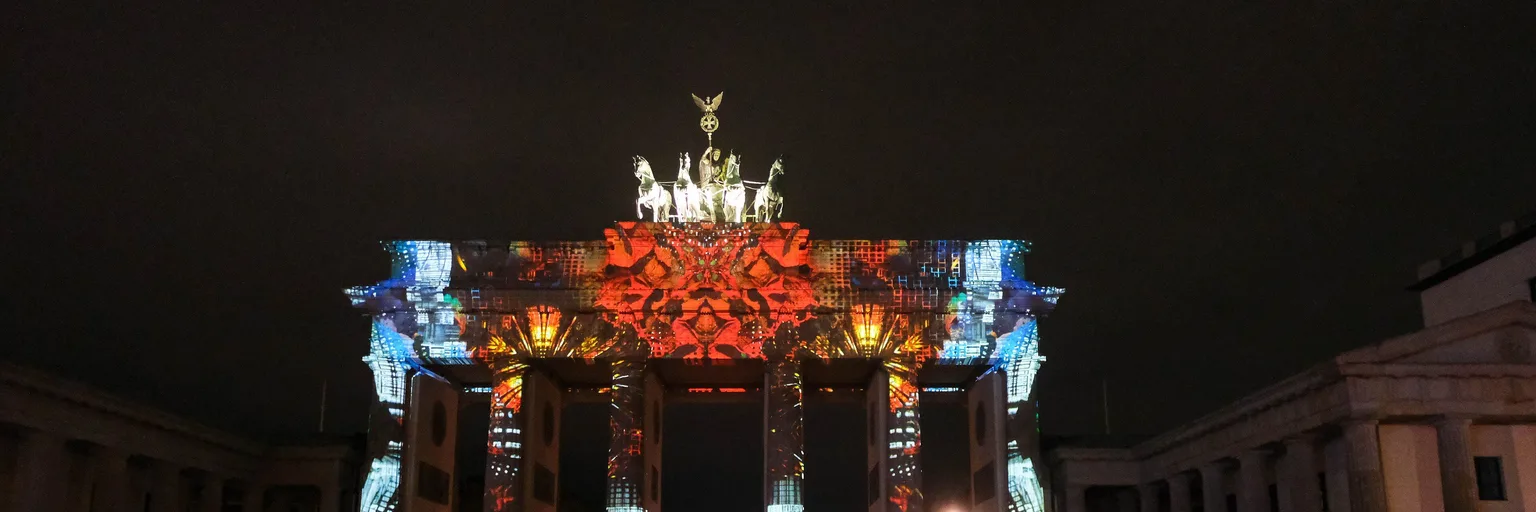
Berlin's Festival of Lights: A Masterclass in Off-Season Allure
Berlin's acclaimed Festival of Lights illustrates how cities can strategically transform traditionally quieter months into vibrant economic and cultural draws, proving that darkness can be as magnetic as summer sunshine.
Croatia's Hidden Gems: Why Solitude Trumps the Crowds
As iconic Croatian destinations grapple with mass tourism, the country's untouched islands and mountainous hinterland offer a compelling alternative for independent travelers seeking authentic experiences.

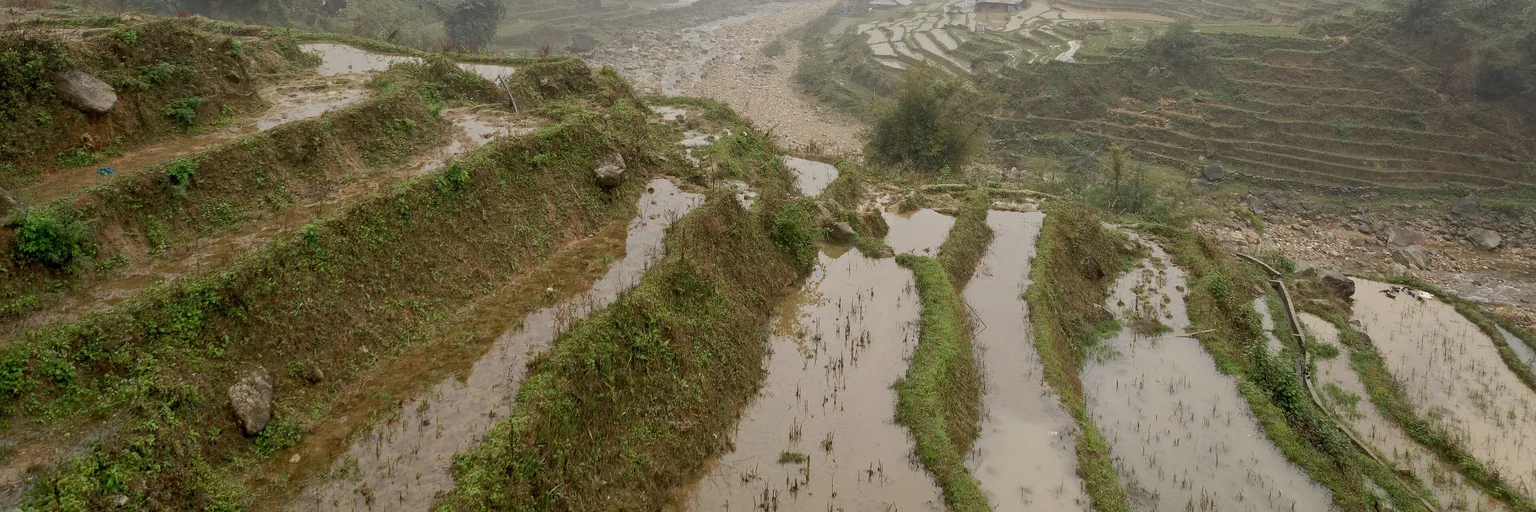
Lao Cai's Terraced Fields: A Blueprint for Next-Gen Sustainable Tourism
Vietnam's Lao Cai province is pioneering a holistic approach to rural tourism, transforming its iconic terraced rice fields into a high-value ecosystem that blends cultural immersion, wellness, and digital innovation for a truly authentic and sustainable travel experience.
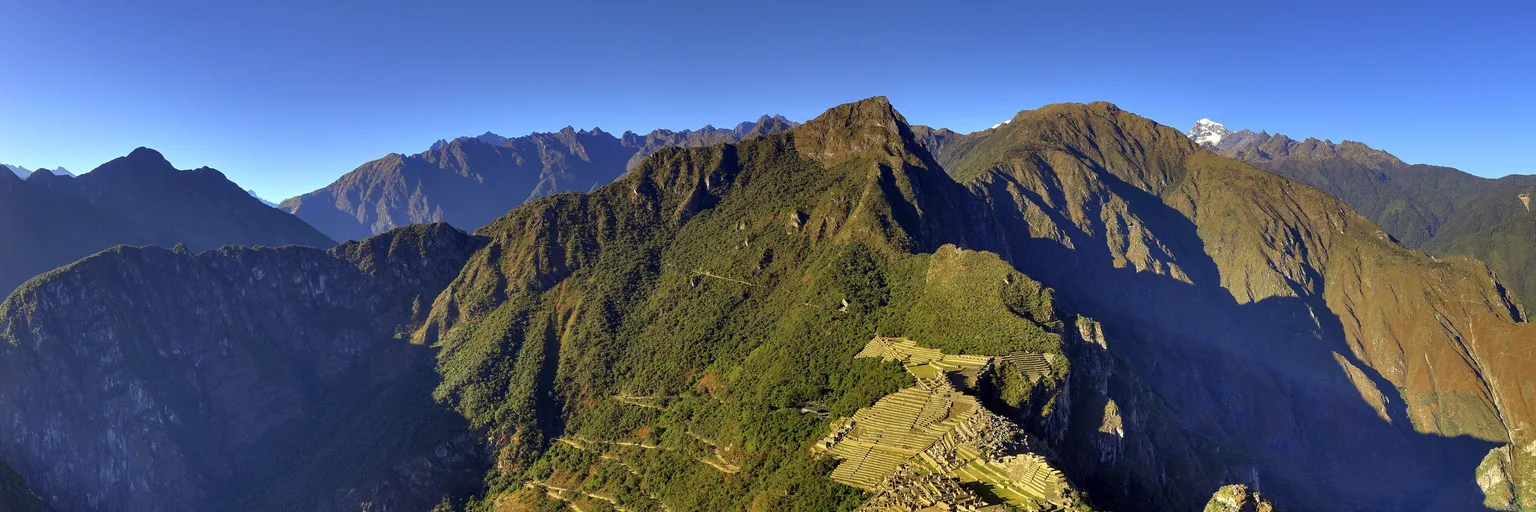
Machu Picchu: Luxury Cruises Chart a New Course to Ancient Peaks
High-end travel companies are increasingly integrating iconic land destinations like Machu Picchu into their itineraries, transforming how we access and experience the world's most sought-after sites.