Croatia's Hidden Gems: Why Solitude Trumps the Crowds
As iconic Croatian destinations grapple with mass tourism, the country's untouched islands and mountainous hinterland offer a compelling alternative for independent travelers seeking authentic experiences.
AI-generated image
Croatia, with its shimmering Adriatic coast and ancient cities, has long captivated travelers. Yet, as iconic locations like Dubrovnik and Split increasingly contend with the effects of mass tourism, a new trend is quietly emerging: independent travelers are seeking out Croatia's quieter, more authentic corners. This shift signals a growing desire for independent exploration and a deeper connection with local culture, away from the well-trodden paths.
According to max-haase.com, while Dubrovnik has been "overrun since Game of Thrones" and Split is "overflowing with cruise ship tourists," Croatia boasts "1,244 islands, 1,778 kilometers of coastline, and a mountainous hinterland that 951 tourists never see," making it ripe for discovery. This perspective suggests that the country's true magic lies beyond its most famous shores, waiting for those willing to venture further.
Unspoiled Islands for the Independent Explorer
For those yearning for tranquility, Croatia's lesser-known islands offer a profound sense of escape. Take Vis, for instance. This island was a Yugoslav military base until 1989, remaining completely closed to tourists, which has preserved its unspoiled charm. Unlike more developed islands, Vis offers two small villages (Vis Town and Komiža), extensive vineyards, olive groves, and some of the Adriatic's clearest waters. Stiniva Bay, accessible by a steep 30-minute descent or boat, presents a breathtaking natural amphitheater of cliffs and turquoise water, a highlight for any visitor.
Further out in the Adriatic lies Lastovo, a 90-minute ferry ride from Korčula. This entire archipelago is a nature park, with about 800 inhabitants, no traffic lights, and notably, some of the lowest light pollution in Europe, allowing the Milky Way to be visible to the naked eye. The island offers marked hiking trails through maquis shrubland and pine forests, leading to secluded coves perfect for solitary enjoyment. The culinary experience on Lastovo can be deeply authentic, with fresh fish, homemade wine, and olive oil often served by local families renting guest rooms, a true taste of Croatian life without the Michelin stars.
Another unique island experience is Pag, which features a barren, rocky, windswept landscape shaped by the Bora wind, giving it a striking, almost Martian appearance. Pag is renowned for its Paški Sir, a celebrated sheep's cheese, and its intricate Pag lace, a UNESCO World Heritage Site. In Pag's old town, visitors can observe women meticulously crafting this delicate lace by hand. For the adventurous, the Kornati National Park consists of 89 uninhabited islands and reefs, accessible by boat tour from places like Murter, Zadar, or Šibenik. These day trips often include swimming, lunch, and snorkeling in secluded bays, providing a unique immersion in a starkly beautiful, otherworldly seascape.
Inland Charms and Historical Wonders Beyond the Coast
Moving away from the coast, Croatia's mountainous hinterland and historical towns offer different, equally captivating experiences. The Učka mountain in Istria, standing at 1,396 meters, is the highest peak in the region and offers panoramic views stretching from Venice to the Slovenian Alps on a clear day, reminiscent of Madeira's Pico tour but without the crowds. An ascent from Lovran takes about three hours, winding through beech forests and alpine meadows.
On the Pelješac Peninsula, about 50 kilometers northwest of Dubrovnik, lies Ston, often overlooked by travelers speeding past. Its impressive 5.5-kilometer-long city walls are the second longest in Europe after Rome's Aurelian Walls, built in the 14th century to protect salt production. A 45-minute walk along these walls offers magnificent views over the peninsula, the salt pans (which turn pink at sunset), and the Adriatic. Ston is also celebrated for its oysters, with farms in Mali Ston Bay producing some of Europe's finest, often served fresh from the fisherman with local white wine for a memorable culinary experience.
Further north, in the green, hilly Zagorje region, Trakošćan castle is a picturesque white castle on a hill, surrounded by an artificial lake and dense forests. Max Haase notes that in autumn, when the leaves change color, it resembles a painting. The castle houses a museum, and a walking path circles the lake. Nearby villages serve traditional Zagorje cuisine like Štrukli (filled dumplings) and Purica z mlincima (turkey with flatbread), paired with local sparkling wine.
This evolving landscape of travel in Croatia suggests a profound opportunity for independent adventurers. By embracing these lesser-known, authentic destinations, travelers can forge deeper connections with the country's diverse landscapes, rich history, and vibrant local culture, proving that the real magic of Croatia lies far beyond its most famous shores.
No topics yet: start the first one.
More stories
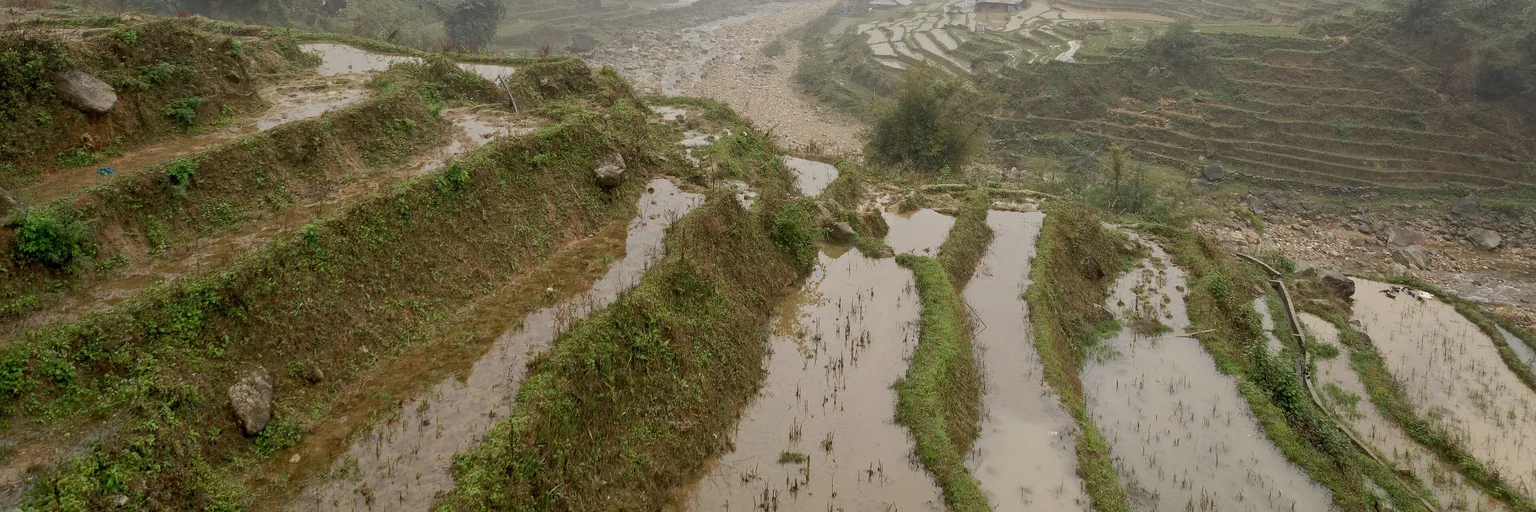
Lao Cai's Terraced Fields: A Blueprint for Next-Gen Sustainable Tourism
Vietnam's Lao Cai province is pioneering a holistic approach to rural tourism, transforming its iconic terraced rice fields into a high-value ecosystem that blends cultural immersion, wellness, and digital innovation for a truly authentic and sustainable travel experience.
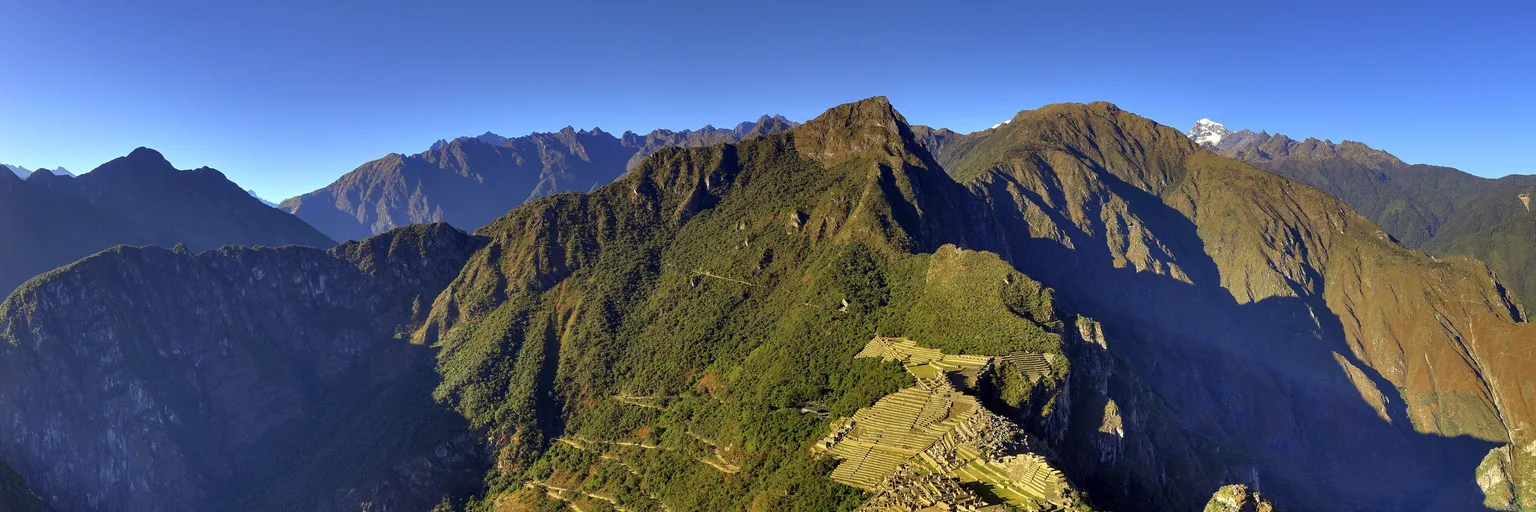
Machu Picchu: Luxury Cruises Chart a New Course to Ancient Peaks
High-end travel companies are increasingly integrating iconic land destinations like Machu Picchu into their itineraries, transforming how we access and experience the world's most sought-after sites.
Rwanda's F1 Grand Prix: A High-Stakes Bet to Reshape African Tourism
Rwanda's audacious 10-year deal to host Formula 1 from the early 2030s is a high-stakes strategy, aiming to redefine the nation as a global hub for sports, tourism, and investment in Africa.
Lapland's New Luxury: Why Igloos Are Just the Start of Arctic Indulgence
Finnish Lapland is redefining high-end travel, evolving beyond traditional winter activities to offer a range of unique, immersive, and luxurious experiences that go far beyond the classic glass igloo.