2027: The Year Event-Driven Travel Will Redefine Global Exploration
Forget vague trends; verifiable global events like major sporting tournaments and unique astronomical phenomena are poised to shape where and how we travel in 2027, prioritizing unique experiences over traditional hotspots.
AI-generated image
Are we finally moving beyond the perennial tourist highlights? For years, travel has often meant a checklist of iconic landmarks and bustling capitals. But as we look toward 2027, the landscape of global exploration appears to be undergoing a profound transformation, with leading travel insights pointing to a clear shift towards destinations driven by verifiable, compelling events rather than just 'vibes.'
While major players like Lonely Planet are yet to release their official 2027 forecasts, others like Expedia and Skyscanner are already offering glimpses into shifting traveler preferences. These insights, often based on extensive search and booking data, suggest a burgeoning interest in destinations offering genuine cultural immersion and sustainable practices. However, the most definitive travel magnets for 2027 are a series of hard, checkable events that provide concrete reasons to visit specific places at specific times.
The Magnetic Pull of Global Events
Unlike aspirational bucket lists, 2027's calendar is packed with unique, time-sensitive occurrences that will undoubtedly direct traveler flows. This emphasis on event-driven travel marks a significant evolution in how journeys are planned. It moves beyond generic 'best places' to specific 'best times to be there.'
Consider Namibia, a country that has never before hosted a match in a global cricket tournament. That changes dramatically in 2027, when Windhoek will host three matches of the Men's ODI World Cup from October 4 to November 21, co-hosted with South Africa and Zimbabwe. For Namibia, these three games are a monumental occasion, drawing a global spotlight. The travel case for Namibia is further bolstered by Condor's planned resumption of direct Frankfurt to Windhoek flights from the end of June 2027, running thrice weekly. This direct flight coinciding with a historic tournament creates a powerful incentive for visitors, offering both the excitement of live sport and the opportunity to experience Etosha's dry-season game viewing at its peak.
Australia is another prime example, set to host two rare events within a single calendar stretch. The Men's Rugby World Cup expands to 24 teams for the first time, spreading across seven cities from October 1 to November 13, 2027. Sydney will host the final, offering a vibrant backdrop for rugby enthusiasts. Crucially, the same October marks the launch of Qantas's historic nonstop flight from Sydney to London, a journey of up to 22 hours on a purpose-built Airbus A350-1000ULR. Tickets are set to go on sale in February 2027. This unprecedented air link offers travelers a seamless way to combine attending a major sporting event with a groundbreaking long-haul flight experience.
A Celestial Spectacle and Cultural Deep Dives
Beyond sports, astronomical phenomena are also creating unmissable travel opportunities. On August 2, 2027, Luxor, Egypt, will be directly in the path of a total solar eclipse lasting an astonishing 6 minutes and 23 seconds. This is the longest stretch of totality anywhere on land until 2114, more than double the typical duration of an eclipse. The Nile Valley, with its ancient temples of Karnak and the Valley of the Kings, sits almost directly on the path, offering a truly unique setting to witness this rare celestial event. Eclipse chasers are already treating this as a once-in-a-lifetime opportunity, indicating a significant draw to Egypt during this period.
Alongside these headline events, a broader shift towards unique, less-trodden paths is also evident. While the specific claim about Sedona, Arizona, lacking documentation, other sources highlight destinations like Mallorca, poised to shine for its slow travel and 'hidden Mediterranean' appeal, and less-explored Japanese regions such as Kanazawa, Takayama, or Hokkaido, offering alternatives to more crowded spots. Even more accessible U.S. destinations like Daytona Beach and Vero Beach are seeing significant increases in search interest, according to Skyscanner.
Ultimately, 2027 is shaping up to be a year where travel is less about following the crowd to well-worn landmarks and more about strategic planning around compelling, verifiable experiences. Whether it's the roar of a stadium in Windhoek, the thrill of a nonstop flight to Sydney, or the awe of a solar eclipse over Luxor, the smart traveler will be those who pinpoint these unique catalysts and plan their adventures accordingly.
No topics yet: start the first one.
More stories
The Mediterranean's Changing Seasons: Adapting Your Travel for an Unpredictable Future
Extreme weather, from sudden cold snaps and torrential rains to fierce heatwaves and wildfires, is reshaping Mediterranean travel, demanding a fresh, adaptable approach from visitors.

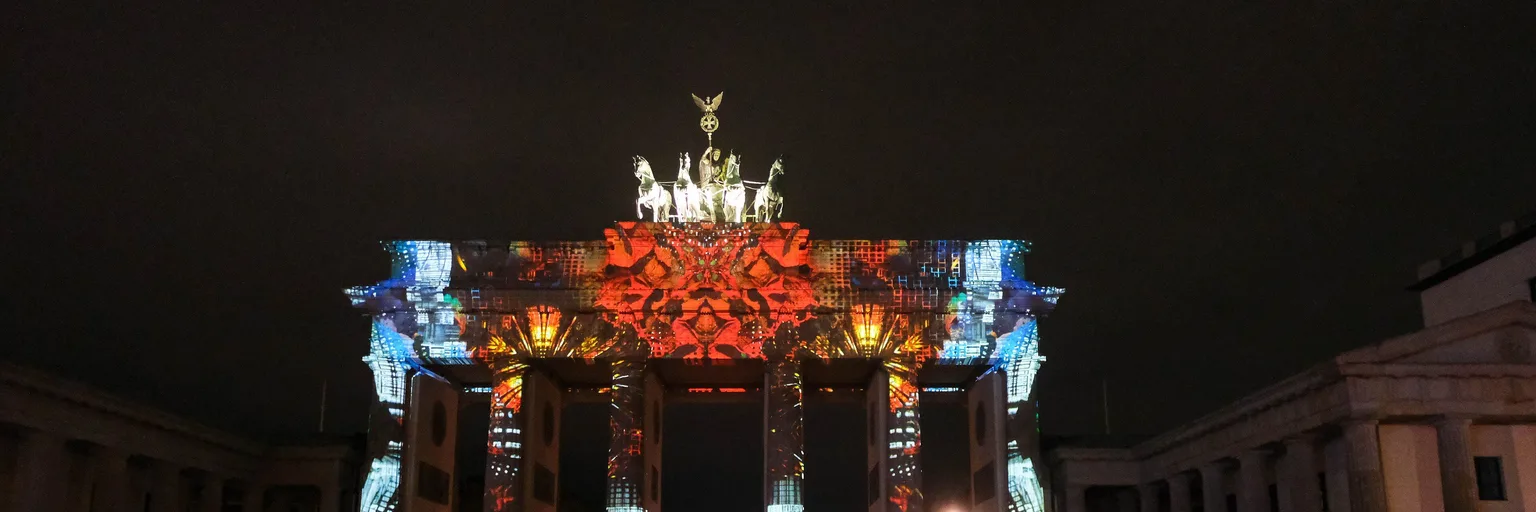
Berlin's Festival of Lights: A Masterclass in Off-Season Allure
Berlin's acclaimed Festival of Lights illustrates how cities can strategically transform traditionally quieter months into vibrant economic and cultural draws, proving that darkness can be as magnetic as summer sunshine.
Croatia's Hidden Gems: Why Solitude Trumps the Crowds
As iconic Croatian destinations grapple with mass tourism, the country's untouched islands and mountainous hinterland offer a compelling alternative for independent travelers seeking authentic experiences.

Lao Cai's Terraced Fields: A Blueprint for Next-Gen Sustainable Tourism
Vietnam's Lao Cai province is pioneering a holistic approach to rural tourism, transforming its iconic terraced rice fields into a high-value ecosystem that blends cultural immersion, wellness, and digital innovation for a truly authentic and sustainable travel experience.