New York’s 50th Marathon Is Bigger Than the Finish Line
The 2026 race turns New York into a vast spectator destination, rewarding visitors who spread out across the boroughs instead of crowding Central Park.
Photo: Steven Pisano from Brooklyn, NY, USA / Wikimedia Commons (CC BY 2.0)
A marathon is usually sold as a finish line with a city attached. The 2026 TCS New York City Marathon reverses that formula: New York itself is the event, and Central Park is merely the last chapter. For visitors, the smartest question is not where to stand at the end, but how to experience the five boroughs without adding to the weekend’s congestion.
On November 1, the race will mark the 50th anniversary of its five-borough course. The route is also changing for the first time in 15 years, with adjustments in the Bronx section. New York Road Runners says the anniversary has prompted a year-long celebration, while the event is expected to bring together about 60,000 runners and more than 2 million spectators, according to the event’s travel information.
That scale makes the marathon an unusually revealing travel moment. It showcases New York’s neighborhoods, but it also tests how visitors move, sleep, watch and leave when the city’s normal rhythms are interrupted.
The best marathon experience may be a moving one
The finish in Central Park is the obvious choice, and it is also the least imaginative one. The park offers the emotional climax, but it is expected to be crowded, with standing-viewing access subject to security screening and capacity limits. Grandstand seating requires a ticket. For anyone without a specific runner to support, the final straightaway may deliver atmosphere at the cost of perspective.
The more rewarding strategy is to choose a neighborhood and stay with it. Fourth Avenue in Brooklyn, Williamsburg and Greenpoint, First Avenue in Manhattan, East Harlem and Fifth Avenue are all identified as viewing areas. Each offers a different version of the city: the early force of Brooklyn, the density of Manhattan, the neighborhood energy of Harlem or the grand urban backdrop of the final miles.
First Avenue, around Miles 16 to 18, is especially compelling because the race has become a test of endurance by that point. The crowds are not simply watching a competition; they are helping exhausted runners continue. East Harlem, around Miles 18 to 20, offers a similar sense of participation before the final push. In our view, these sections are better travel experiences than treating the marathon as a single spectacle in a park.
If you are following one runner, the NYRR app can help estimate arrival times. But spectators should resist the urge to chase multiple locations. Race-day road closures can significantly alter travel times, and the organizers recommend public transportation. One good viewing position, followed by a neighborhood meal or walk, is likely to be calmer—and more memorable—than an ambitious dash across the route.
Staying outside the finish zone is the smarter choice
Manhattan remains convenient, especially for visitors who want museums, restaurants and the finish nearby. Yet convenience is not the same as quality. A hotel close to Central Park places travelers near the most crowded part of the day, while a stay near another section of the course can turn the marathon into a broader introduction to New York.
That is the real opportunity in the 2026 race. The route begins on Staten Island, crosses Brooklyn and Queens, reaches Manhattan, passes through the Bronx and returns to Manhattan for the final miles. A visitor who sleeps near one of those earlier neighborhoods is not merely choosing cheaper or closer logistics—nothing in the supplied information establishes that prices will be lower—but choosing a different relationship with the city.
A Brooklyn or Queens base could make the opening stages feel like a local event rather than a Manhattan takeover. A stay near East Harlem would put visitors close to one of the race’s most emotionally charged sections. Midtown works for access to the expo at the Jacob Javits Convention Center, but it should be treated as a launch point, not the whole destination. The marathon’s geography is telling travelers to look outward, and we think they should listen.
The course change makes distribution more important
The adjustments to the Bronx section are described as minor, but even small changes matter when an event moves tens of thousands of people through a dense city. CBS New York reports that the 26.2-mile course is changing in the Bronx as NYRR marks the 50th anniversary. The change may not transform a visitor’s itinerary, but it reinforces a larger point: the marathon is infrastructure in motion.
Road closures, altered services and crowded transfer points are not side issues for travelers. They determine whether a carefully planned day feels fluid or frustrating. Visitors should check NYRR and MTA updates before leaving, allow more time than a map suggests and avoid building a schedule that depends on crossing the course repeatedly.
This is where race tourism becomes a city-planning test. New York benefits when visitors spend time and money across several boroughs, but it also has to absorb concentrated demand in public spaces, hotels, transit and restaurants. The best spectator behavior is therefore not passive: choose one area, use public transportation where practical, respect barriers and let the neighborhood remain more than a backdrop for a photo.
The anniversary deserves more than a commemorative weekend
The 50th anniversary gives the marathon symbolic weight, but anniversaries can easily become exercises in branding. NYRR is celebrating the milestone with limited-edition merchandise and has set a goal of raising $100 million, according to its October announcement. Those efforts may add energy, but the lasting value should be measured by how well the event connects visitors with the city beyond its most famous postcard views.
For runners, the race is already a journey through all five boroughs. Spectators should claim the same privilege. Arrive early, pick a section with a clear reason for being there, and plan a meal or cultural stop nearby rather than attempting to consume the entire course. Families supporting a participant should agree on a meeting point in advance; the finish-area crowds are not a place to improvise.
Our verdict is clear: do not plan the 2026 New York City Marathon as a Central Park weekend with a race attached. Choose a borough, watch the runners where the city feels most itself, and let the finish be something you follow—not the only thing you came to see. That approach is better for the traveler, more interesting for the city and, probably, kinder to an event already operating at enormous scale.
No topics yet: start the first one.
More stories
Callelongue’s Semaphore Shows Marseille a Better Way to Welcome Visitors
The restored semaphore above Marseille’s Calanques makes a case for limited, meaningful access: heritage can deepen a visit without creating another crowded hotspot.

Birdwatching Is the Smarter Way to Travel With a Purpose
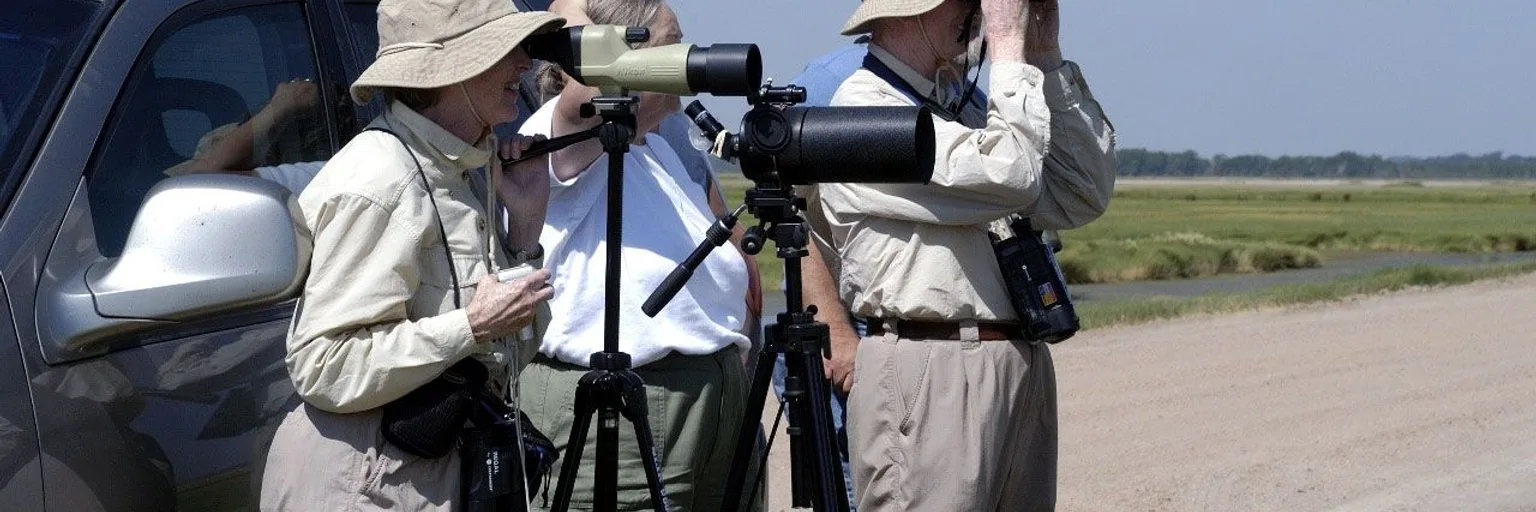
Bird-focused trips turn a fleeting natural moment into a reason to explore rural destinations—provided tourism protects the habitats that make the journey worthwhile.
Cinque Terre Is Better in Autumn—If It Avoids a New Rush
Lower prices, quieter lanes and a richer walking season make autumn the smarter Cinque Terre escape—unless cheaper stays simply create another social-media stampede.

Why a Motorcycle Journey Through Patagonia is the Ultimate Adventure
Forget mere sightseeing; the rise of demanding motorcycle expeditions through untamed landscapes like Patagonia reveals a profound shift towards raw, challenging, and immersive travel where the journey itself is the ultimate reward.