Cinque Terre Is Better in Autumn—If It Avoids a New Rush
Lower prices, quieter lanes and a richer walking season make autumn the smarter Cinque Terre escape—unless cheaper stays simply create another social-media stampede.
Photo: Photoexpo / Wikimedia Commons (CC BY-SA 4.0)
The Cinque Terre’s biggest problem may be its greatest autumn opportunity: the destination is finally becoming more attractive when summer’s pilgrimage fades. In October, the villages can feel less compressed, accommodation prices ease, and the trails become more plausible as a way to travel rather than a queue with a view. That is a compelling case for going now—but only if visitors resist turning the season into the next viral loophole.
The shift is already visible in the way the region is being discussed. Recent travel coverage describes autumn as a slower version of the Cinque Terre, with emptier lanes, lighter accommodation prices and more enjoyable hiking. The park’s official Walking Park program also runs through October 31, offering organized trekking, themed tours and experiences built around nature, culture and local tradition through the Cinque Terre Walking Park.
Autumn rewards travelers who walk beyond the postcard route
The Cinque Terre is often consumed as five dramatic village views connected by trains. That is the least interesting way to understand it. The landscape is a network of vineyards, terraces, sanctuaries, stone stairways and ridgelines, and autumn is a better invitation to slow down and explore that larger geography.
Riomaggiore and Manarola offer routes through vineyards and elevated viewpoints, while trails around Volastra, Telegrafo and the sanctuaries open a different perspective on the coast. Some paths are steep, but that is precisely why the region should be approached as walking country rather than a checklist of harbors. The reward is not merely a photograph; it is seeing how the villages sit inside a cultivated, lived-in landscape.
The Walking Park calendar strengthens that argument. Organized activities can give a visit more texture than simply arriving, taking the same iconic image as everyone else and leaving on the next train. In our view, this is the kind of tourism the Cinque Terre needs: experiences that distribute attention across the territory and give visitors reasons to stay longer.
Lower prices are useful only when they encourage longer stays
Cheaper accommodation is the most practical reason to consider autumn. It changes the economics of the trip, especially for travelers who would otherwise treat the Cinque Terre as a rushed day excursion. A lower room rate can make it easier to stay in the area, eat locally and visit several villages over multiple days instead of adding another peak-season crowd to an already pressured itinerary.
But lower prices alone are not a sustainability strategy. If they simply make October the new bargain season for short-form travel, the villages will gain a second rush rather than genuine relief. The test should be whether autumn visitors spend more time, move more slowly and look beyond the most photographed sections of the coast.
That means resisting the urge to make the Via dell’Amore the entire purpose of the trip. The approximately 900-meter route between Riomaggiore and Manarola is tightly managed: access uses 30-minute time slots, with a maximum of 200 people per slot, and the walk is one-way. It is a useful example of controlled access, but also a warning. Even a beautiful route becomes less appealing when the visitor experience is organized around scarcity and social-media demand.
The smartest pass is the one that matches your pace
Autumn also makes the practical side of the visit easier to reason about. The 2026 Cinque Terre Card uses seasonal pricing, with weekdays in October classified in the low-season category. The one-day adult Train Card ranges from 22 euros to 35 euros depending on the date, while the Trekking Card costs 10 euros per adult per day on standard days and 15 euros on peak days according to the 2026 card information.
Those prices do not automatically make a pass worthwhile. The Train Card makes most sense for visitors moving between villages repeatedly, particularly when combining train travel with a paid coastal trail. Travelers who plan to walk free higher trails and spend more time in one village may not need it. Buying for convenience without considering the itinerary is exactly the kind of frictionless tourism the region should avoid.
The important point is that autumn allows a more deliberate plan. Visitors can base themselves in one village, use trains when they genuinely save time and devote a day to inland routes rather than treating the entire park as a sequence of quick stops. That is a better experience and, probably, a healthier pattern for the destination.
The villages should turn seasonal relief into a permanent habit
The Cinque Terre cannot solve overtourism by making every month equally crowded. Its advantage is that autumn offers a natural pressure valve: lighter prices, a fuller calendar of walking experiences and a landscape that rewards patience. The danger is marketing that relief so aggressively that it disappears.
The destination’s future should favor dispersion over volume. Promote lesser-used trails, support activities through October, encourage overnight stays and make the villages feel like places to inhabit rather than backdrops to capture. Visitors have a role, too: choose autumn for its slower rhythm, not because it is the latest hack for seeing the same famous viewpoints.
Our verdict is clear: October is the smarter Cinque Terre trip, especially for travelers who want hiking, local food and time enough to notice the landscape between the villages. Go—but stay longer, walk wider and leave the viral shortcut mentality at home. Otherwise, the season that could save the Cinque Terre will merely become its next crowd.
No topics yet: start the first one.
More stories
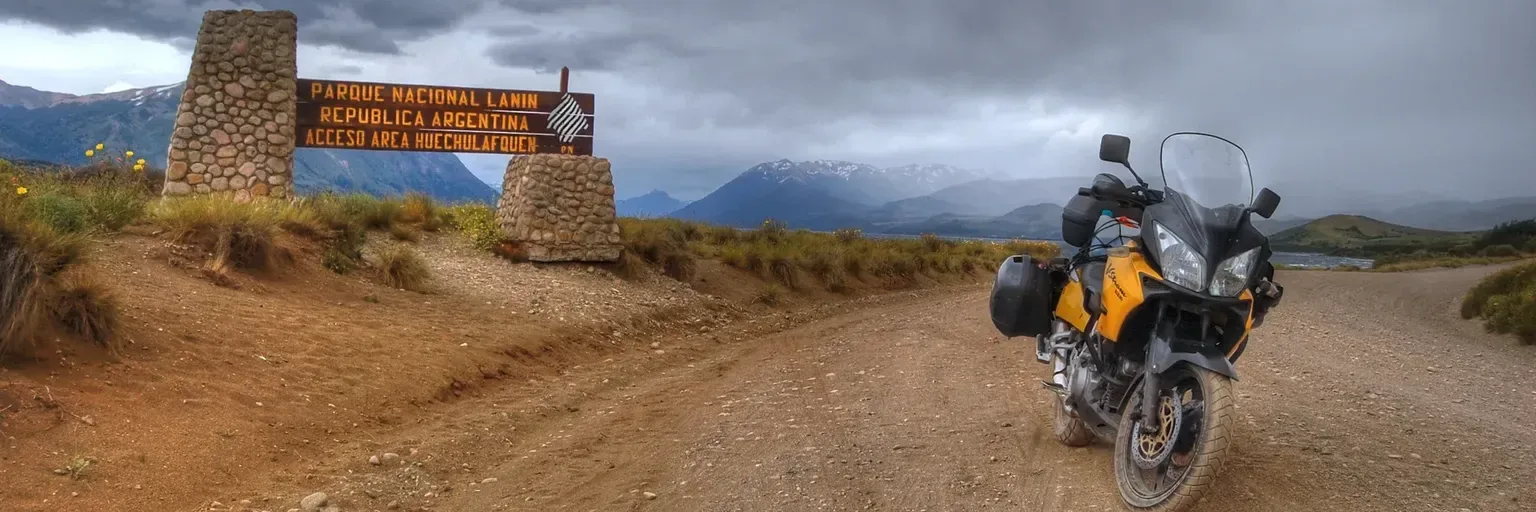
Why a Motorcycle Journey Through Patagonia is the Ultimate Adventure
Forget mere sightseeing; the rise of demanding motorcycle expeditions through untamed landscapes like Patagonia reveals a profound shift towards raw, challenging, and immersive travel where the journey itself is the ultimate reward.
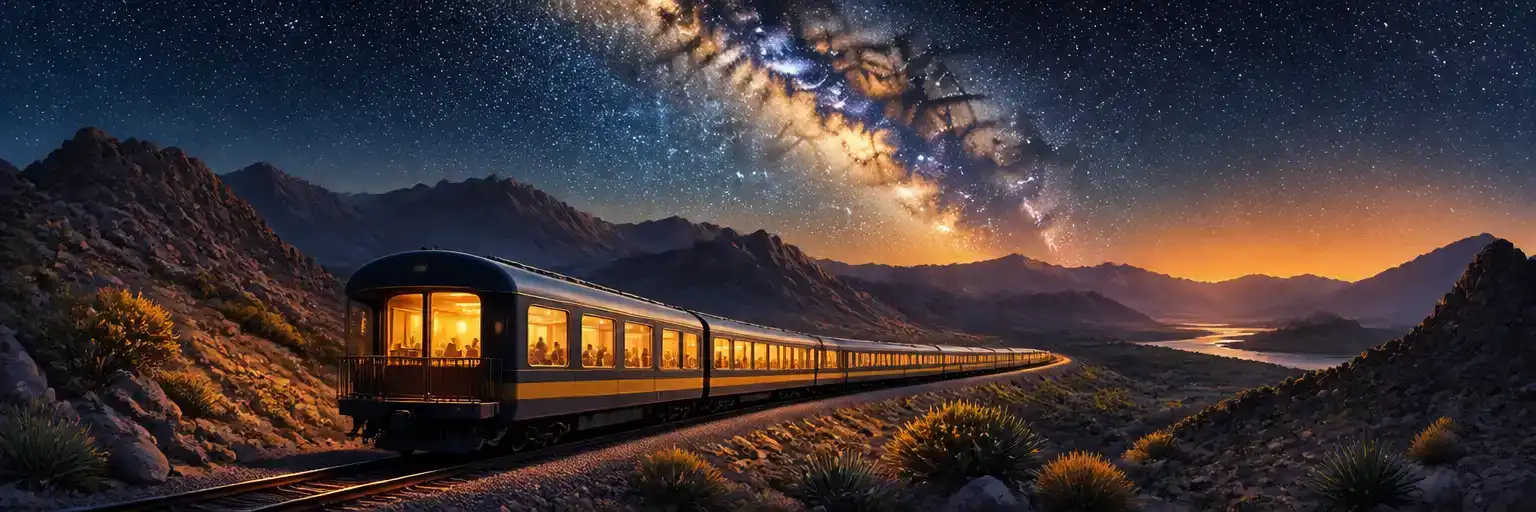
Stargazing Trains: The Rise of Immersive Journeys
Specialized train tours for celestial observation signal a profound shift in travel, embracing deep immersion in nature over traditional sightseeing.
Eastern Europe's Autumn Appeal: A Smarter Sun Escape Than You Think
As familiar Mediterranean getaways become increasingly costly, a growing number of discerning travelers are finding unbeatable value and charm in Eastern Europe for their autumn adventures.
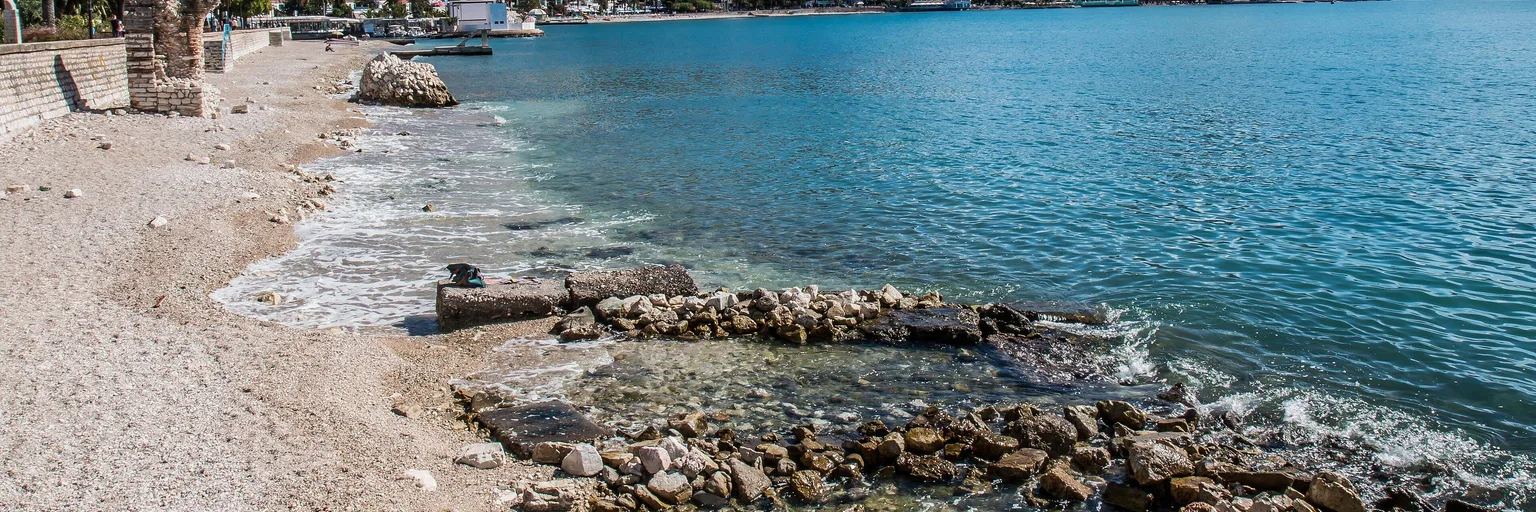
Winter Islands: Europe's Best-Kept Warm Secrets
Beyond the ski slopes, a collection of European islands offers a compelling alternative for winter escapes, blending mild temperatures with unique natural and cultural experiences.