Lisbon’s double win proves a tourism strategy—not a perfect city
Lisbon’s 2026 awards validate its international appeal and coordinated tourism pitch, but they cannot settle the harder question: who benefits from the city’s success?
Photo: Jakub Hałun / Wikimedia Commons (CC BY 4.0)
Lisbon has just won the tourism equivalent of a standing ovation. The city was named Europe’s Leading City Destination and Europe’s Leading Cruise Destination at the World Travel Awards Europe 2026. But applause is not the same thing as proof. A destination can be excellent at attracting attention without answering every question about how tourism fits into urban life.
The awards, presented on October 17, 2026, in Montenegro, are meaningful evidence of Lisbon’s appeal and of the strength of its promotional machine. They are not a universal verdict on the city. In our view, that distinction matters precisely because Lisbon’s success looks increasingly like a model other destinations will want to copy.
Lisbon has turned tourism into a coherent proposition
The most interesting thing about this double recognition is not either trophy on its own. It is the combination. Lisbon is being rewarded both as a city to explore and as a gateway for cruise visitors. That suggests a destination with a broad, legible promise: culture, heritage, hospitality and urban atmosphere for a stay, plus the infrastructure and services required to receive a very different kind of traveler by sea.
The city’s tourism association describes the strategy in similarly broad terms: qualify the tourism offer, value heritage and culture, and spread experiences across the Lisbon metropolitan area. Its stated ambition is to encourage visitors to stay longer, discover different parts of the territory and create more economic and social value. That is a much smarter pitch than simply chasing bigger arrival numbers, even if awards alone cannot demonstrate that the ambition has been achieved. DN reports the association’s strategy.
This is where Lisbon offers a useful lesson. Strong destination branding is not just a slogan or a beautiful viewpoint. It is the work of aligning a city’s cultural assets, hospitality businesses, port, surrounding communities and visitor messaging so they reinforce one another. Lisbon’s double win makes that alignment visible from the outside.
The cruise trophy is a strength—and a test
Lisbon’s cruise recognition is particularly revealing because it exposes the economic logic behind the city’s tourism model. The capital won Europe’s Leading Cruise Destination for the sixth time, after previous wins in 2009, 2014, 2016, 2020 and 2022. The Port of Lisbon has also won Europe’s Leading Cruise Port nine times, most recently in 2023, according to Jornal Económico.
That record indicates continuity rather than a one-off marketing triumph. The port and tourism community have built a recognizable position in a competitive European market, and the port administration says cruise activity supports commerce, hotels, restaurants and services. For a city seeking economic value beyond a single neighborhood or attraction, that diversification is attractive.
But cruise tourism also makes the limits of award language impossible to ignore. A destination can be highly effective at welcoming ships while still facing difficult questions about the intensity, distribution and quality of visitor activity. The documentation does not provide evidence about residents’ satisfaction, visitor congestion or the net local impact of cruise calls, so we should not pretend the awards answer those questions. They simply confirm that Lisbon is winning the competition to be noticed and selected.
That distinction should make the prize more useful, not less. Cruise success is an asset when it connects visitors with local businesses and encourages deeper exploration. It is a weaker achievement if the city becomes merely a polished stop between embarkation and departure. Lisbon’s own stated goal of longer stays and broader territorial discovery is therefore the right standard against which to judge the model.
The real product is Portugal’s range, not Lisbon alone
Lisbon is also benefiting from a national tourism story that gives travelers reasons to move beyond the capital. Portugal was named Europe’s Leading Destination for 2026 for the second consecutive year. Porto won Europe’s Leading Cultural City Destination, while the Douro Valley, Alentejo, Algarve, Madeira and the Azores each received major recognition in different categories, from wine and beaches to islands and adventure travel. Wine Tourism in Portugal summarizes the wider awards picture.
That breadth may be Portugal’s strongest competitive advantage. Lisbon can function as an introduction, but the country’s award map encourages a more varied itinerary: urban culture followed by vineyards, coast, islands or slower rural landscapes. In principle, this is better for travelers and better for destination management than treating one capital as the entire national product.
Other cities should copy that principle, not Lisbon’s surface appearance. The transferable idea is to connect a compelling core destination with distinct nearby experiences and to make the whole journey feel coherent. Copying Lisbon’s visual identity, cruise offer or promotional vocabulary without equivalent cultural depth would produce imitation, not strategy.
Awards are signals, not a resident satisfaction survey
The World Travel Awards are presented as industry distinctions and are decided through votes from tourism professionals and an international public. That makes them useful as a measure of visibility, reputation and perceived excellence. It also defines what they cannot measure by themselves: whether housing is affordable, whether public space feels overburdened, whether tourism jobs are high quality or whether everyday city life is improving alongside visitor numbers.
This is not an argument to dismiss the awards. Lisbon deserves to use them. Recognition can help attract investment, strengthen local businesses and give travelers confidence when choosing among competing European cities. The problem begins only when a marketing accolade is treated as a complete audit of urban success.
Our verdict is favorable but conditional: Lisbon’s double victory is credible evidence of a powerful, coordinated city-brand playbook. Travelers should take it as an invitation to look beyond the postcard and explore the wider metropolitan and national offer. Other destinations should study the strategy—but add their own test before declaring victory: does the visitor economy create value that people who live there can actually feel?
No topics yet: start the first one.
More stories
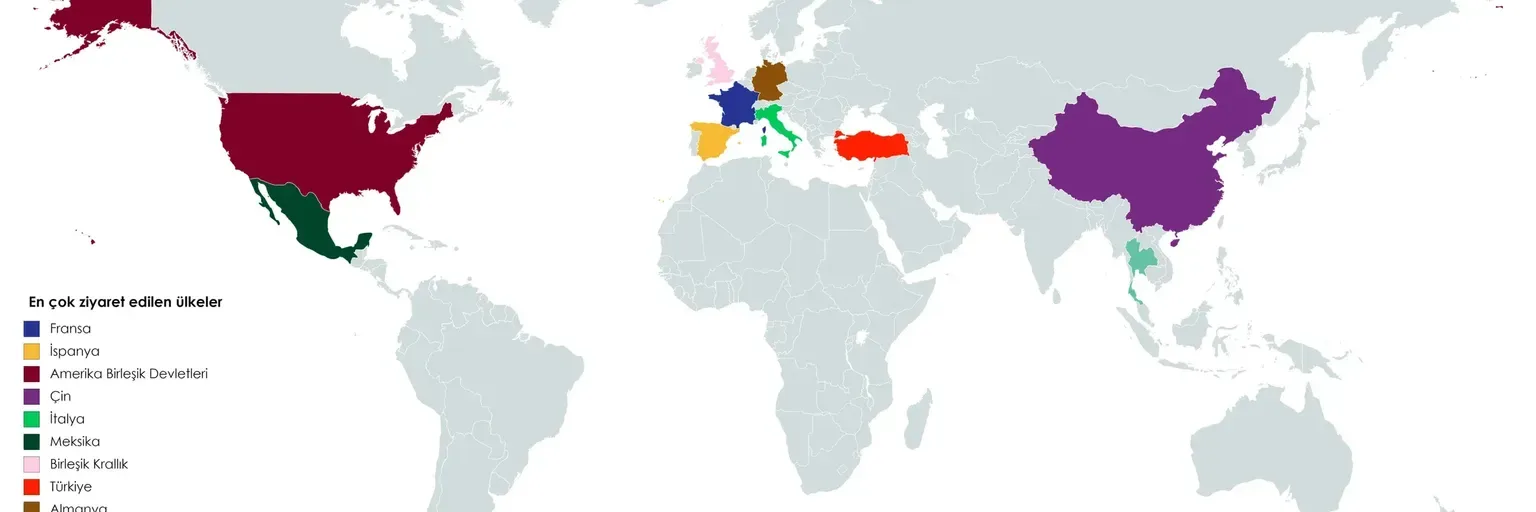
The Most Visited Countries Win by Making Familiar Places Feel New
The 2026 tourism leaders show that beauty gets travelers through the door, but access, variety and constant reinvention are what keep them coming back.
Beyond the Alcázar: How Woody Allen Is Redefining Madrid Tourism
The decision to film his latest movie in Madrid, coupled with the director's effusive praise for the city, is a deliberate strategy to elevate the capital's global appeal and attract a new wave of visitors.
Haw Par Villa: Singapore's Unsettling Jewel Challenges Predictable Tourism
Singapore's Haw Par Villa, with its vivid, sometimes gruesome, depictions of Chinese mythology and morality, offers a profound alternative to conventional theme parks, urging travelers to seek out deeper, more thought-provoking cultural experiences.

Iceland's Volcanic Spectacles: A Dangerous Allure Needs Regulation
The Fagradalsfjall eruptions highlight a growing appetite for adventure travel, yet also underscore the complex challenges of managing hazardous natural attractions for burgeoning tourist numbers.