Iceland's Volcanic Spectacles: A Dangerous Allure Needs Regulation
The Fagradalsfjall eruptions highlight a growing appetite for adventure travel, yet also underscore the complex challenges of managing hazardous natural attractions for burgeoning tourist numbers.
Is there anything more compelling than witnessing the raw power of nature unfolding before your eyes? Iceland's Fagradalsfjall volcano has certainly made a powerful case for this, transforming a dormant landscape into one of the world's most sought-after travel experiences. But as lava flows attract hundreds of thousands, we must ask: how do we responsibly embrace such dynamic, potentially hazardous wonders?
Since March 19, 2021, when Fagradalsfjall awoke from a 6,000-year slumber and the Reykjanes Peninsula saw its first eruption in 800 years, a series of volcanic events has captivated global attention. This effusive volcano, located a mere 40 kilometers (25 mi) from Reykjavík and conveniently close to the country's international airport, has erupted multiple times, including significant events in 2021 and 2022, with further activity at nearby sites on the Reykjanes Peninsula in 2023 and 2024. Its relatively accessible location and the spectacular yet non-explosive nature of its lava flows made it an instant, albeit unpredictable, sensation for visitors.
The appeal has been undeniable: an estimated 700,000 people have visited the area since the 2021 eruption, with over 356,000 arriving while that initial event was still ongoing, as reported by research in ScienceDirect. This incredible influx significantly boosted tourism, reshaping the region's profile almost overnight, as Guide to Iceland reports. For many, it's a unique opportunity to connect with Earth's primal forces, fostering a growing allure for natural phenomena that challenge and inspire in equal measure.
The Irresistible Pull of Raw Nature
What makes an active volcano so captivating? In our view, it's the sheer audacity of nature asserting itself, creating something entirely new right before our eyes. The Fagradalsfjall eruptions, characterized by steady lava flows and dramatic fire fountains rather than explosive ash clouds, presented a spectacular yet comparatively safer spectacle. This contrasts sharply with the memory of the 2010 Eyjafjallajökull eruption, which famously disrupted air travel across Europe due to its immense ash plumes. The more benign, effusive nature of Fagradalsfjall's activity has allowed it to become a poster child for adventure tourism, drawing those eager to witness a landscape in flux. It speaks to a modern traveler's desire for authentic, transformative experiences, moving beyond traditional sightseeing to embrace the thrill of the unpredictable.
Navigating the Perilous Path of Popularity
The transformation of Fagradalsfjall into a major tourist draw, however, isn't without its complexities. While the 2021 eruption proved relatively harmless, more recent volcanic activity on the Reykjanes Peninsula, particularly near Grindavik in late 2023, highlighted the inherent dangers. Scientists from Imperial College London noted the situation in Grindavik as "dangerous." While an effusive eruption is more likely, the sheer volume of magma is expected to be larger than previous events, and potential hazards like toxic gases and lava flows remain a serious concern. The Science Media Centre highlights that these events could impact infrastructure and pose health risks locally and regionally. It's clear that the thrill of discovery must be balanced with robust safety measures.
Iceland's Urgent Need for Sustainable Volcanic Tourism
Iceland has made significant progress in developing its nature-tourism sites since the 2010 Eyjafjallajökull eruption, but the rapid emergence of new attractions like Fagradalsfjall presents a unique challenge. Researchers argue there's a gap in Icelandic policy regarding the management of these specific types of sites from their conception. Initial management of the Fagradalsfjall destination, while positively perceived, has shown gaps regarding ongoing sustainable and responsible management. The lack of stakeholder consensus has even contributed to the dismissal or failure of proposed legislation, such as the Nature Pass Bill in 2015 and the Highlands National Park proposal in 2021.
This gap underscores the need for a comprehensive framework that includes all relevant stakeholders—from civil protection and emergency response organizations to landowners and local communities—from the very beginning. As PMC NIH suggests, limiting tourist numbers and implementing fees could lead to a safer environment and less physical impact on nature. Iceland has the opportunity to lead the way in crafting policies that embrace the economic benefits of volcanic tourism while safeguarding both visitors and its precious natural environment. The majestic allure of Fagradalsfjall compels us to act now, ensuring that the wonder of these natural spectacles can be enjoyed responsibly for generations to come.
No topics yet: start the first one.
More stories
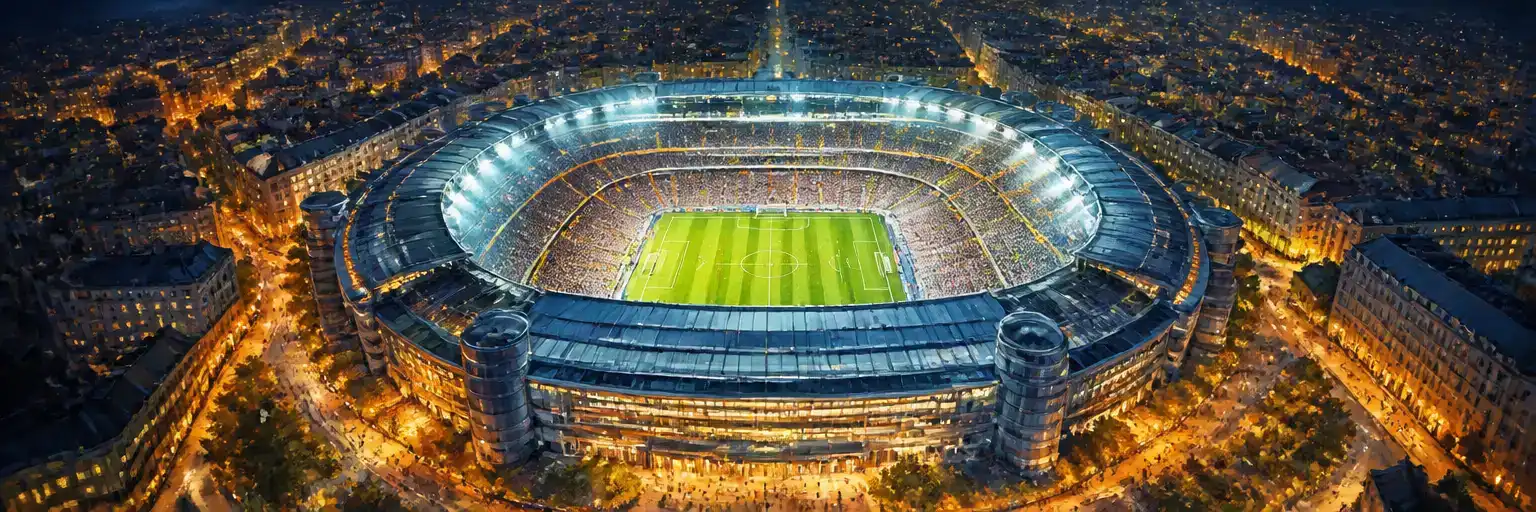
Mourinho's Meritocracy: The Key to Real Madrid's European Ambitions
Real Madrid's tactical rebirth under José Mourinho, driven by a renewed emphasis on performance and the emergence of talents like Arda Güler, heralds a compelling new era for the club.
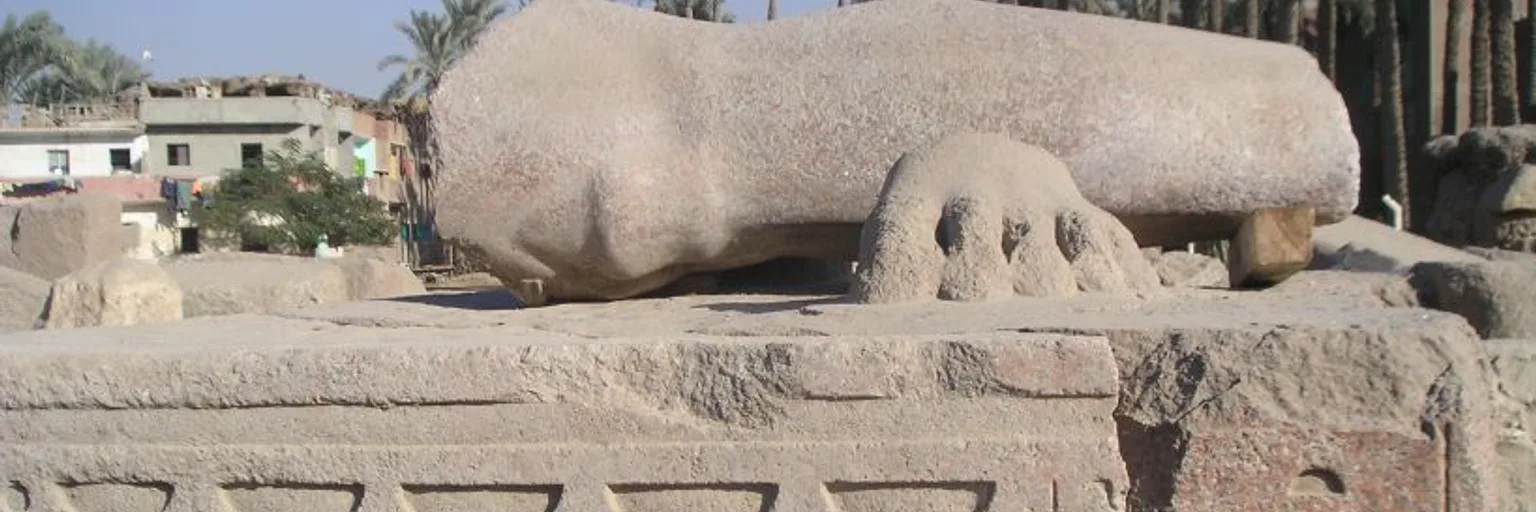
Egypt's New Ramses II Finds: Beyond the Dig, a Call to Explore
Recent discoveries of colossal Ramses II statues, sparked by a citizen's keen eye, are not just archaeological triumphs but potent invitations to rediscover Egypt's enduring heritage and the profound narratives within its sands.
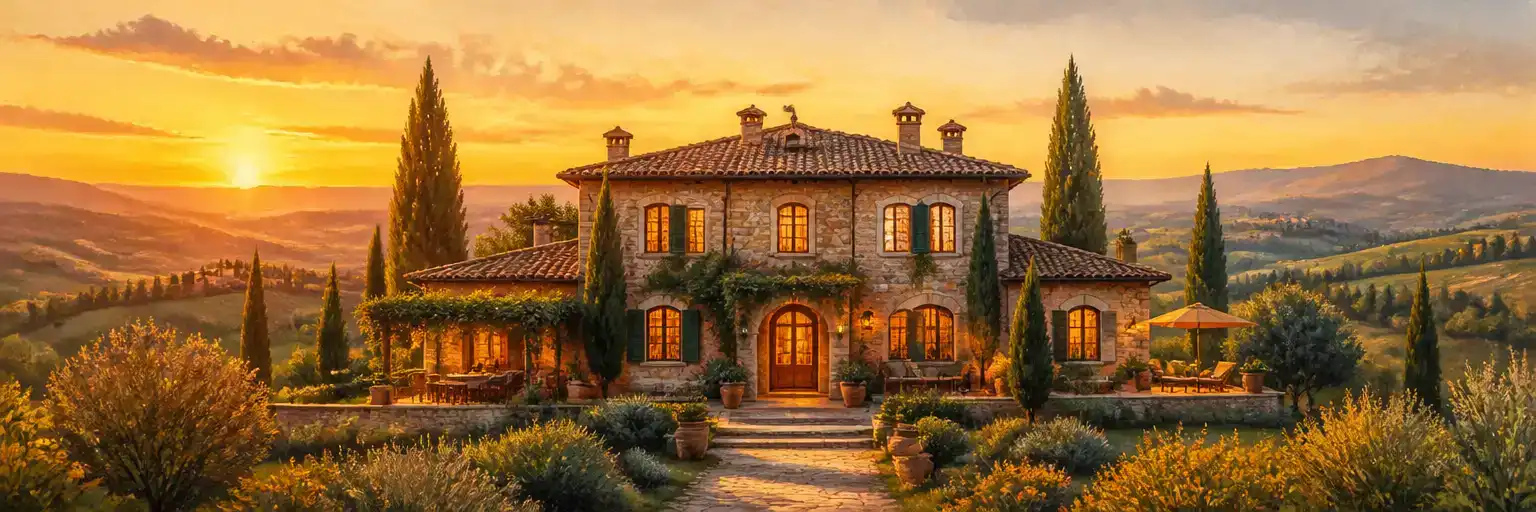
Italy's Undeniable Pull: Grisham's Tuscan Home Proves Enduring Allure
John Grisham's recent purchase of a historic villa in Cortona underscores Italy's consistent appeal for high-profile individuals seeking a unique blend of cultural richness, scenic beauty, and an unparalleled lifestyle.
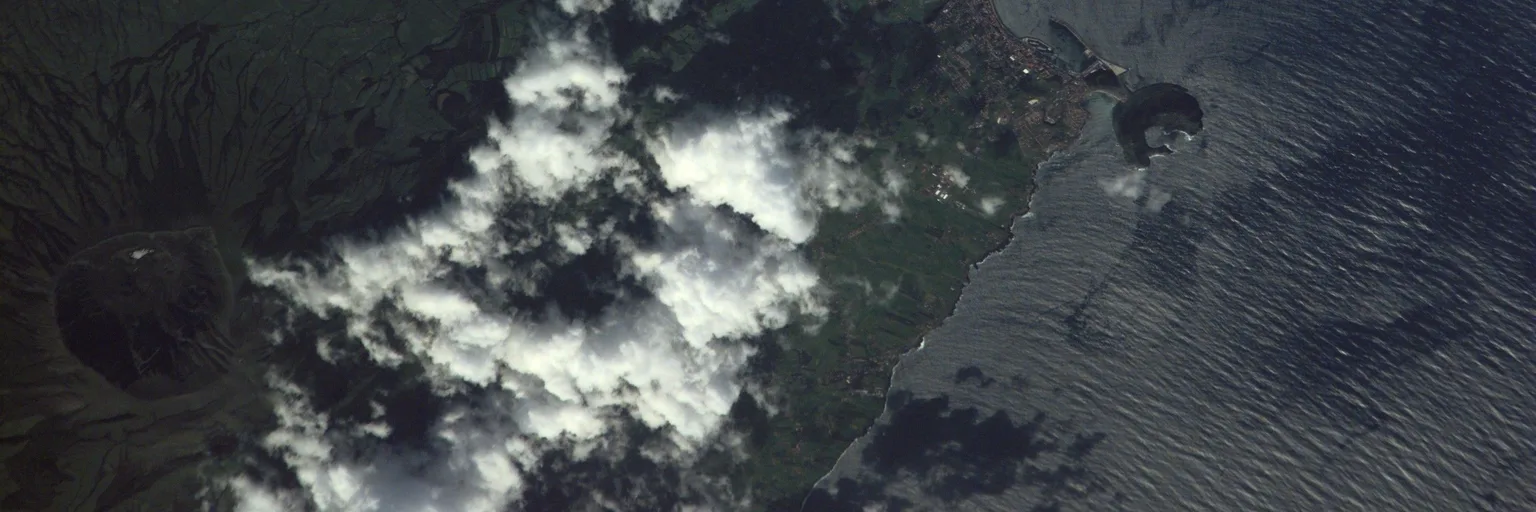
Faial: More Than a Mariner's Myth, an Ecotourism Icon
Faial Island is stepping beyond its legendary status as a transatlantic sailing hub, quietly becoming a global exemplar for limited, environmentally conscious tourism and natural exploration.