Egypt's New Ramses II Finds: Beyond the Dig, a Call to Explore
Recent discoveries of colossal Ramses II statues, sparked by a citizen's keen eye, are not just archaeological triumphs but potent invitations to rediscover Egypt's enduring heritage and the profound narratives within its sands.
Can a single observant citizen reshape the global perception of an ancient land? In Egypt, a recent archaeological triumph suggests this is not only possible but increasingly vital. The discovery of new colossal statues of Ramses II, particularly one prompted by a local resident, is more than just exciting news for historians; it is a profound testament to the enduring allure of Egypt's past and a compelling call to experience its present.
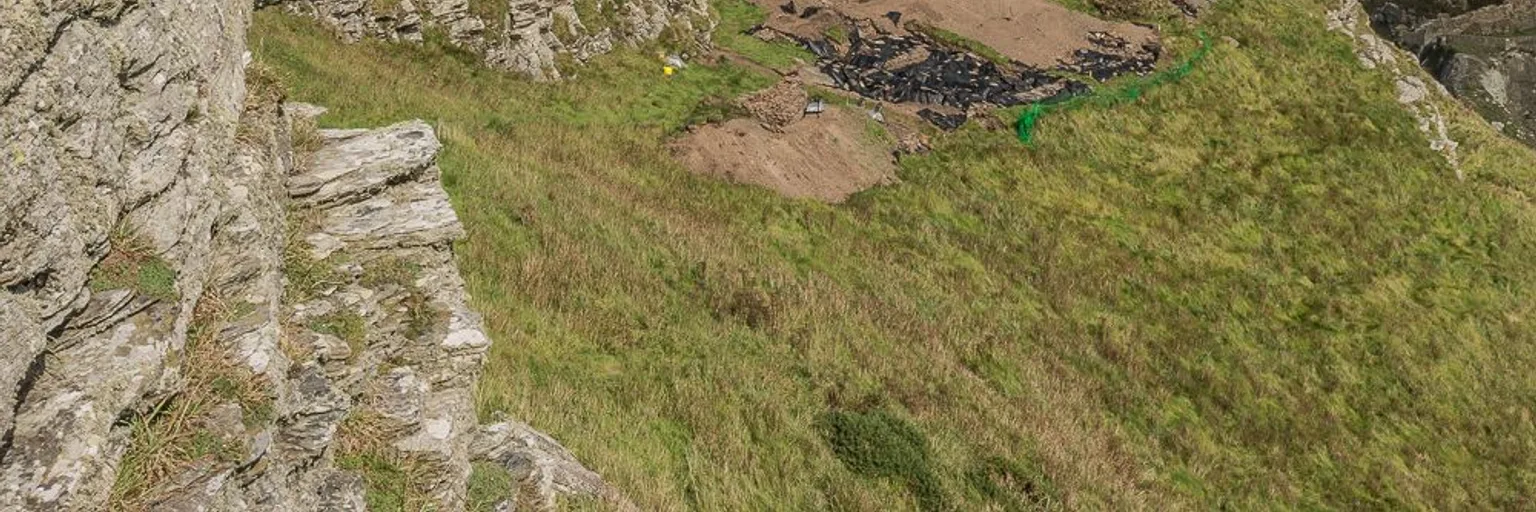
The latest headlines emanate from Behbeit el-Hagar, in Egypt’s Gharbia Governorate, where emergency excavations have brought to light two fragmentary royal statues and a significant block of hieroglyphic pink granite. This remarkable find, announced by the Egyptian Ministry of Tourism and Antiquities, came about because a local resident, working on his own land, spotted an engraved stone and promptly reported it to authorities. This initial report catalyzed an extensive dig, revealing a monumental head of Ramses II, estimated to have originally stood an imposing 8.5 meters, alongside the main body of a second royal statue likely also of the famed pharaoh. This follows closely on the heels of another significant Ramses II statue unearthed earlier this year at Tel Fara’un, an ancient site some 24 kilometers from Pi-Ramesses, and the March 2024 discovery in El Ashmunein that completed a Ramses II statue whose lower half had been found nearly a century prior.
The Unfolding Narrative of Ancient Power
These finds offer invaluable insights into the reign of Ramses II, often heralded as Ramses the Great, who governed Egypt for 66 years from 1279 to 1213 BC. He was an unparalleled builder, responsible for commissioning more monuments than any other pharaoh. The statues themselves, though often fragmented, whisper tales of ancient power and ingenuity. The head discovered at Behbeit el-Hagar, adorned with the double crown of Upper and Lower Egypt, offers a direct visual link to his vast dominion. Meanwhile, the statue found at Tel Fara’un—weighing between five and six tons—reveals the common practice of reusing and transporting these colossal effigies across significant distances. As Egyptologist Hesham Hussein noted in National Geographic, the effort required to move such monumental pieces suggests highly organized labor and meticulous engineering, speaking volumes about the logistical capabilities of ancient civilizations National Geographic. These aren't merely decorative objects; they are tangible records of a society that understood the power of symbols to assert and maintain authority.
Citizen Archaeology: A New Model for Preservation
Perhaps the most compelling aspect of the Behbeit el-Hagar discovery is the role played by an ordinary citizen. The Minister of Tourism and Antiquities, Sherif Fathy, publicly acknowledged and thanked the individual, underscoring the vital public role in preserving cultural heritage, as reported by Finestre sull'Arte finestresullarte.info. This event beautifully illustrates how safeguarding historical treasures isn't solely the domain of archaeologists and government agencies. It points to a powerful future for cultural preservation, where local communities are empowered and encouraged to act as first-line guardians of their heritage. Such involvement not only aids in discovery but also fosters a deeper connection between modern Egyptians and their millennia-old past, making preservation a shared national endeavor rather than a top-down mandate. This model holds immense potential for other regions rich in undiscovered history, demonstrating that the next great find could be waiting just beneath the surface of everyday life.
Egypt: A Destination Constantly Unveiling Wonders
For travelers, these continuing discoveries transform Egypt from a destination defined by its known wonders into one that is perpetually revealing new facets of its history. Each unearthed statue, each newly deciphered inscription, adds layers to the narrative that visitors can experience. It reinforces the idea that an Egyptian journey is not just a visit to static monuments, but an immersion in an active archaeological frontier. The sheer scale and frequency of these finds—from Heliopolis in 2017 to El Ashmunein in 2024, and now Behbeit el-Hagar—confirm that Egypt continues to be a living museum, with countless stories still buried beneath its sands. This dynamic aspect makes a trip to Egypt incredibly exciting, promising not just a glimpse into the past but a front-row seat to its ongoing discovery. For those contemplating a visit, there's no better time than now to witness a destination that keeps expanding our understanding of the ancient world.
In our view, these new statues of Ramses II do more than just add to a king’s already extensive legacy. They serve as potent symbols of Egypt's enduring power to captivate, to educate, and to inspire. They are a call to witness history not just as it was, but as it continues to be unearthed, piece by magnificent piece. They affirm that the greatest adventures often begin with the simple curiosity of an individual, leading to discoveries that enrich us all. The enduring appeal of ancient Egyptian heritage is undeniable, and these latest revelations only solidify its place as a cornerstone of global cultural tourism. It is a reminder that Egypt continues to offer an immersive, ever-evolving journey into the heart of human civilization, where the past is always waiting to surprise us anew.
No topics yet: start the first one.
More stories
Italy's Undeniable Pull: Grisham's Tuscan Home Proves Enduring Allure
John Grisham's recent purchase of a historic villa in Cortona underscores Italy's consistent appeal for high-profile individuals seeking a unique blend of cultural richness, scenic beauty, and an unparalleled lifestyle.

Faial: More Than a Mariner's Myth, an Ecotourism Icon
Faial Island is stepping beyond its legendary status as a transatlantic sailing hub, quietly becoming a global exemplar for limited, environmentally conscious tourism and natural exploration.
Why Pope Leo XIV's Latin America Trip is More Than a Spiritual Journey
Pope Leo XIV's extensive apostolic journey to Uruguay, Argentina, and Peru is set to be a powerful catalyst for cultural and religious tourism, showcasing the vibrant heritage and deep faith of the region.
Archaeology Day: Why Our Ancient Past Is the Future of Sustainable Travel
International Archaeology Day serves as a critical reminder that our ancient past offers the most profound and sustainable pathways for future global tourism, demanding responsible engagement and unwavering preservation.