A380's New Engine Scare: More Than Just a Maintenance Hiccup?
The recent FAA directive concerning critical engine component failures on the iconic Airbus A380 spotlights ongoing safety scrutiny that could further challenge the superjumbo's operational longevity and passenger confidence.
Photo: Roger Schultz / Wikimedia Commons (CC BY 2.0)
Is the majestic Airbus A380, once the undisputed queen of the skies, now flying under a cloud of increasing scrutiny? While it remains a marvel of engineering that captivates passengers, a recent directive from the U.S. Federal Aviation Administration (FAA) has brought the aircraft's Engine Alliance GP7200-series powerplants back into the spotlight, raising concerns that extend beyond routine maintenance.
The FAA issued an airworthiness directive on October 8, 2026, ordering the replacement of specific high-pressure turbine interstage seals in certain Engine Alliance GP7200-series engines powering the A380. This urgent mandate was triggered by an incident involving an A380 equipped with GP7270 engines, where an uncontained failure of an interstage seal forced an engine shutdown and an aborted takeoff. An uncontained failure is particularly serious, as it means engine debris can escape its protective casing and potentially damage other critical parts of the aircraft. The FAA has underscored the gravity of the situation, warning that another such failure could lead to an engine fire and significant damage to the plane itself.
Operators have been given strict deadlines, with the most critical replacements required within 50 flight cycles or 30 days of the directive's effective date of October 23, 2026. While no US-registered A380s are affected, the estimated cost for these crucial replacements is substantial: approximately $528,150 per affected engine, with the bulk going towards parts. This ongoing investigation by the manufacturer suggests that cracking likely originated at locating features between the interstage seal and the first-stage turbine disk shaft, with relative seal rotation, or “clocking,” identified as a contributing factor.
Recurring Challenges for a Flagship
For an aircraft that ceased production in 2021, these repeated safety directives introduce a layer of complexity and cost that can only exacerbate its operational challenges. This isn't the first time the Engine Alliance GP7200-series engines on the A380 have faced serious scrutiny. Back in 2017, the FAA issued an emergency airworthiness directive requiring inspections of fan hubs on the same engine series after an uncontained failure on an Air France A380 flying from Paris to Los Angeles. That incident, which saw debris escape the engine, prompted a diversion to Canada, though fortunately, no one was injured. It’s important to note that while both directives pertain to the same engine family, the 2017 issue focused on the fan hub, whereas the current 2026 directive addresses a different component: the turbine seal.
This pattern of critical component failures, even if targeting different parts, paints a picture of recurring engineering challenges for an engine type that powers a significant portion of the global A380 fleet. While the specific incident that triggered the current directive is under investigation, the manufacturer found greater movement in seals that had been reassembled during overhaul, suggesting that even routine maintenance procedures might play a role.
No topics yet: start the first one.
More stories
The Vanishing Seas: Why Cargo Ship Travel Is Fading Away
Once a romantic ideal for adventurers, the unique niche of cargo ship travel is slowly disappearing, transformed by global events and the relentless demands of modern logistics.
A 'Minor' Odor, a Major Message: Why UA941's Return Bolsters Confidence
The emergency landing of United Airlines Flight UA941 due to a cabin odor wasn't a minor inconvenience; it was a potent demonstration of aviation's unwavering commitment to safety protocols.

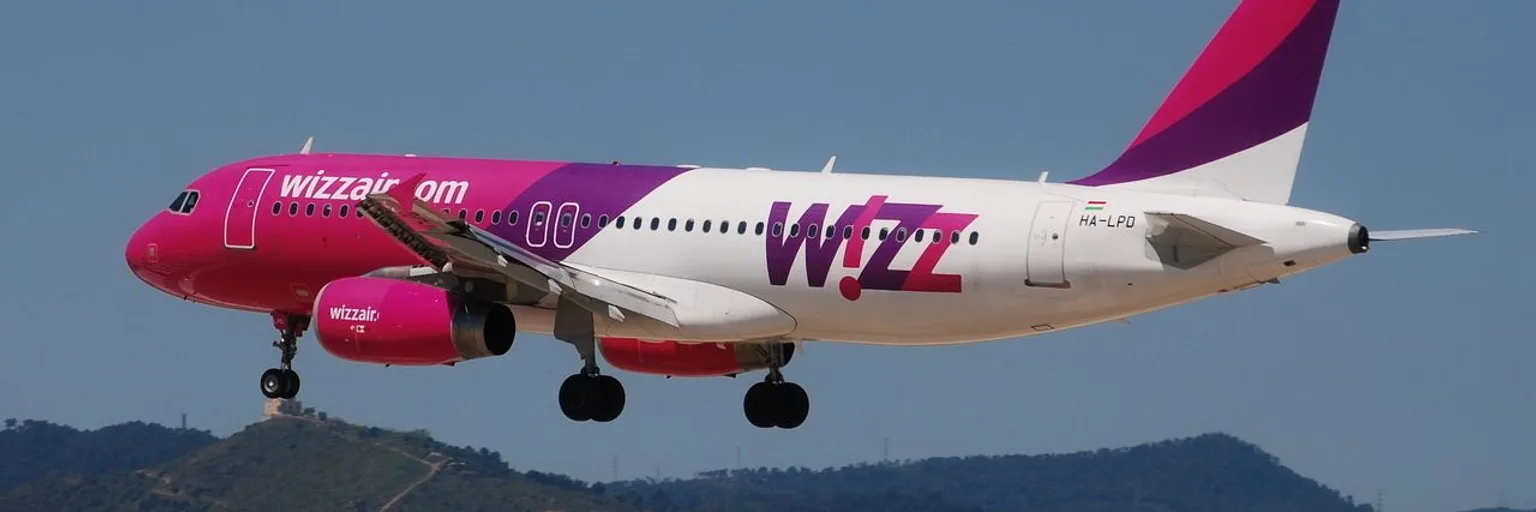
Wizz Air's Spanish Push: Reshaping Europe's Budget Travel Map
Wizz Air's aggressive expansion in Spain and strategic pursuit of airport slots signal a bold move to dominate the low-cost travel sector, promising a shake-up for travelers amidst industry headwinds.
The Price of Vigilance: False Alarms and Aviation's Hidden Costs
A recent false hijack alert, triggering military interception across Europe, starkly reveals the immense resource drain and widespread disruption embedded in modern aviation security, even when the threat is unfounded.