A 'Minor' Odor, a Major Message: Why UA941's Return Bolsters Confidence
The emergency landing of United Airlines Flight UA941 due to a cabin odor wasn't a minor inconvenience; it was a potent demonstration of aviation's unwavering commitment to safety protocols.
AI-generated image
In an era where air travel is often seen as routine, a seemingly minor incident can serve as a powerful reminder of the complex safety net underpinning every flight. The recent emergency landing of United Airlines Flight UA941 at London Heathrow, necessitated by a reported cabin odor, was far more than a simple delay; it was a testament to the robust protocols and vigilance that define modern aviation, ultimately reinforcing traveler confidence.
On Thursday afternoon, October 15, 2026, United Airlines Flight UA941, a Boeing 767-300ER, departed London Heathrow for Newark. After climbing to 32,000 feet over Manchester, the flight crew declared an emergency, making the critical decision to turn back to Heathrow. United later confirmed the cause: an "odor in the cabin" TheTravel. While the initial plan involved dumping approximately 20 tons of fuel, the crew ultimately opted for a direct return, landing safely at Heathrow around 6:00 PM BST, where emergency services were waiting as a precautionary measure AirLive.net.
This incident, though resolved without injury, quickly captured public attention, highlighting just how seriously even an unidentifiable smell is taken onboard an aircraft. United Airlines moved swiftly to accommodate affected passengers, with a replacement departure arranged within hours, minimizing the operational disruption while upholding safety as the paramount concern.
The Unseen Threat of the 'Unusual Odor'
What precisely constitutes an "odor" in a cabin can range from the innocuous to the genuinely dangerous. While passengers might dismiss a strange smell as a mere nuisance, airline crews are trained to view such occurrences with extreme caution. As the Association of Flight Attendants-CWA notes, contaminated cabin air can stem from various sources, including electrical systems, galleys, or even engine oil and hydraulic fluid contaminating the air supply system AFA Alaska. These latter contaminants are particularly concerning, as they can be toxic and carry smells described as anything from "dirty socks" to "electrical-like."
History offers stark lessons on the perils of ignoring early warning signs. Although rare, smoke or fumes in an aircraft cabin can escalate rapidly into a catastrophic fire, as demonstrated by the tragic Swissair Flight 111 incident in 1998, where smoke in the cockpit led to a crash that claimed all 229 lives askcaptainlim.com. The documentation also highlights that once a fire starts, an aircraft can become uncontrollable in as little as seven minutes, underscoring the urgency of a swift response.
Recent incidents further illustrate this vigilance. In October 2023, a Southwest Airlines flight returned to Las Vegas due to an "unusual odor" and possible smoke, and in April 2026, a Delta Air Lines flight diverted for a similar reason Fox Business, People.com. The fact that inspections often find "nothing abnormal" after such landings, as was the case with the Southwest flight, doesn't diminish the validity of the emergency response. It merely means that the precautionary measures worked as intended, preventing a potential, unknown danger.
Prioritizing Safety: A Culture of Precaution
The decision by the UA941 crew to declare an emergency and return to Heathrow, despite not confirming a visible fire, speaks volumes about the embedded culture of safety in aviation. Pilots and cabin crew undergo rigorous training to manage such events, which includes identifying potential sources of smoke or fumes, donning oxygen masks, and, crucially, diverting the flight when necessary askcaptainlim.com. This preemptive approach prioritizes passenger and crew well-being above all else, even if it means significant operational disruption.
This incident underscores that modern airlines operate with a "better safe than sorry" philosophy that is non-negotiable. The sight of emergency vehicles meeting an aircraft on the tarmac, while dramatic, is a standard, reassuring protocol. It's a visible commitment to safety, ensuring that any potential issue is assessed and contained by ground crews and specialists. This systemic caution, far from causing undue alarm, should instill confidence in travelers that their safety is continuously monitored and protected, even against the most ambiguous threats.
In our view, the emergency landing of United Airlines Flight UA941 is not a cause for concern, but rather a powerful affirmation of the strengths of the airline industry. It's a reminder that every odor, every unexpected signal, is treated with the utmost seriousness, demonstrating that the robust safety systems and highly trained crews are consistently at work. While delays are never ideal, they become insignificant when weighed against the unwavering commitment to ensuring every journey ends safely, reaffirming that our skies remain among the safest places to be.
No topics yet: start the first one.
More stories
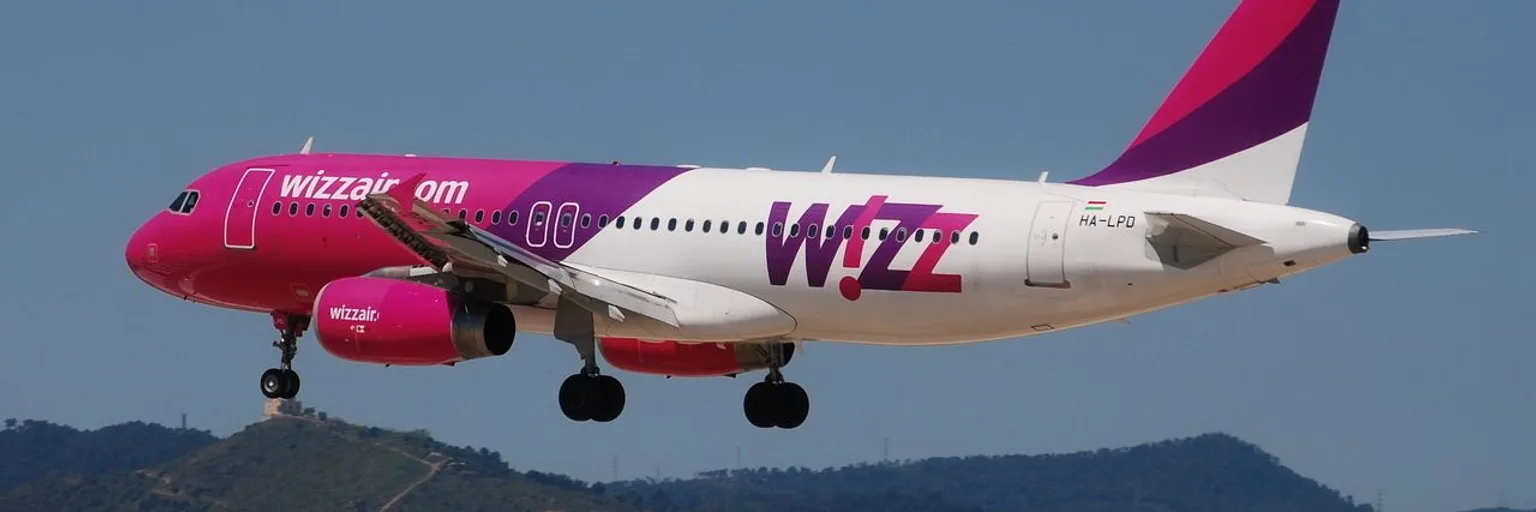
Wizz Air's Spanish Push: Reshaping Europe's Budget Travel Map
Wizz Air's aggressive expansion in Spain and strategic pursuit of airport slots signal a bold move to dominate the low-cost travel sector, promising a shake-up for travelers amidst industry headwinds.
The Price of Vigilance: False Alarms and Aviation's Hidden Costs
A recent false hijack alert, triggering military interception across Europe, starkly reveals the immense resource drain and widespread disruption embedded in modern aviation security, even when the threat is unfounded.
Unseen Depths: Why Cargo Security is Paramount for Every Flight
Below the passenger deck, the unseen world of air cargo holds critical importance, as lax security in loading can compromise an aircraft's integrity and every flight's safety, demanding constant vigilance.
LATAM's E195-E2: A Smart Bet for Brazil's Connected Future
LATAM Airlines' integration of the Embraer E195-E2 fleet is set to transform regional travel across Brazil, strategically connecting new markets with enhanced efficiency and passenger comfort.