Why Pope Leo XIV's Latin America Trip is More Than a Spiritual Journey
Pope Leo XIV's extensive apostolic journey to Uruguay, Argentina, and Peru is set to be a powerful catalyst for cultural and religious tourism, showcasing the vibrant heritage and deep faith of the region.
AI-generated image
In an era often dominated by fleeting digital connections, do grand international events still hold the power to galvanize entire nations and draw global attention? The emphatic answer comes with the Vatican's confirmation of Pope Leo XIV's apostolic journey to Latin America, a testament to enduring faith and cultural significance that promises to captivate.
The Vatican officially announced this monumental visit, confirming the 12-day journey to Uruguay, Argentina, and Peru will proceed as scheduled from November 6 to 17, 2026. This marks his first apostolic visit to South America, a significant undertaking that will touch ten cities and combine high-level diplomatic engagements with profound spiritual moments.
The Magnetic Pull of Papal Pilgrimages
Papal visits are far more than mere religious observances; they are colossal cultural events that transform destinations and leave an indelible mark. The sheer scale of Pope Leo XIV's itinerary speaks volumes: an ambitious tour encompassing ten cities across three nations, blending official meetings with heads of state and civil society representatives with large-scale liturgical celebrations and intimate encounters with local communities, as reported by Vatican News. For instance, the Pope is set to celebrate a public mass in front of the Monumento de los Españoles in Buenos Aires, Argentina, and hold a vigil at the Estadio Centenario in Montevideo, Uruguay. These events offer a unique confluence of spiritual devotion and cultural spectacle, providing host countries an unparalleled opportunity to showcase their heritage and hospitality on a global stage.
The journey will also include significant spiritual landmarks, such as the homage to the Virgem dos Trinta e Três, Uruguay's patroness and a symbol of its independence, in Florida. In Argentina, the Pope will visit the Basílica de Nuestra Señora de Luján, the nation's primary Marian sanctuary, and the Pequeño Cottolengo Dom Orione in Claypole, a true "village of charity" that stands among the largest welfare works of the Orionine Family. This site holds particular resonance, as Pope Leo XIV's predecessor, Pope Francisco, knew it well and visited it numerous times during his time as archbishop of Buenos Aires, actively supporting its initiatives, as noted by Salesianos.br. The itinerary also includes a mass at the Escuela de Aviación Militar in Córdoba, and a vigil with young people at the Monumento de los Españoles, underscoring the Pope's engagement with diverse segments of Argentine society.
Peru: A Return to Roots and a Global Message
The final and longest leg of the journey, from November 11 to 17, will take Pope Leo XIV to Peru, a country of immense personal significance to him. Before his election to the papacy in May 2025, the then Father Robert Francis Prevost spent decades living and ministering in Peru as an Augustinian priest, serving as bishop of Chiclayo from 2015 to 2023. His return to cities like Lima, Chiclayo, Cusco, and Pucallpa is not merely a pastoral visit but a profound homecoming.
In Chiclayo, the Pope will have the opportunity to reconnect with the diocesan community he once led, a place to which he sent a special greeting during his first public appearance from the balcony of St. Peter's Basilica. His visit to Pucallpa, located in the Amazon region, is expected to highlight the pastoral realities and challenges of this vital ecological and cultural area, reflecting his enduring concern for social peripheries and environmental issues. This unique personal connection to Peru elevates the entire journey, transforming it into a powerful narrative of faith, service, and a global call to address the needs of the most vulnerable and the protection of creation, resonating with the broader themes of his pontificate.
No topics yet: start the first one.
More stories
Archaeology Day: Why Our Ancient Past Is the Future of Sustainable Travel
International Archaeology Day serves as a critical reminder that our ancient past offers the most profound and sustainable pathways for future global tourism, demanding responsible engagement and unwavering preservation.
Hanoi in Autumn: Where Ancient Charms Meet Modern Rhythms
Hanoi's unique blend of deep history and vibrant contemporary life truly shines in autumn, offering travelers an immersive escape without the peak season's intense crowds or weather extremes.
Lonely Planet's 2027 picks: more than a list, a travel investment strategy
Lonely Planet’s 'Best in Travel' for 2027 is a clear signal of where the tourism industry is heading, prioritizing authentic, sustainable experiences over traditional hotspots and mass travel.
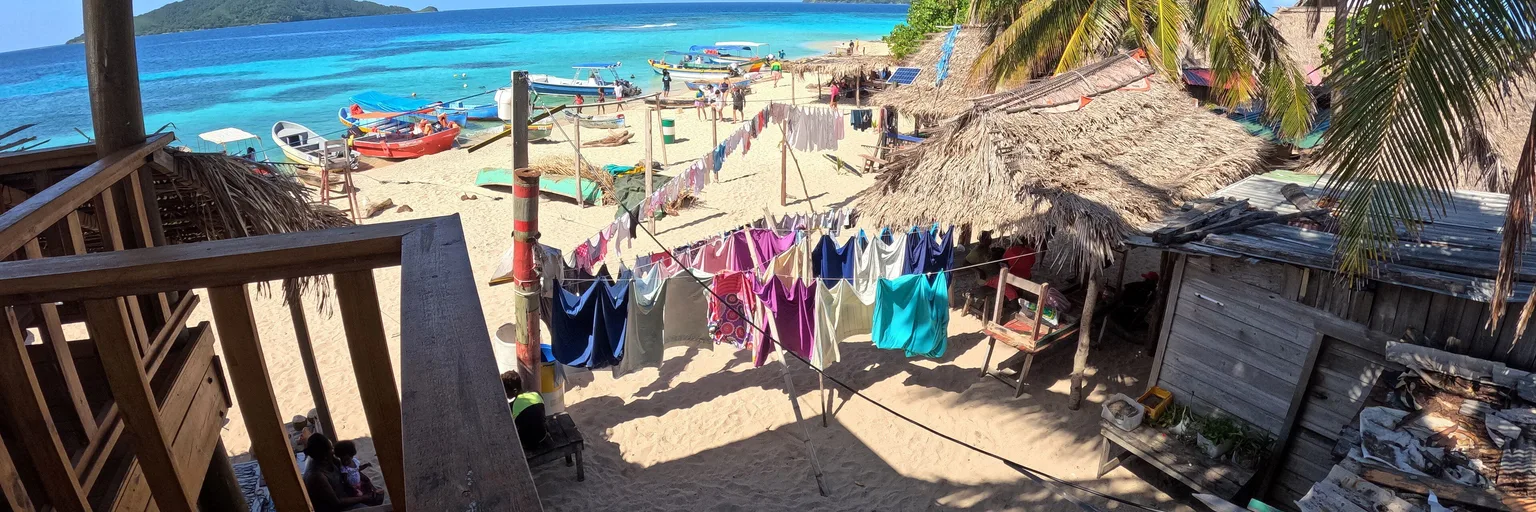
Beyond the Crowds: Cayos Cochinos, Honduras's True Caribbean Gem
For those seeking the quintessential Caribbean escape without the usual tourist throngs, Cayos Cochinos in Honduras offers an unparalleled blend of pristine natural beauty, vibrant Garifuna culture, and tranquil exploration.