Archaeology Day: Why Our Ancient Past Is the Future of Sustainable Travel
International Archaeology Day serves as a critical reminder that our ancient past offers the most profound and sustainable pathways for future global tourism, demanding responsible engagement and unwavering preservation.
Photo: Ian Capper / Wikimedia Commons (CC BY-SA 2.0)
As the world gears up for International Archaeology Day on October 17, 2026, we are prompted to ask: are we truly appreciating the profound impact ancient sites and ongoing discoveries have on the future of travel? Beyond the immediate thrill of exploration, these windows into our past offer a blueprint for truly sustainable and enriching tourism, provided we embrace the responsibilities that come with them.
This annual observance, spearheaded by organizations like the Archaeological Institute of America (AIA) and the National Park Service, sees institutions worldwide hosting programs ranging from guided site tours to simulated digs, all designed to connect people with the stories beneath our feet. This global focus on archaeological treasures underscores their enduring relevance and appeal, offering unique avenues for learning and discovery.
The Irresistible Lure of the Past: More Than Just Postcards
What makes archaeotourism such a compelling proposition? It is the promise of an authentic encounter with history that goes far deeper than typical sightseeing. Unlike destinations focused solely on leisure or modern entertainment, archaeological sites offer a tangible connection to human stories, civilizations, and ingenuity spanning millennia. This form of tourism, which involves visiting archaeological sites, museums, and culturally significant places, is inherently a sustainable way to travel, enriching visitors' understanding of both history and nature, as suggested by 3Bee.com. It provides an immersive experience, allowing travelers to walk in the footsteps of ancient residents, learn about their tools, and even try their hand at ancient skills, as seen in events planned for Roxborough State Park. This deep engagement fosters a sense of wonder and respect that can be transformative, moving beyond mere consumption of a destination to a genuine appreciation of its layered narrative.
Preservation: The Unseen Foundation of Future Travel
However, the allure of archaeological sites presents a significant challenge: how do we balance accessibility with preservation? The continued existence of these irreplaceable resources relies entirely on responsible management. Sustainable tourism, in our view, is not merely about minimizing environmental impact; it is critically about conserving cultural heritage. For sites listed on UNESCO's World Heritage list, this becomes an even more intricate dance, requiring careful strategies to ensure that the development of tourism does not overshadow or exploit the very heritage it seeks to showcase. Scholarly work, such as an essay published on estudiosturisticos.tourspain.es, highlights the challenges of managing these sites in the face of tourism development. Without robust conservation efforts, the very foundations of archaeotourism could crumble, depriving future generations of these invaluable connections to the past. It is clear that archaeological tourism must prioritize the preservation of cultural heritage, recognizing that its long-term viability depends on it, a relationship explored in research by Revista Invecom.
Local Engagement: Empowering Communities Through Heritage
Finally, true sustainable archaeotourism must serve as a catalyst for local development. Viewing cultural heritage merely as an economic resource misses its broader potential. Instead, integrating archaeological sites into local economies must ensure that communities are active participants and beneficiaries, not just passive recipients of visitor traffic. This means fostering local employment, supporting traditional crafts, and educating residents about the significance of their own heritage. When managed thoughtfully, archaeological tourism can become a dynamic force, promoting local development and fostering a sense of shared stewardship that extends far beyond the duration of a visitor's stay. This inclusive approach is vital for the long-term health of both the sites and the people who live near them, ensuring heritage is a source of pride and prosperity.
International Archaeology Day, therefore, is more than just a date on the calendar; it is an annual call to action. It urges us, as travelers, to seek out experiences that connect us deeply with the human story, and it compels the tourism industry to embrace practices that prioritize preservation and community benefit. Only by doing so can we ensure that the treasures of our ancient past continue to inspire and educate for countless generations to come.
No topics yet: start the first one.
More stories
Hanoi in Autumn: Where Ancient Charms Meet Modern Rhythms
Hanoi's unique blend of deep history and vibrant contemporary life truly shines in autumn, offering travelers an immersive escape without the peak season's intense crowds or weather extremes.

Lonely Planet's 2027 picks: more than a list, a travel investment strategy
Lonely Planet’s 'Best in Travel' for 2027 is a clear signal of where the tourism industry is heading, prioritizing authentic, sustainable experiences over traditional hotspots and mass travel.

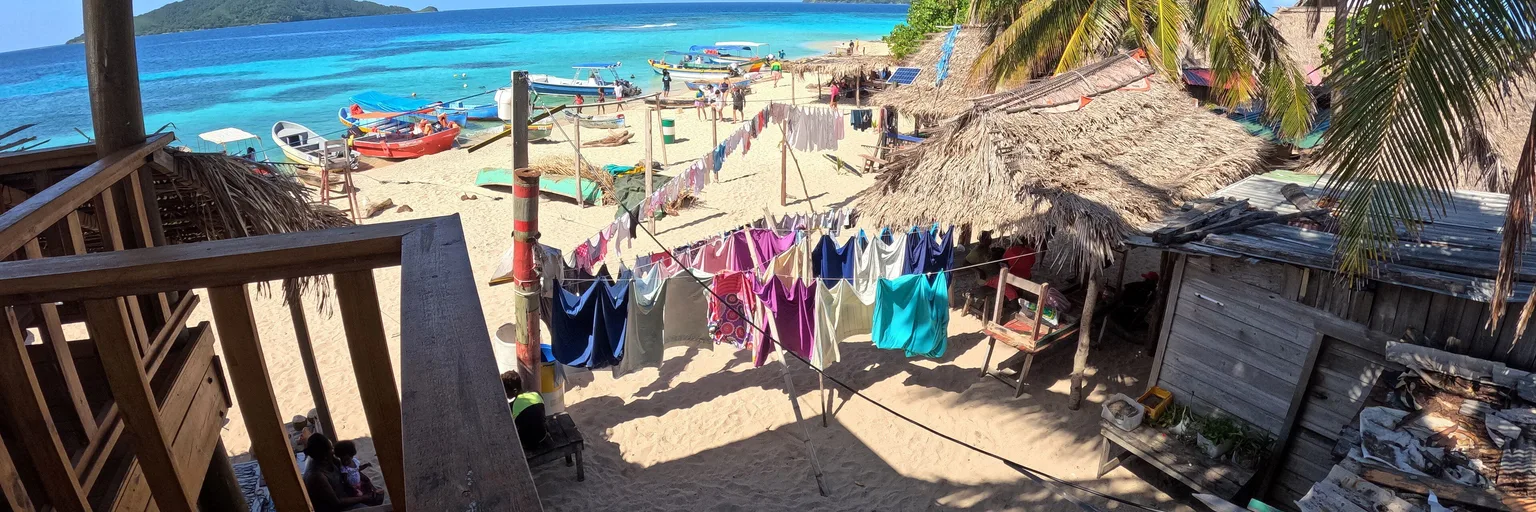
Beyond the Crowds: Cayos Cochinos, Honduras's True Caribbean Gem
For those seeking the quintessential Caribbean escape without the usual tourist throngs, Cayos Cochinos in Honduras offers an unparalleled blend of pristine natural beauty, vibrant Garifuna culture, and tranquil exploration.
Retirement isn't just for resting: It's for global adventures
The travel landscape for those over 65 is shifting dramatically, embracing cultural immersion, active exploration, and personalized journeys far beyond traditional relaxation.