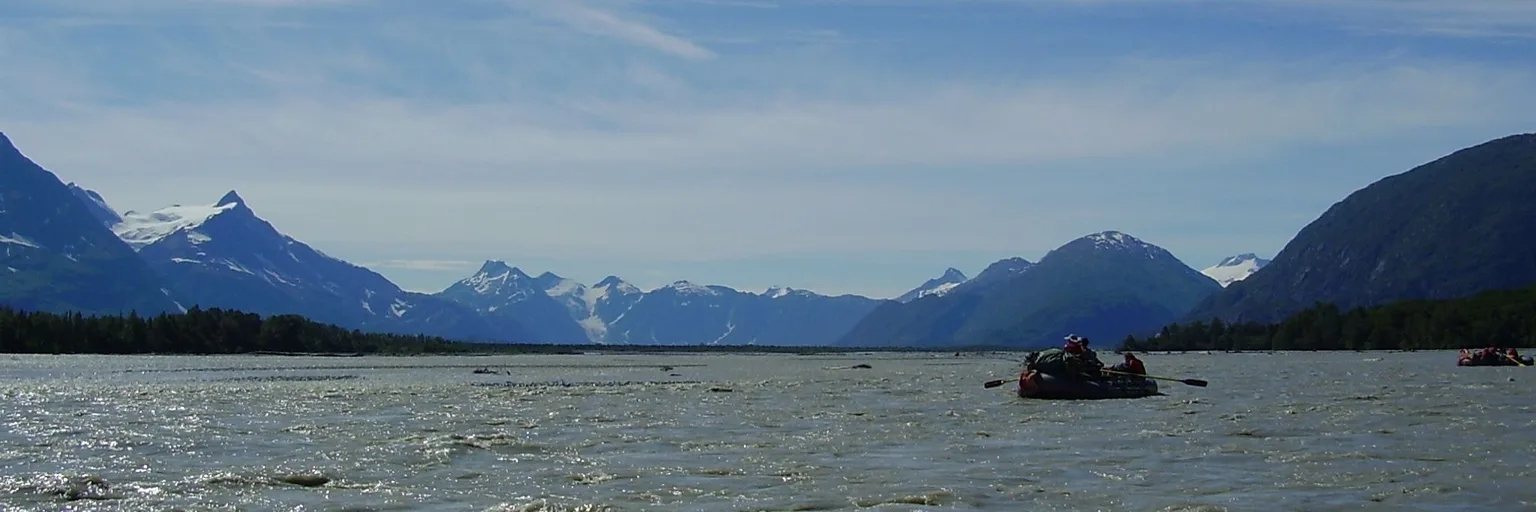
A UNESCO label won't save Tatshenshini: wilderness needs watchers
A private bid to mine copper and cobalt inside a World Heritage park shows that a plaque protects little on its own, and that travelers who love remote places have a role.
A fresh World Heritage batch tempts us to chase every new badge. We think the smarter trip goes to sites that already know how to host visitors, and waits on the rest.
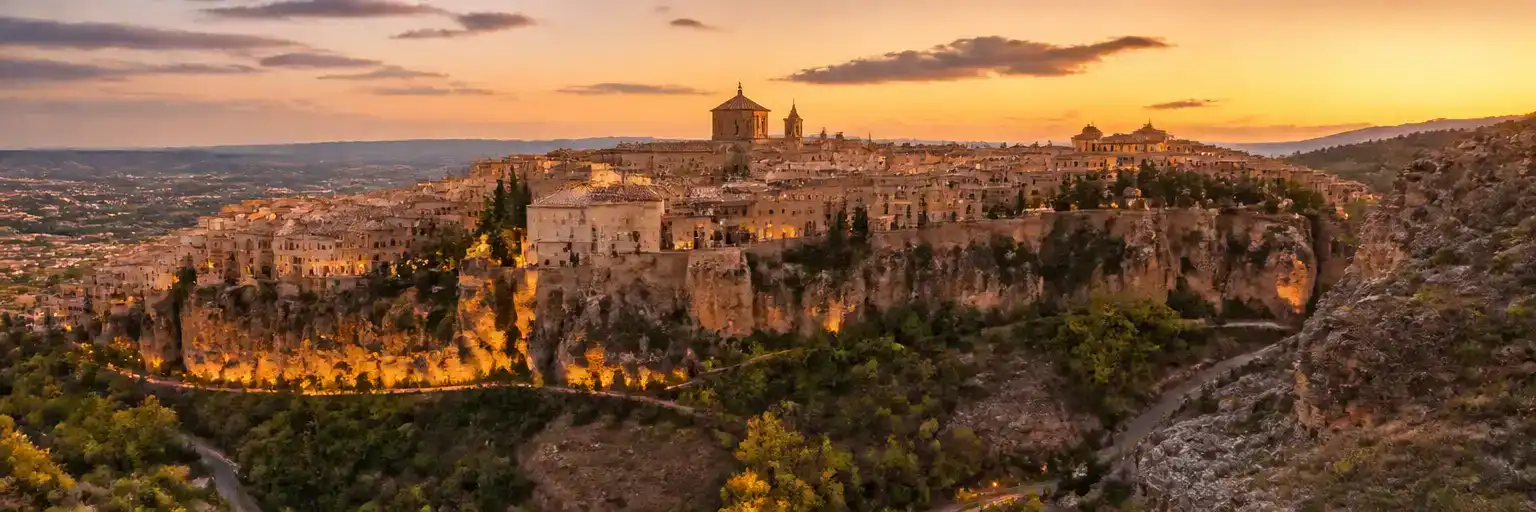
Cuenca's UNESCO anniversary is a nudge to swap the rushed day trip from Madrid for a slower overnight stay, and to treat the old town as a place, not a backdrop.
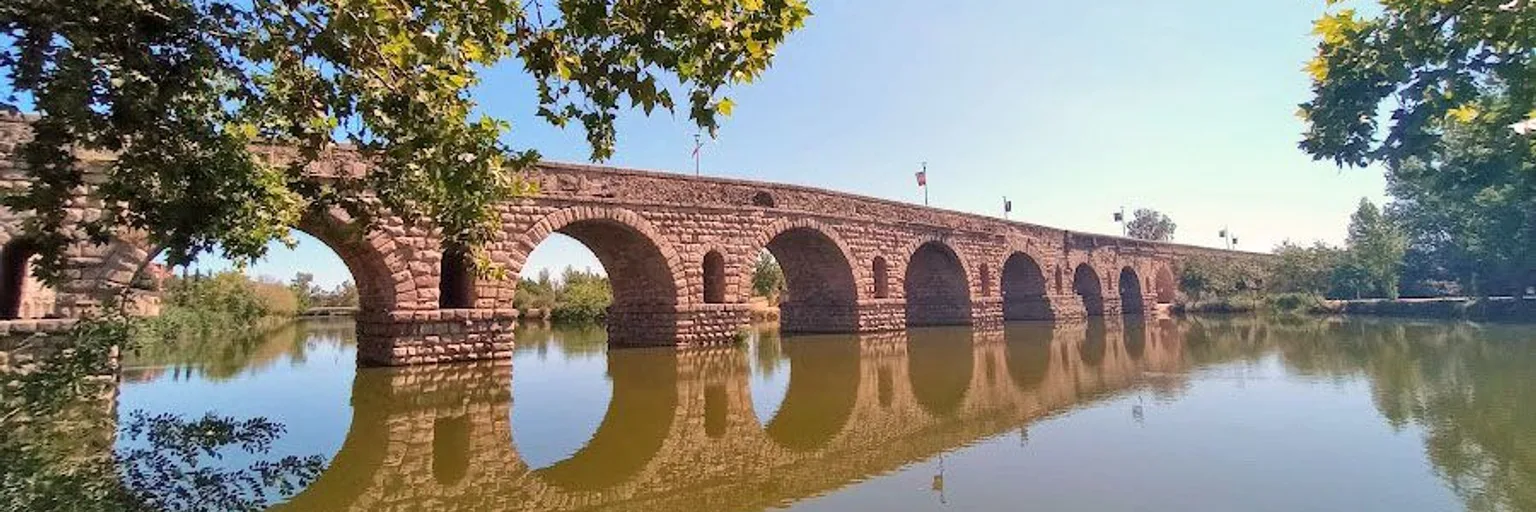
At 790 meters and 60 arches, Mérida's Roman bridge is the kind of monument that makes Extremadura a rival to Spain's famous hubs. Give it days, not minutes.
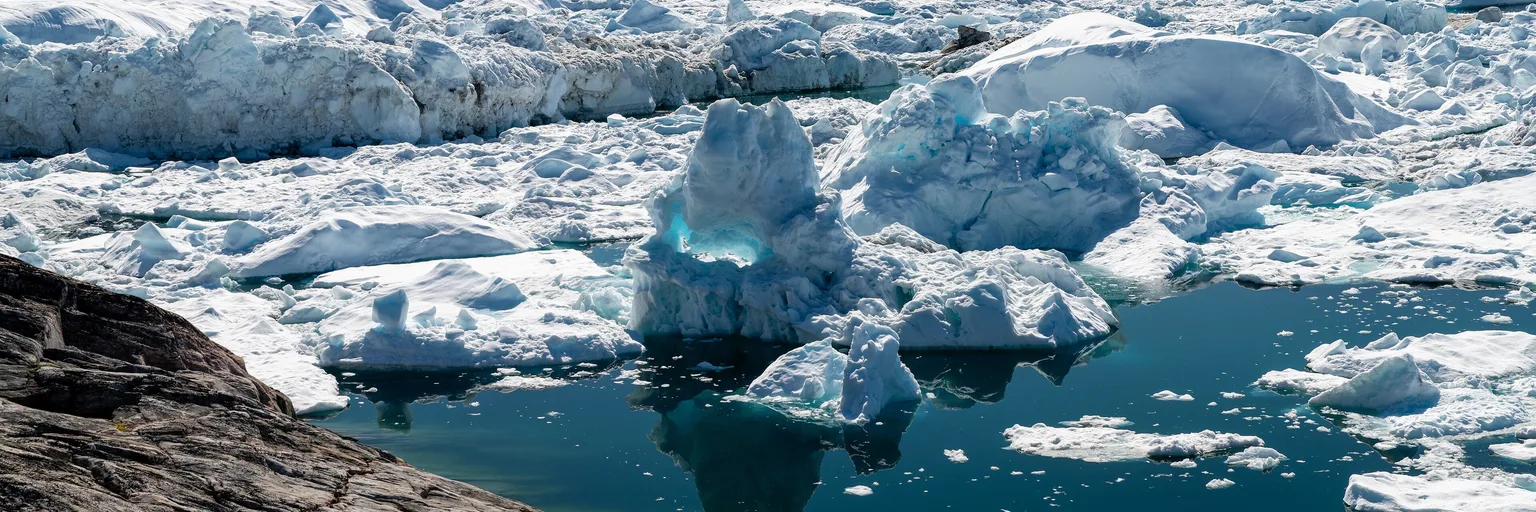
A jet-capable runway makes Greenland's most famous icefjord far easier to reach. Access, not scenery, is the story, and Ilulissat should set limits before demand arrives.
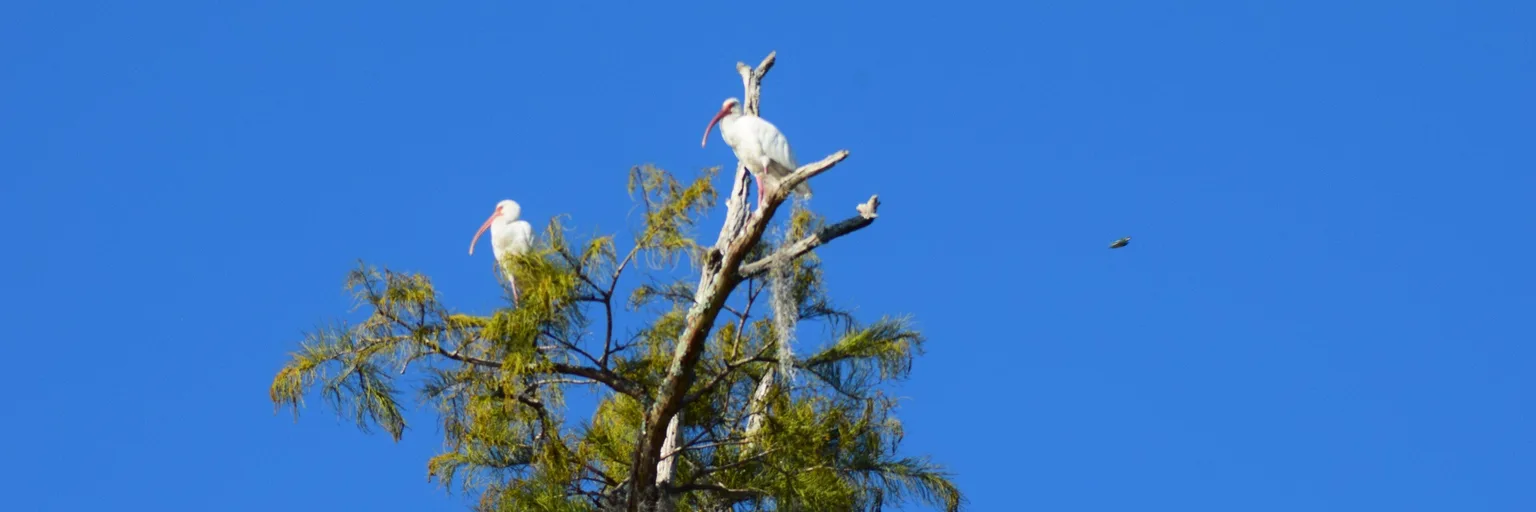
World Heritage status is drawing more visitors to Georgia's black-water swamp. The smart move is to decide how many it can take before the crowds arrive.
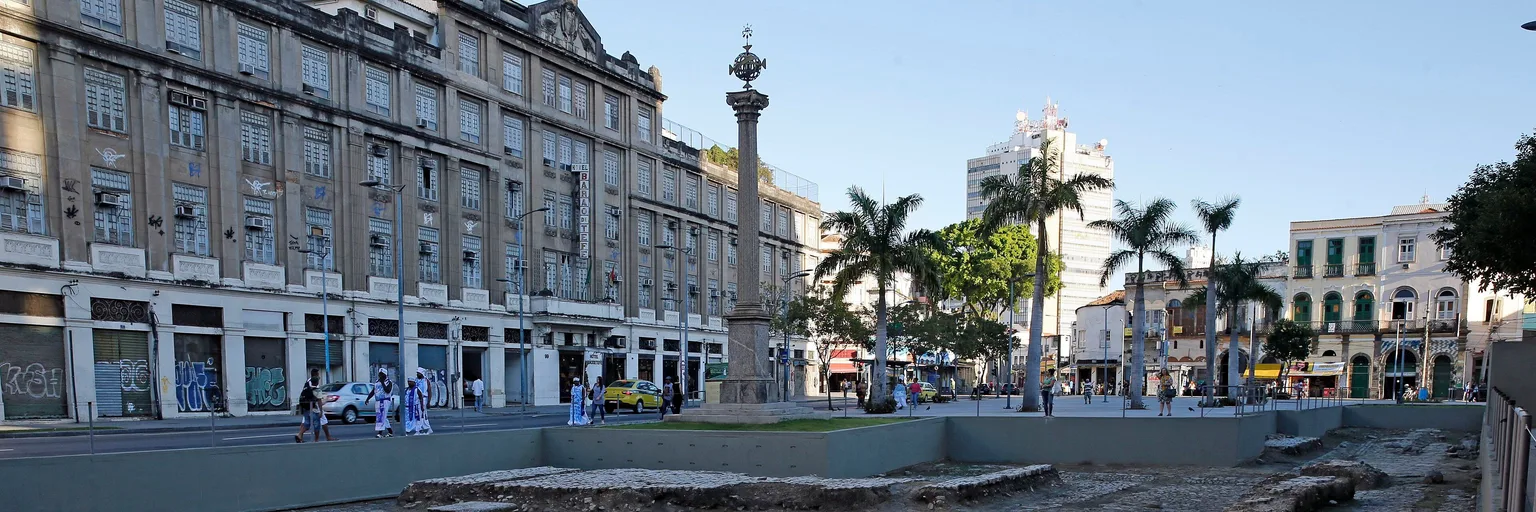
UNESCO added Rio's Valongo Wharf, a Salvador society and Serra da Barriga to its slavery memory network. The recognition only matters if travelers come and Brazil funds honest storytelling.
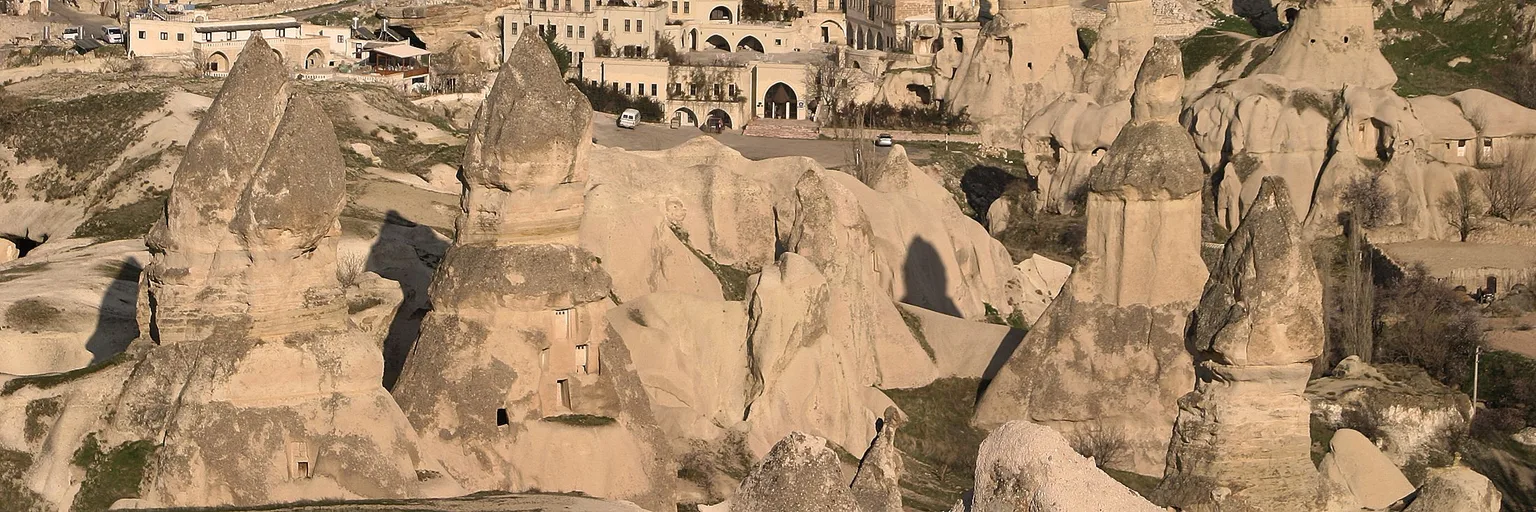
A fairy chimney fell at Göreme and killed two people. The tragedy is a reminder that fragile landmarks need monitoring, closures and honest risk talk, not only photo-friendly access.
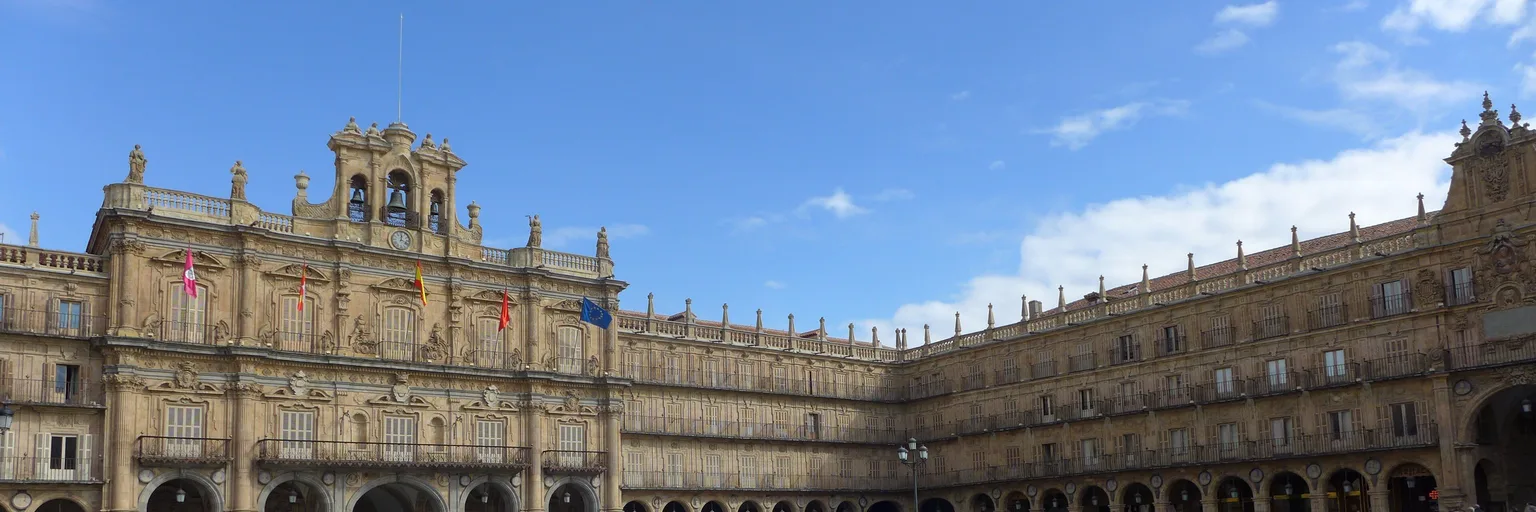
Unamuno called it Europe's most beautiful salon. Salamanca's golden baroque square rewards travelers who skip the capital, stay overnight and arrive when the crowds are gone.
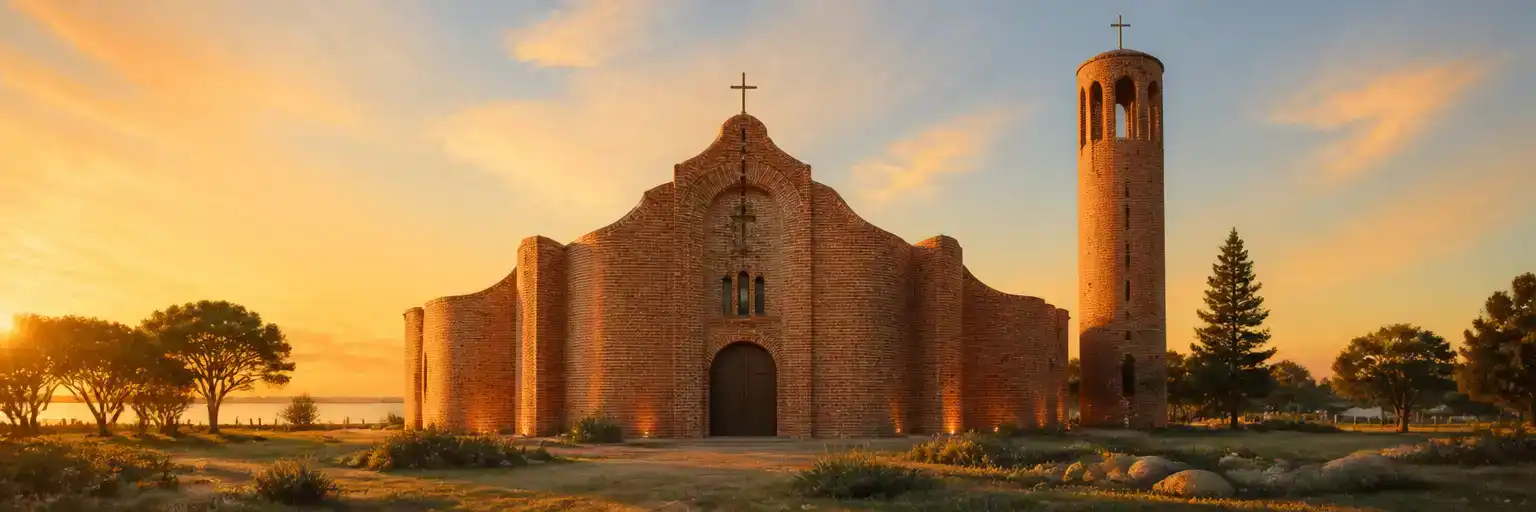
Eladio Dieste's Atlántida Church shows modern heritage can anchor a trip. Uruguay's challenge is to keep a fragile, quiet place from being loved to death.
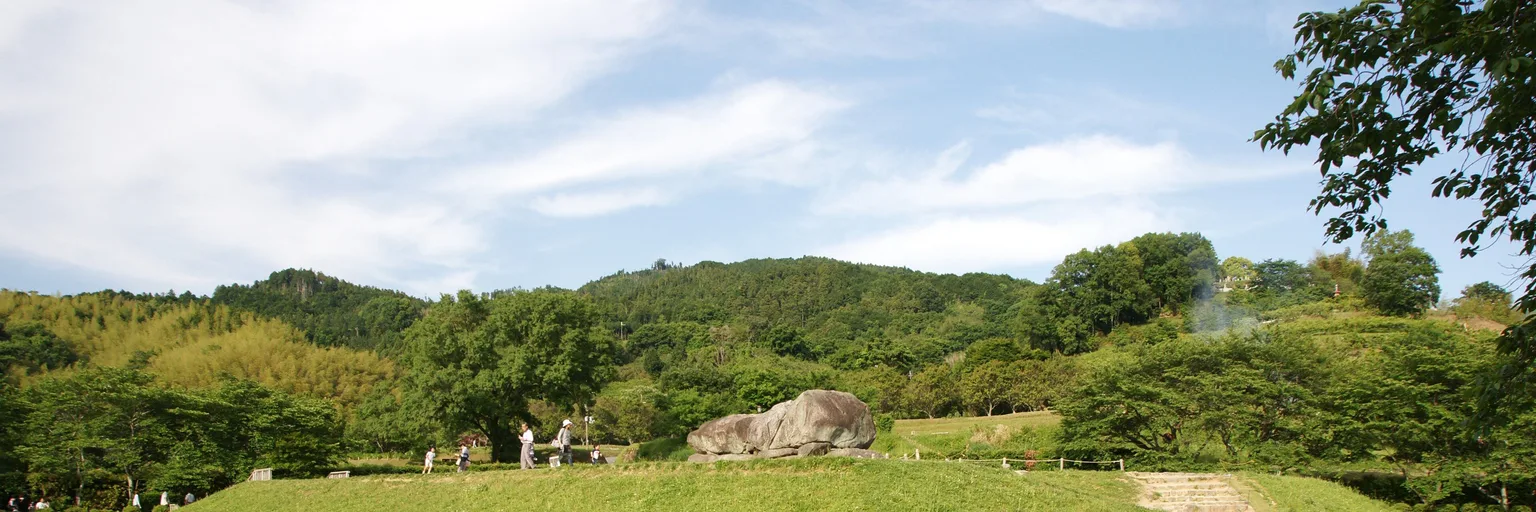
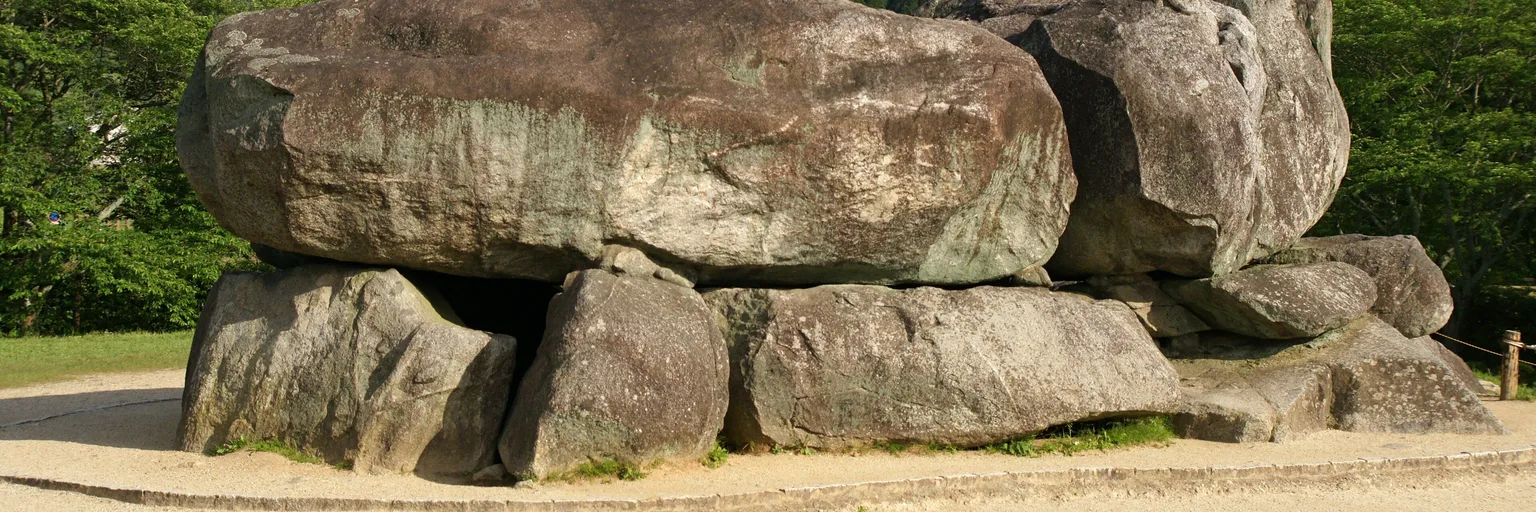
Asuka Village is limiting parking, charging fees and rolling out slow vehicles within months of its listing. Every new World Heritage site should have a visitor plan before the plaque goes up.
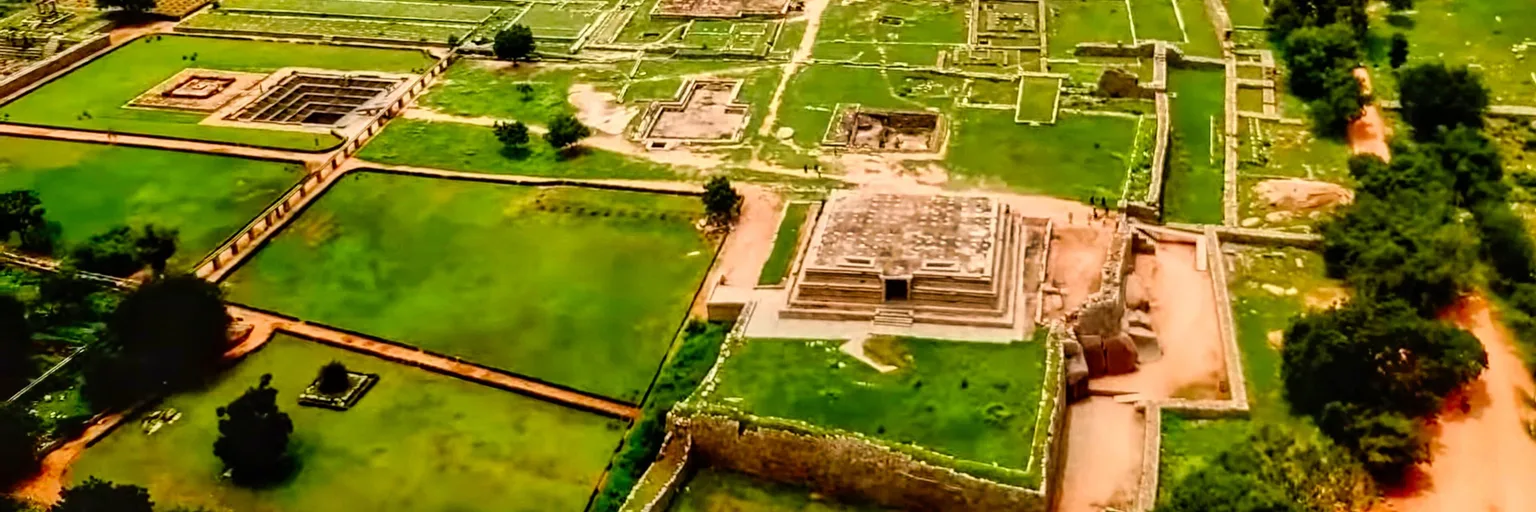
A UNESCO-ICOMOS mission is reviewing Hampi's conservation, tourism infrastructure and master plans. Travelers who love ruins should cheer for caps, not just easier access.
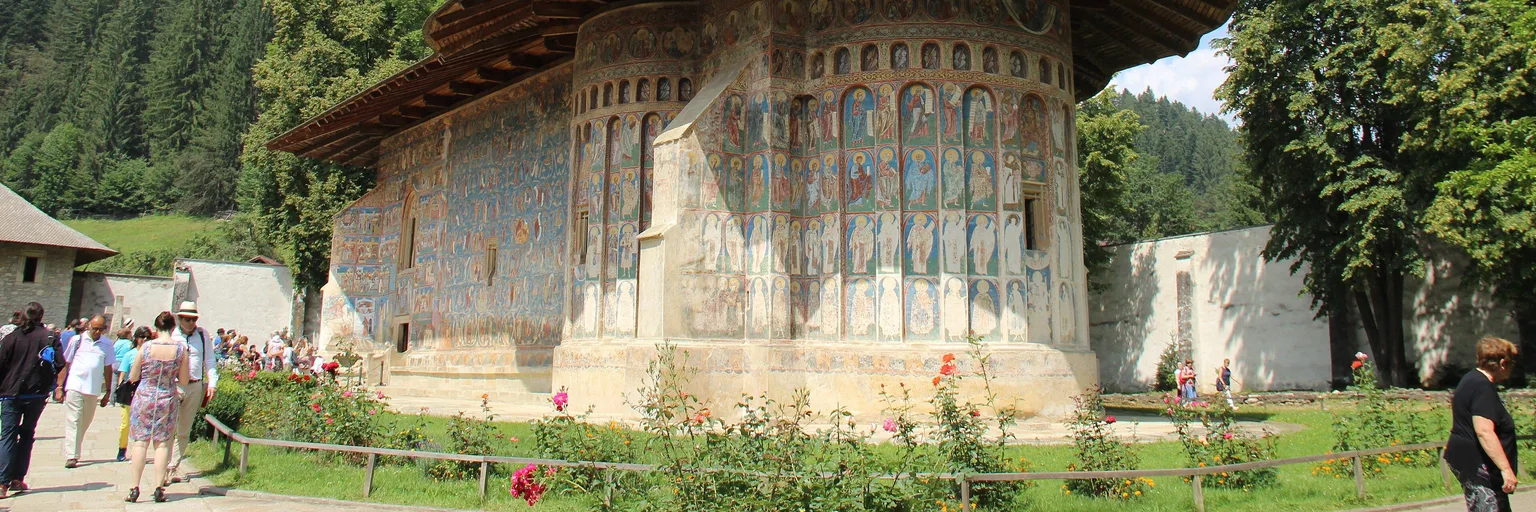
Topping a list of underrated destinations is a blessing and a curse. Bucovina deserves the crown, but the best way to honor it is to arrive slowly and spend locally.
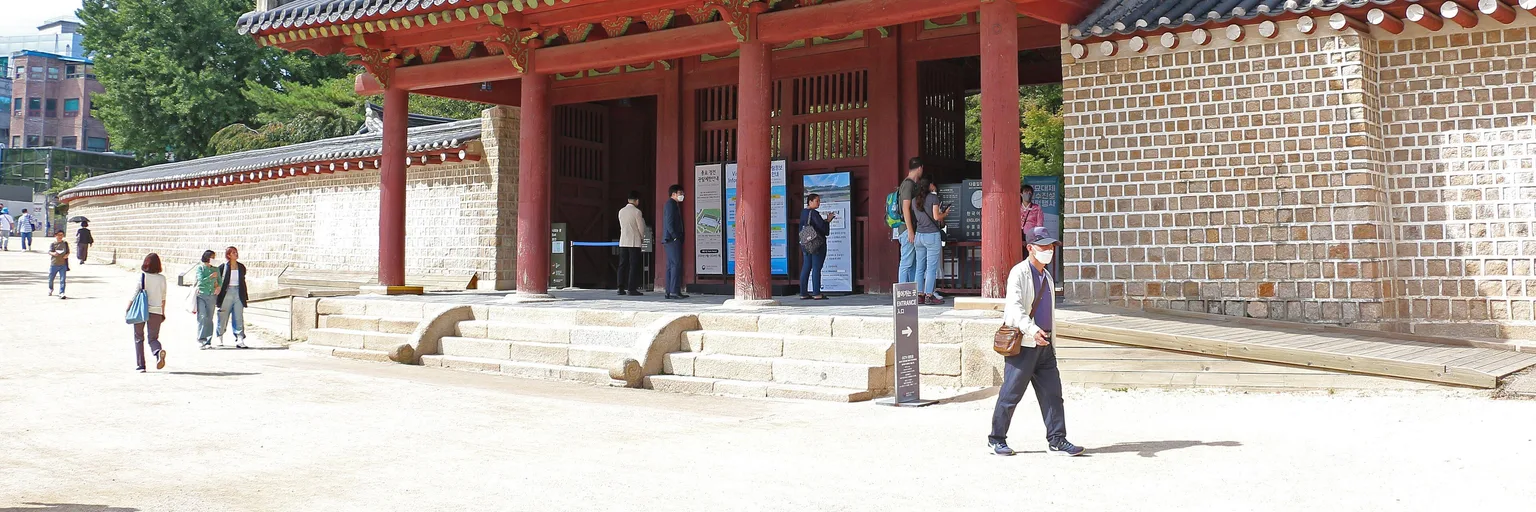
A 145-meter cap 180 meters from Jongmyo's gate shows that World Heritage status depends on a city's will to guard its sightlines. Travelers should notice, and Seoul should choose the shrine.
ICOMOS's favorable preliminary review could make the Via Francigena Italy's flagship slow-travel route, but only if the status brings real walker infrastructure, not a souvenir label.
International Archaeology Day serves as a critical reminder that our ancient past offers the most profound and sustainable pathways for future global tourism, demanding responsible engagement and unwavering preservation.
Fiji's impassioned call for UNESCO status for colonial-era Indian ports signals a vital shift, urging us to recognize history not just in ancient marvels but in the profound human stories of migration.
The immense draw of UNESCO World Heritage Sites, a magnet for global tourism, presents a paradox: their popularity clashes with the urgent need for long-term preservation, demanding creative strategies for sustainable engagement.