Cappadocia's deadly collapse shows icons need limits, not just viewpoints
A fairy chimney fell at Göreme and killed two people. The tragedy is a reminder that fragile landmarks need monitoring, closures and honest risk talk, not only photo-friendly access.
Photo: Brocken Inaglory / Wikimedia Commons (CC BY-SA 3.0)
Can a landscape be too beautiful to be left open without question? Thursday's events in Cappadocia force that uncomfortable thought. The postcard is not the same thing as the place, and the place is made of soft, ancient rock that does not care how many people want a photo of it.
What happened, as far as we know
According to Le Figaro, a rock column collapsed on October 29 at a tourist site in Göreme, central Turkey. The governor of Nevsehir, Huseyin Kok, said the bodies of two people had been found. The justice minister, Akin Gürlek, said at least five were injured. The governor attributed the incident to a rockfall caused by a landslide, and other outlets, RFI among them, report heavy rain as the trigger. The area was closed to the public, search and rescue was ongoing, and the Nevsehir prosecutor opened an investigation.
Details are still moving, and reports differ slightly on the number of injured. We will not speculate about who is to blame. But the broader question is already on the table, and it is a fair one.
A World Heritage icon is also a fragile structure
Cappadocia has been on the UNESCO list since 1985, and its fairy chimneys come from very old volcanic activity and erosion. That is the magic. It is also the warning label: these formations are made by erosion, and erosion does not stop when the tour buses arrive.
The authorities know this. Le Figaro notes that restoration work resumed two years ago to protect chimneys threatened by centuries of natural erosion and decades of very heavy visitation. In September, the head of the site's management body, Aydin Cem Aslanbay, told Daily Sabah that Cappadocia is very important but has very fragile formations. That is an honest statement. The uncomfortable part is what follows from it: if the managers describe the rock as fragile, visitors should be told so in plain terms, not only through a gift-shop version of the landscape.
In our view, that is where destinations tend to fall short. Marketing sells permanence, with the same golden valley year after year. Geology offers no such promise, especially after bad weather.
Money is not an argument against closing things
The same official says the site draws 4.5 million visitors a year and generates 2.5 billion dollars in revenue. Those numbers are the reason a cautious approach is hard, and the reason it is necessary. A destination that earns that much can afford serious monitoring, and it cannot afford a reputation for letting people stand under unstable rock.
What would sensible limits look like? This is our opinion, not a description of what Turkey is or isn't doing. Zones near vulnerable formations should close automatically after heavy rain, not after an accident. Stability should be assessed regularly by specialists, with results that determine access. And signage should say plainly which areas carry real risk, rather than assuming a lovely view speaks for itself.
Closures irritate visitors and tour operators, and we understand why. But a roped-off pinnacle for a few days is a minor inconvenience. The alternative is what happened on Thursday.
Should you still go?
Probably yes, but go as a thoughtful visitor. Cappadocia's cave sanctuaries, troglodyte villages and underground cities remain extraordinary. Check conditions and any closures before you travel, follow staff instructions without argument, and treat barriers as information rather than an obstacle to a better angle. After rain, be especially wary of anything that looks unstable.
The lesson is not that nature is dangerous. It is that natural icons deserve the same engineering humility we grant to cathedrals and bridges. Our verdict: keep the doors open, but give the rock the right to say no. Anything less turns a World Heritage landscape into a gamble.
No topics yet: start the first one.
More stories
Rome's best sight right now is free: Borromini's Sant'Ivo is back
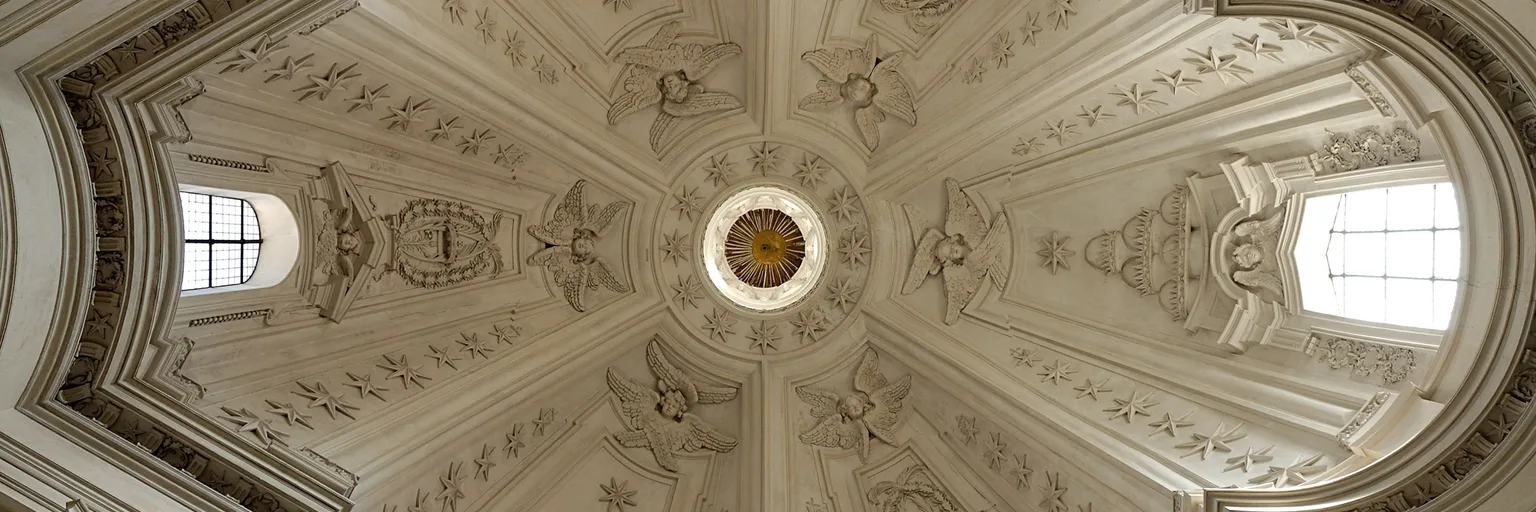
Sant'Ivo alla Sapienza reopened on October 27 with free weekday-morning entry. We think it shows that Rome's best moments often hide beyond the Colosseum line.
Iraq's new archaeological park is worth watching, but only if access is real
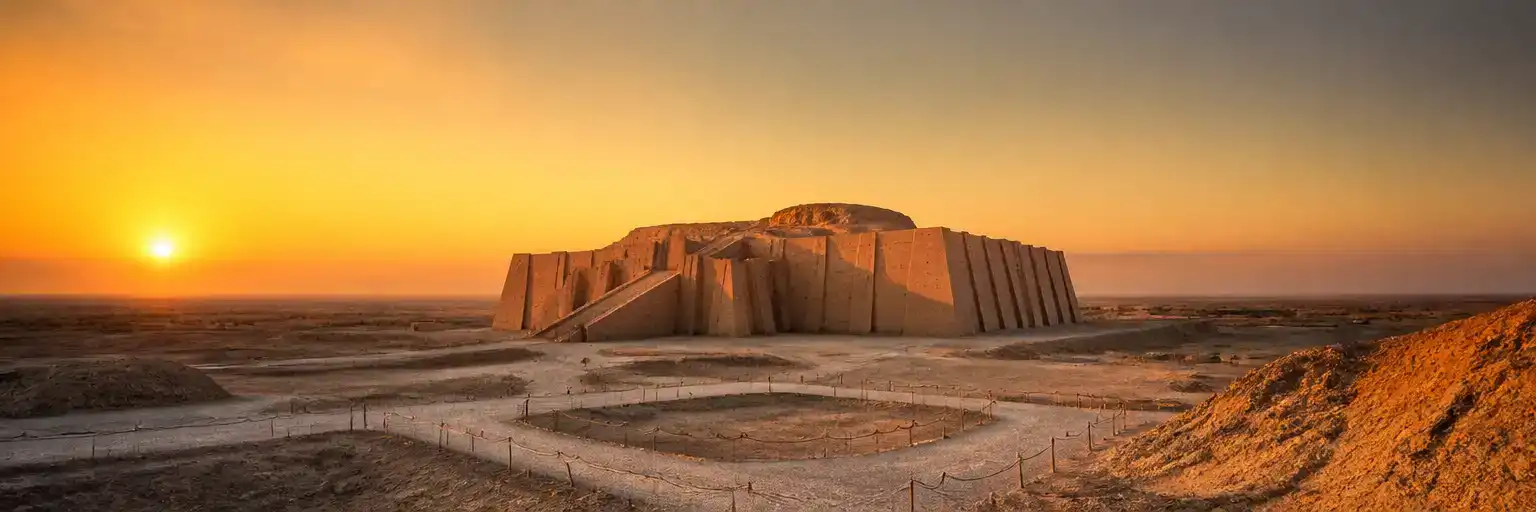
A Mesopotamian park near Baghdad is a rare chance to stand in the cradle of civilization, but it only counts as a destination once visitors get clear access and rules.
Santander on NatGeo's 2027 list: sell the calm, not the crowds
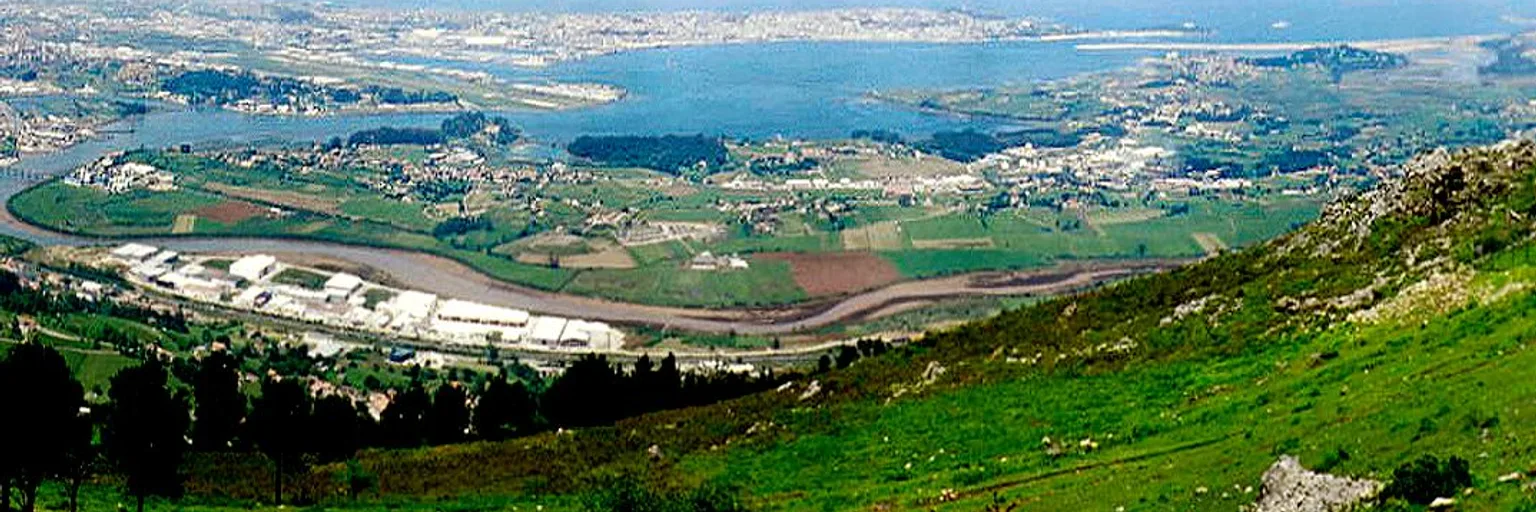
National Geographic has put Cantabria's unhurried capital on its 2027 list, and Santander now has to choose: copy the overtourism script, or turn its slow, art-by-the-sea rhythm into the product.
Triglav's glacier is gone: stop selling "last chance" ice
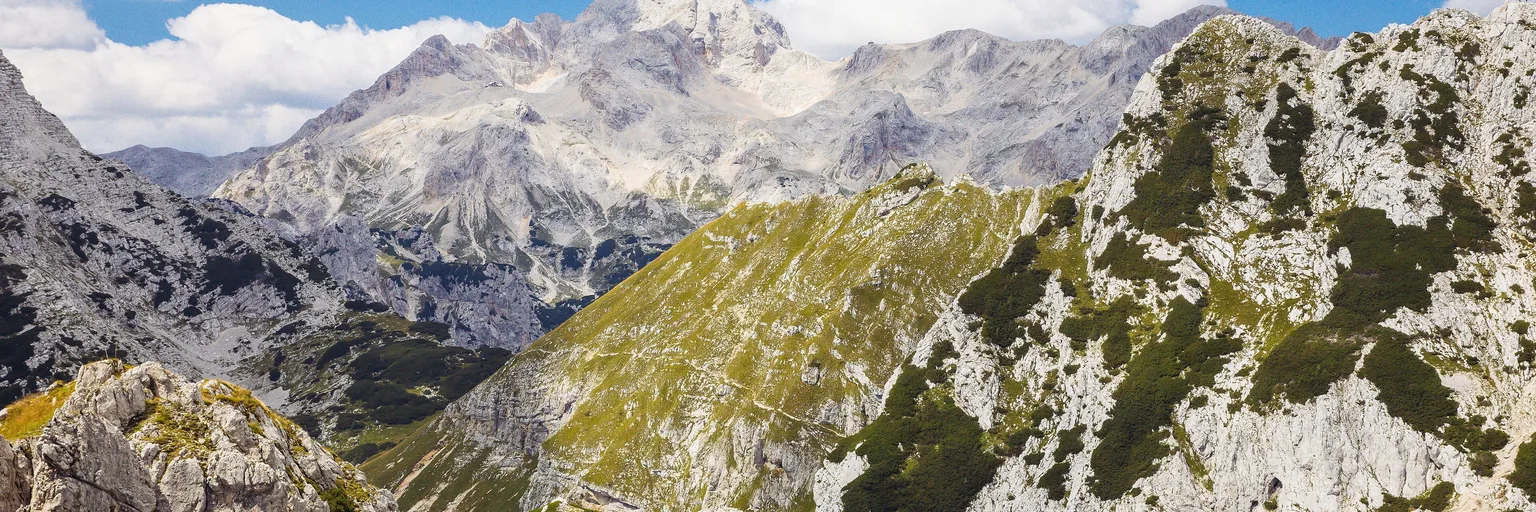
The glacier on Slovenia's highest peak has vanished, and the lesson for Alpine travelers is not to rush for the next disappearing sight but to rethink what a mountain trip is for.