Iraq's new archaeological park is worth watching, but only if access is real
A Mesopotamian park near Baghdad is a rare chance to stand in the cradle of civilization, but it only counts as a destination once visitors get clear access and rules.
AI-generated image
How many travelers can say they have walked through a city that was already ancient when Rome was founded? Iraq has just handed that question a new answer. It has opened an archaeological park near Baghdad, and the pitch is simple: come see Mesopotamia. We think the pitch deserves attention. We also think it deserves some homework before anyone books a flight.
What opened, and a caveat on the details
According to Shafaq News, Iraq opened the first section of an archaeological park at Aqar Quf, a 3,400-year-old city on the western edge of Baghdad. It is an Iraqi-Italian effort to restore the site and turn it into a cultural tourism destination. EU Agenda gives the date as October 20, 2026, with Italy's ambassador in Baghdad, Niccolò Fontana, present. It describes the site as ancient Dur-Kurigalzu. Other coverage says the ziggurat dates to the 14th century BC, under the Kassite king Kurigalzu I, and that the University of Bologna provided funding.
One caveat. The Italian wire story behind today's buzz places the opening at Tell Muhammad, south of Baghdad, on a Monday. Other reports place the Tell Muhammad excavations southeast of Baghdad, and the Aqar Quf coverage says Tuesday. The documentation we have doesn't settle this. Until it does, treat the site name and day in any single headline with caution. That confusion is already a small preview of our argument.
The cradle of civilization is a strong hook, and a fragile one
The appeal is real. Mesopotamia is the kind of name that sells itself, and a ziggurat is a thing you remember. The excavations around Baghdad also keep producing material. Il Sole 24 Ore's video report notes that Iraqi and Italian archaeologists have been digging at Tell Muhammad since 2022. They have found clay jars, statuette fragments and metal blades. Separate reporting from Syriac Press describes defensive walls, gates and signs of metalworking from roughly 4,000 years ago.
Here is our view: this is exactly the kind of place that rewards the slow, curious traveler. If the finds from the Baghdad-area digs are any guide, it isn't a checklist stop with a selfie wall. It is a place where you can start to picture fortifications, workshops and burials, and that is far more moving than a polished replica.
But "opened to the public" is a phrase that carries a lot of weight. It means a ribbon was cut. It doesn't tell you whether a stranger can show up on a Wednesday and walk in.
What a real destination needs that a ceremony can't supply
We could find nothing in the reports we reviewed about opening hours, ticketing, guided tours, transport to the site or visitor safety guidance. We won't guess, and a traveler shouldn't either. For us, those gaps are the story. A park only becomes a destination when the practical layer exists:
- Access you can plan around. Published hours, a way to book, and a clear answer on whether independent visits are allowed or only organized groups.
- Safety information you can trust. Official, current and specific, not buried in a press release.
- Conservation rules that are visible. Marked paths, limits on climbing and touching, and a plan for protecting fragile ancient remains.
On the last point, there are encouraging signs. Shafaq reports on plans for a protective roof over the archaeological remains, and Italy's foreign ministry frames the initiative around a model of sustainable cultural tourism. Shelter and sustainability language is the right instinct. Exposed ruins rarely survive crowds and weather forever, and the worst outcome would be a heritage site loved to death within a few seasons of its debut.
Our verdict: put it on the list, not on the itinerary yet
This is the underrated story of the season. A country with some of humanity's oldest urban heritage is moving to share it, with international scientific partners and a stated focus on conservation. That is good news for travelers, for local communities and for the sites themselves.
Our advice is to follow it rather than rush it. Wait for official visitor information from Iraq's State Board of Antiquities and Heritage. Check your own government's current travel guidance, and look for operators who can explain exactly how access works. If Iraq publishes clear access, safety and protection rules, this park could become one of the most meaningful additions to any history-minded traveler's map. If it doesn't, it will remain a beautiful idea that most of us can only read about. We're hoping for the first outcome, and we think the second is avoidable.
No topics yet: start the first one.
More stories
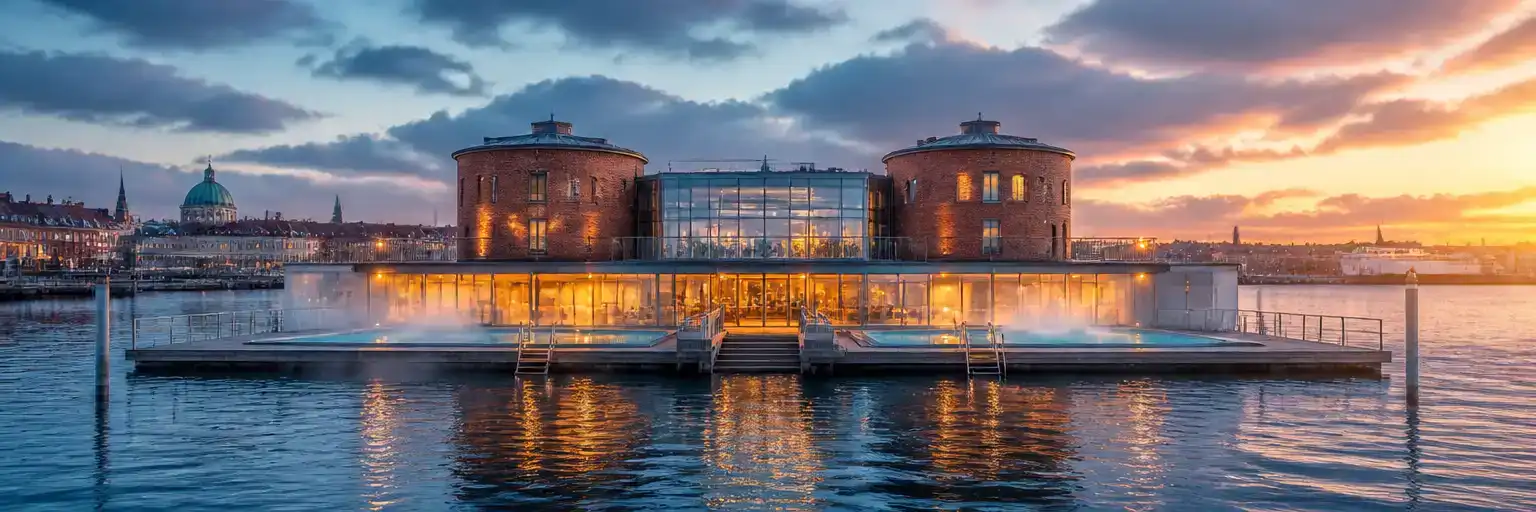
Copenhagen's Kai bathhouse shows a public pool can beat any monument
Kai, opening December 5 on Paper Island, gives Copenhagen a winter reason to visit without another monument. Its secret weapon: it's a public pool, not a private spa.
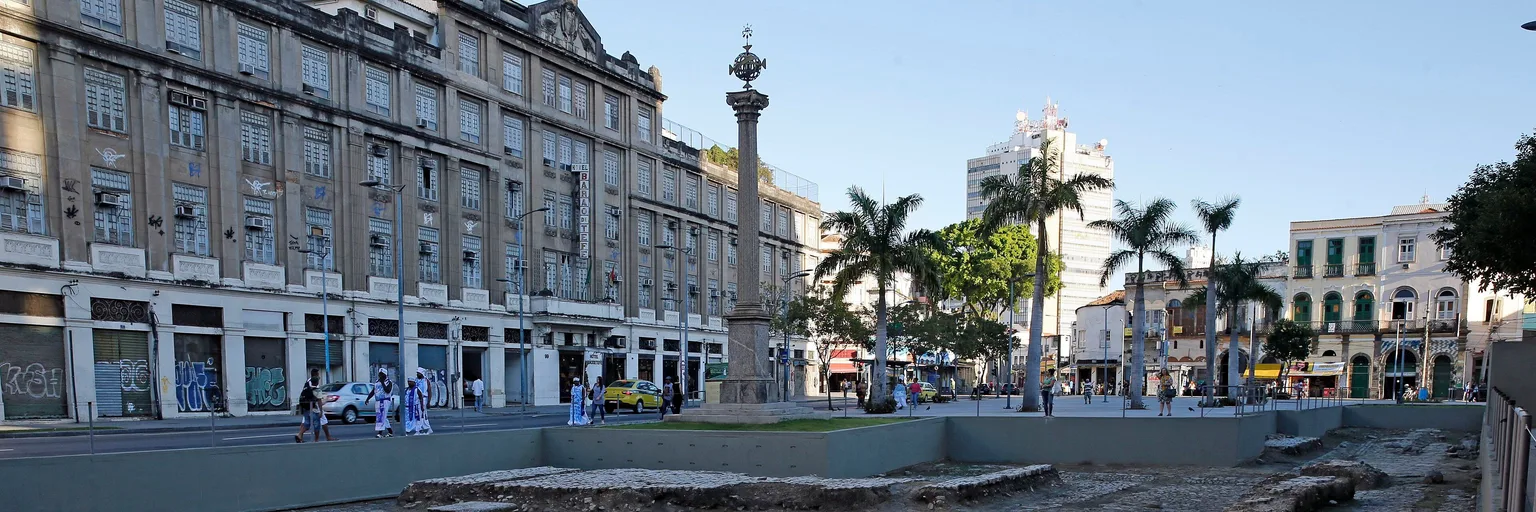
Brazil's slavery memory sites deserve visitors, not just plaques
UNESCO added Rio's Valongo Wharf, a Salvador society and Serra da Barriga to its slavery memory network. The recognition only matters if travelers come and Brazil funds honest storytelling.
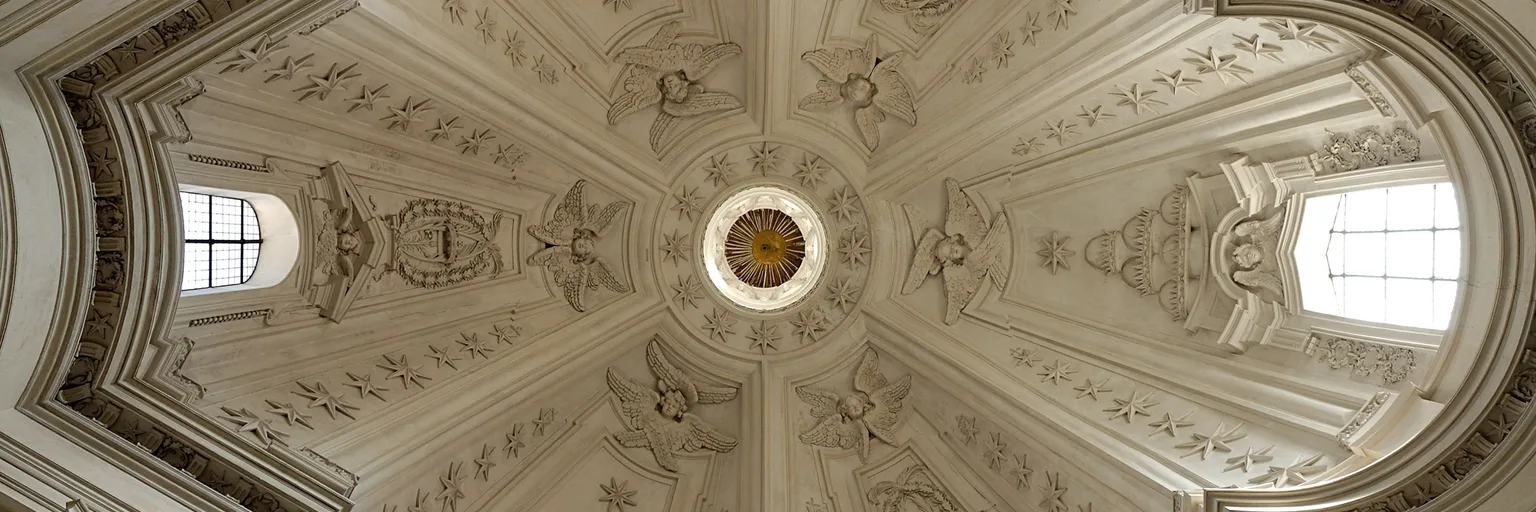
Rome's best sight right now is free: Borromini's Sant'Ivo is back
Sant'Ivo alla Sapienza reopened on October 27 with free weekday-morning entry. We think it shows that Rome's best moments often hide beyond the Colosseum line.
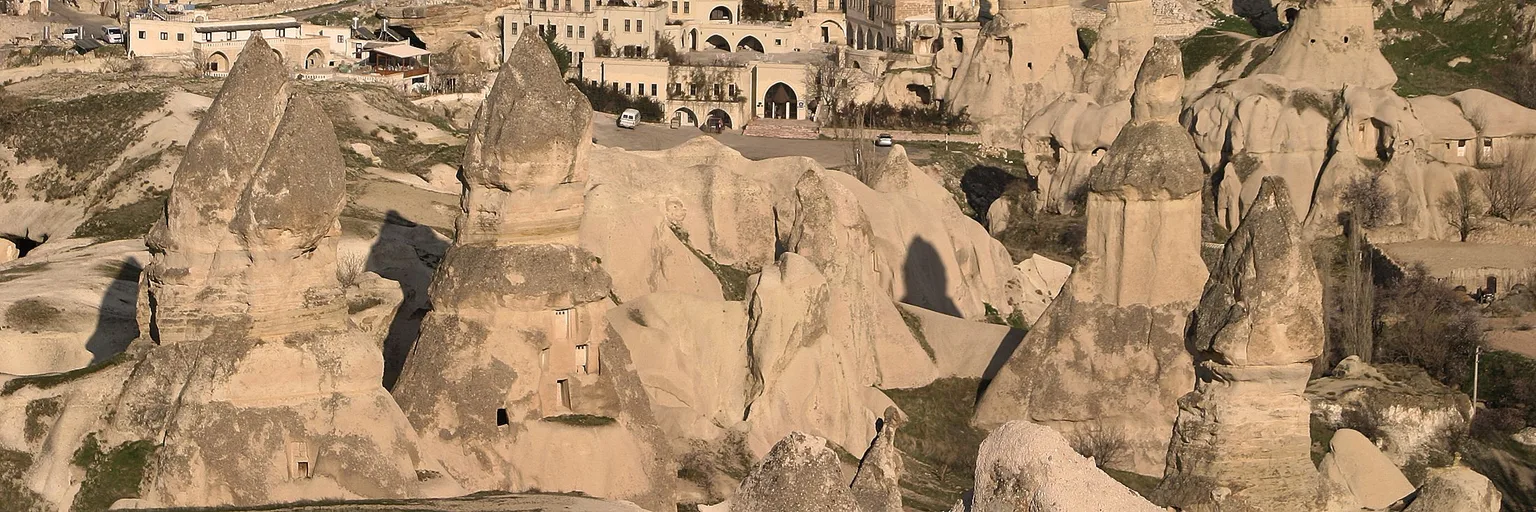
Cappadocia's deadly collapse shows icons need limits, not just viewpoints
A fairy chimney fell at Göreme and killed two people. The tragedy is a reminder that fragile landmarks need monitoring, closures and honest risk talk, not only photo-friendly access.