Tripsfera Newsroom
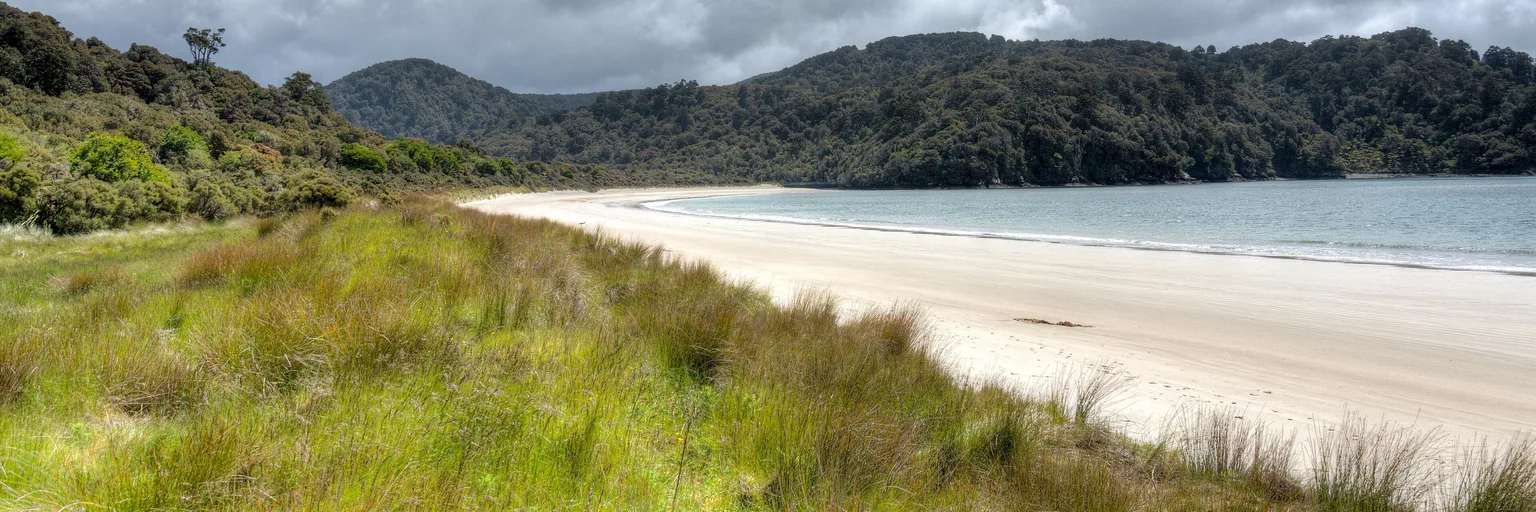
Stewart Island's 2027 badge is nice. Go for the quiet instead
Condé Nast Traveller's 2027 nod could reward slow, small-scale travel in southern New Zealand, but only if the island stays small and the crowds don't arrive.
Choosing the harder, slower way can make a trip feel real again. But once friction gets a luxury price tag, it stops teaching you anything and starts being merchandise.
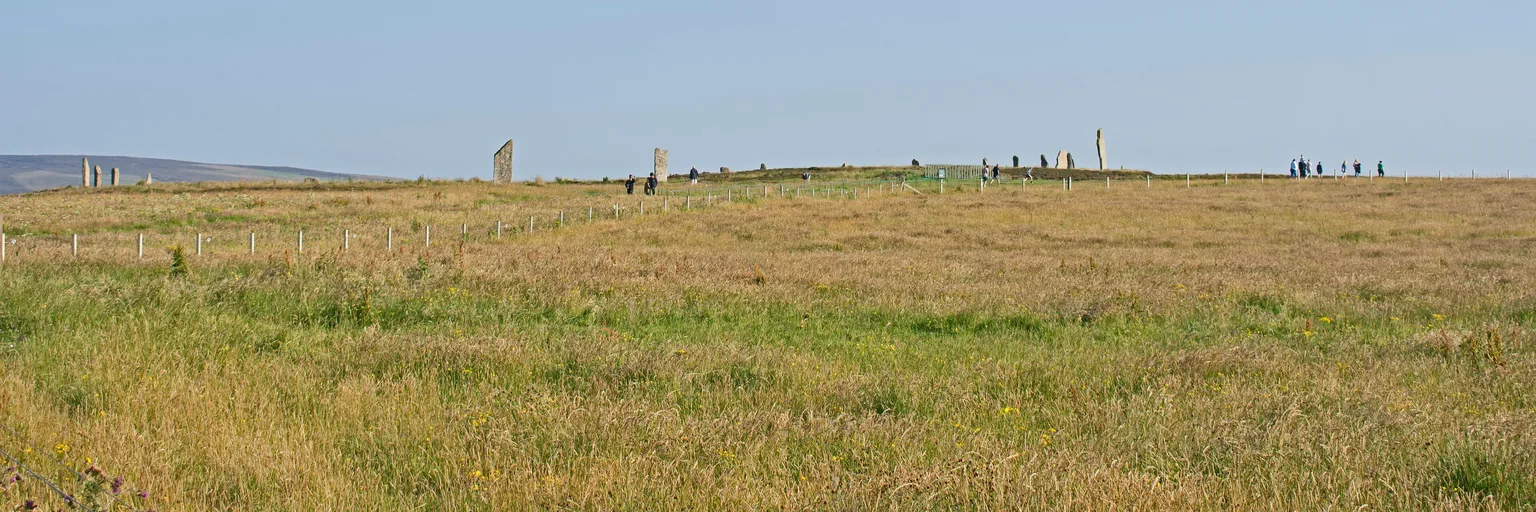
Lonely Planet's pick of Orkney for 2027 could reward slow, off-season travel, but the real test is how the islands handle the attention it brings.
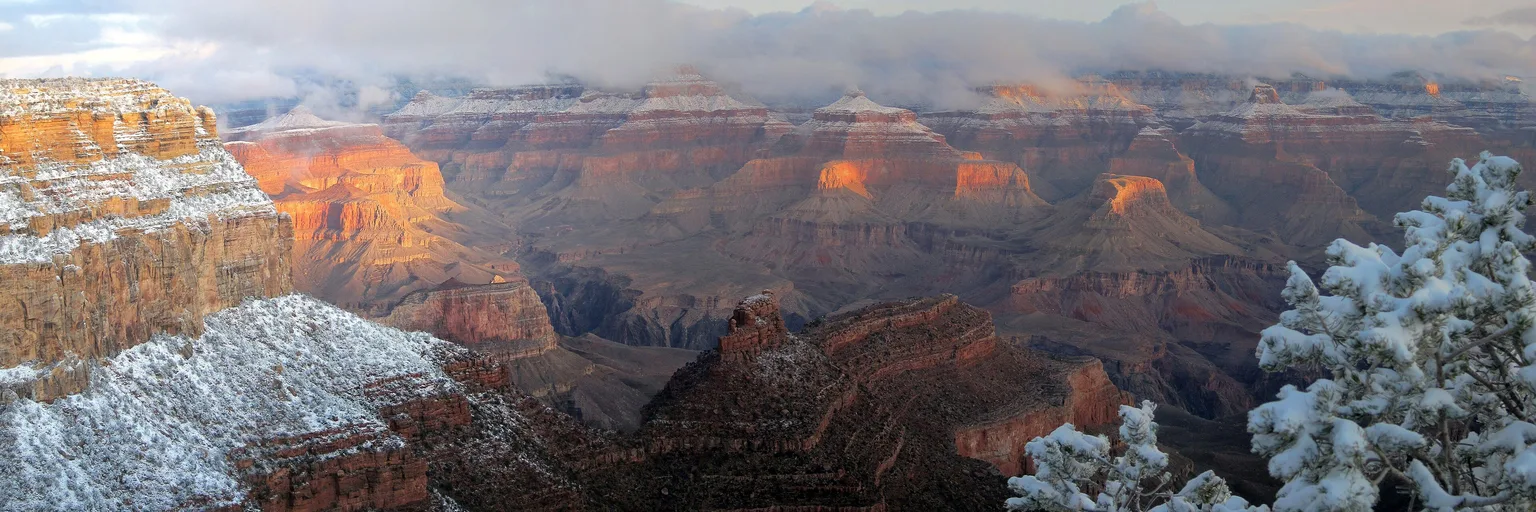
El Tovar and the South Rim lodges reopen Nov. 20 after the flood, but the park is still recovering. A slow midweek stay beats a holiday scramble.
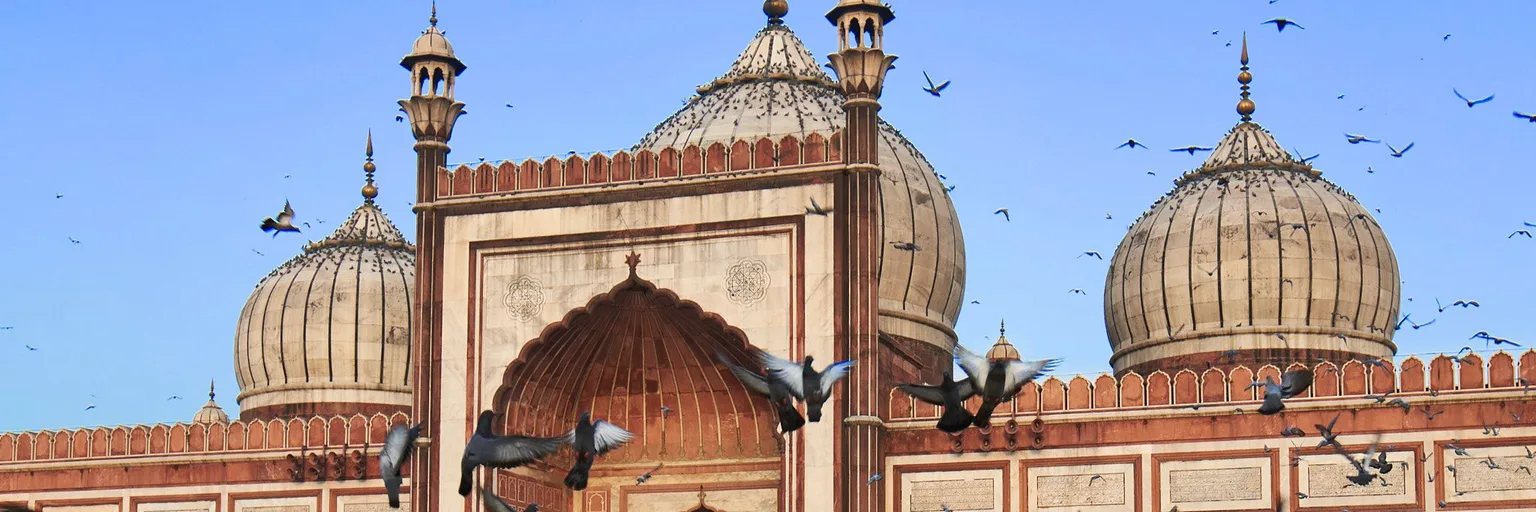
Travel + Leisure's crown is a good reason to take India seriously, but a country this vast rewards one region and one season, not a checklist.
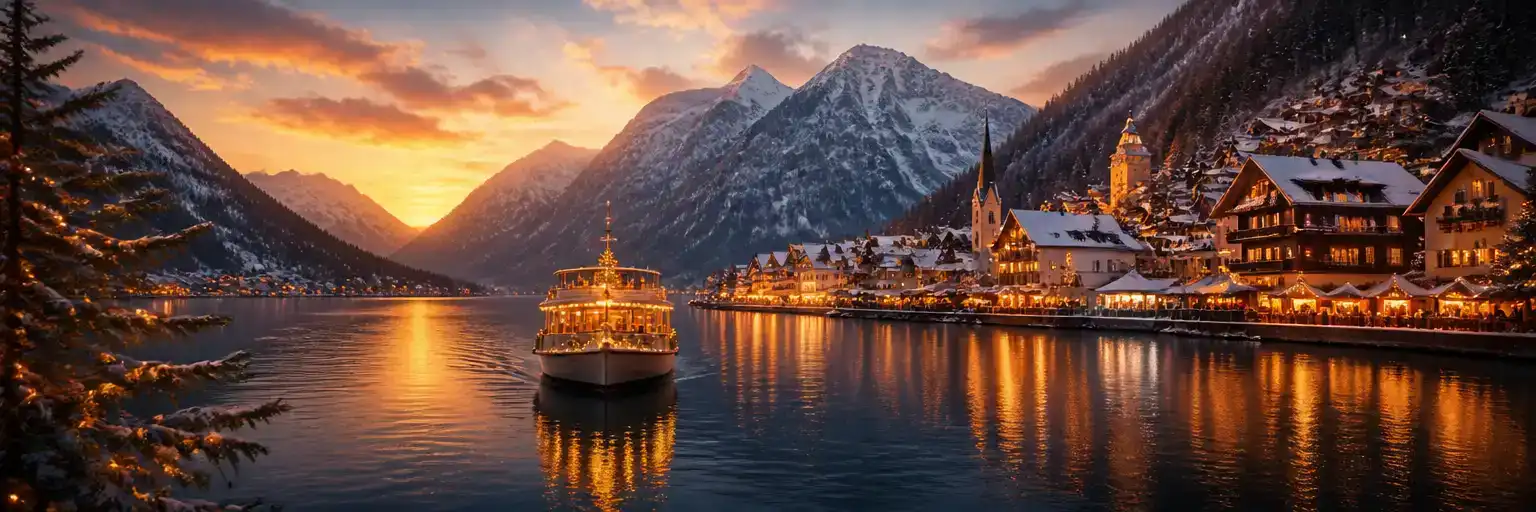
St. Wolfgang, Strobl and St. Gilgen offer a cozier Christmas than any capital, provided you take the boat, think about timing and skip the weekend crush.
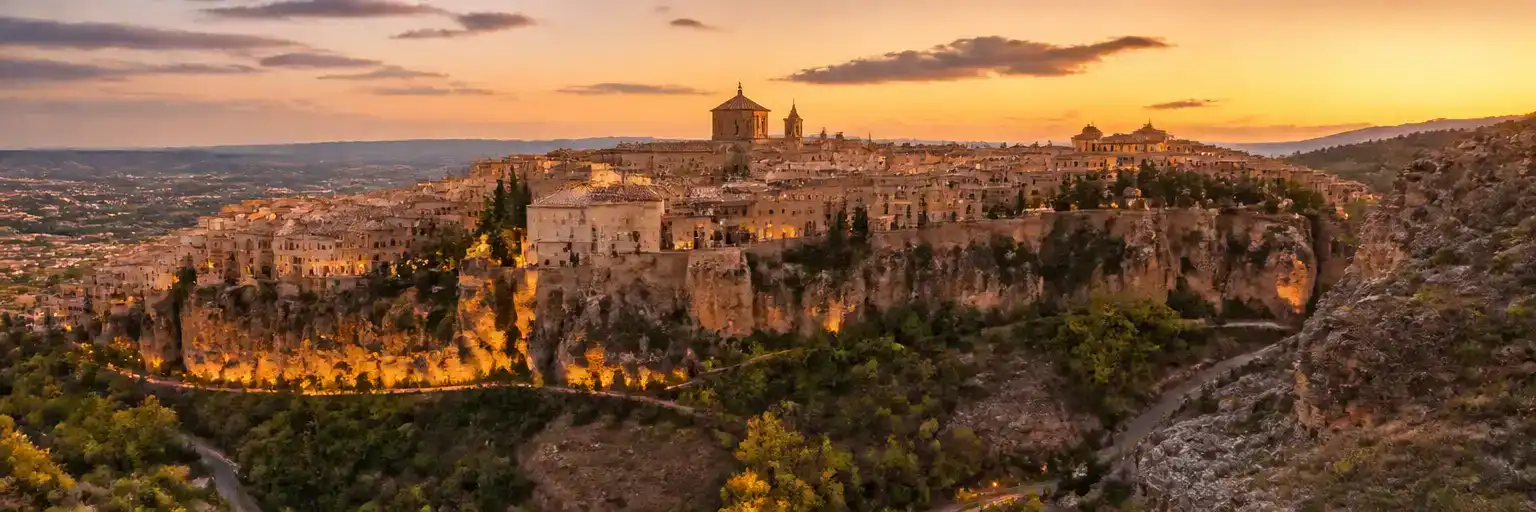
Cuenca's UNESCO anniversary is a nudge to swap the rushed day trip from Madrid for a slower overnight stay, and to treat the old town as a place, not a backdrop.
A TV beauty title can feed the summer crush or fix it. Limone sul Garda has the climate and the heritage to use it as an invitation to come off-season.
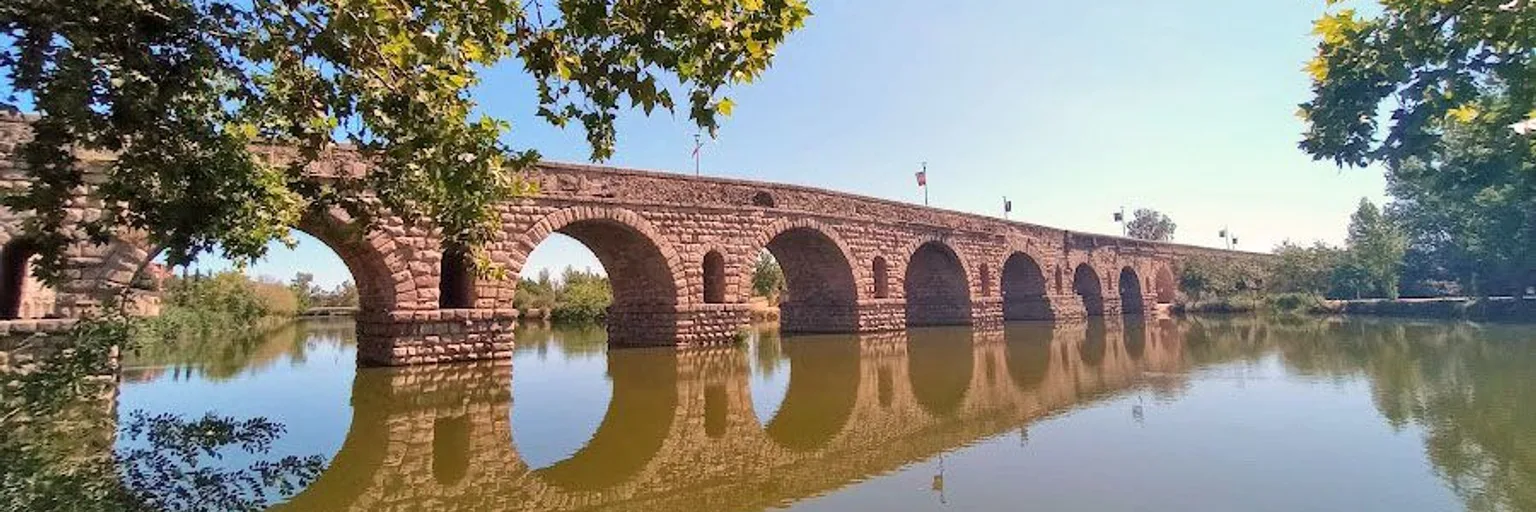
At 790 meters and 60 arches, Mérida's Roman bridge is the kind of monument that makes Extremadura a rival to Spain's famous hubs. Give it days, not minutes.
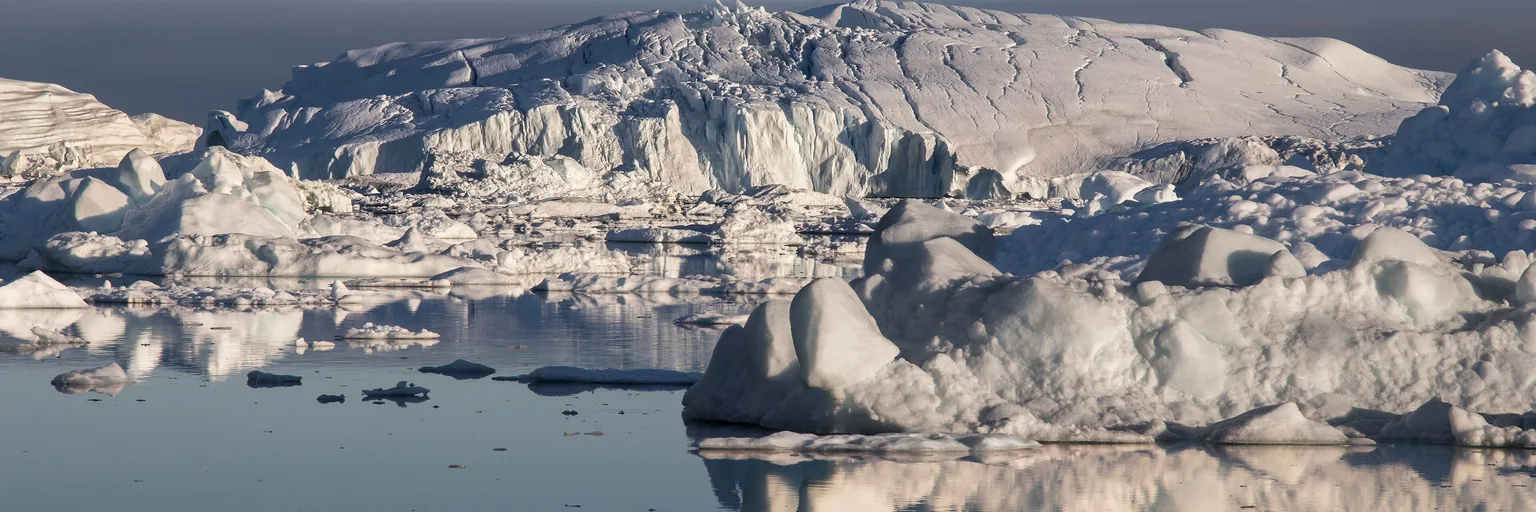
A nonstop Copenhagen–Ilulissat flight puts Greenland's famous icebergs within easier reach, and the smart response is to travel slower and spend locally.
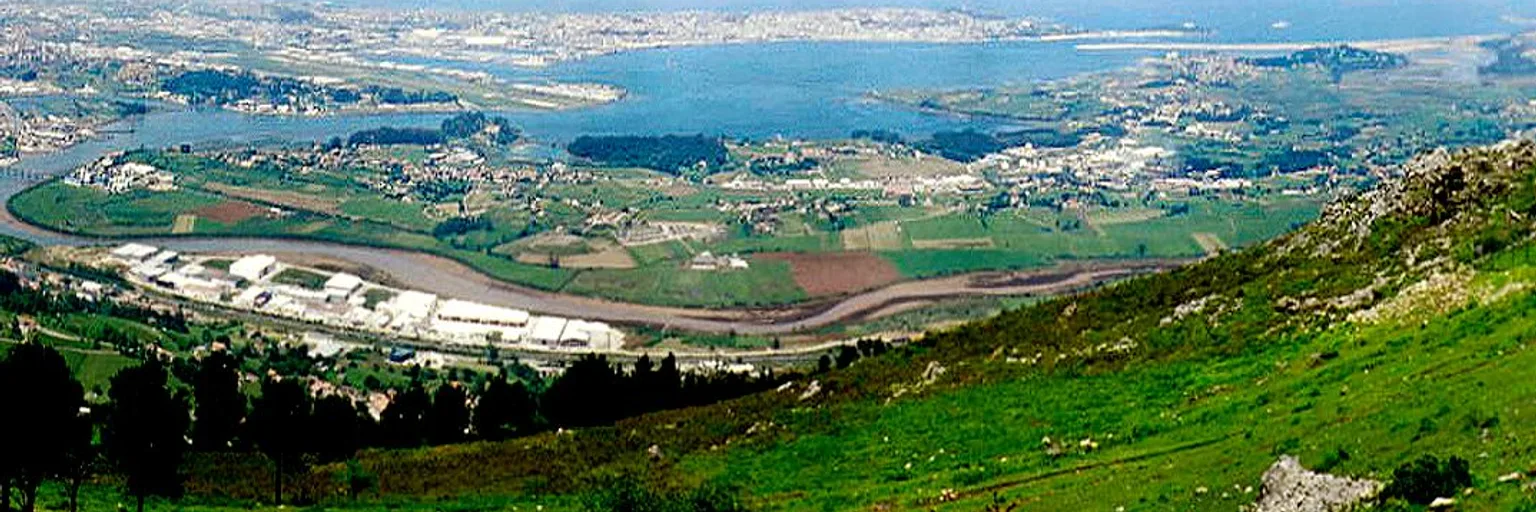
National Geographic has put Cantabria's unhurried capital on its 2027 list, and Santander now has to choose: copy the overtourism script, or turn its slow, art-by-the-sea rhythm into the product.
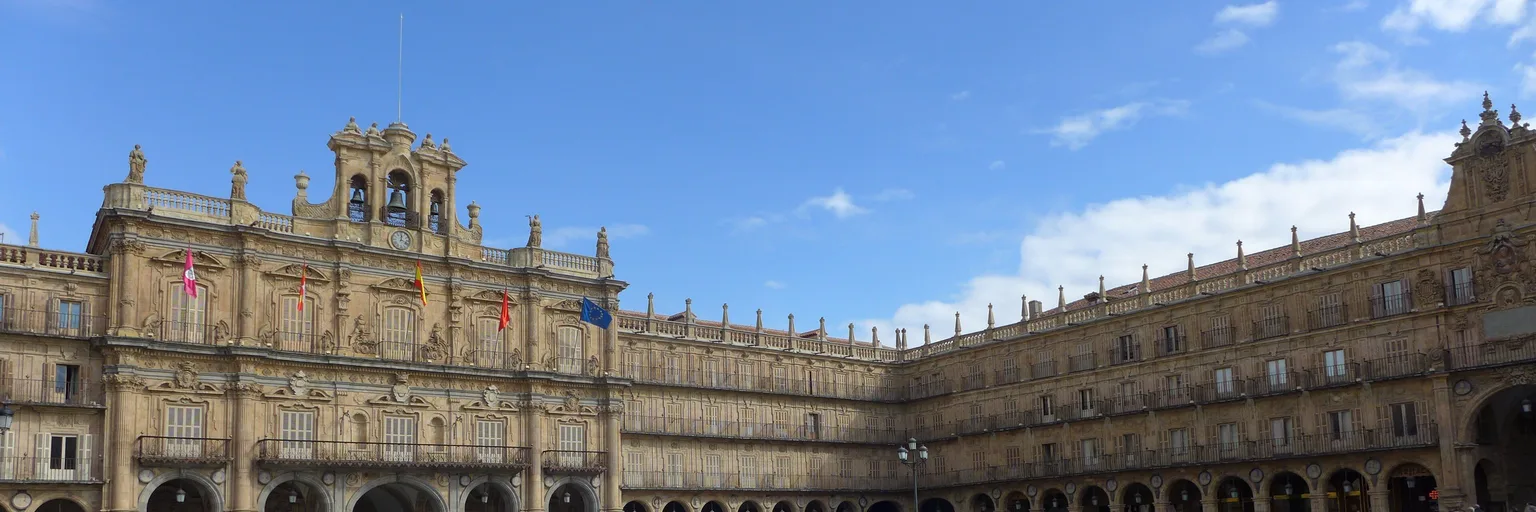
Unamuno called it Europe's most beautiful salon. Salamanca's golden baroque square rewards travelers who skip the capital, stay overnight and arrive when the crowds are gone.
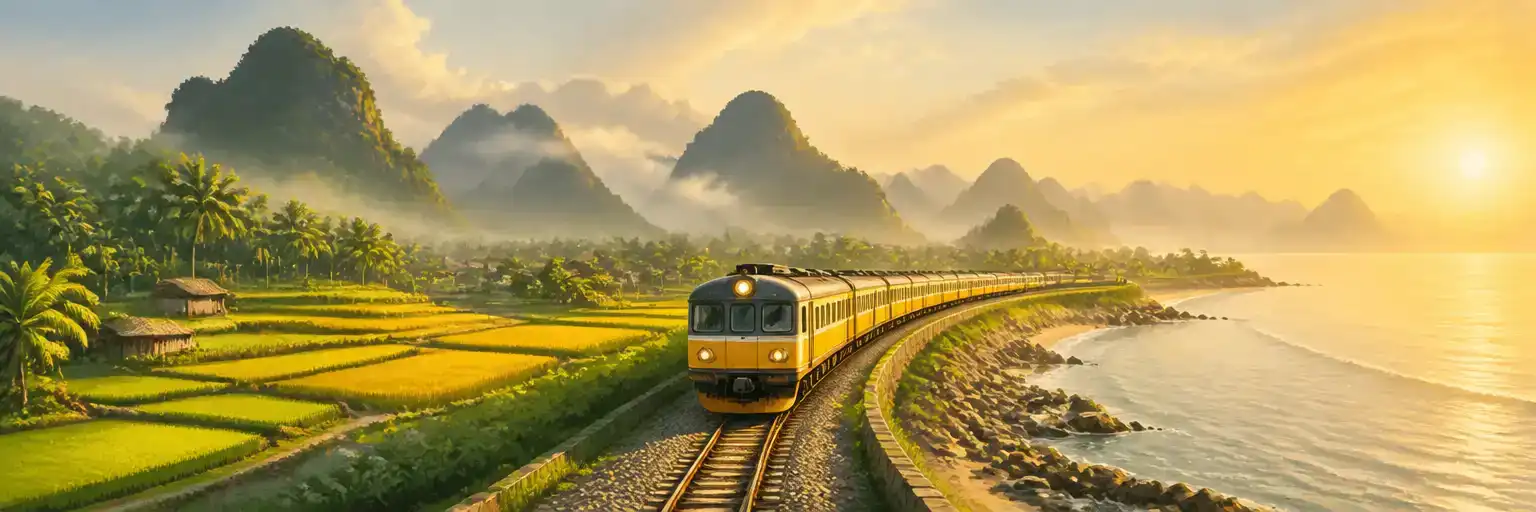
The new Hue–Phong Nha train makes the ride part of the trip. Its biggest risk isn't speed, it's turning a landscape into an onboard theme park.
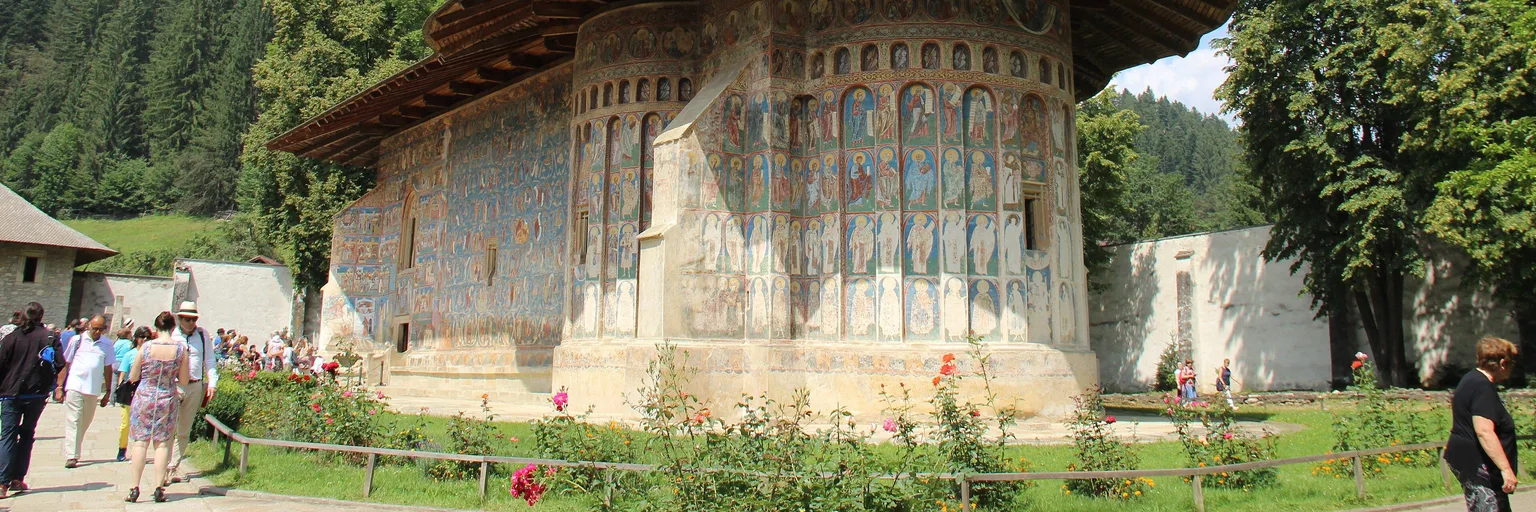
Topping a list of underrated destinations is a blessing and a curse. Bucovina deserves the crown, but the best way to honor it is to arrive slowly and spend locally.
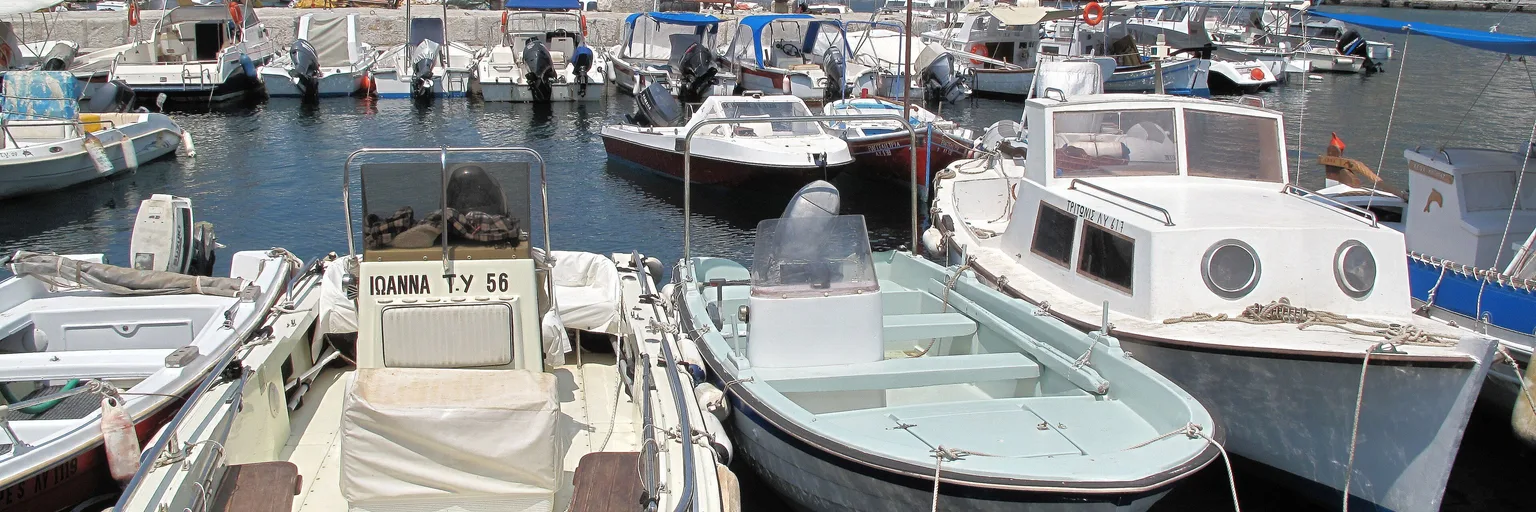
Hydra topping Europe's island ranking isn't a fluke: readers are rewarding silence, walkability and identity over fame. Other islands should copy the model, not the hype.
ICOMOS's favorable preliminary review could make the Via Francigena Italy's flagship slow-travel route, but only if the status brings real walker infrastructure, not a souvenir label.
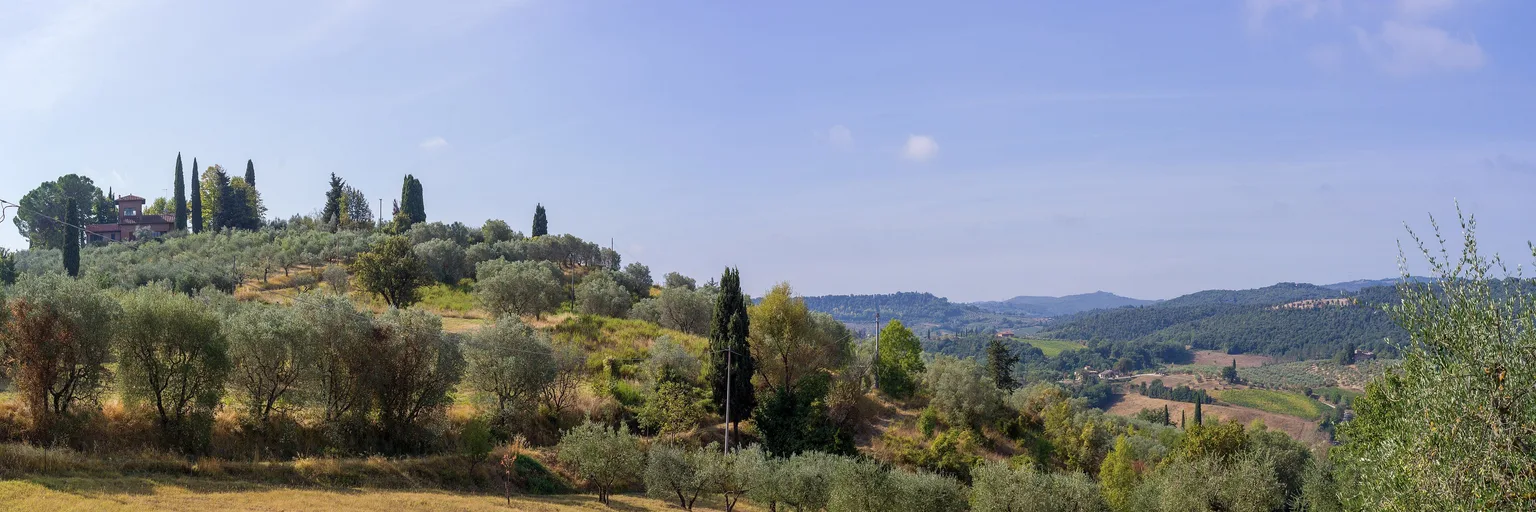
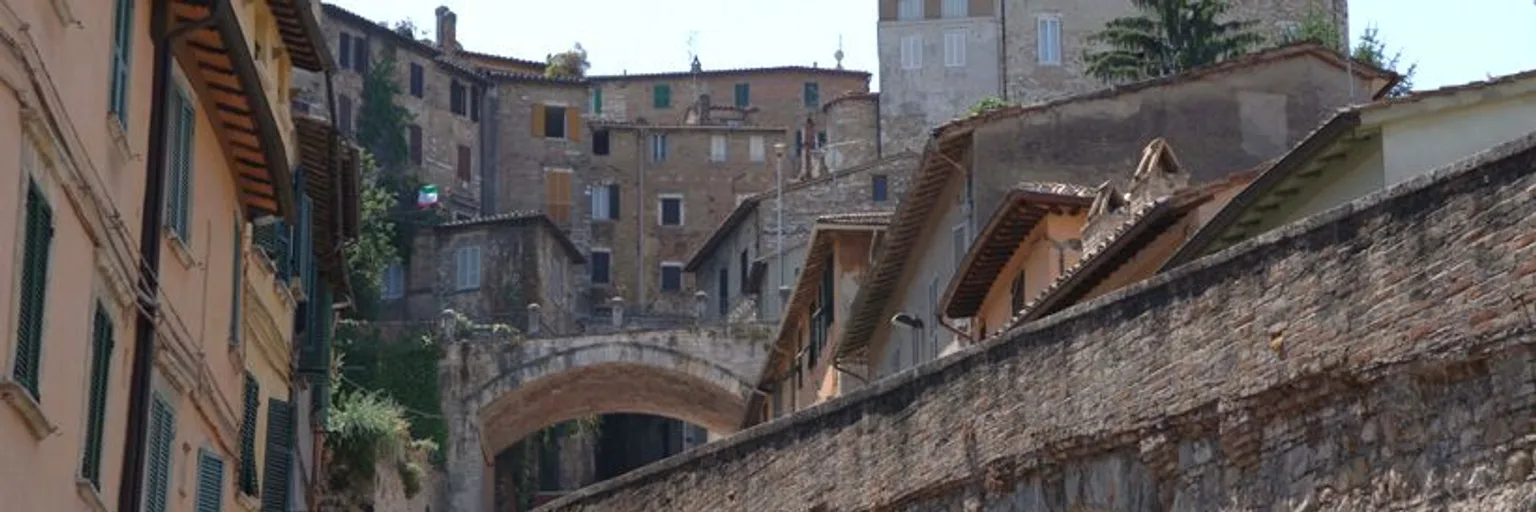
Expedia can put Perugia on more travel wish lists, but Umbria’s real opportunity is turning algorithmic curiosity into longer, more local and more balanced trips.
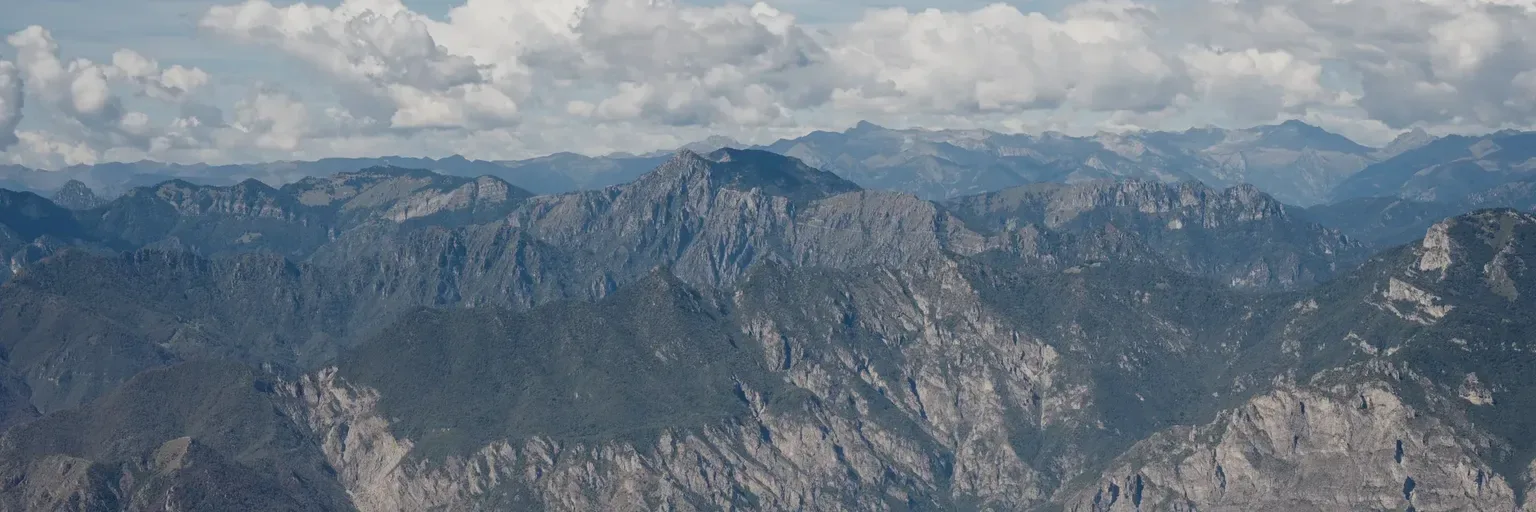
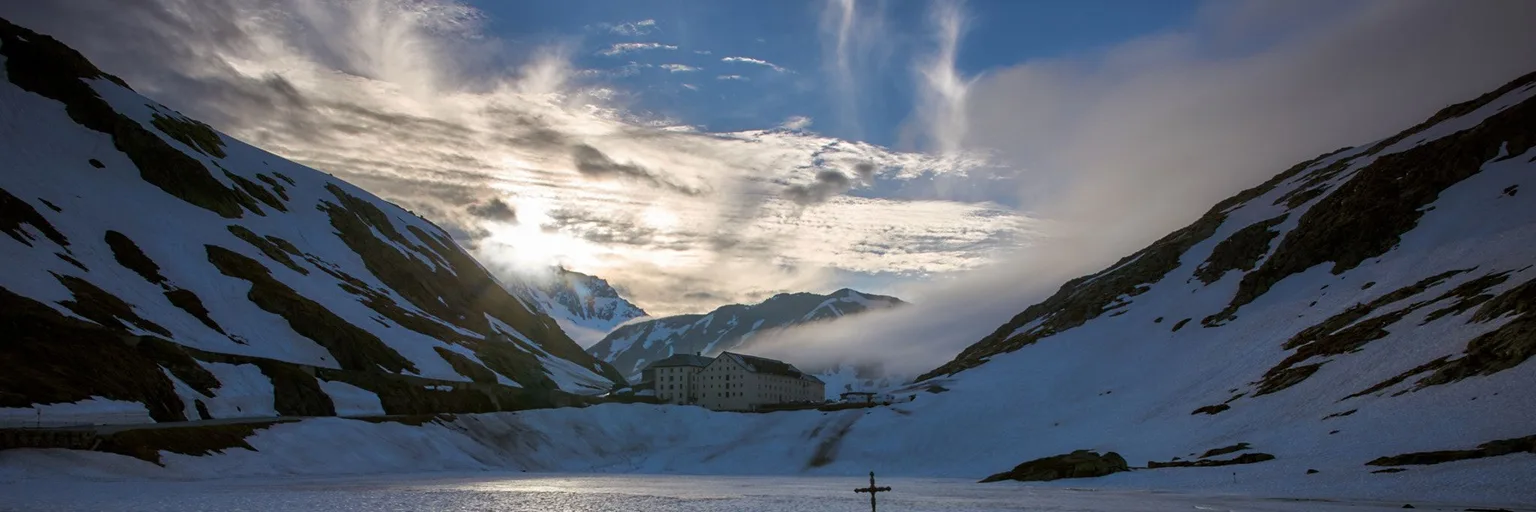
The pass is not a permanent shortcut but a summer window: plan mountain crossings around snow, opening dates and the tunnel’s year-round role.
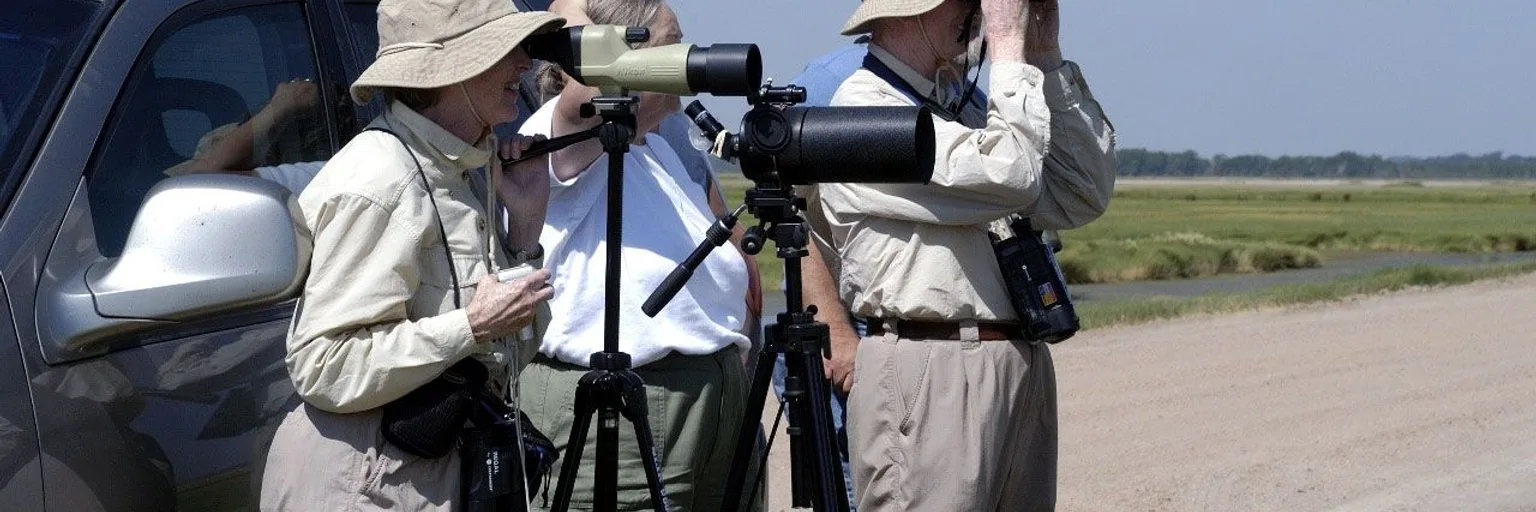
Bird-focused trips turn a fleeting natural moment into a reason to explore rural destinations—provided tourism protects the habitats that make the journey worthwhile.
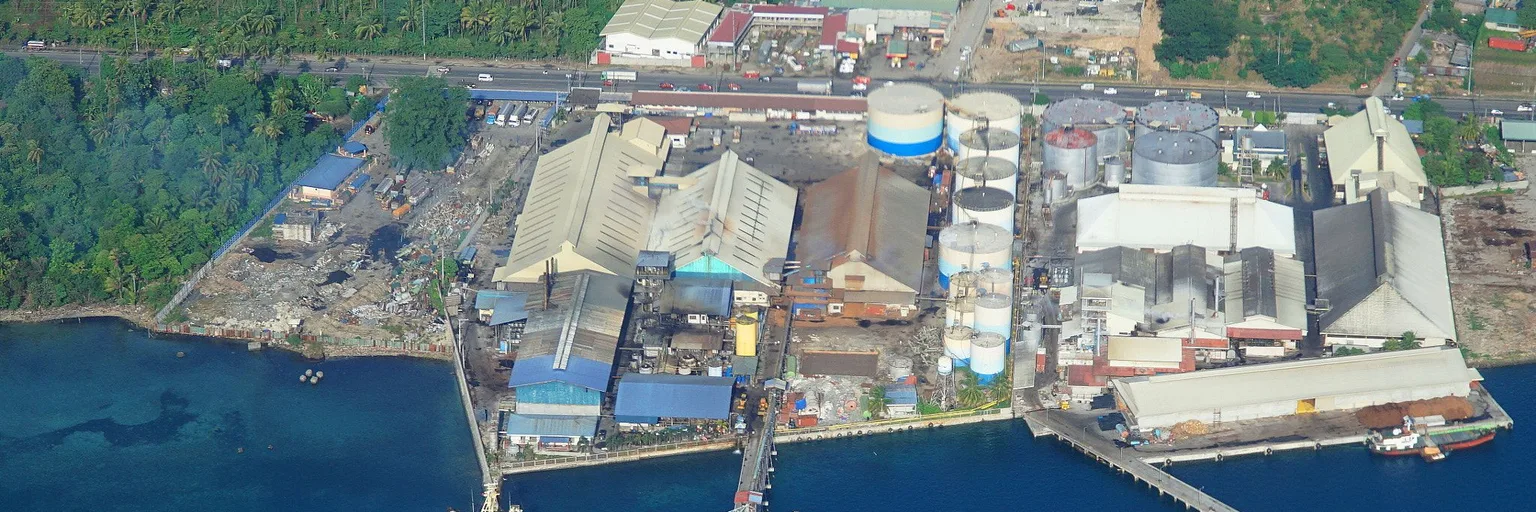
Once a romantic ideal for adventurers, the unique niche of cargo ship travel is slowly disappearing, transformed by global events and the relentless demands of modern logistics.
High-end tourism is moving beyond ostentatious displays, with discerning travelers for 2027 prioritizing intentional, private, and slow-paced experiences that foster deeper connection.
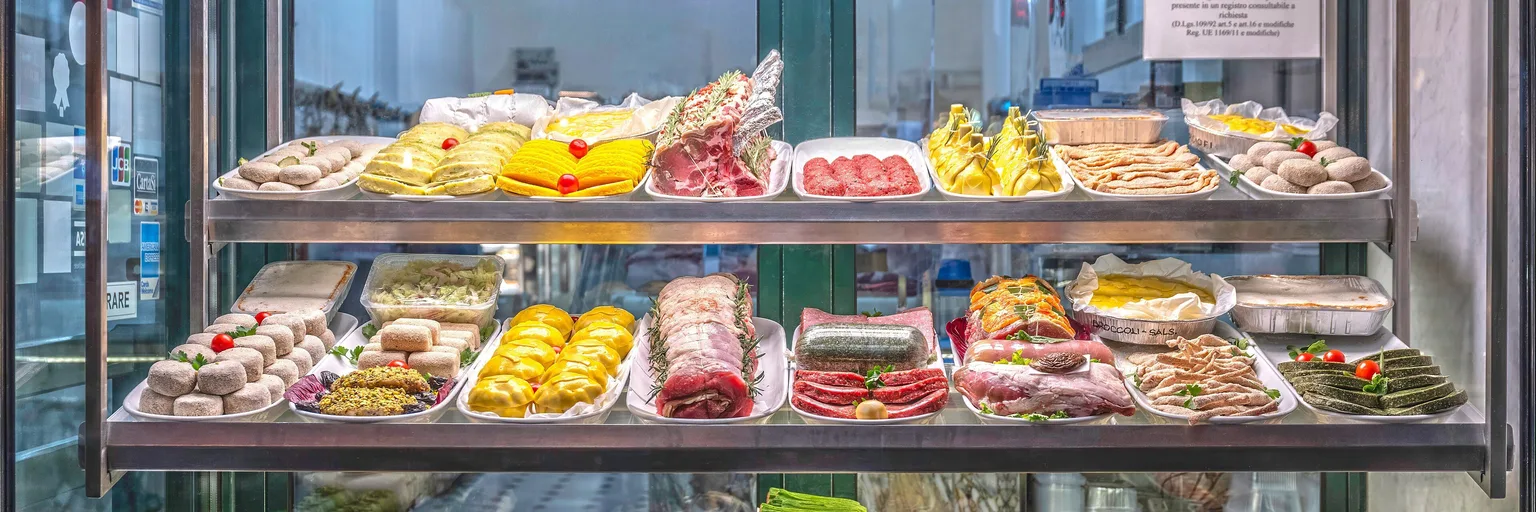
Forgoing traditional sightseeing for a plate of local delicacies reveals a profound understanding of Italy's diverse regions, offering an unparalleled, authentic cultural immersion.
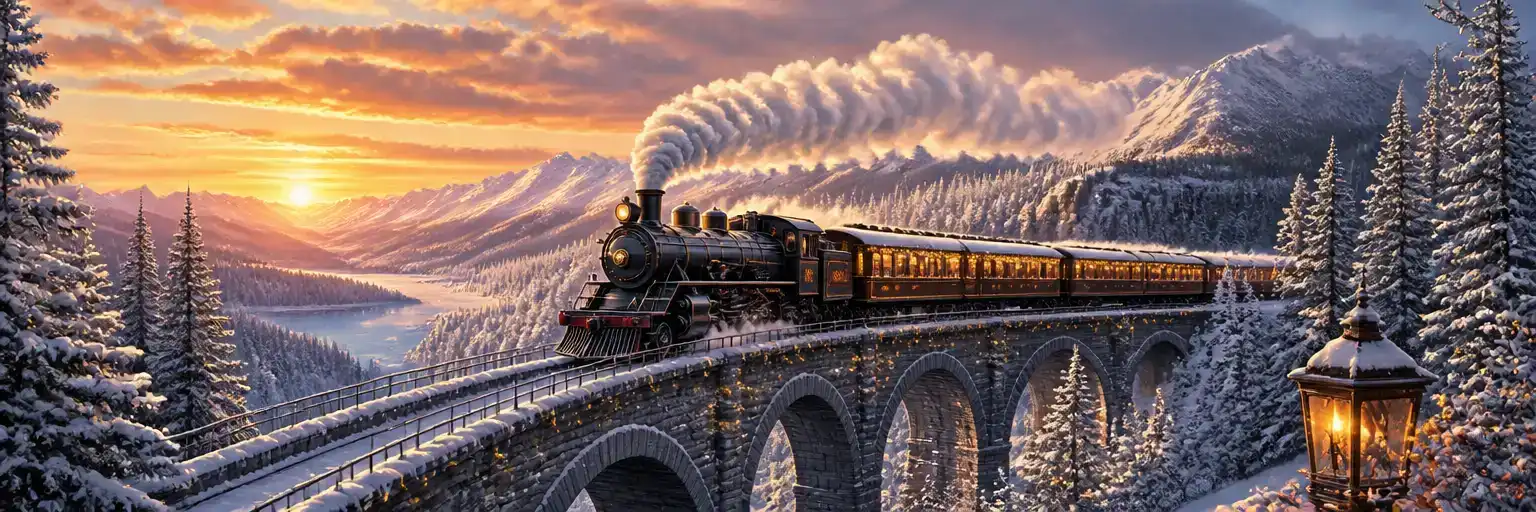
Europe's dazzling Christmas markets are made truly unforgettable by the nostalgic, immersive train journeys that lead to them, proving the route itself can be the ultimate holiday destination.
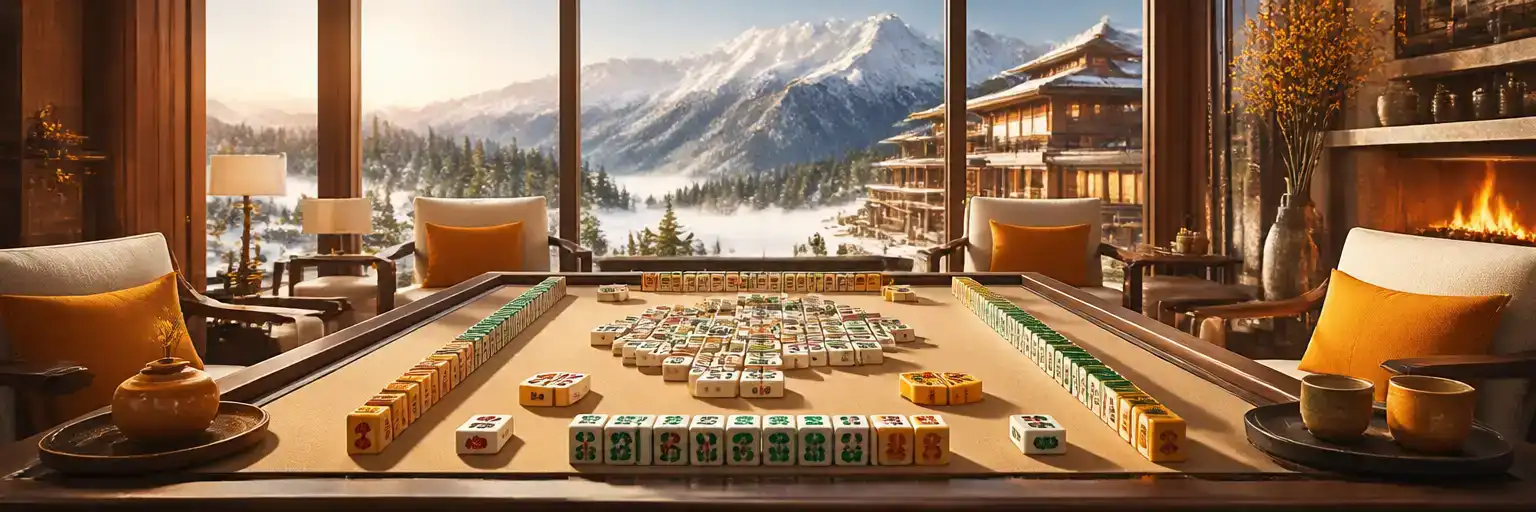
Travelers are increasingly seeking authentic experiences and deeper connections, shifting away from generic set-jetting towards purpose-driven journeys like lore-tripping and Mahjong retreats, proving that the motivation behind our trips is fundamentally changing.
Travelers are increasingly rejecting rigid itineraries and constant digital demands, opting for 'Stillcations' that prioritize slower, more mindful, and deeply connected experiences.