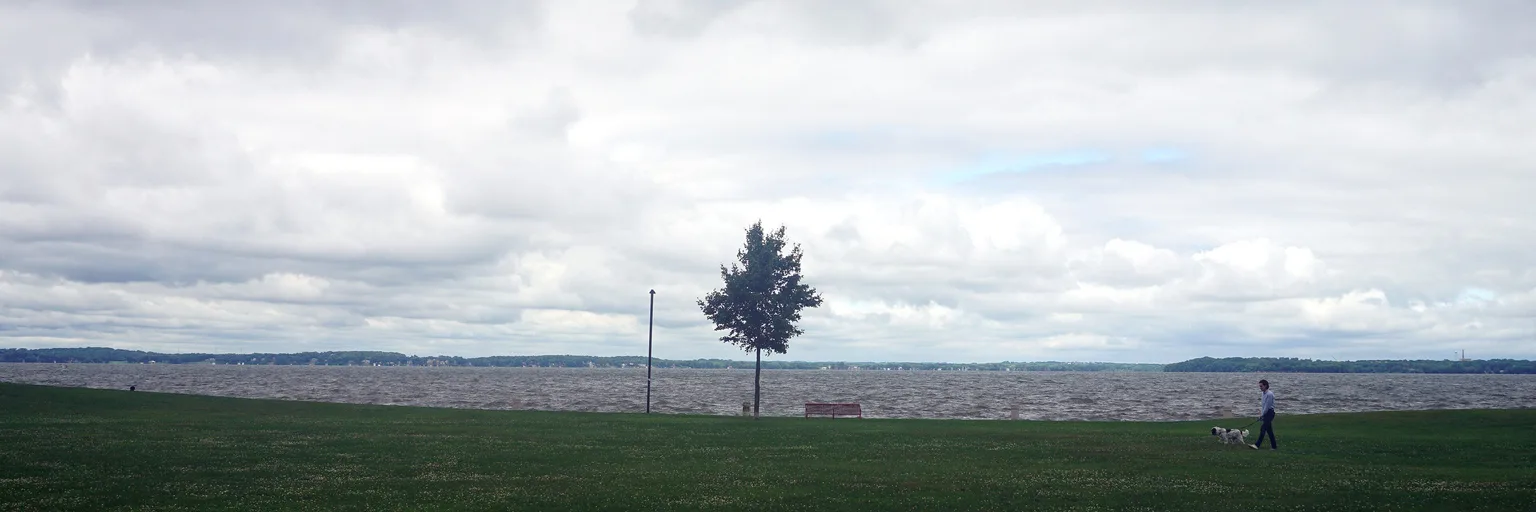
Hydra beat Mykonos by banning the car, and that's the point
Hydra topping Europe's island ranking isn't a fluke: readers are rewarding silence, walkability and identity over fame. Other islands should copy the model, not the hype.
Photo: Francisco Anzola / Wikimedia Commons (CC BY 2.0)
What if the most desirable island in Europe is the one that says no to the one thing every other island sells you: easy access by car, scooter and taxi? That is, in effect, what just happened. The best-known beach clubs lost, and a harbor town where parcels travel by donkey won.
Here are the facts. According to Idealista, Hydra, the car-free Greek island close to Athens, came first in Condé Nast Traveller's latest Readers' Choice Awards. Sardinia took second, Naxos (last year's winner) fell to third, and Sicily placed fifth. Sifnos, Paros, Santorini, Mykonos and Crete also appear in the ranking.
Fame stopped being a selling point
Notice who is in that list, and where. Santorini and Mykonos are still there, but they no longer lead. Idealista's reading is that fame alone isn't enough anymore, and we agree. Readers appear to be rewarding environmental quality, a strong identity and a pace of travel that stands out. We would add something less polite: a certain kind of famous island has become exhausting, and the vote reflects it. This is our interpretation, not something the ranking states.
Hydra's pitch is almost aggressively simple. As Aegean Blueprint puts it, the island bans all motor vehicles, so the only ways to move are on foot, by donkey or by water taxi. Grecia Mia describes a horseshoe-shaped waterfront, bougainvillea-filled lanes and roosters as the only nighttime noise. None of that is a feature you can retrofit with a marketing budget. It is a decision.
Car-free is the new luxury, and it's cheaper than it looks
For years, luxury meant more: more pools, more staff, more music. Hydra suggests it now means less: less engine noise, less traffic, fewer decisions about parking. A town you can only cross on foot makes you slow down by default, and we think that is exactly what travelers are paying for.
It is also less elitist than its reputation. The Grecia Mia guide says accommodation is generally pricier than on other Greek islands, but that Mykonos and, in many ways, Santorini are decidedly more expensive. It also notes that you save on car and scooter rentals, and that two to four nights is usually enough. That last point matters: Hydra works as a short, intense stay, not a two-week resort commitment.
Access helps too. There is no airport, but Filovent notes that hydrofoil rides from Piraeus take about 1 hour 30 minutes. Remote in feel, close in practice: a rare combination.
Copy the model, not the hype
Here is where we take sides. The wrong lesson is "build the next Hydra", with a themed boutique strip and a ban announced for the press. The right lesson is that the islands in the top five can protect what they already have. Sardinia, praised for crystal-clear water, distinctive cuisine and scattered archaeological sites, is a good example of an island that is more than yachts and dinners. And, as Fanpage reported in July, the government withdrew approval for a mega-resort at Cala Finanza on Tavolara after public protest. Whatever you think of the politics, that is the same instinct: keep the thing people came for.
Our prediction, clearly only that: the next competitive edge for islands won't be another opening, but a restriction, whether on vehicles, building or beach access. Smaller islands with fragile centers have the most to gain.
A caveat is fair. Readers' awards are popularity contests, and different ones crown different winners. Travel+Leisure's readers named Sardinia Europe's best island this year, according to Fanpage. A single vote isn't a law of nature. But two major rankings placing a quiet, car-free island and a nature-and-heritage island at the top tells a story.
Our verdict
If you want an island weekend this autumn or next spring, skip the one with the loudest name and look for the one with the clearest rules. Go to Hydra for two to four nights, walk to the beaches along the coast, and pair it with a nearby Saronic island if you want more. And if you run an island, take the hint: silence isn't an absence of amenities. It is the amenity.
No topics yet: start the first one.
More stories
Oxford Street finally goes car-free, and the hard part starts now
Pedestrianizing London's busiest shopping street is overdue and good for visitors, but it only works if buses, accessibility and the street's tired retail mix get fixed too.

Niagara Falls doesn't need Pandora, and that's the point
A franchise show beside the Horseshoe Falls is not a scandal by itself. The real test is whether it sends you back to the water or keeps you indoors.
Via Francigena's UNESCO nod only matters if Italy builds for walkers
ICOMOS's favorable preliminary review could make the Via Francigena Italy's flagship slow-travel route, but only if the status brings real walker infrastructure, not a souvenir label.
NatGeo's 2027 list is a compass, not a checklist, and Madison proves it
National Geographic's Best of the World 2027 works best when you read the story behind each pick. Madison, Wisconsin, shows the list now rewards human-scale places.