Orkney's Lonely Planet crown is a gift, if we visit it slowly
Lonely Planet's pick of Orkney for 2027 could reward slow, off-season travel, but the real test is how the islands handle the attention it brings.
Photo: Ymblanter / Wikimedia Commons (CC BY-SA 4.0)
Is there any way to be named a must-see destination without being loved to death? Orkney is about to find out. The Scottish archipelago has made Lonely Planet's list of 10 stunning European trips for 2027, and we think the way it handles the moment matters more than the award.
What Lonely Planet actually said
As the Daily Record reports, the pick comes from Lonely Planet's new guide Dream Trips of Europe, which has 100 recommendations. Orkney is a group of roughly 70 islands off Scotland's northern coast. About 20 are inhabited, and the whole archipelago has around 20,000 residents.
The praise centers on prehistory. Lonely Planet pointed to the UNESCO-listed Heart of Neolithic Orkney, including Skara Brae, the Ring of Brodgar and the Standing Stones of Stenness. It also mentioned Maeshowe, where Viking visitors left runic graffiti, and invited readers to discover an archipelago "rich in history, mystery and dramatic coastal beauty".
Orkney's best card is that it doesn't need a summer rush
We think this is the strongest argument for the islands. Orkney's pull is a 5,000-year-old landscape of stones, tombs and sea cliffs, not a seasonal spectacle with a fixed date. That kind of heritage rewards unhurried visitors. It suits the traveler who wants to linger inside a stone chamber, not tick it off between ferry sailings.
So the opportunity is obvious. If travel writers, tour operators and the islands themselves present Orkney as a place for slow, shoulder-season trips, the 2027 attention could spread out over the year. In our view, a list like this tends to pull everyone toward the same few photogenic spots in the same few weeks. Orkney can push back by selling the months and the pace, not just the monuments.
There is also a quieter argument for going slowly. Places like Skara Brae or the Ring of Brodgar are not the kind of sights you absorb in a rushed half hour. They make more sense with time, a good guide and a bit of weather, and a trip built around a few days on the islands will always say more about them than a checklist of famous names.
The risk is not the stones. It's the plumbing
Here we should be honest about what the report doesn't tell us. It says nothing about ferry capacity, accommodation or visitor numbers in Orkney. So we can't say whether the islands are ready. What we can say is that an archipelago of 20,000 people has the limits any island has. Boats, beds and staff are finite. Extra visitors can push up prices for locals if housing gets turned into short-term lets. That is a general risk of islands, not a documented fact about Orkney.
The fragile places matter too. Skara Brae and Maeshowe are old, and the Heart of Neolithic Orkney is described as remarkably well preserved. That condition doesn't maintain itself. If the 2027 buzz sends more people to the same sites, we think the sensible answer is timed entry, good interpretation and a nudge toward lesser-known corners. Such measures would be a smart investment, not a punishment for success.
What we'd tell you to do
Go, but go with care. Book transport and lodging early, and consider a trip outside high summer. Stay several nights, not one, and spend money in Kirkwall's independent cafés and restaurants. Visit Lamb Holm's Italian Chapel and the quieter beaches as well as the headline monuments, and give St Magnus Cathedral and the Orkney Museum in Kirkwall some of your time too.
Lonely Planet's crown is flattering, but it's only a good deal for Orkney if visitors arrive in ways the islands can absorb. Our verdict: a great pick, and a test of whether slow travel can be more than a slogan.
No topics yet: start the first one.
More stories
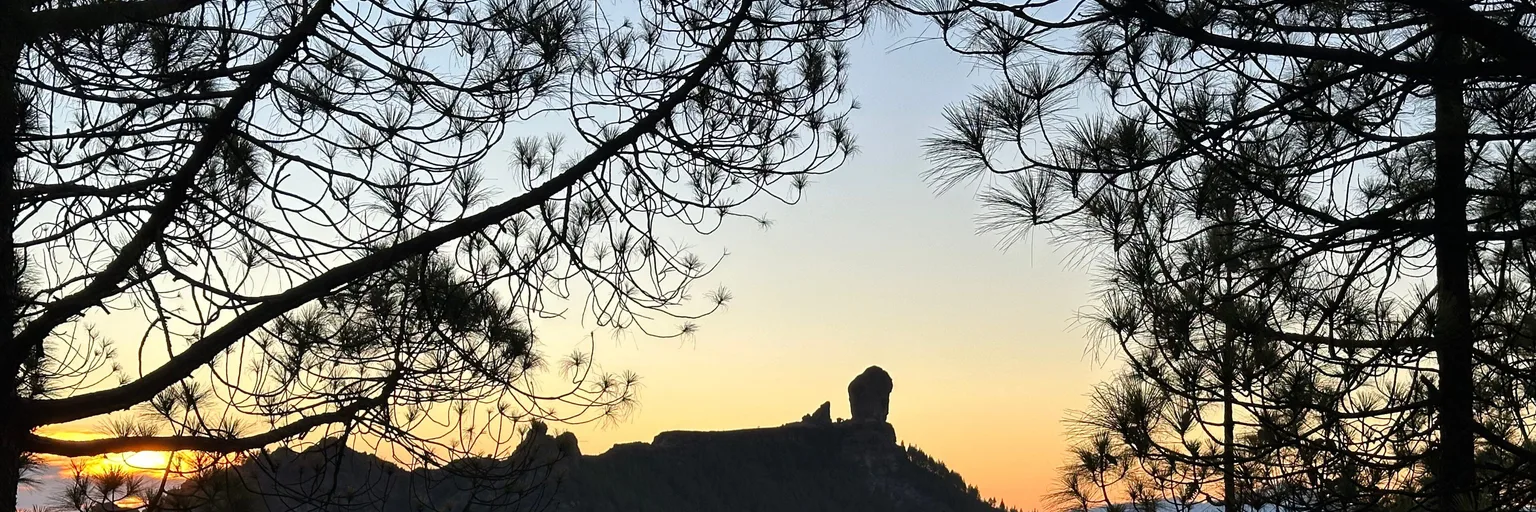
Roque Nublo at night: protecting an icon takes more than outrage
Two tourists climbed Gran Canaria's most famous rock in the dark. The lesson isn't to shame them online, but to enforce clear rules before an accident does it for us.
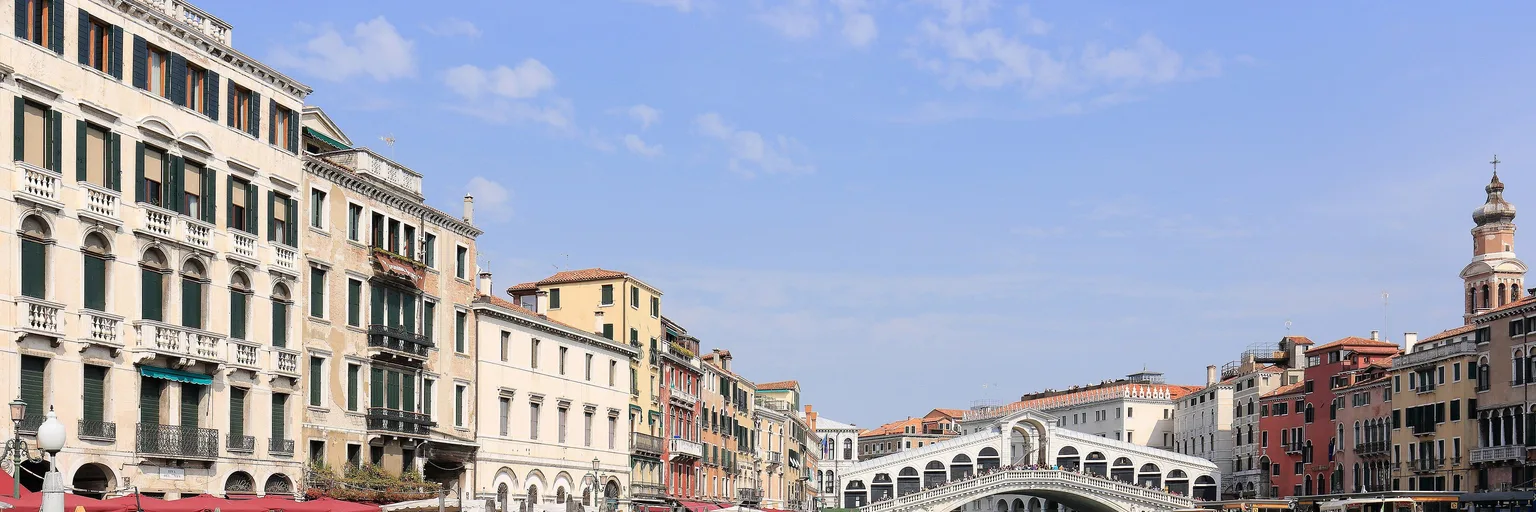
Venice's day-trip fee could double, and that's fine if it's honest
A possible €20 cap for Venice's 2027 access fee isn't the scandal it sounds like. It works only if it is predictable, aimed at peak days and visibly spent on the city.
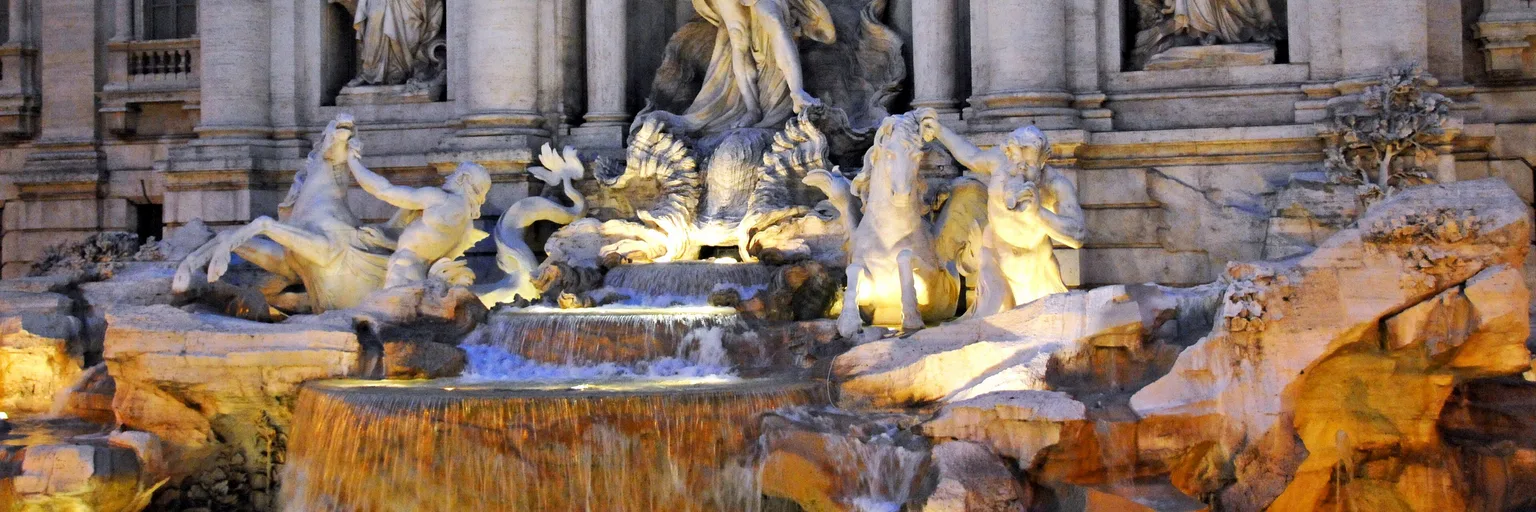
Trevi's ticket may tame the crowd, but it has to earn the coin toss
Rome's new fee for Trevi's inner basin looks like a smart crowd tool. Fewer coins for charity suggest it can also cost the ritual itself, so the city owes visitors proof.
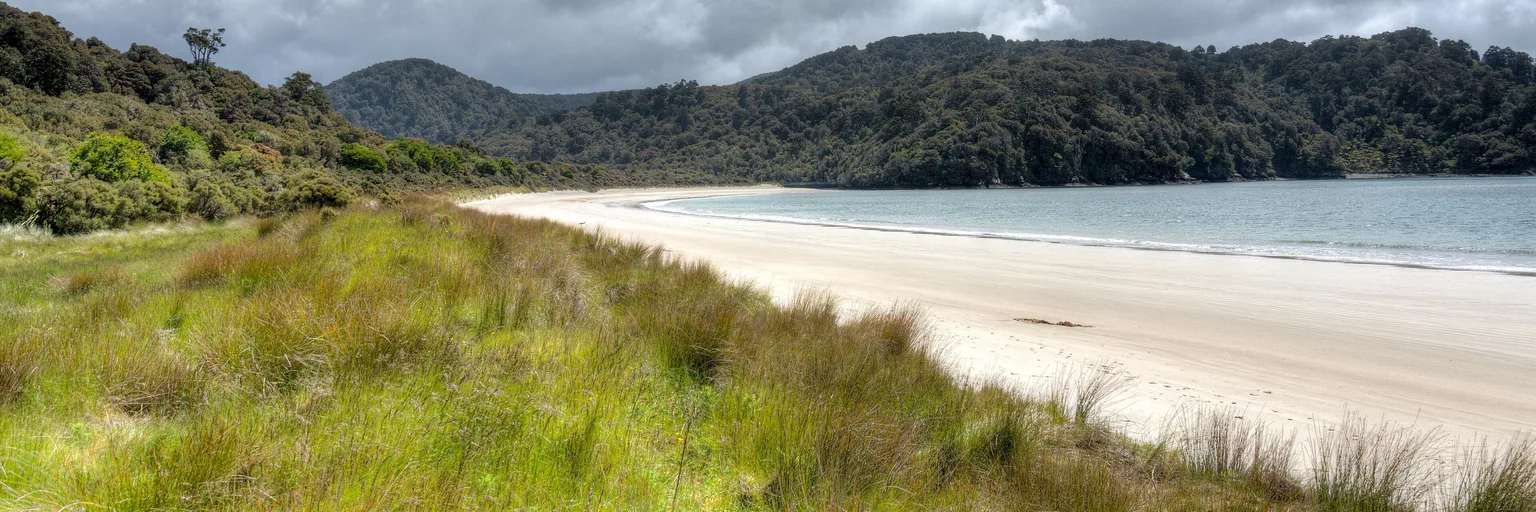
Stewart Island's 2027 badge is nice. Go for the quiet instead
Condé Nast Traveller's 2027 nod could reward slow, small-scale travel in southern New Zealand, but only if the island stays small and the crowds don't arrive.