Trevi's ticket may tame the crowd, but it has to earn the coin toss
Rome's new fee for Trevi's inner basin looks like a smart crowd tool. Fewer coins for charity suggest it can also cost the ritual itself, so the city owes visitors proof.
Photo: Dennis G. Jarvis / Wikimedia Commons (CC BY-SA 2.0)
Can you charge for a wish and still call it a wish? Rome is now running that experiment at the Trevi Fountain, and the first results are more interesting than any crowd-control press release.
Here is what the Italian reports tell us. Since February 2, access to the fountain's inner perimeter, the area closest to the water, has required a ticket, which one outlet puts at 2 euros. The fountain itself is still free to see from a distance, and so, that same outlet notes, is the nighttime access.
Nine months on, a side effect is surfacing. Quotidiano.net reports that fewer people are performing the classic coin toss since the fee began, and its headline says Caritas loses 200,000 euros. Before the ticket, an earlier report said the coins brought in an average of roughly 8,000 euros a day for the charity.
The fee isn't the villain, but the cost is real
We're not against the ticket. A baroque fountain wedged into a small piazza can't absorb unlimited selfie traffic, and regulating the basin edge rather than the whole square is, in our view, the least bad version of the idea. One of the reports calls it an attempt to manage flows without wholly stripping the square of its public character. We think that's a fair description.
But the coin toss is not a photo op. It is the reason many people come. Putting a price on the spot where the gesture happens changes what the gesture means. The wish becomes a line item, and a good share of visitors, it seems, skip it.
Part of the drop isn't Rome's fault, and that muddies the verdict
Be careful with the causality. One Italian piece, from November 16, points out that paying for small amounts electronically is now much easier, so many tourists, families especially, simply arrive without coins in their pockets. That, it says, contributes to the decline in coins in the basin alongside the ticket. Reasonable. It also means nobody should claim the fee alone drained the fountain.
That ambiguity cuts both ways. Critics can't blame the ticket for everything. Defenders can't shrug off a possible 200,000 euro hole in a charity budget as a cashless-society quirk. If the city is serious, it should publish what the fee has raised, what it has done to visitor numbers, and how the Caritas shortfall will be covered. The reports we have don't give us those figures, so we won't guess.
What Rome owes visitors in return
Our view: a fee at a world-famous monument is defensible only if visitors can feel the difference. Thinner crowds at the rim, a calmer moment with the water, and better upkeep are all things a traveler can judge. A ticket that merely adds a toll between you and your wish is a tax on romance.
There is also a small, cheap fix. If coins are the casualty, make tossing one easy: a visible way to donate for the charity, or a coin offered at the gate. We're speculating, and Rome may have better ideas. But a city that regulates a ritual should look after it.
Verdict
If you're going, don't panic about the ticket. You can still see Trevi for free from a distance, and the night visit is free too. Check the official rules before paying, since one report warns of people paying without needing to out of haste or misinformation. Bring a real coin. Then judge for yourself whether the inner basin is worth the price.
Rome has earned the right to manage Trevi. It hasn't yet earned the right to call the experiment a success.
No topics yet: start the first one.
More stories
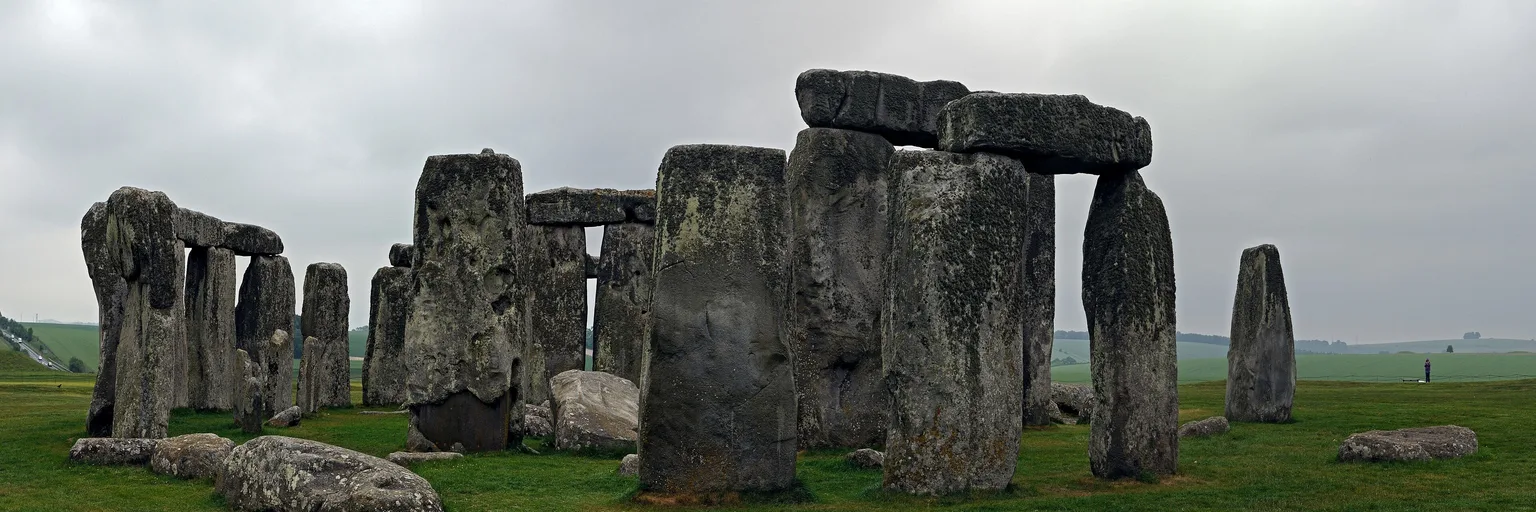
Winter solstice trips: go for the ritual at Stonehenge, not the crowd
Stonehenge opens free on solstice morning, but parking is sold out and thousands are expected. Treat it as a ritual with rules, not a photo op, and you'll enjoy it more.
Roque Nublo at night: protecting an icon takes more than outrage
Two tourists climbed Gran Canaria's most famous rock in the dark. The lesson isn't to shame them online, but to enforce clear rules before an accident does it for us.

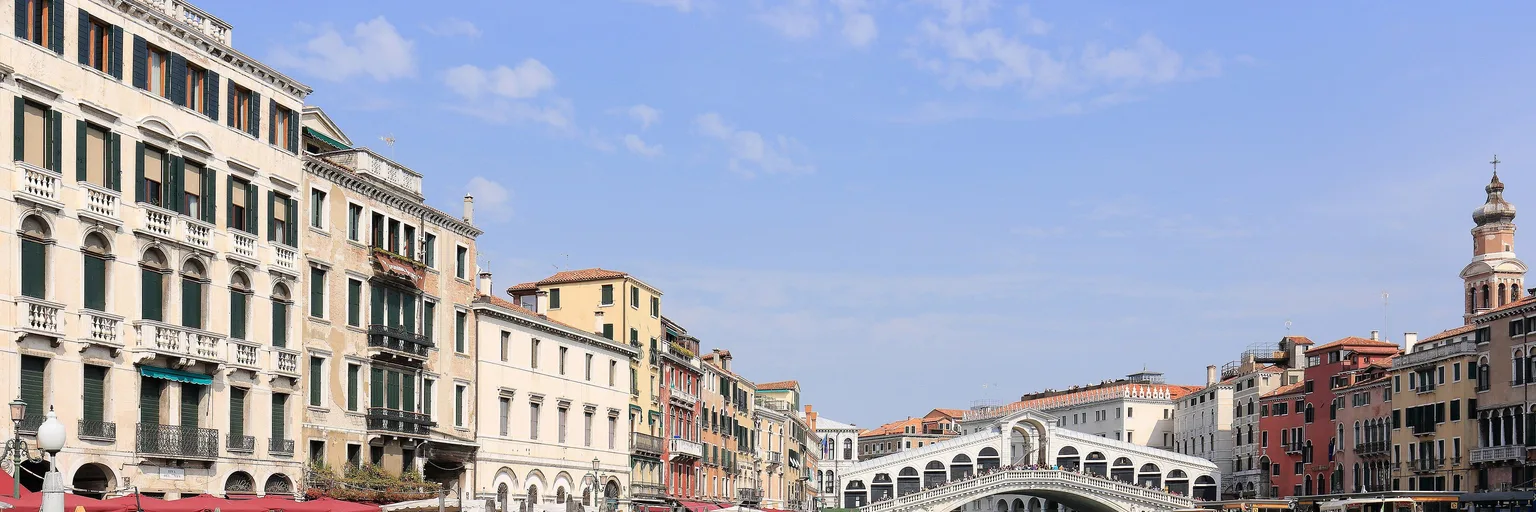
Venice's day-trip fee could double, and that's fine if it's honest
A possible €20 cap for Venice's 2027 access fee isn't the scandal it sounds like. It works only if it is predictable, aimed at peak days and visibly spent on the city.
Stewart Island's 2027 badge is nice. Go for the quiet instead
Condé Nast Traveller's 2027 nod could reward slow, small-scale travel in southern New Zealand, but only if the island stays small and the crowds don't arrive.