Venice's day-trip fee could double, and that's fine if it's honest
A possible €20 cap for Venice's 2027 access fee isn't the scandal it sounds like. It works only if it is predictable, aimed at peak days and visibly spent on the city.
Photo: Martin Falbisoner / Wikimedia Commons (CC BY-SA 4.0)
Is it outrageous to pay for a few hours in one of the most photographed cities on Earth? Or is it outrageous that day-trippers pay so little while the city absorbs the consequences? Venice's access fee is back in the headlines, and the idea of doubling it makes it sound like a toll booth on a dream. The reality is more modest, and more interesting.
What is actually on the table
Here is what the documentation says. As ANSA reports, a Fratelli d'Italia amendment to the budget law would raise the legal maximum of the fee from €10 to €20. Today it is €5 or €10, depending on how far ahead you book. The fee is paid by day visitors, not by people sleeping in the city, and it is still officially an experiment.
Nothing is final. Even if parliament approves it, VeneziaToday notes that the city would not have to charge €20 in 2027. It would only have the option. The 2027 calendar already lists 72 days, from March 26 to August 15, 8:30 a.m. to 4:30 p.m. The 2027 rates are less clear. VeneziaToday says the city hasn't set them yet, while earlier coverage spoke of unchanged tariffs. We wouldn't bet on a precise figure until the parliamentary process ends.
A higher fee is defensible only on the busiest days
The mayor, Simone Venturini, says the fee is "not for making money, but for governing flows," and that a wider margin would help "above all on days of greatest pressure." That is the right argument, and we think it is the only one that holds up. A flat, higher charge on a quiet Tuesday punishes the wrong people. A steeper charge on a crowded weekend nudges behavior.
Pricing that moves with demand is what travelers already accept for flights and hotels. Nobody calls a pricier August room a scandal. A day-trip fee that rises on peak days and stays low for early planners (today's lower tier for booking ahead) is the same logic, applied to the street instead of the bed. It's arguably more honest than a hidden cost buried in a ticket.
There is a catch. The campaign talk of €50, later softened to €30, as ANSA recounts, shows how quickly a tool can become a political slogan. If the number swings with every election, it stops being a tool and becomes a surprise. Predictability matters as much as the amount: published dates, published rates, and a clear rule about when each tier applies.
The real test is whether residents can see the money
The opposition's objection deserves attention. Councillor Nicola Pellicani argues the fee hasn't solved crowding or improved residents' lives, and wants the revenue tied to housing, mobility and local services. His line, "Venice is not Disneyland," is a fair warning, though it is his view, not a settled fact.
The numbers give both sides something. The fee raised more than €5 million over 60 days this year, according to ANSA. That's real money. It's also modest next to the pressures of a city that lives on a lagoon. Whether it changes behavior is harder to show from what we have, and nothing in the documentation proves it does. If the city wants public patience for a higher fee, it should say, in plain terms, what the revenue pays for.
What travelers should do
Don't resent it, plan around it. If you can, book early to get the lower tier. Pick days outside the 72 charged days: the 2027 calendar runs only until mid-August, so autumn and winter visits fall outside it. Better still, stay a night. Overnight guests pay the tourist tax instead, and Venice after the day-trippers leave is, in our view, a different, quieter city. Check the official city site once rates are published, since details may change.
Our verdict: a higher cap is a reasonable tool, not a reason to skip Venice. Judge it by three things, whether it is predictable, whether it targets the worst days, and whether Venetians can see where the money goes. If it fails those, the criticism will be earned. If it passes, €20 on a crowded summer Saturday is a small price for a city that can't take many more people.
No topics yet: start the first one.
More stories
Roque Nublo at night: protecting an icon takes more than outrage
Two tourists climbed Gran Canaria's most famous rock in the dark. The lesson isn't to shame them online, but to enforce clear rules before an accident does it for us.

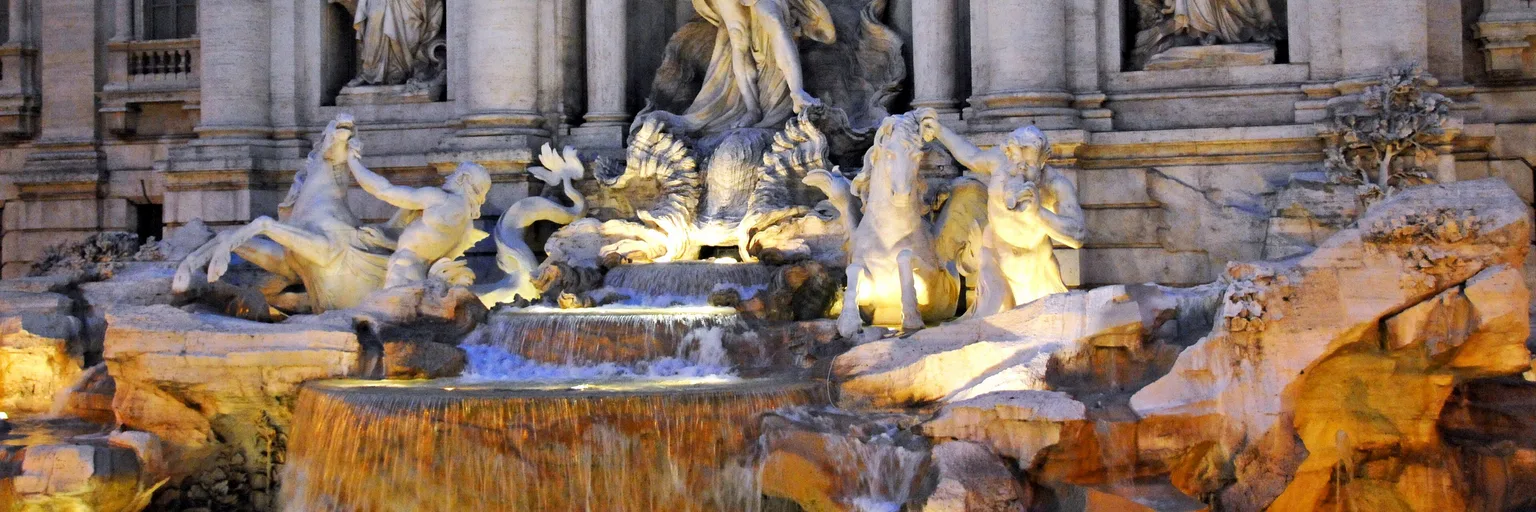
Trevi's ticket may tame the crowd, but it has to earn the coin toss
Rome's new fee for Trevi's inner basin looks like a smart crowd tool. Fewer coins for charity suggest it can also cost the ritual itself, so the city owes visitors proof.
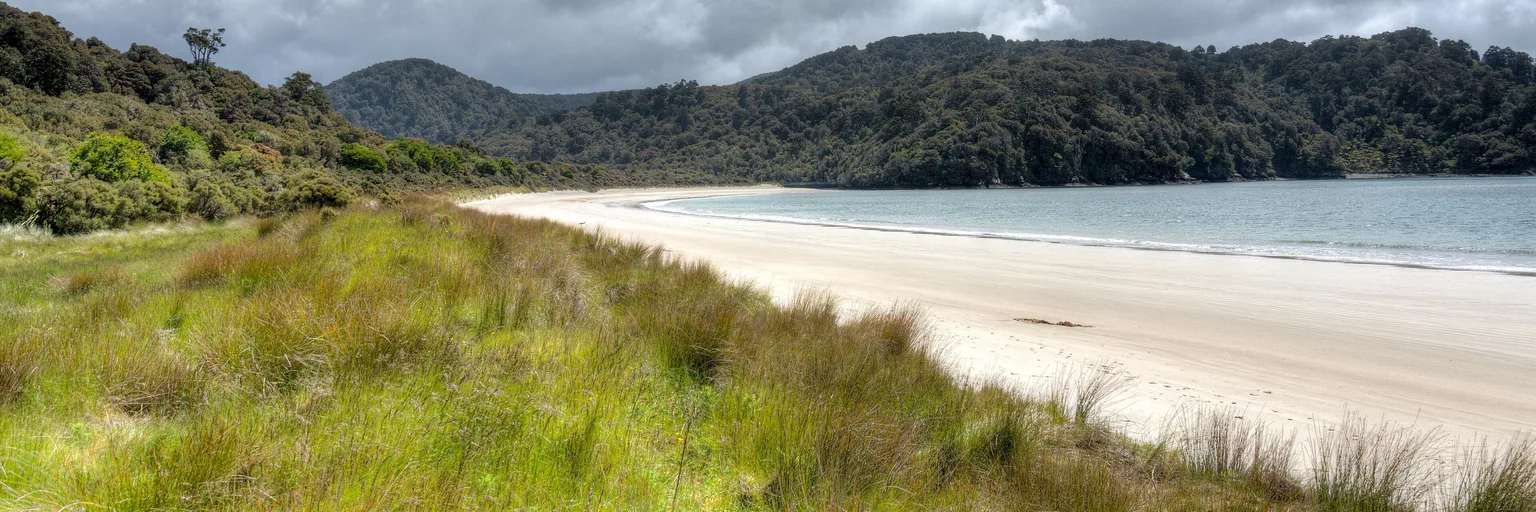
Stewart Island's 2027 badge is nice. Go for the quiet instead
Condé Nast Traveller's 2027 nod could reward slow, small-scale travel in southern New Zealand, but only if the island stays small and the crowds don't arrive.
Franz Josef needs honest risk management, not just more visitors
A glacier village that more than a million visitors a year pass through sits beside a rising, gravel-choked river. The kind thing to do for the town, and for travelers, is to talk about retreat.