Franz Josef needs honest risk management, not just more visitors
A glacier village that more than a million visitors a year pass through sits beside a rising, gravel-choked river. The kind thing to do for the town, and for travelers, is to talk about retreat.
Photo: I Kd / Wikimedia Commons (CC BY-SA 3.0)
What do you do when the thing visitors come to see is the same thing that could wash the town away? Franz Josef is about to make that question uncomfortable, and we think the answer is not "more of the same."
Here is the situation. The village sits on the West Coast of New Zealand's South Island, and more than a million visitors a year pass through on their way to the region's glaciers and world heritage sites, according to a News Minimalist analysis. The Guardian's headline sums up the tension: "Natural beauty made this New Zealand tourist village. Now it threatens its existence."
The science behind that warning has been building. Ian Fuller, a hydrologist on the Waiho Technical Advisory Group, says the riverbed has been rising by 20cm a year because of gravel buildup from the retreating Franz glacier, and that the town is only one flood away from disaster, as RNZ reports. Other reporting says the river is changing course three or four years earlier than forecast.
The glacier that sells the postcard is also the hazard
It's an irony, but not a coincidence. As the ice retreats, it leaves crumbling valley walls exposed. The gravel that comes off them piles up in the riverbed and lifts the water closer to the town. The glacier that made Franz Josef famous is the engine of its danger.
That matters for how we talk about the place. Travel writing loves to treat a landscape as a backdrop: fixed, eternal, there for us. Franz Josef is a reminder that dramatic scenery is dramatic because it is moving. A glacial valley is a working machine, and a village built at its mouth is living inside it.
Stopbanks buy time, not safety
The obvious reflex is to build higher walls and keep the hotels full. We understand it. Jobs, businesses and families depend on the visitor trade. But the headline of a piece on The Conversation is blunt: stopbanks won't work forever. If the bed keeps rising at 20cm a year, every embankment looks to us like a temporary answer to a permanent trend.
Our view is that the honest conversation is about managed retreat: deciding, early and with the community, which buildings and uses stay, which move, and on what timeline. Doing it in a calm year is, we think, far cheaper and far kinder than doing it after a flood. The documentation we have doesn't lay out a specific plan or cost, so we won't pretend to know what the right map looks like. But the principle seems sound. Experts say there is still a chance to prevent disaster, which is exactly why this is the moment to decide.
There is also a wider warning. Researchers cited by 1News say the kind of sudden blockage-and-failure flood seen in a Nepal disaster is a modelled risk on the Callery River, which flows into the Waiho at Franz Josef. The hazards here are not only slow ones.
What visitors should do, and what they shouldn't
Should you skip Franz Josef? No. Nothing we've seen suggests travelers need to stay away, and the glacier country remains one of the great reasons to cross New Zealand. We'd just ask for a different kind of travel. Stay in the village, eat there, book local guides, and pay attention to local warnings and advice. Your money is part of what funds the town's ability to adapt.
What we would resist is the idea that the fix is simply to market harder. A destination that grows its beds and its crowds while the riverbed climbs is stacking up exposure. Tourism towns beside volatile landscapes, whether glacial rivers, coasts or hillsides, owe visitors and residents the same thing: candor about the risk, plans that outlast the next season, and the political courage to say that some places eventually need to step back.
Franz Josef can still be a village people love in fifty years. But probably not if it treats the river as someone else's problem. Our verdict: go, spend generously, and expect the town to be honest with you. If it is, that honesty is the best sign it plans to stay.
No topics yet: start the first one.
More stories
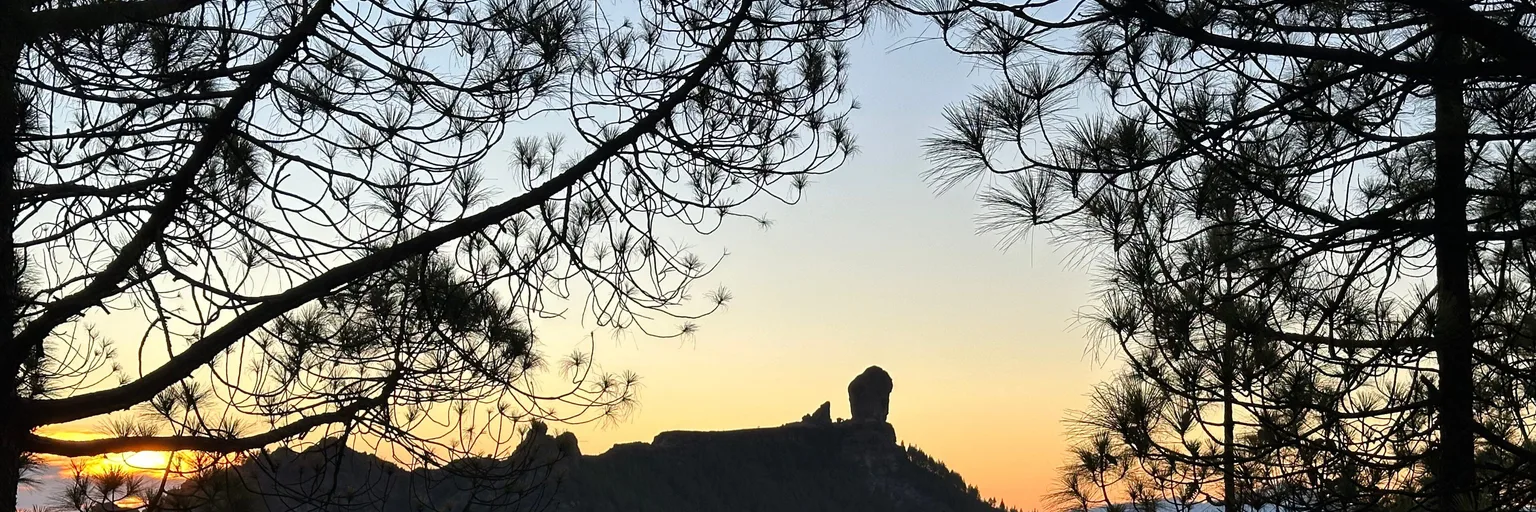
Roque Nublo at night: protecting an icon takes more than outrage
Two tourists climbed Gran Canaria's most famous rock in the dark. The lesson isn't to shame them online, but to enforce clear rules before an accident does it for us.
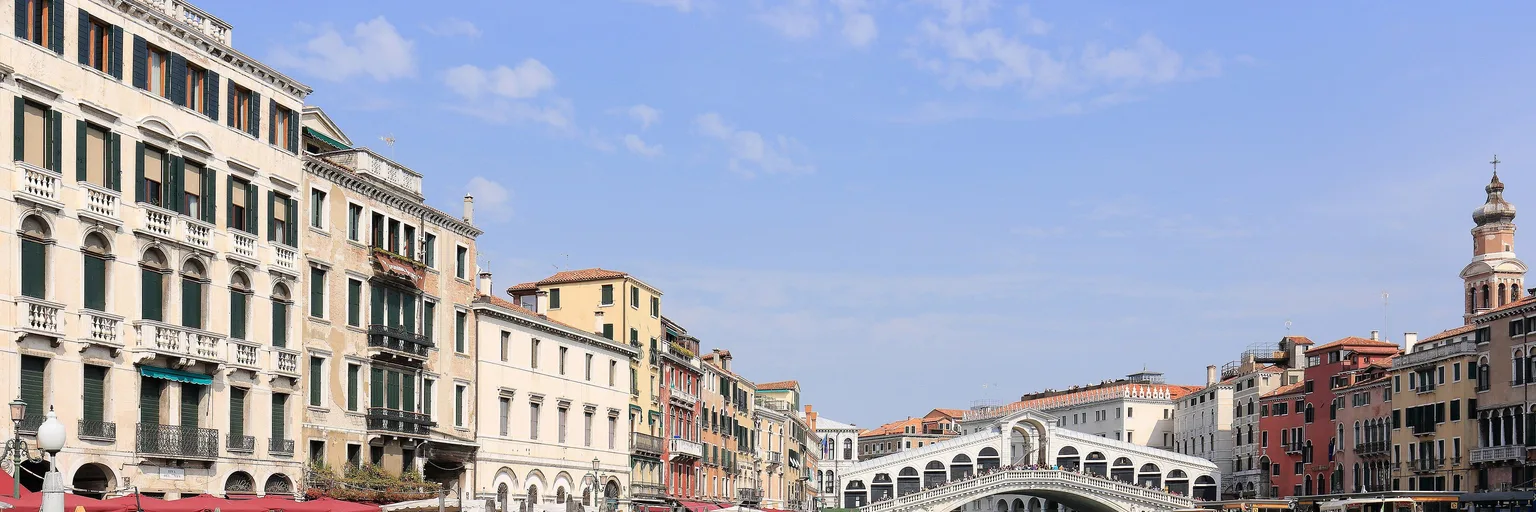
Venice's day-trip fee could double, and that's fine if it's honest
A possible €20 cap for Venice's 2027 access fee isn't the scandal it sounds like. It works only if it is predictable, aimed at peak days and visibly spent on the city.
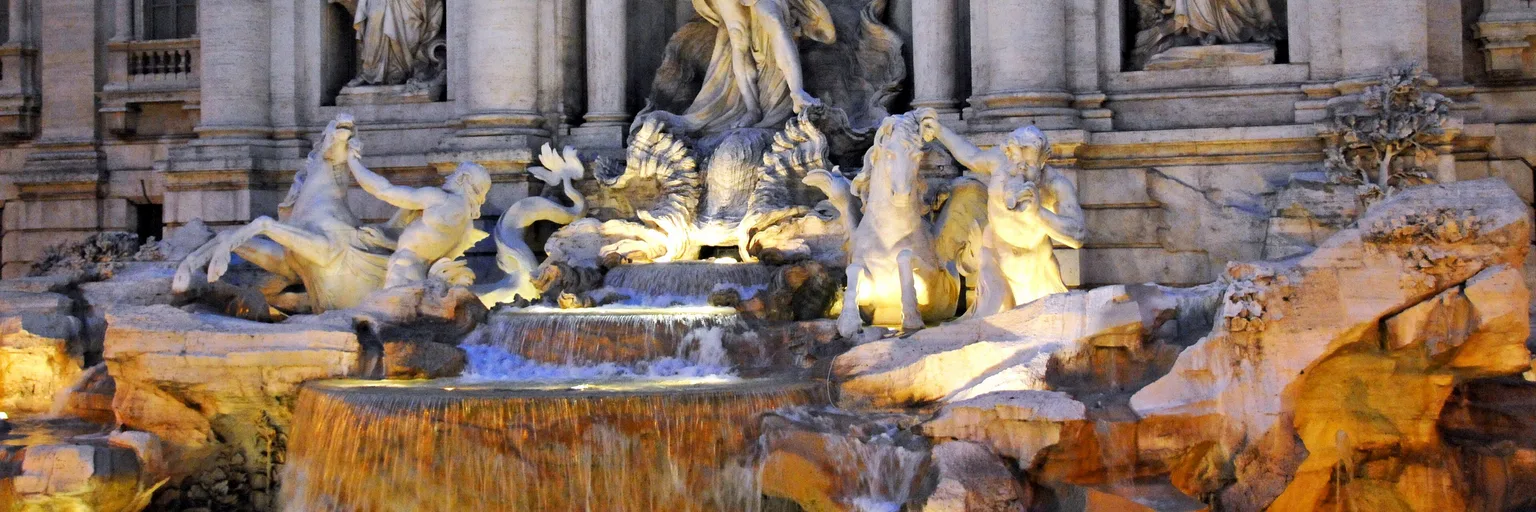
Trevi's ticket may tame the crowd, but it has to earn the coin toss
Rome's new fee for Trevi's inner basin looks like a smart crowd tool. Fewer coins for charity suggest it can also cost the ritual itself, so the city owes visitors proof.
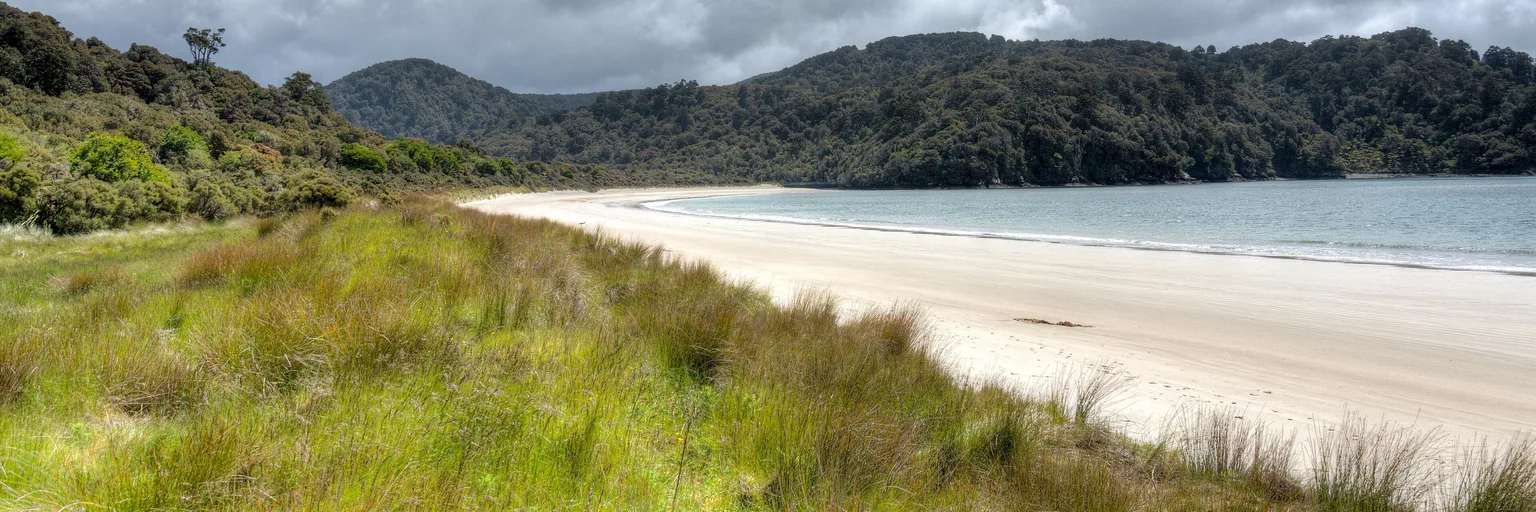
Stewart Island's 2027 badge is nice. Go for the quiet instead
Condé Nast Traveller's 2027 nod could reward slow, small-scale travel in southern New Zealand, but only if the island stays small and the crowds don't arrive.