Stewart Island's 2027 badge is nice. Go for the quiet instead
Condé Nast Traveller's 2027 nod could reward slow, small-scale travel in southern New Zealand, but only if the island stays small and the crowds don't arrive.
Photo: Christoph Strässler from Oberdorf BL, Schweiz / Wikimedia Commons (CC BY-SA 2.0)
What happens to a place whose main selling point is that hardly anyone goes there, once a glossy list tells everyone to go? That is the question hanging over Stewart Island/Rakiura this week.
The New Zealand Herald reports that Stewart Island/Rakiura and Ōneke have made Condé Nast Traveller's list of 27 Best Places to Go in 2027. The island sits about 30km south of Bluff across Foveaux Strait. It has fewer than 400 permanent residents, 28km of road and no traffic lights. Operator RealNZ says the recognition reflects growing interest in uncrowded, nature-based escapes.
The appeal is the absence of a checklist
Rakiura doesn't work as a tick-box destination, and we think that is its strength. The numbers in the Herald piece read like a manifesto for slowness. About 20,000 wild kiwi are estimated to live on the island, outnumbering residents by roughly 50 to one. Around 85% of the island sits inside Rakiura National Park. The island is also an international Dark Sky Sanctuary, so on a clear night the Milky Way, and with luck the aurora australis, is the main show.
Compare that with the usual "best places" scramble, where the goal is a photo and a departure. Here the rare thing is time. Kiwi are famously hard to see anywhere, yet the island offers the chance to watch them foraging on beaches in daylight. That is not something you rush. You walk, you wait, you look. Nearby predator-free Ulva Island adds a different kind of birdwatching, with a wide variety of native birdlife.
We would build a trip around that: a couple of nights rather than a dash, a day on the trails, an evening looking up. One visitor guide lists November to March as the best months, for milder weather, longer daylight and easier walking. Its advice for short stays also stresses the slower pace, with many highlights close to town.
Small groups are good news, but capacity is the real test
The most encouraging detail is not the badge. It is that, according to the Herald, RealNZ is introducing capped, small-group day packages this summer, including new Rakiura in a Day tours (birds and bays, and coast and culture), plus guided walks at Ōneke with mana whenua guides through a joint venture with the Rakiura Māori Lands Trust. Caps are the right instinct. They signal that someone has thought about how many people the island can hold before the thing visitors came for starts to fray.
But a cap on one operator's tours is not a cap on the island. Getting there is simple: per a Rakiura Track guide, Oban, the only township, is a 20-minute flight from Invercargill or a one-hour ferry from Bluff. The documentation we have gives no capacity figures for either. In our view, that crossing is the island's quiet governor: as long as seats are finite, the place stays human-sized. If transport grows to chase the headline, the character goes with it. That is our opinion, not a forecast, and nothing we've seen says expansion is planned.
A list is a nudge, and the south has more to offer
Rakiura is also not the only reason to head south. The Herald notes Christchurch just made the BBC's list of 20 best places to travel in 2027, and a guide to the best places to go in Australia, New Zealand and the South Pacific points to the Te Unua Museum of Southland opening in Invercargill in 2027. Many travellers will pass through Invercargill on the way anyway. We'd argue that is the smart framing: a South Island itinerary with a slow, small-scale chapter at the bottom, not an island ticked off from a Queenstown day trip. Day trips from Queenstown do exist, but in our view they squeeze the very thing the island sells.
Our verdict
Go, but go like a guest. Skip the "I've done it" mindset. Book a small-group experience, give the island at least a night so you can see the sky, walk instead of racing, and treat kiwi-spotting as patience, not a guarantee. If 2027 brings more visitors, the best outcome is that they behave as the 20,000 kiwi would prefer: quietly. The badge is only worth something if the island can still say no to a crowd.
No topics yet: start the first one.
More stories
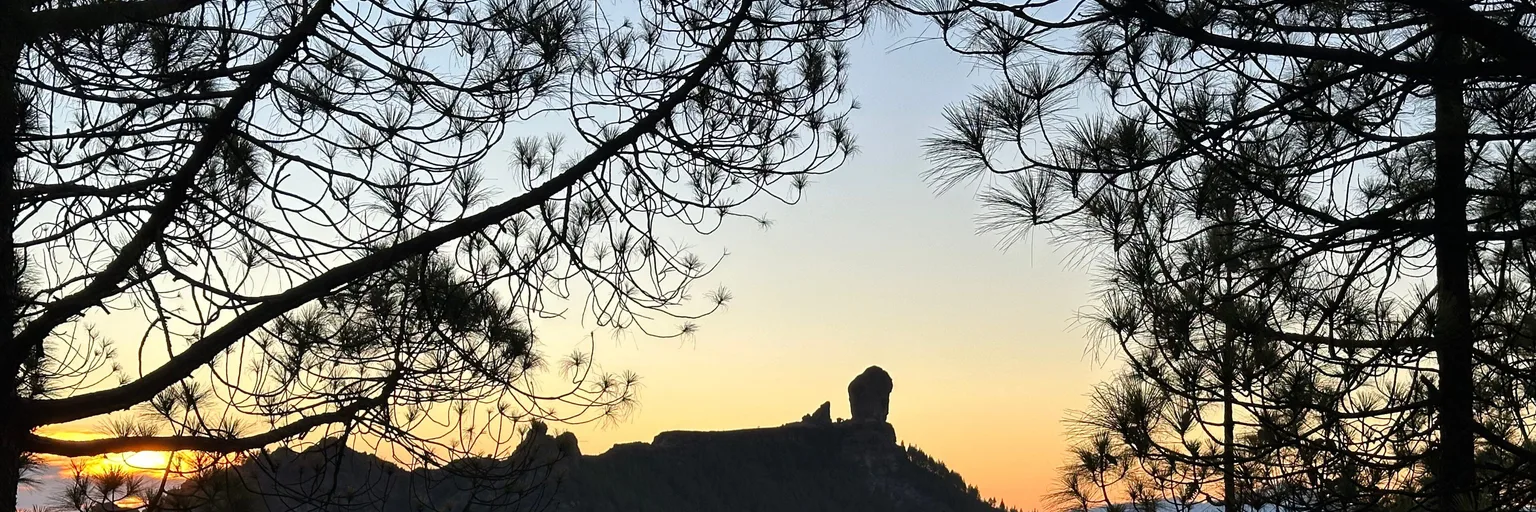
Roque Nublo at night: protecting an icon takes more than outrage
Two tourists climbed Gran Canaria's most famous rock in the dark. The lesson isn't to shame them online, but to enforce clear rules before an accident does it for us.
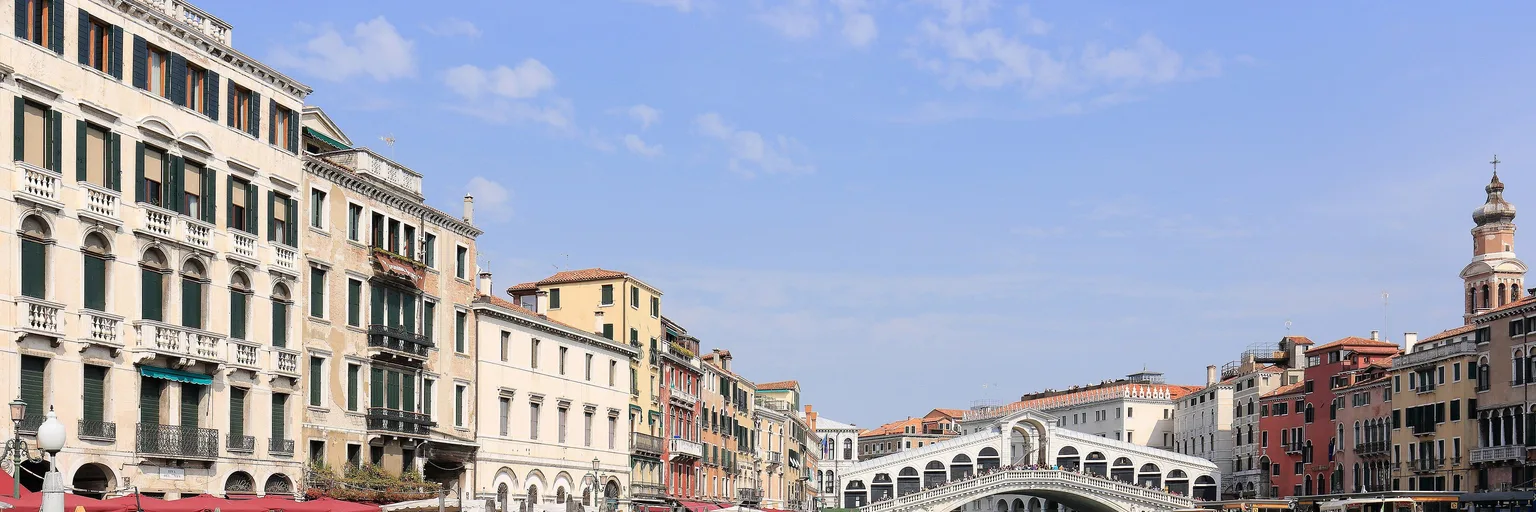
Venice's day-trip fee could double, and that's fine if it's honest
A possible €20 cap for Venice's 2027 access fee isn't the scandal it sounds like. It works only if it is predictable, aimed at peak days and visibly spent on the city.
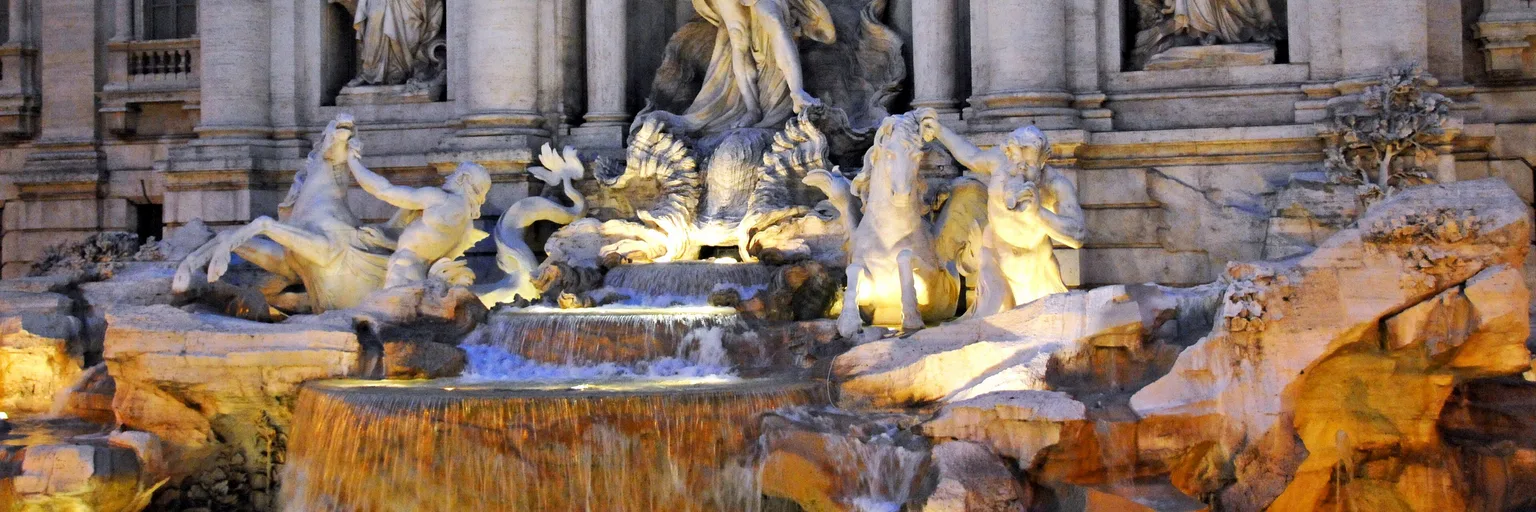
Trevi's ticket may tame the crowd, but it has to earn the coin toss
Rome's new fee for Trevi's inner basin looks like a smart crowd tool. Fewer coins for charity suggest it can also cost the ritual itself, so the city owes visitors proof.
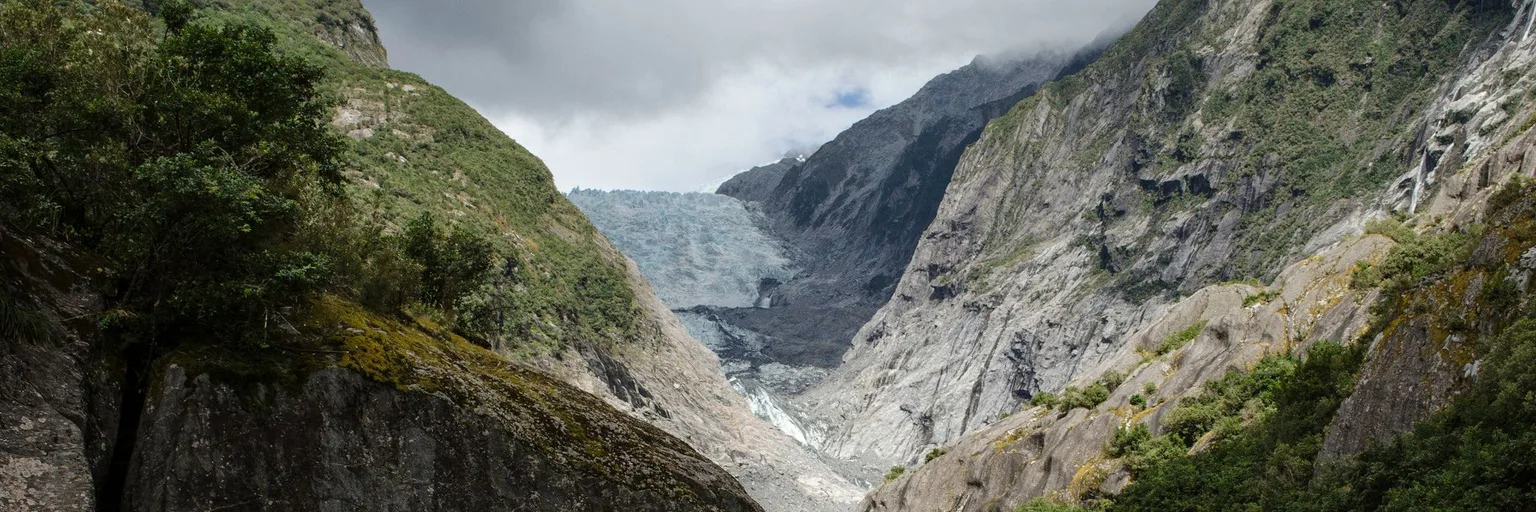
Franz Josef needs honest risk management, not just more visitors
A glacier village that more than a million visitors a year pass through sits beside a rising, gravel-choked river. The kind thing to do for the town, and for travelers, is to talk about retreat.