Roque Nublo at night: protecting an icon takes more than outrage
Two tourists climbed Gran Canaria's most famous rock in the dark. The lesson isn't to shame them online, but to enforce clear rules before an accident does it for us.
Photo: Rvr / Wikimedia Commons (CC BY-SA 4.0)
What does it take to climb a protected natural monument in the dark, without permission, and assume nobody will notice? Apparently, not much. And that is the uncomfortable part of the story that came out of Gran Canaria this week.
The facts are simple. According to ABC, two tourists were found climbing the monolith of the Roque Nublo Natural Monument at night, without the required permits. A neighbor in the La Culata district of Tejeda saw lights on the rock, and the Guardia Civil was alerted. Officers walked about a kilometer and a half to the base, found the two men climbing, and proposed them for sanction. Fines could reach around 3,000 euros, as Canarias7 also reports. The officers then had to help them back down because of the terrain and the darkness. Nobody was hurt.
The real hero here is a neighbor with a phone
It's tempting to make this a story about two reckless visitors. We think that misses the point. The system worked because one local looked up, saw something odd and raised the alarm. That's admirable, but it isn't a policy. A protected site that depends on someone happening to glance at the right hillside at the right hour is a site protected by luck.
The Roque Nublo is not a minor spot. It's the symbol of Gran Canaria, about 80 meters tall, with its top at around 1,813 meters. It's a Natural Monument, a Special Area of Conservation within the Natura 2000 network, and an Area of Ecological Sensitivity. When a place carries that many labels, the labels are only worth something if someone is checking that they mean what they say.
Rules exist, but do visitors actually know them?
Here is where we'd push back on easy outrage. The island's authority does regulate access: the Cabildo's page lists climbers with authorization among those who may access the trail. So the framework exists. The question is whether a visitor arriving from abroad understands that climbing the rock is not a free-for-all. Some climbing guides present the area as one of the island's most popular climbing destinations, while an adventure-travel outlet advises avoiding climbing the monolith itself. Mixed messages like these are exactly how a "surely it's fine" attitude can take hold.
Clear rules means signage in several languages at trailheads, plain explanations online of what needs a permit and how to get one, and no ambiguity about night access. That's cheap. Enforcement is costlier, but this case shows what it looks like when it works: officers who respond and fines that are proposed.
Fines are the floor, not the answer
A sanction of up to 3,000 euros is a real deterrent for most people. But we'd be careful about celebrating fines as the solution. The deeper risk is the one the Guardia Civil itself pointed to: climbing in the dark on rough ground, which forced officers to help the pair back. Every such incident pulls rescuers into danger for something entirely avoidable.
Our view is that any outrage this story generates will probably fade within days. What should last is a more boring list: visible rules, consistent patrols, and a habit of telling visitors before they arrive what the rock is and isn't for.
Our verdict
If you're going to the Roque Nublo, go for the walk. The approach is short, the views are enormous, and the rock is more impressive when you leave it untouched. Stay on the marked paths, go in daylight, and if you want to climb, find out first whether you need authorization and get it. For the authorities, the lesson is the same in reverse: an icon this famous deserves protection that doesn't depend on a sharp-eyed neighbor.
No topics yet: start the first one.
More stories
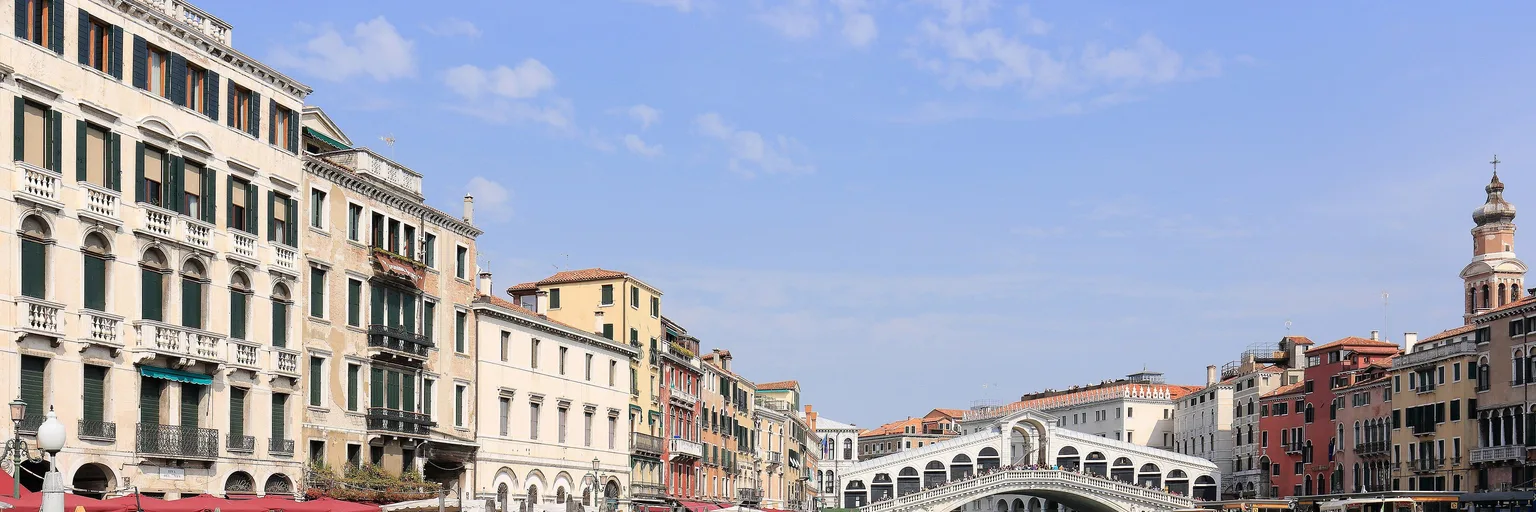
Venice's day-trip fee could double, and that's fine if it's honest
A possible €20 cap for Venice's 2027 access fee isn't the scandal it sounds like. It works only if it is predictable, aimed at peak days and visibly spent on the city.
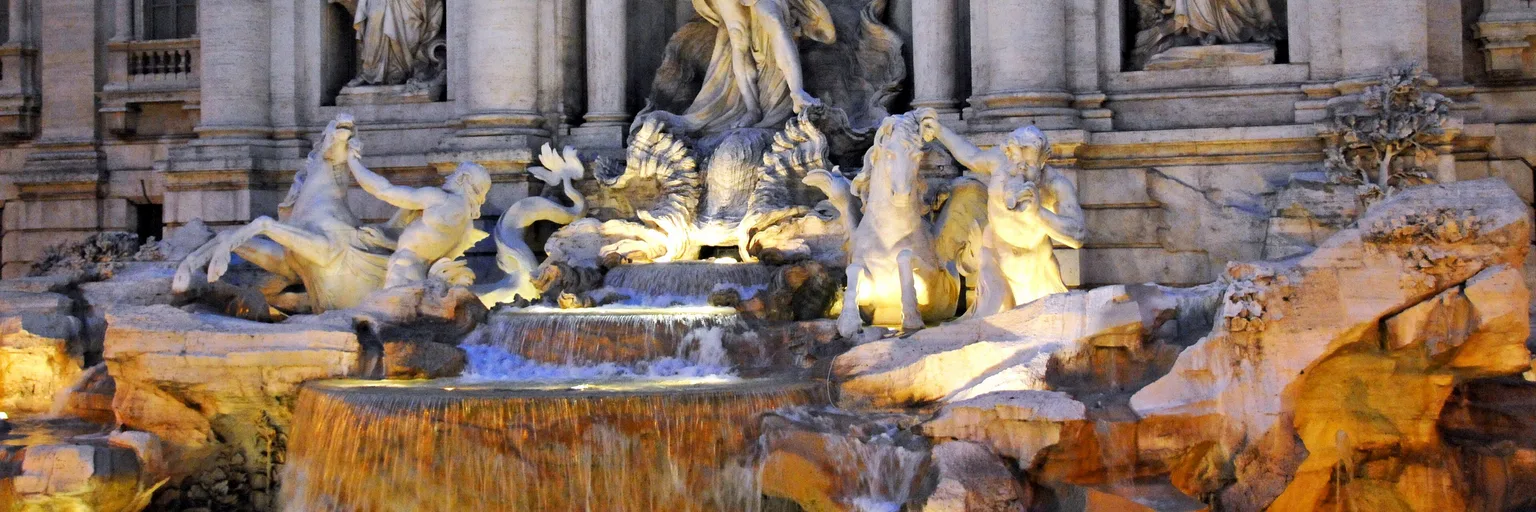
Trevi's ticket may tame the crowd, but it has to earn the coin toss
Rome's new fee for Trevi's inner basin looks like a smart crowd tool. Fewer coins for charity suggest it can also cost the ritual itself, so the city owes visitors proof.
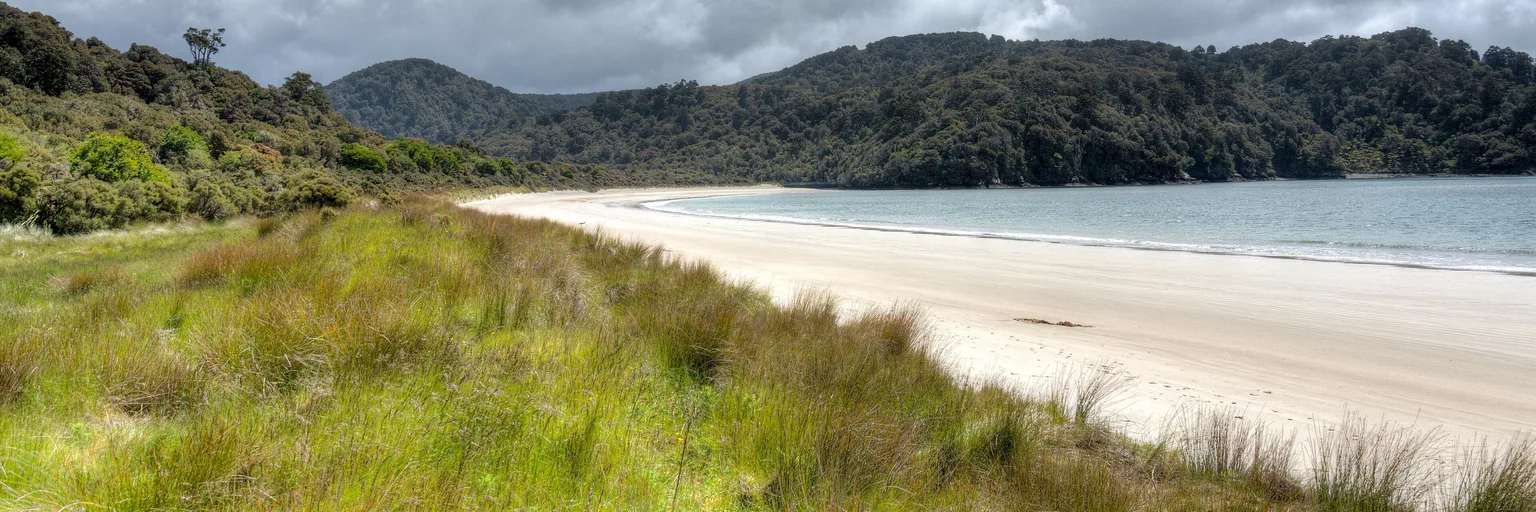
Stewart Island's 2027 badge is nice. Go for the quiet instead
Condé Nast Traveller's 2027 nod could reward slow, small-scale travel in southern New Zealand, but only if the island stays small and the crowds don't arrive.
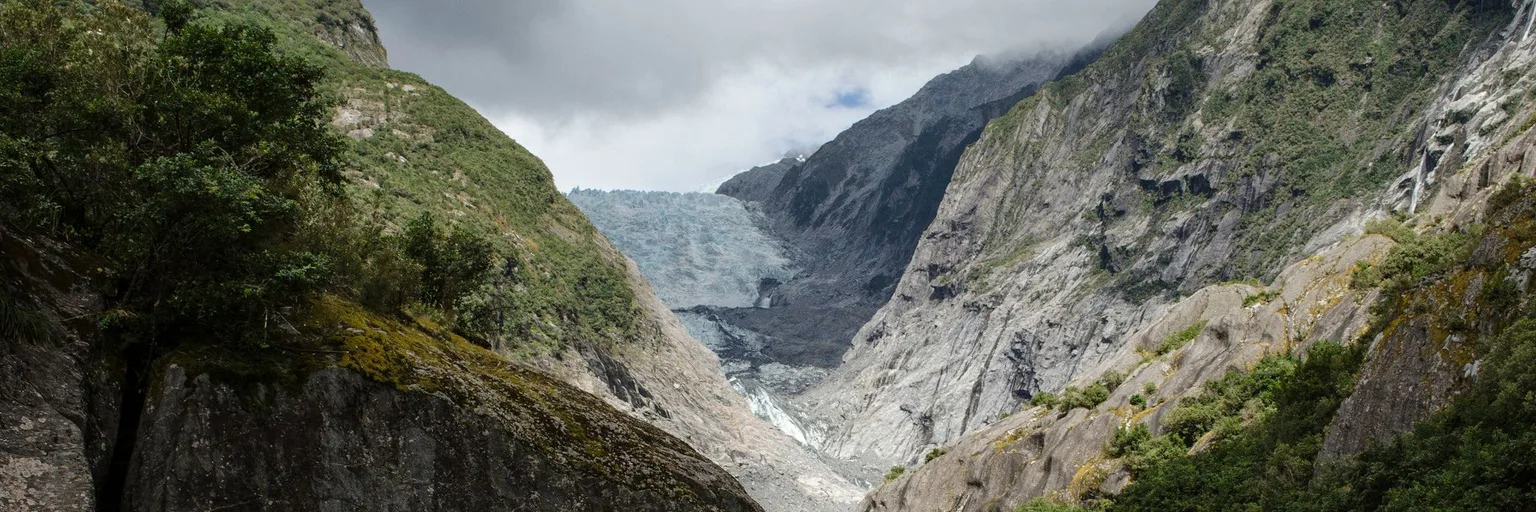
Franz Josef needs honest risk management, not just more visitors
A glacier village that more than a million visitors a year pass through sits beside a rising, gravel-choked river. The kind thing to do for the town, and for travelers, is to talk about retreat.