Winter solstice trips: go for the ritual at Stonehenge, not the crowd
Stonehenge opens free on solstice morning, but parking is sold out and thousands are expected. Treat it as a ritual with rules, not a photo op, and you'll enjoy it more.
Photo: Ввласенко / Wikimedia Commons (CC BY-SA 3.0)
Is a monument still magical when thousands of people are standing around it in the dark, holding phones? We think it can be, but only if you stop treating the winter solstice as a shot to collect and start treating it as an appointment to keep.
Euronews has just rounded up Europe's solstice destinations, from Stonehenge to Riga. Its framing is that the shortest day and longest night are when many countries still celebrate old customs. Stonehenge is the stop where the practical details are best covered, so that's where we'll spend our time.
The facts are simple. English Heritage is offering free access to Stonehenge on Tuesday, December 22, and says parking is already sold out. Its advice is blunt: if you don't hold a valid parking ticket, don't come by car, because there is no other parking nearby. One local guide to the arrangements gives sunrise as 08:09 GMT, with access from first light, roughly 7:45 a.m. to 10:00 a.m.. The BBC says thousands are expected.
The limits are the point
It's tempting to read the sold-out parking and the narrow access window as bureaucratic friction. We'd argue the opposite. A monument built, as English Heritage puts it, to align with the sun on the solstices only makes sense in that short window. The constraint is part of the experience. You arrive in the cold, wait for the light and share the moment with strangers. Then the day opens, and the time limit tells you the moment was never meant to be endless.
The practical lesson is that spontaneity is the enemy here. Anyone who shows up on December 22 hoping to sort out parking on the spot has misunderstood the event. Plan the transport before anything else, and have a fallback if your plan fails.
The photo is the worst reason to go
Dawn on a December morning in Wiltshire may well be overcast. We can't promise a clean sunrise, and nobody can. If your trip only works with a perfect picture of sun through the stones, you're gambling with money and sleep on the weather.
If you go for the ritual, the trip works whatever happens. The pre-dawn darkness, the murmur of a large crowd and the sense of a tradition kept alive are all there whether or not the sun cooperates. Our view is that the people who leave happiest are the ones who put the phone away for twenty minutes.
Crowds are a reason to choose your date, not to skip the trip
Some sources note a small wrinkle: one says the solstice falls on December 21, while English Heritage marks December 22 as solstice day. Check which date your plans hang on before you book anything. Some operators also advertise booked stone circle access and organized tours as alternatives, including one with a departure around 4 a.m. from central London or Bath. We haven't verified their terms, so read the small print. For some visitors, a guaranteed, managed visit beats a free-for-all, though it's a different experience.
Our recommendation is to pick one mode and commit. Go on the free morning only if you accept the cold, the queue and the crowd as part of the deal. Choose a managed alternative if you want predictability. Then, if the solstice crowd isn't for you, look at Riga and the other celebrations Euronews points to. We won't guess what they involve, but the principle holds anywhere: a once-a-year ritual rewards people who arrive prepared and a little humble.
The verdict is to go to Stonehenge on December 22 if you can secure transport, dress for the cold and expect to share it. Don't go if all you want is a photo. The stones will still be there in March.
No topics yet: start the first one.
More stories
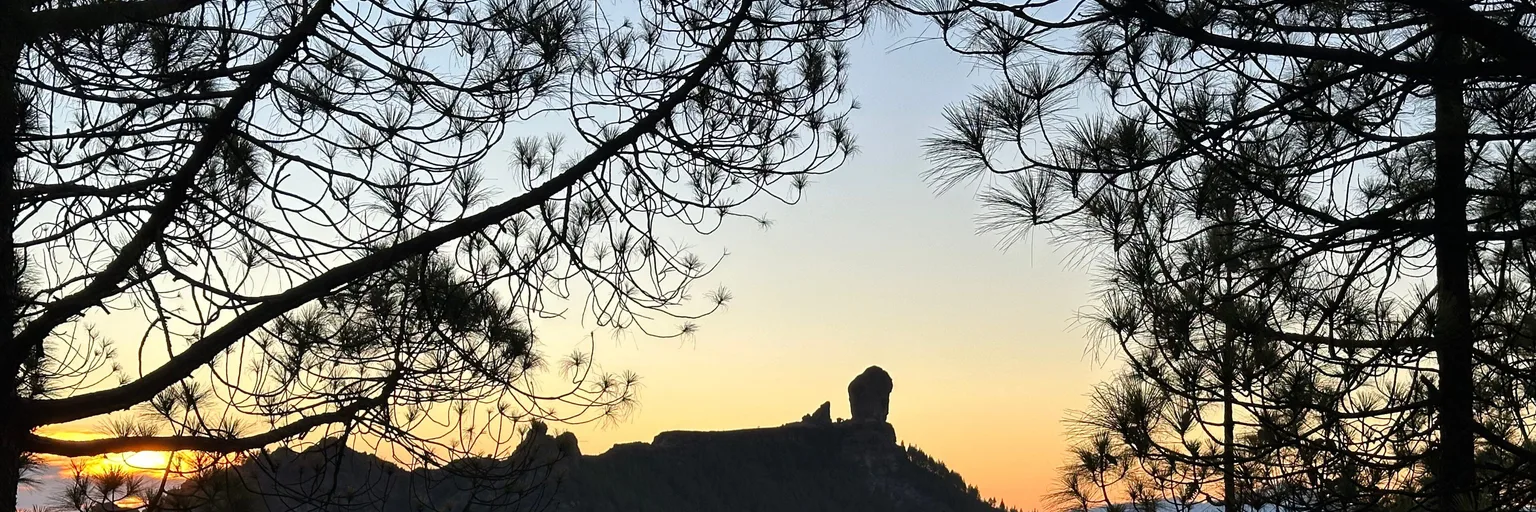
Roque Nublo at night: protecting an icon takes more than outrage
Two tourists climbed Gran Canaria's most famous rock in the dark. The lesson isn't to shame them online, but to enforce clear rules before an accident does it for us.
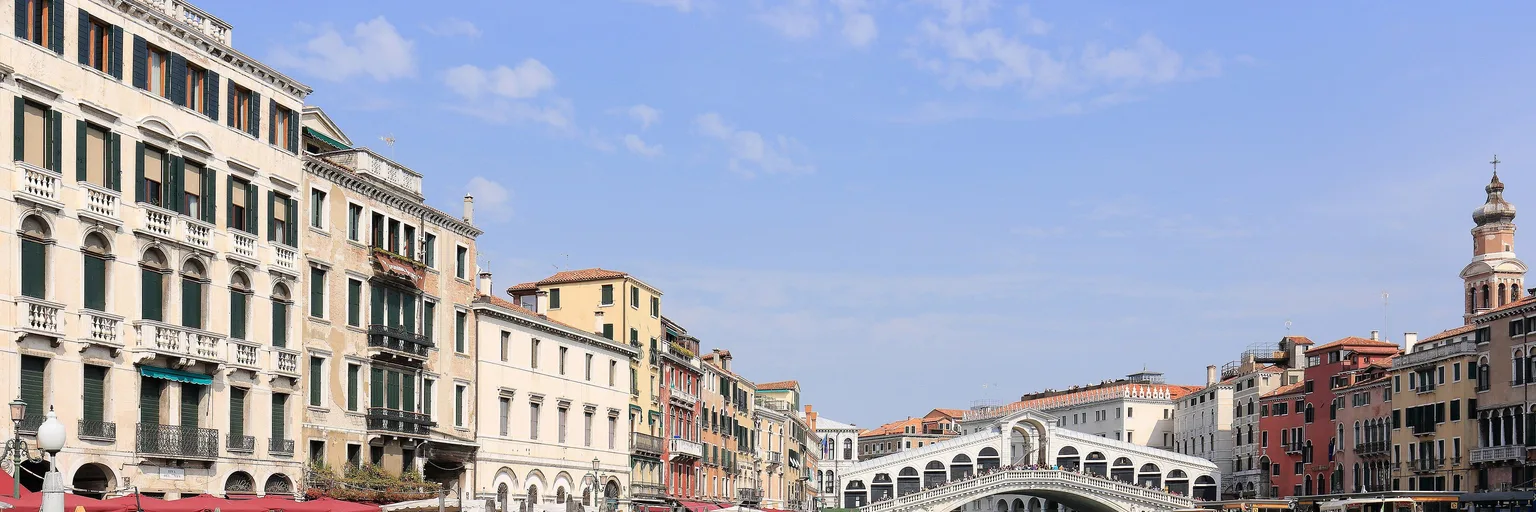
Venice's day-trip fee could double, and that's fine if it's honest
A possible €20 cap for Venice's 2027 access fee isn't the scandal it sounds like. It works only if it is predictable, aimed at peak days and visibly spent on the city.
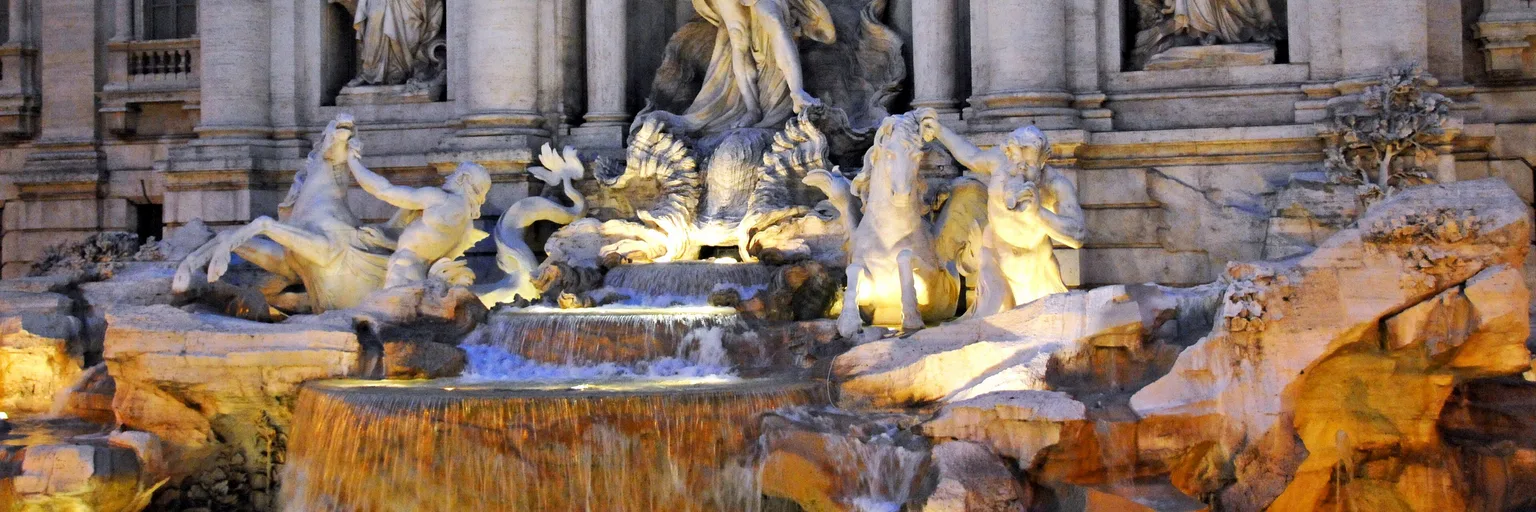
Trevi's ticket may tame the crowd, but it has to earn the coin toss
Rome's new fee for Trevi's inner basin looks like a smart crowd tool. Fewer coins for charity suggest it can also cost the ritual itself, so the city owes visitors proof.
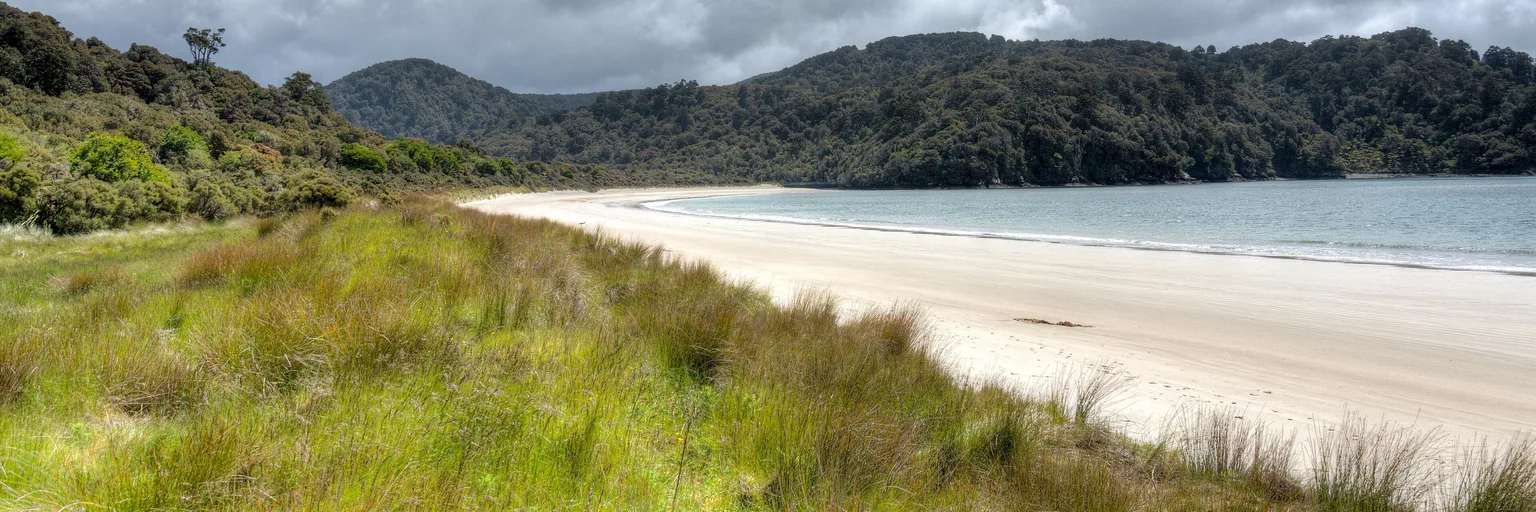
Stewart Island's 2027 badge is nice. Go for the quiet instead
Condé Nast Traveller's 2027 nod could reward slow, small-scale travel in southern New Zealand, but only if the island stays small and the crowds don't arrive.