Mérida's Roman bridge is proof Extremadura deserves more than a photo stop
At 790 meters and 60 arches, Mérida's Roman bridge is the kind of monument that makes Extremadura a rival to Spain's famous hubs. Give it days, not minutes.
Photo: Daniel Di Palma / Wikimedia Commons (CC BY-SA 4.0)
Why do we queue for monuments in places everyone already knows, while a bridge that has crossed a river for roughly two thousand years sits in a city many travelers never plan around? Mérida's Roman bridge is a good test of how well you really know Spain.
A bridge that long should embarrass the usual itinerary
The facts are simple and striking. The bridge stretches 790 meters and, according to the Spanish-language Wikipedia, rests on sixty arches, three of which stayed hidden until the late 1990s, when riverbank regeneration works exposed them. The city's tourism office describes a structure built in concrete faced with granite blocks, almost eight hundred meters long and twelve meters high at its tallest points. Several outlets, El Confidencial among them, present it as the longest Roman bridge in the world, a claim repeated across Spanish travel media, usually with the qualifier that it is the longest one preserved.
The bridge also isn't an isolated curiosity. It belongs to Mérida's archaeological ensemble, which Sibaritae notes was declared a UNESCO World Heritage Site in 1993 and counts among the main and most extensive archaeological ensembles in Spain. Mérida is the capital of Extremadura.
Extremadura's heritage can stand next to the big names
Here is our opinion: Spain's tourism map is lopsided. Visitors pile into a handful of famous hubs, and regions like Extremadura get treated as a pass-through. That is a mistake. A bridge of this scale, still standing after two millennia, is not "second-tier heritage." It is the kind of landmark that would anchor a trip anywhere else.
What we find most persuasive is the sheer scale. Nearly 800 meters of granite-faced Roman engineering is not a monument you tick off from a single angle; in our view, it is something you have to see in person to understand why the word "longest" keeps following it around. That, to us, is exactly what separates living heritage from a postcard.
There is also a fair argument about crowds. The documentation doesn't tell us how busy Mérida is, so take this as a prediction rather than a fact: places with this much history and less fame tend to reward travelers with more room to breathe. That is a good reason to go before the narrative catches up.
Use the bridge as a base for a slow trip, not a quick photo
The temptation will be to tick it off: snap the arches, move on. We would argue against that. The bridge is the entry point to a city whose Roman legacy, judging by the size of its UNESCO-listed ensemble, goes far beyond one structure, and a single afternoon undersells it.
Our suggestion is to treat Mérida as a base. See the bridge at different hours, since the light on granite probably changes how those sixty arches read. Then let the rest of the ensemble unfold over a couple of days. We can't give you ticket prices, opening hours, access details or entry rules because the documentation doesn't include them, so check the city's official tourism site before you plan.
Slow travel isn't about doing less; it's about letting a place explain itself. We suspect Mérida can do that, because a heritage site this concentrated rewards a visitor who stays put rather than racing across a sprawling map.
Go for the bridge, stay for the city
Go to Mérida for the bridge, but stay for the city. If you are building a Spanish itinerary and Extremadura isn't on it, 790 meters of Roman granite over the Guadiana are a strong argument to change that. Give it at least a weekend, come back to the bridge at a different time of day, and judge for yourself whether the famous hubs still deserve all the attention.
No topics yet: start the first one.
More stories
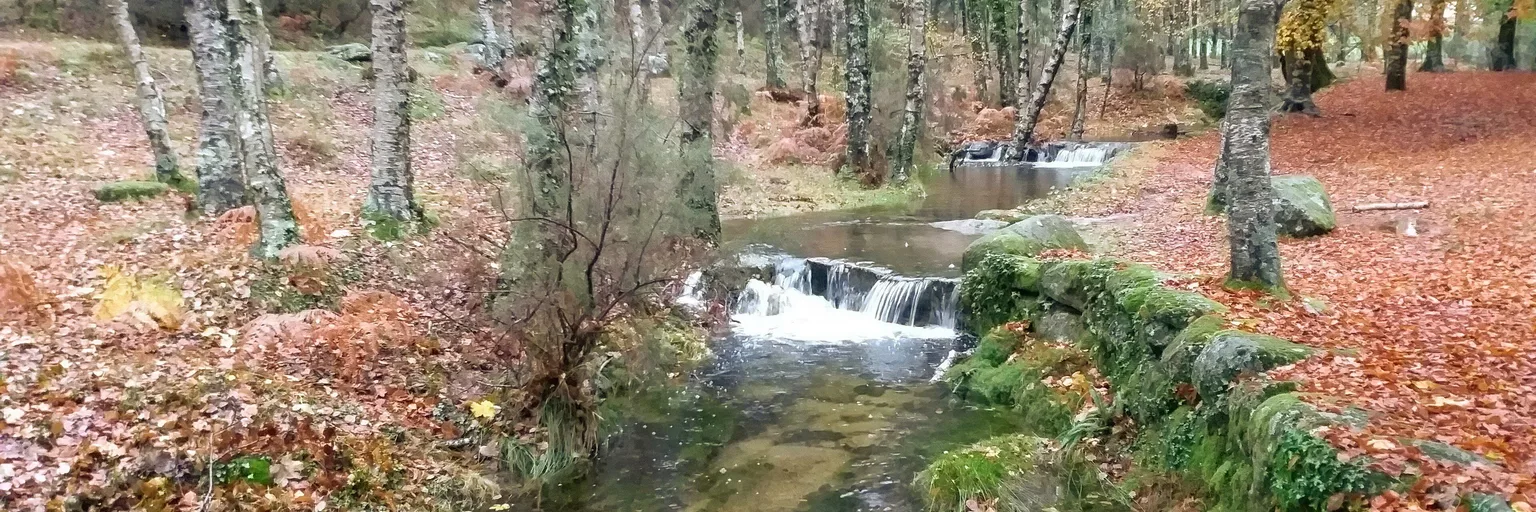
Peneda-Gerês needs rangers and limits, not just a new program
Portugal has approved a special program for its only national park. It will be good news only if it caps visitor pressure and pays for people on the ground, not just promotion.
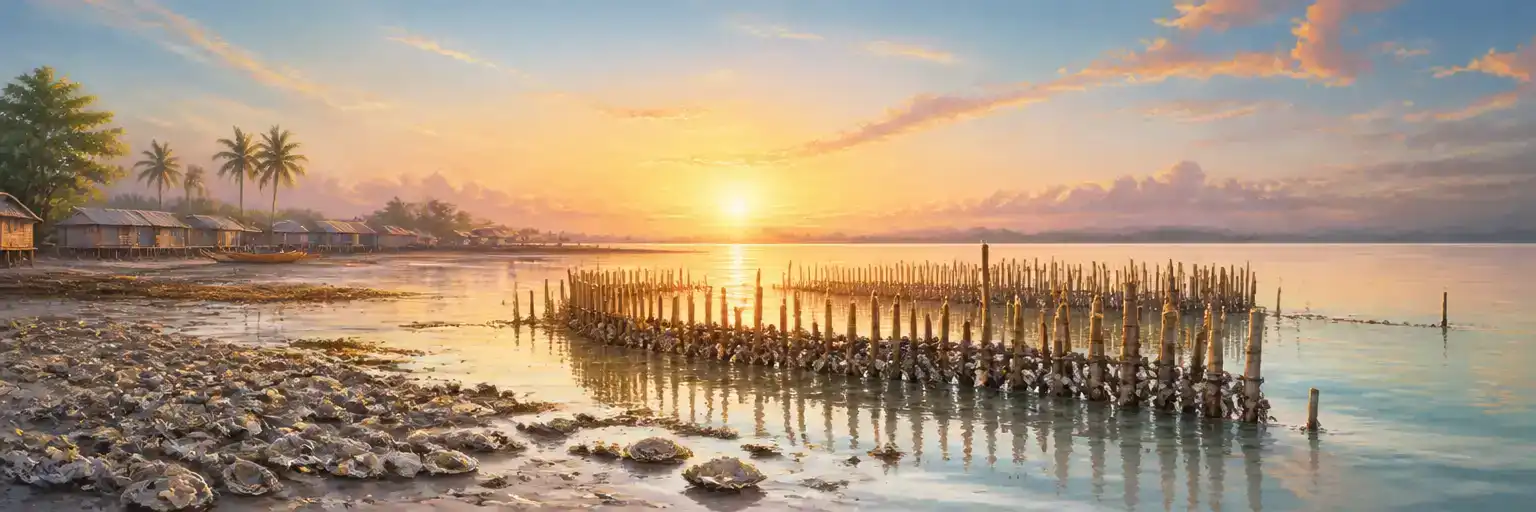
Bamboo beats concrete: why resilient islands deserve your trip
A Philippine island is fighting floods with bamboo and oyster shells, not cement. Travelers who care about coasts should learn to tell real adaptation from decoration.
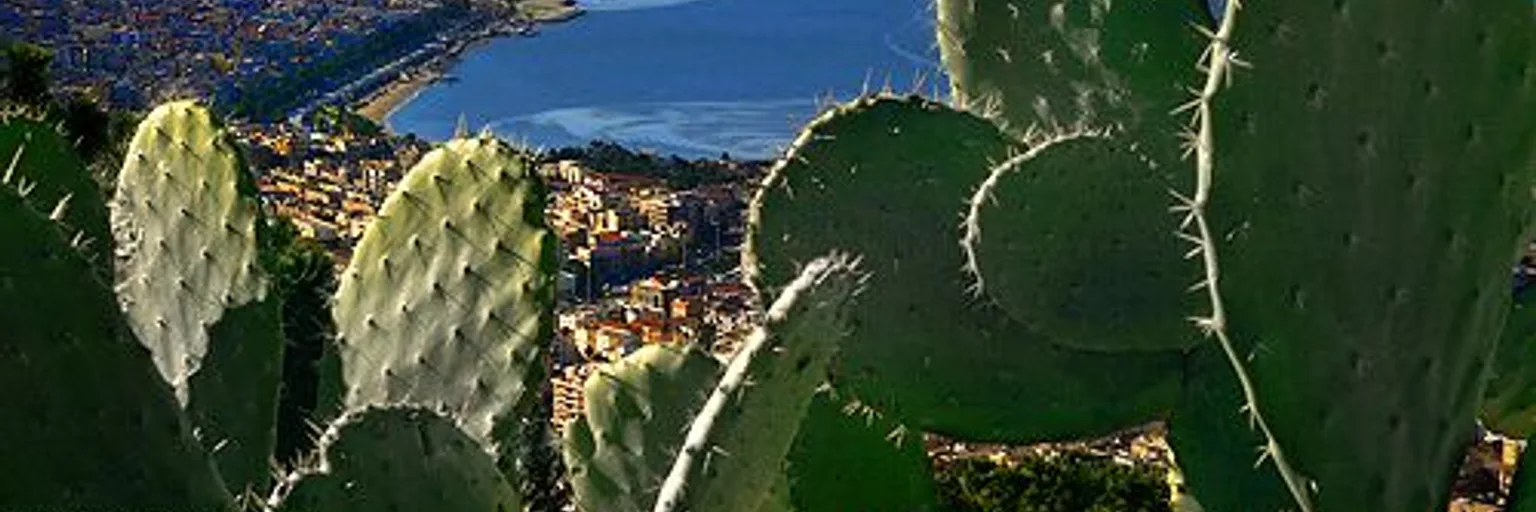
Reggio Calabria's free ruins shouldn't be a two-day favor
Free archaeological openings on October 31 and November 1 are a lovely nudge, but a city with this much history shouldn't need a holiday weekend to be noticed.
A National Geographic nod for a Caribbean island should mean slower trips, not more
The Caribbean island on National Geographic's 2027 list is an invitation to look past the resort strip, but only if travelers and operators choose local, low-impact stays over the rush.