Peneda-Gerês needs rangers and limits, not just a new program
Portugal has approved a special program for its only national park. It will be good news only if it caps visitor pressure and pays for people on the ground, not just promotion.
Photo: José Amorim / Wikimedia Commons (CC BY-SA 4.0)
Is a rulebook enough to protect a mountain? Portugal is about to find out. The government has just approved a new special program for Peneda-Gerês, the country's only national park, and the temptation will be to celebrate the paperwork. We would rather wait and see who turns up to enforce it.
The paperwork is approved; the hard part isn't
According to the Council of Ministers communiqué of October 29, 2026, the government approved a resolution that updates the park's boundaries and adopts its Special Program, with rules to protect nature, support the traditional activities of local people and "ordenar o turismo", that is, to organize tourism. Jornal Económico adds that the aim is to reconcile conservation with the needs of residents, municipalities and traditional economic activities.
That is what the documentation we have tells us, and it is not much. It includes no visitor caps, no staffing numbers and no budget. Anyone who tells you today that the program "solves" anything is guessing. What follows is our reading, and it is an opinion.
A balancing act is not a protection plan
The official language is about conciliating: nature, residents, local councils, traditional livelihoods. It is a fair aim. People have lived and worked in these mountains for a very long time, and a park that treats them as an obstacle will fail. But "balance" is also the word governments reach for when they want to avoid choosing.
Our view is that tourism is the item on that list with the loosest brakes. Farmers and councils can make themselves heard. Visitors don't organize, and in our experience of how popular natural areas work, they tend to concentrate on the same sunny weekends, chasing the same waterfall and the same viewpoint. If the program "orders" tourism only by pointing people to approved trails and approved experiences, that is marketing with a map attached. Real ordering means numbers: reservations or limits at the most fragile spots, seasonal closures when the land needs rest, and parking that stops at the edge rather than at the water.
Rules without rangers are decoration
Here is a cautionary tale from today's news. CBC reports that Parks Canada is closing at least 13 warden detachments, and that when a detachment closes there is no on-the-ground law enforcement; the new system relies on regional wardens being brought in. A former warden quoted there warned that a regional plan could contribute to staff burnout when people are thinly stretched. Different country, different park, same lesson: a regulation is only as strong as the person who can reach the trailhead in time.
We would apply that test to Peneda-Gerês. Does the program come with rangers, vehicles, trail maintenance and fines that are actually collected? We can't say, because the documentation doesn't. That is precisely why the question matters. A well-drafted program with an empty ranger station is worse than none, because it gives everyone the comforting impression that someone is in charge.
The best thing a visitor can do is go smarter
The program was only just approved, so once the full text is available, read it. If you are planning a trip, go outside peak weekends, stay in the villages instead of just driving through, and buy from local producers. That is the part of "supporting the populations" any of us can do this month.
Our verdict: approving the program is the easy half. It deserves applause only when the budget line for park staff appears, when visitor limits at the busiest places are written down in numbers, and when the first season shows someone enforcing them. Until then, congratulations are premature, and the mountain will not read the decree.
No topics yet: start the first one.
More stories
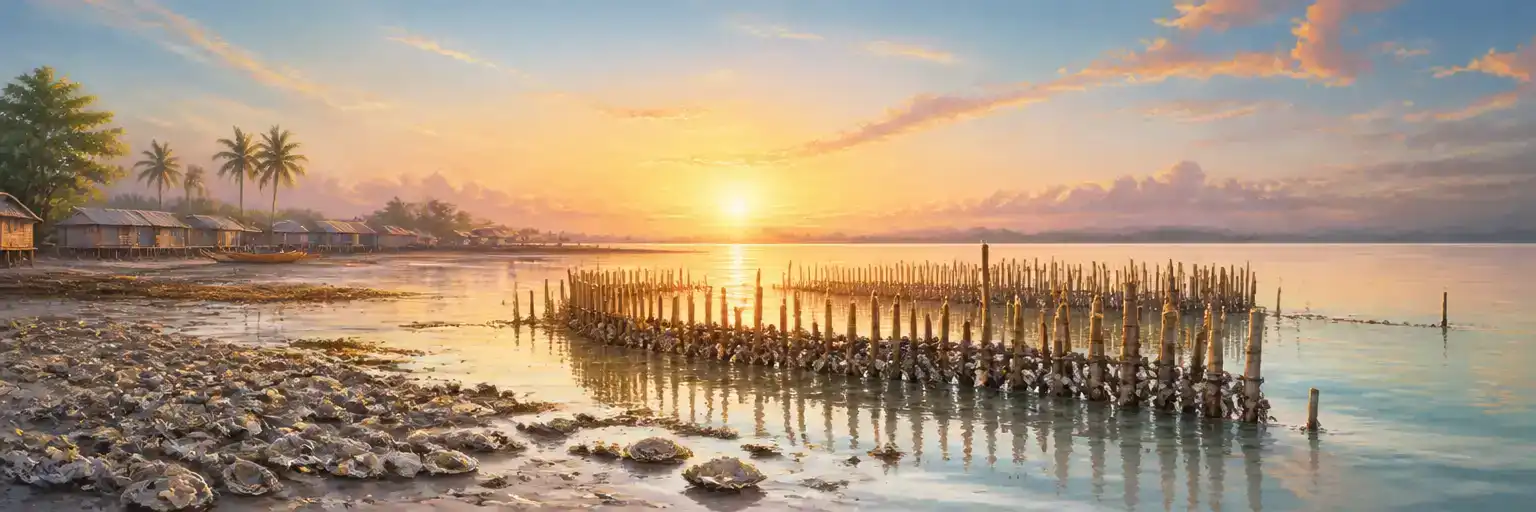
Bamboo beats concrete: why resilient islands deserve your trip
A Philippine island is fighting floods with bamboo and oyster shells, not cement. Travelers who care about coasts should learn to tell real adaptation from decoration.
Reggio Calabria's free ruins shouldn't be a two-day favor
Free archaeological openings on October 31 and November 1 are a lovely nudge, but a city with this much history shouldn't need a holiday weekend to be noticed.

A National Geographic nod for a Caribbean island should mean slower trips, not more
The Caribbean island on National Geographic's 2027 list is an invitation to look past the resort strip, but only if travelers and operators choose local, low-impact stays over the rush.

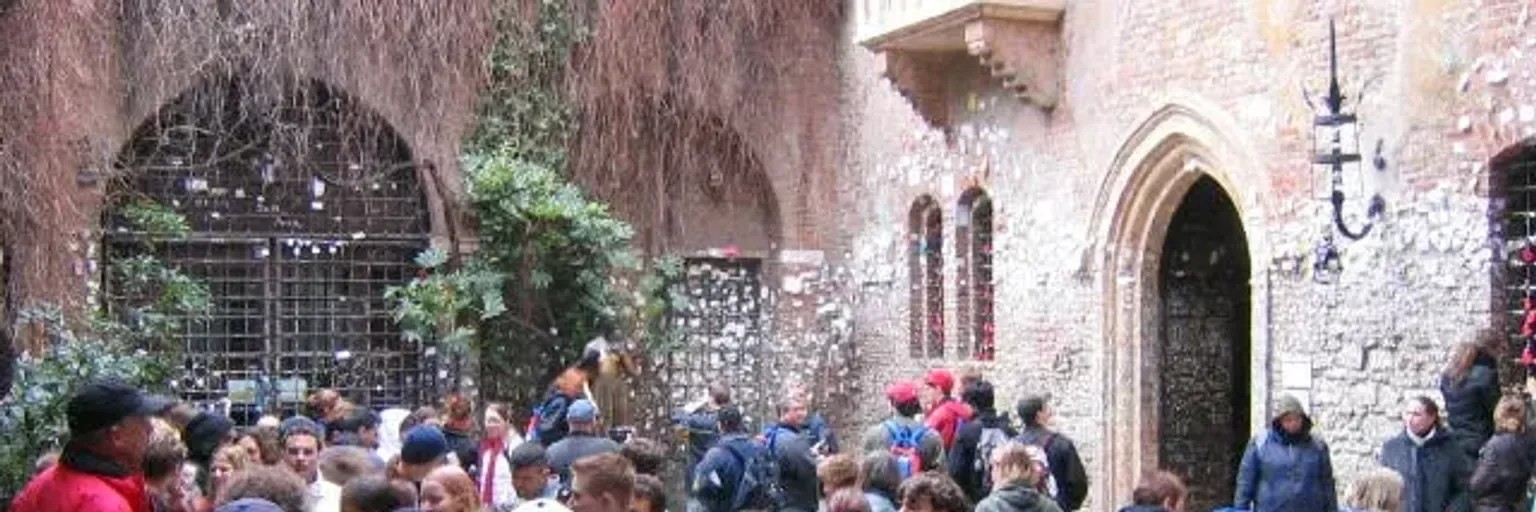
Juliet's Courtyard proves crowds need managing, not banning
Verona's online booking system logged nearly 600,000 entries in six months and, the city says, ended the crush. It's a model for icons everywhere, but the balcony shouldn't be your whole trip.