A National Geographic nod for a Caribbean island should mean slower trips, not more
The Caribbean island on National Geographic's 2027 list is an invitation to look past the resort strip, but only if travelers and operators choose local, low-impact stays over the rush.
AI-generated image
What happens to a small island the week after a famous magazine tells the world to go? In our view, it often goes the same way: the hotel search results fill up, the prices tell a story, and everyone books the same three beaches. The Caribbean island that just landed on National Geographic's 2027 list is about to find out which version of that story it gets.
What we actually know
Semana reports that National Geographic highlights the island's natural and cultural wealth. The magazine's Best of the World selection covers 25 destinations, running from Santander to Salvador de Bahía and from Baltimore to Malaysia.
The coverage we have doesn't give us the island's name, and we won't guess. It also offers no visitor numbers, prices or access details. So this piece deals with the principle rather than a checklist. The practical details you need, from how to get there to where to stay, should come from the full list and from local tourism offices before you book.
A list is a compass, not a reservation
We think the worst way to use a "best places" list is as a shopping list. The Caribbean is the region where a recommendation turns into a resort booking fastest. Resort stays are easy to sell, easy to package and easy to forget. They also keep most of what makes an island worth a magazine's attention behind a fence.
The framing from the coverage points the other way: natural and cultural riches. Those live in villages, markets, protected landscapes, kitchens and festivals. Nobody finds them from a pool bar. If the nod means anything, it means the island has more to offer than its coastline, and the traveler who treats it that way is the one who gets the real trip.
Low-impact is a choice you make at booking
Here is our stance. Sustainable travel gets discussed as if it were a vague virtue, but it is mostly a handful of decisions made before you leave home:
- Sleep small and local. A family-run guesthouse or small locally owned inn keeps more of your money on the island than a large chain does. That is our view, not a figure, so check who owns the place.
- Stay longer, move less. One island explored over a week or more beats three islands in nine days. Slow travel is kinder to the place and, frankly, more enjoyable.
- Hire local guides for nature and heritage visits, and follow their rules about where not to go.
- Skip the peak-day pile-on. If everyone reads the same list and arrives in the same month, the "hidden" part disappears.
The burden is on operators too
It isn't fair to put all of this on the individual visitor. Hotels, tour sellers and airlines will probably see the same spike in interest we do. The temptation will be to add rooms, pack itineraries and sell "undiscovered" as a slogan until it is no longer true. We would rather see operators do the unglamorous thing: cap group sizes, route people to lesser-known areas, and price in the cost of protecting what they are selling. That is a prediction of what good practice looks like, not a report of what anyone has announced.
The risk is real. A small Caribbean island has limited water, roads and beaches. A magazine boost works as a stress test, and some destinations pass it better than others.
Our verdict
Go, but go like a guest. Book the small place, stay longer than you planned, eat where the locals eat, and let the island set the pace. If you can't be flexible about the dates, pick a quieter season over the one the headlines will make busiest. And if your plan boils down to a resort, a transfer and a photo of the sunset, you didn't need a National Geographic list for that. Any island would do.
No topics yet: start the first one.
More stories
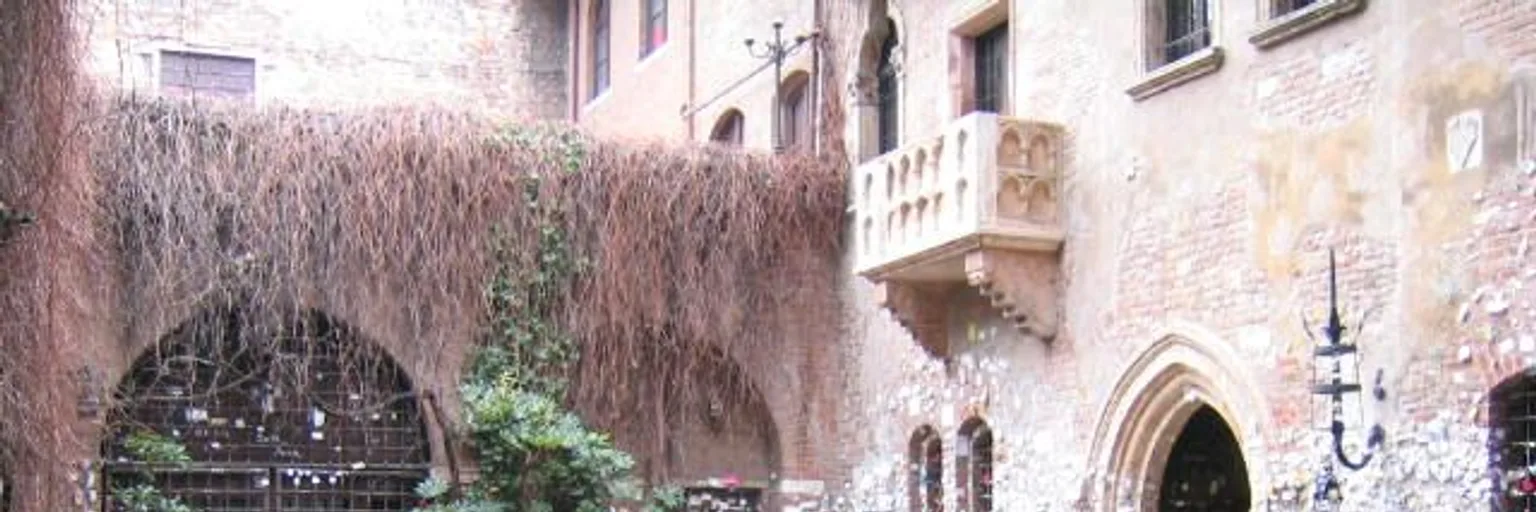
Juliet's Courtyard proves crowds need managing, not banning
Verona's online booking system logged nearly 600,000 entries in six months and, the city says, ended the crush. It's a model for icons everywhere, but the balcony shouldn't be your whole trip.
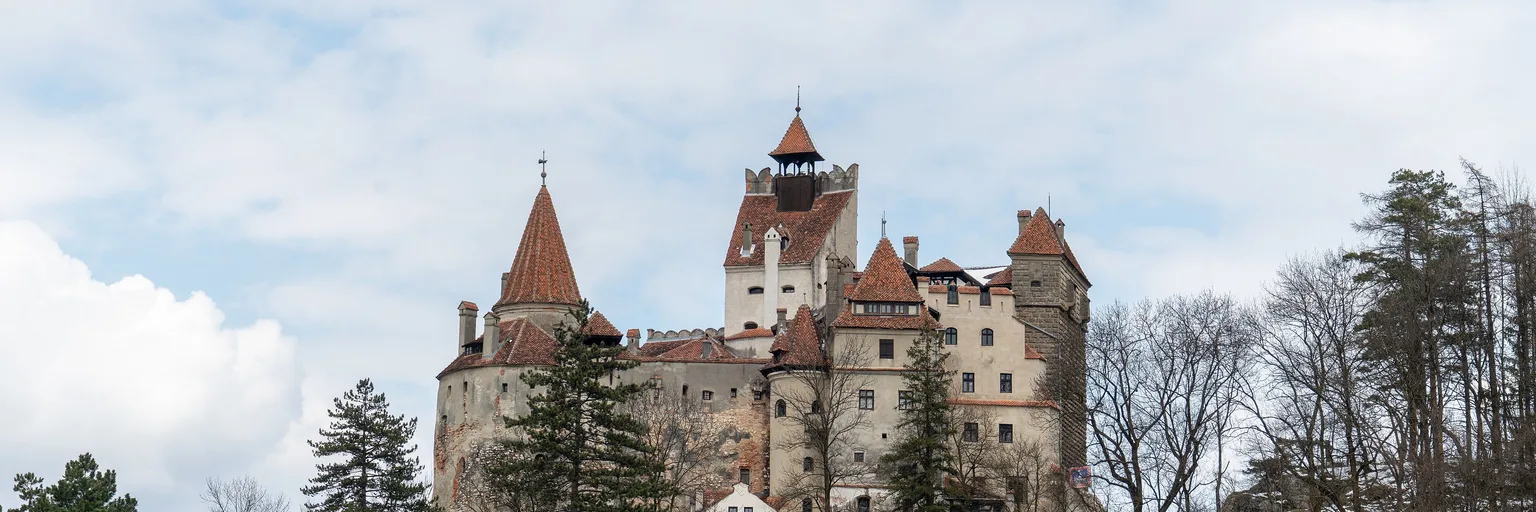
Dracula Land must lead travelers to Transylvania, not replace it
A planned €1 billion vampire park near Bucharest could put Romania on the map, but it only deserves a visit if it sends people on to Bran, Sighișoara and the villages.
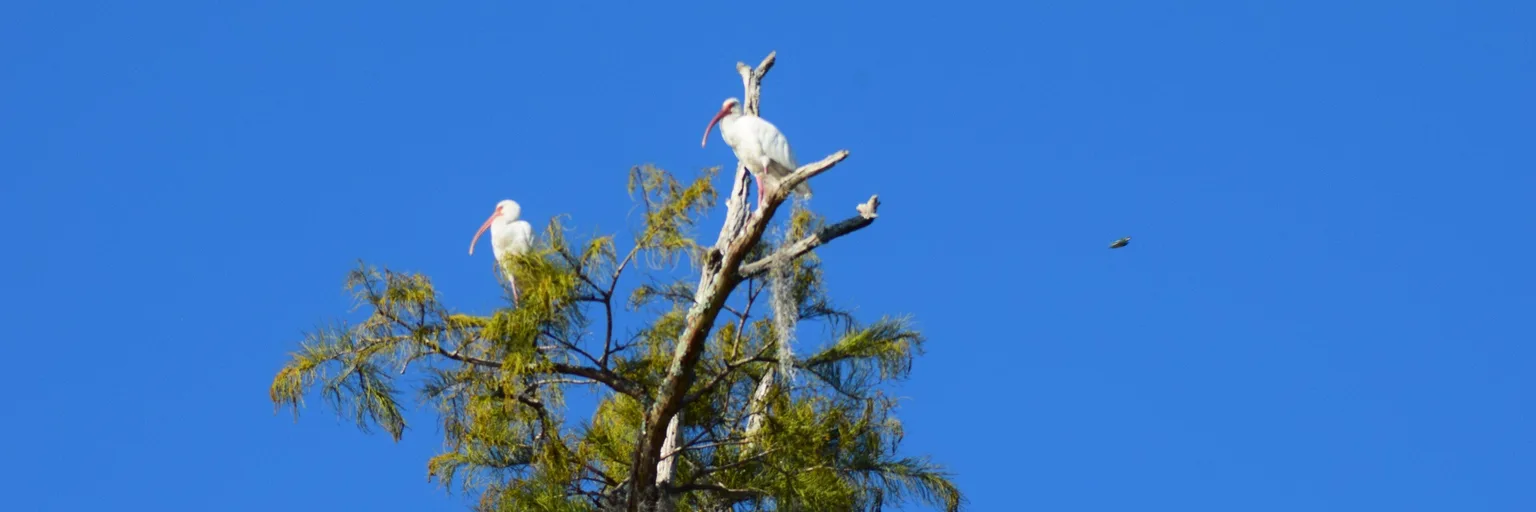
Okefenokee's UNESCO badge is a promise, and the swamp needs a plan
World Heritage status is drawing more visitors to Georgia's black-water swamp. The smart move is to decide how many it can take before the crowds arrive.
The Dolomites' cave bear grotto deserves a gate, not a selfie spot
A high-altitude cave full of prehistoric bear skeletons is a wonder. The best way to love it is to keep the crowds out and let science, and eventually a museum, tell the story.