Dracula Land must lead travelers to Transylvania, not replace it
A planned €1 billion vampire park near Bucharest could put Romania on the map, but it only deserves a visit if it sends people on to Bran, Sighișoara and the villages.
Photo: Paul Colin Hennig firstdorsal.eu / Wikimedia Commons (CC BY-SA 4.0)
Can a roller coaster do more for Romanian tourism than a medieval citadel? Probably, in the short term. The real question is what happens to the visitor afterward: do they go home with a souvenir cape, or do they keep driving north?
The project is called Dracula Land. According to Le Figaro, it would cover 164 hectares, about twenty minutes from Bucharest and fifteen from Henri Coandă airport. The developers say the investment could exceed a billion euros in the first phase, funded with private capital. It includes a theme park with six worlds, a 22,500-seat arena, a water park and spa, and three hotels totaling 1,200 rooms.
Don't pack your bags yet. The masterplan is finished, but no construction machinery has arrived. The official website suggests building in 2026-2027 and a launch in 2027-2028, but those dates are indicative, and financing is still the big hurdle.
The park's real asset is its location, and that's a risk
Putting Dracula next to the capital's airport is smart business. It is also a quiet temptation. A visitor who lands, spends three days in a themed hotel, rides the attractions and flies out can say they "did Dracula" without ever seeing a Transylvanian village. In our view, that is the worst outcome: the legend is extracted from the place that gave it its aura, and the place gets nothing.
Dracula works as a brand because it promises something no theme park can build: fog on real mountains, a fortress that looks as though it grew out of the rock, a town whose old streets feel unscripted. A staged version can be entertaining, but it can't be authentic. And the more perfect the show, the less the real thing may seem to deliver.
Bran, Sighișoara and the villages can win, but not by accident
The optimistic reading is that the park is a very effective hook. Families who would never have searched "Romania" might do so after a weekend at the park. Some will get curious about the original. That is a real opportunity, and a promotional reach on this scale is something small rural guesthouses could never match.
But it won't happen by itself. Our opinion is that the developers should be judged on one thing: do they make the trip onward easy and desirable? That means itineraries sold at the park gates, partnerships with local guides and guesthouses, and honesty about the fact that the castle at Bran and the old center of Sighișoara are a different experience, not a lesser or greater one. The plans announced so far don't mention anything of the kind, so this is a demand, not a description.
There is also a more worrying sign. Le Figaro notes that the creators want to build their own intellectual property around Dracula, with trademark protection in Europe and the United States, plus a possible metaverse version. That reads to us like a company that wants to own the vampire, not to share him with the country. A legend that belongs to literature and folklore turned into a protected brand: that's where the substitution risk is greatest.
What travelers should do
Our advice is simple. If the park opens, treat it as the appetizer, not the meal. Go for the rides if you want them, but give the real Transylvania at least as many nights as the themed hotels get. Choose small, locally run places to stay in the villages, eat what the region actually cooks, and visit the sites outside peak hours.
And a caution for the sake of honesty: opening dates are uncertain, and the announced plans say little about how this park will connect with the rest of the country. Until that changes, don't plan an entire trip around a theme park that is still a masterplan.
Our verdict: Dracula Land can be good news for Romania if it works as a gateway. If it works as a substitute, it will be a very expensive way to turn a living landscape into a backdrop. The test is not how many people come through the gates, but how many of them keep going.
No topics yet: start the first one.
More stories
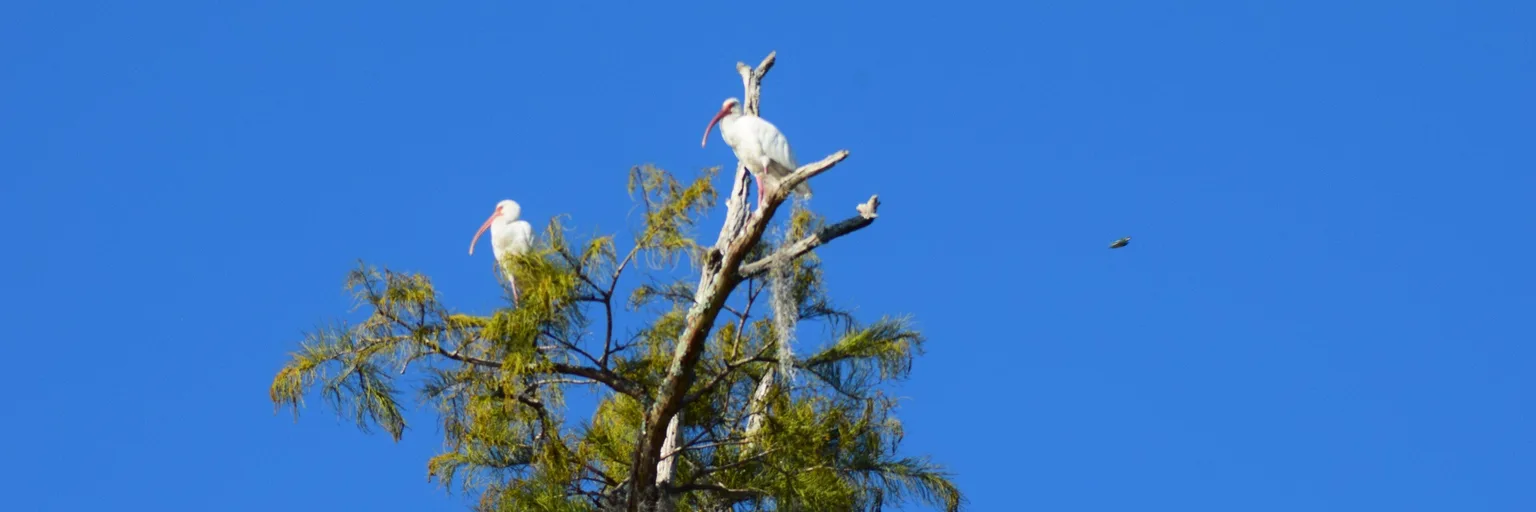
Okefenokee's UNESCO badge is a promise, and the swamp needs a plan
World Heritage status is drawing more visitors to Georgia's black-water swamp. The smart move is to decide how many it can take before the crowds arrive.
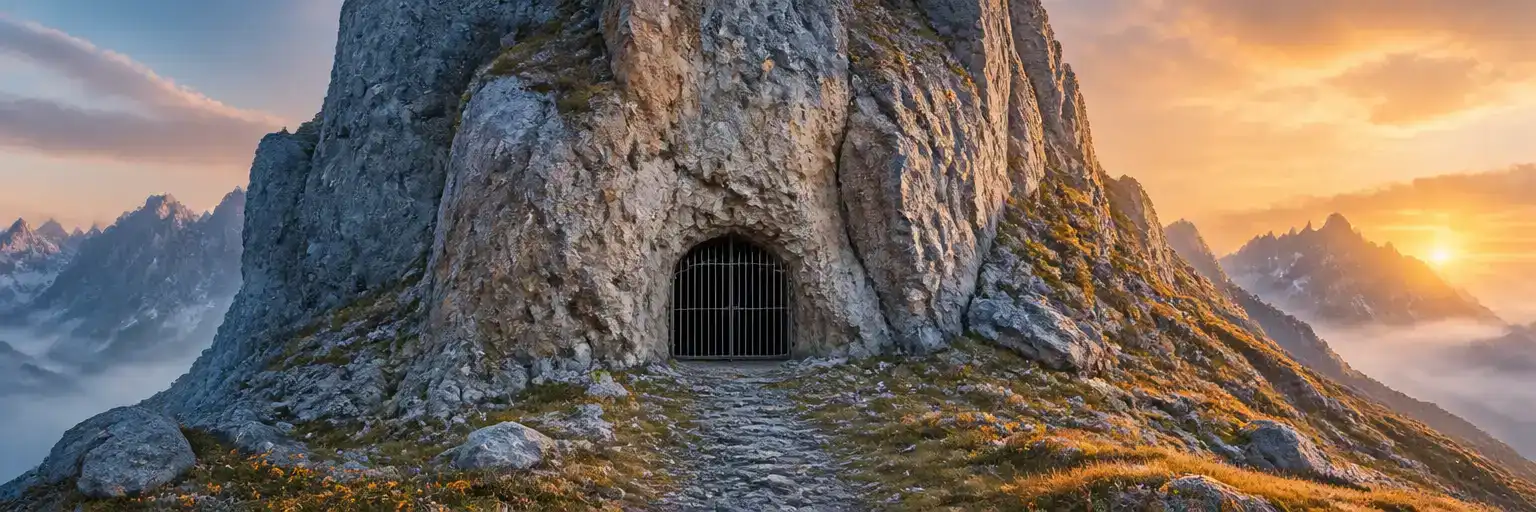
The Dolomites' cave bear grotto deserves a gate, not a selfie spot
A high-altitude cave full of prehistoric bear skeletons is a wonder. The best way to love it is to keep the crowds out and let science, and eventually a museum, tell the story.
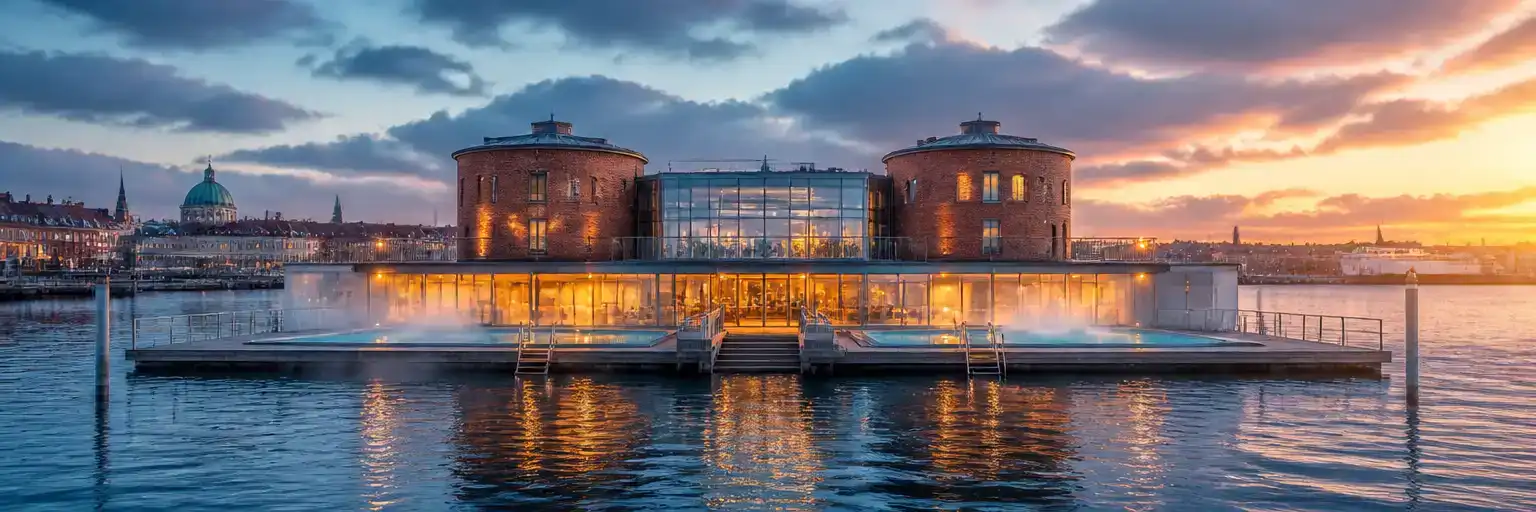
Copenhagen's Kai bathhouse shows a public pool can beat any monument
Kai, opening December 5 on Paper Island, gives Copenhagen a winter reason to visit without another monument. Its secret weapon: it's a public pool, not a private spa.
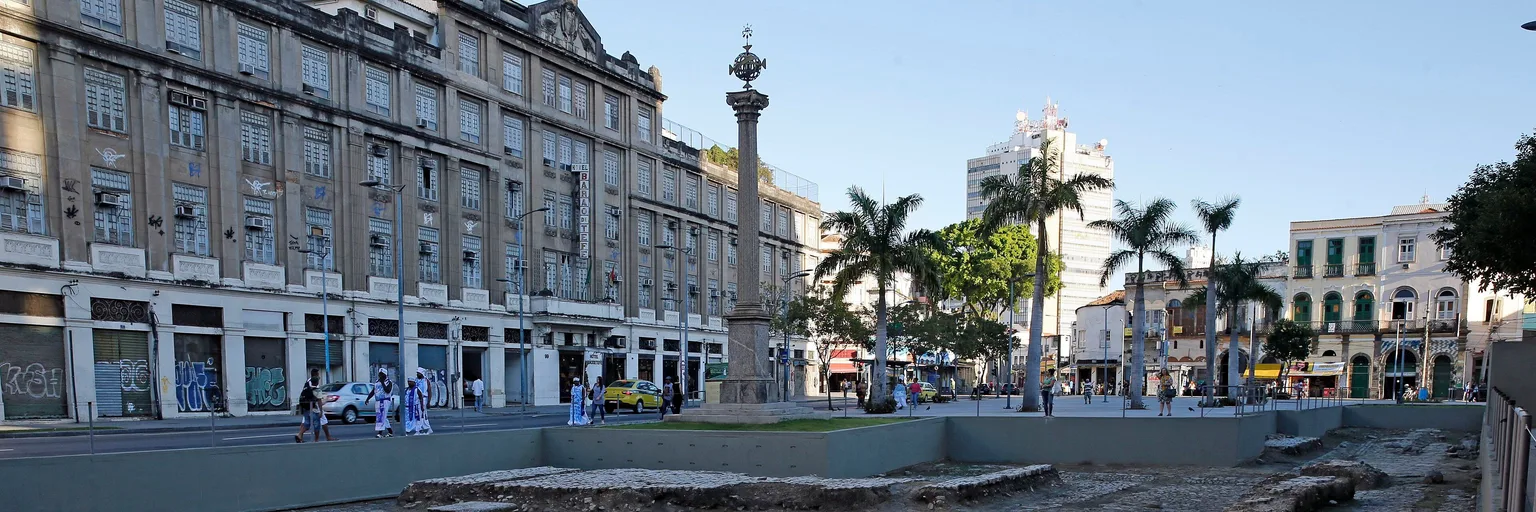
Brazil's slavery memory sites deserve visitors, not just plaques
UNESCO added Rio's Valongo Wharf, a Salvador society and Serra da Barriga to its slavery memory network. The recognition only matters if travelers come and Brazil funds honest storytelling.