The Dolomites' cave bear grotto deserves a gate, not a selfie spot
A high-altitude cave full of prehistoric bear skeletons is a wonder. The best way to love it is to keep the crowds out and let science, and eventually a museum, tell the story.
AI-generated image
What do you do when the mountains hand you a time capsule? If you run a travel feed, the reflex is to post the coordinates. If you care about the place, the answer is almost the opposite: close the door, and be proud of it.
That is the choice facing the Dolomites after a find that drew a great deal of media attention. In July, Brunico alpine guide Kurt Walde found a cave under the Cima di Conturines, just above the already known Conturines grotto, as ildolomiti.it reports. Inside are numerous cave bear remains, among them several almost complete skeletons of an animal that went extinct thousands of years ago.
Now the site is secured. According to Scintilena, the cave, at almost 2,800 meters in Val Badia, has been fitted with a grate and video surveillance, and an interdisciplinary scientific project will study the bones and sediments of a site that has stayed exceptionally well preserved. Other outlets say the Bolzano archaeological heritage office is starting research on the fossil remains in the Fanes-Senes-Braies park. (Some pages put the altitude closer to 3,000 meters; we'll stay with the more cautious figure.)
The best thing about this cave is that you can't go in
Let's be blunt: the fastest way for a fragile place to become a pin on a map is to treat it as an "experience" before anyone has studied it. A cave that stayed intact until now is valuable precisely because almost nobody has walked through it. Footsteps, torchlight, a stray souvenir bone: each is small, and each is irreversible. Science works by context, and a skeleton moved ten centimeters for a better photo is a skeleton that tells a worse story.
One Italian outlet put it vividly, describing the grate as protection against prehistory's "tombaroli", the looters. That sounds dramatic until you remember how quickly a widely publicized discovery can pull in the curious. In our view, the grate is not a killjoy gesture. It is the most generous thing anyone could do for the next hundred years of visitors.
We already know how this goes when curiosity wins
You don't need to look far for the pattern. In the Castelli Romani near Rome, the park authority has just ordered a bat cave, home to 123 greater horseshoe bats, closed from October 31, 2026 to April 4, 2027, with fines of 25 to 1,032 euros. The park pointed to a sharp rise in unregulated hiking into underground habitats, something that often starts from simple curiosity.
The scale and the animals are different, and we won't pretend the two cases are the same. But the logic carries over: the instinct to "just have a look" is the threat. And the Dolomites hardly lack visitors. They do not need one more stop on the checklist, least of all one at nearly 2,800 meters, where a rescue call would cost far more than a missed photo.
Museum-style access is the generous option
Closing a cave does not mean closing the story. In our view, the better model is to keep the original sealed and bring the experience to the valley. A well-made exhibit in Val Badia, with scans, casts and a researcher's explanation of what the sediments reveal, could do more for the local economy than a trail of day-trippers. It would also give visitors something a dark chamber never could: context.
There is a caveat. The research is only beginning, so nobody can honestly promise what the results will be, or when a public presentation could happen. We would treat any early talk of tours or "limited visits" as a rumor until the authorities say otherwise. Our prediction, and it is only that, is that the pressure will come from the tourism side first, not the scientific one.
What to do if you want to go anyway
Go to the Dolomites, absolutely. Walk the high trails, sleep in a hut, eat well in Val Badia, and let the mountains be the show. If the cave bears fascinate you, follow the research, not the coordinates, and be wary of anyone who claims to know a way in. Resist the urge to hunt for the entrance, post a location or share a pin.
Our verdict: this is one of those rare moments when a destination can say "no" and come out better for it. Keep the grate locked, keep the science loud and the guidebook quiet. In a few years, a museum-style visit could well be worth the trip precisely because the cave itself stayed untouched.
No topics yet: start the first one.
More stories
Copenhagen's Kai bathhouse shows a public pool can beat any monument
Kai, opening December 5 on Paper Island, gives Copenhagen a winter reason to visit without another monument. Its secret weapon: it's a public pool, not a private spa.

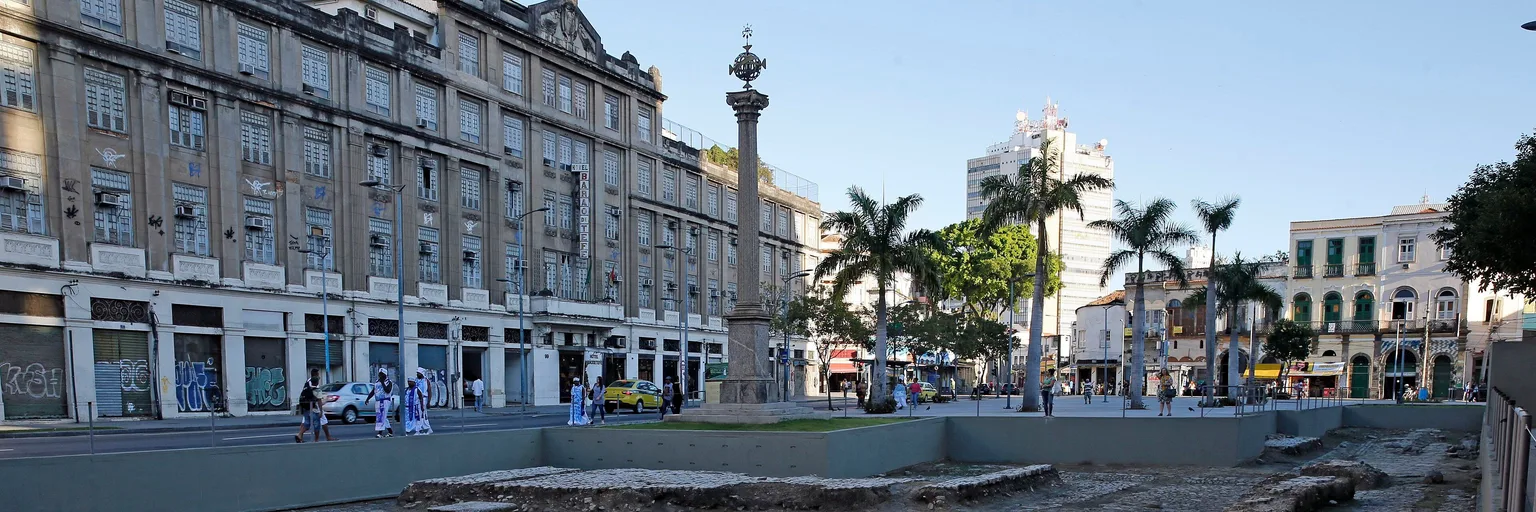
Brazil's slavery memory sites deserve visitors, not just plaques
UNESCO added Rio's Valongo Wharf, a Salvador society and Serra da Barriga to its slavery memory network. The recognition only matters if travelers come and Brazil funds honest storytelling.
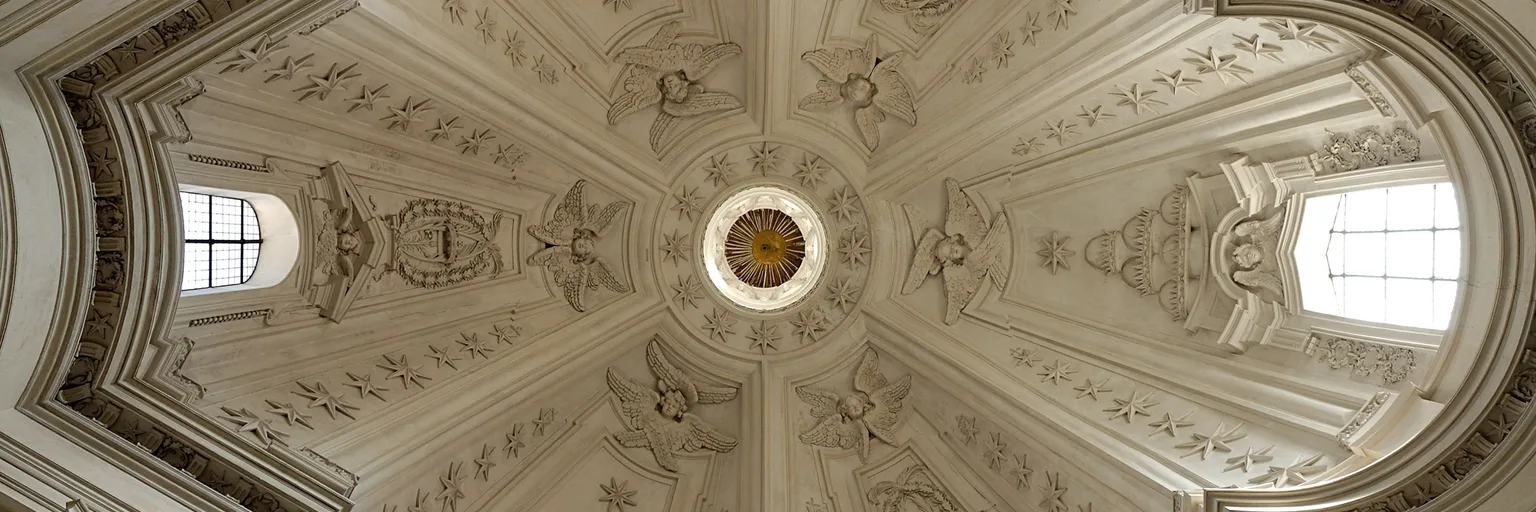
Rome's best sight right now is free: Borromini's Sant'Ivo is back
Sant'Ivo alla Sapienza reopened on October 27 with free weekday-morning entry. We think it shows that Rome's best moments often hide beyond the Colosseum line.
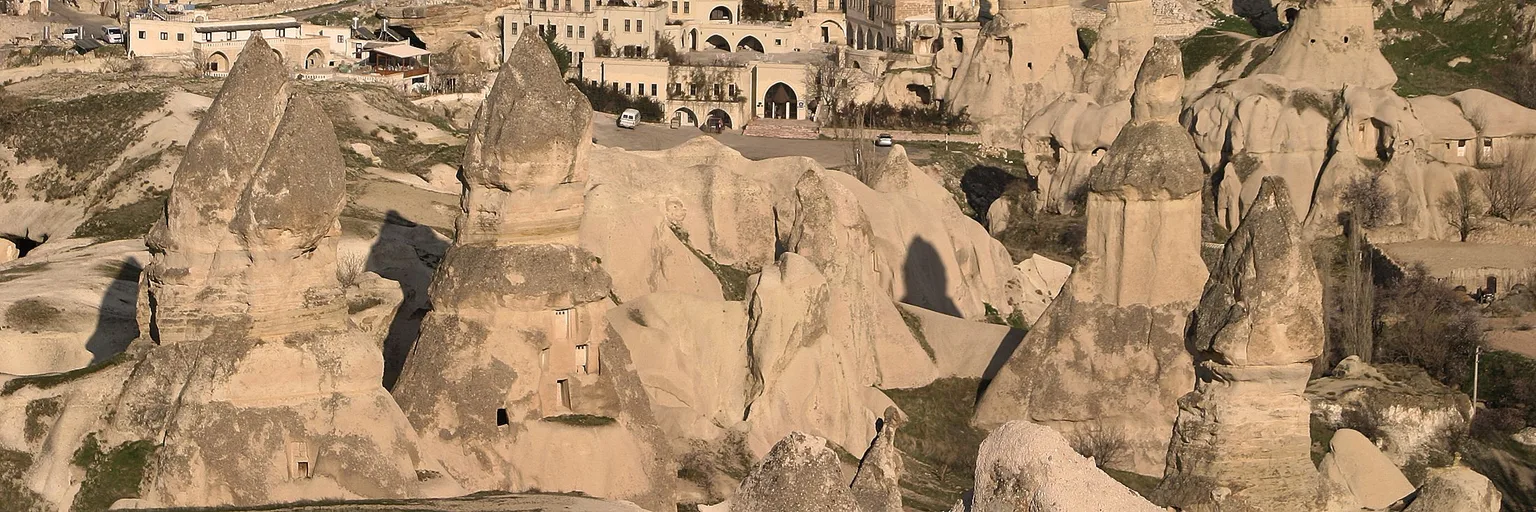
Cappadocia's deadly collapse shows icons need limits, not just viewpoints
A fairy chimney fell at Göreme and killed two people. The tragedy is a reminder that fragile landmarks need monitoring, closures and honest risk talk, not only photo-friendly access.