Brazil's slavery memory sites deserve visitors, not just plaques
UNESCO added Rio's Valongo Wharf, a Salvador society and Serra da Barriga to its slavery memory network. The recognition only matters if travelers come and Brazil funds honest storytelling.
Photo: Agência Brasil Fotografias / Wikimedia Commons (CC BY 2.0)
Can a plaque change how a country remembers? Almost never. A visitor standing in the right place, with the right guide and enough time to listen, sometimes can. That is the real test of UNESCO's latest decision in Brazil.
As Agência Brasil reports, three Brazilian places have been inscribed in UNESCO's Network of Sites of History and Memory Related to Slavery and the Trafficking of Enslaved People: the Valongo Wharf in Rio de Janeiro, the Sociedade Protetora dos Desvalidos in Salvador, and Serra da Barriga in Alagoas, home to the Quilombo dos Palmares Memorial Park. The network was created in 2024 under UNESCO's Slave Route program. Brazil's Ministry of Foreign Affairs put forward all three. Valongo has also been a World Heritage site since 2017.
The network is a start, but visitors give it teeth
Let's be honest about what an inscription like this does. It brings visibility, international contacts and, in the words of UNESCO's representative in Brazil, a chance for site managers to share good practices. It does not hire guides, repair a wall or write a good exhibit. That same representative, Marlova Jovchelovitch Noleto, spoke of turning memory sites into living spaces of knowledge, intercultural dialogue and human rights. We agree with the goal. Living spaces need people walking through them.
That is where travelers come in. Brazil's postcard image is beaches, carnival and rainforest. These three places tell a harder and arguably more important story about how the country came to be. A trip to Rio that includes the port zone, or a Salvador stay that makes room for the Centro Histórico, is a better trip for it. It is also a more honest one.
Three sites, three different stories, and that is the point
Historian Ivanir dos Santos, quoted in the coverage, describes the trio as three dimensions of one history: the violence of the transatlantic trade at Valongo, resistance and the search for autonomy at Serra da Barriga, and collective organization and solidarity at the Sociedade Protetora dos Desvalidos.
We think that mix is the smartest part of the selection. Memory tourism often stalls on suffering alone, and visitors leave sad but not much wiser. Salvador's society, founded in 1832 by Manoel Victor Serra and other free Black men and described as the first continuously operating Black civil institution in Brazil, shows people building something together under restrictive conditions. It is a different kind of visit, and in our view a necessary counterweight. According to Correio, its headquarters sit at Largo do Cruzeiro de São Francisco, 17, in Salvador's historic center, and the outlet lists a phone number and an email for contact. We would not assume any set visiting hours, so reach out before turning up.
Valongo carries a different weight. It is in Rio's port region, and it was singled out in the nomination because it preserves traces of one of the main points in the Americas where enslaved Africans were landed. Standing at a place like that without context is almost meaningless. With a good interpreter, it can be unforgettable.
Brazil has to pay for the story, not just the recognition
Here is the uncomfortable part. Dos Santos, in the same coverage, argues that institutional recognition must come with preservation policies, anti-racist education and the participation of Black communities in managing these spaces. We would go further and say it plainly: if the state wants the tourism dividend, it has to fund interpretation. That means trained local guides, clear multilingual explanation, accessible information and community voices in the content.
Without that, the risk is a familiar one. The site becomes a photo stop on a city tour, and the story is flattened to fit a schedule. The reverse is also possible. Done well, with communities in charge of how their history is told, these places could become some of the most meaningful stops in the country.
Our verdict
If you are planning Brazil, put at least one of these places on the route and give it real time, not twenty minutes between lunch and the beach. Book a local guide where possible, and ask who runs the place and who tells its story. Visitors can't fix funding gaps, but they can create demand for good interpretation.
As for Brazil, UNESCO has done its part. Now the hard, unglamorous work of staffing, funding and listening to communities has to follow, or this will stay a nice line in a press release.
No topics yet: start the first one.
More stories
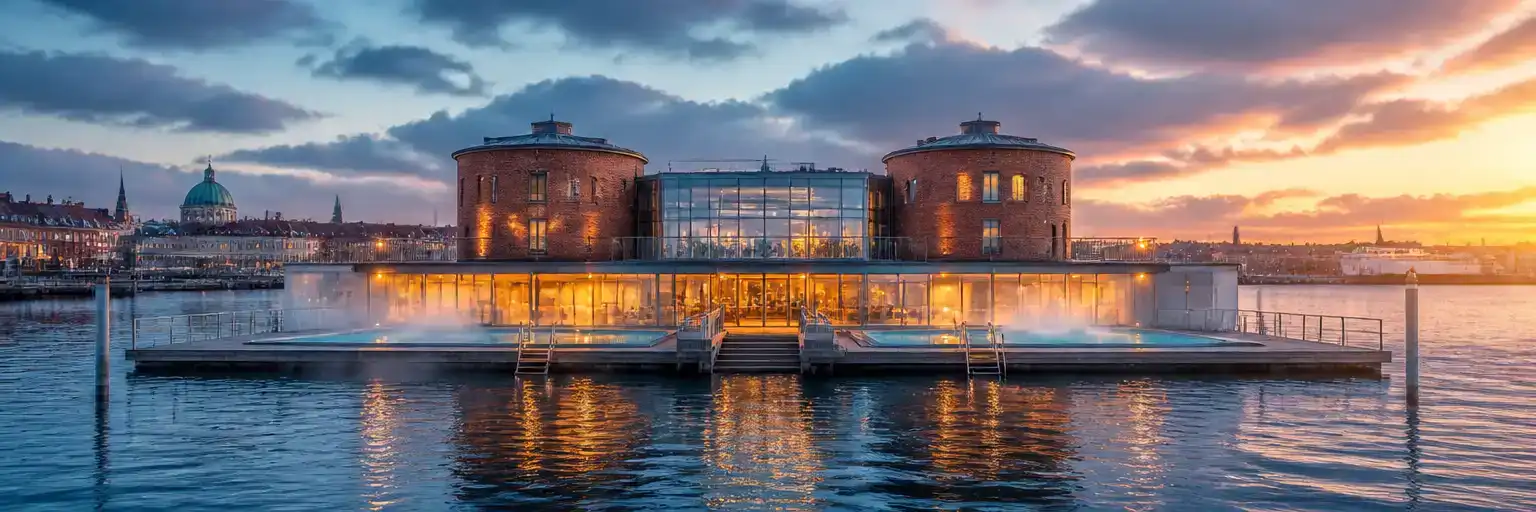
Copenhagen's Kai bathhouse shows a public pool can beat any monument
Kai, opening December 5 on Paper Island, gives Copenhagen a winter reason to visit without another monument. Its secret weapon: it's a public pool, not a private spa.
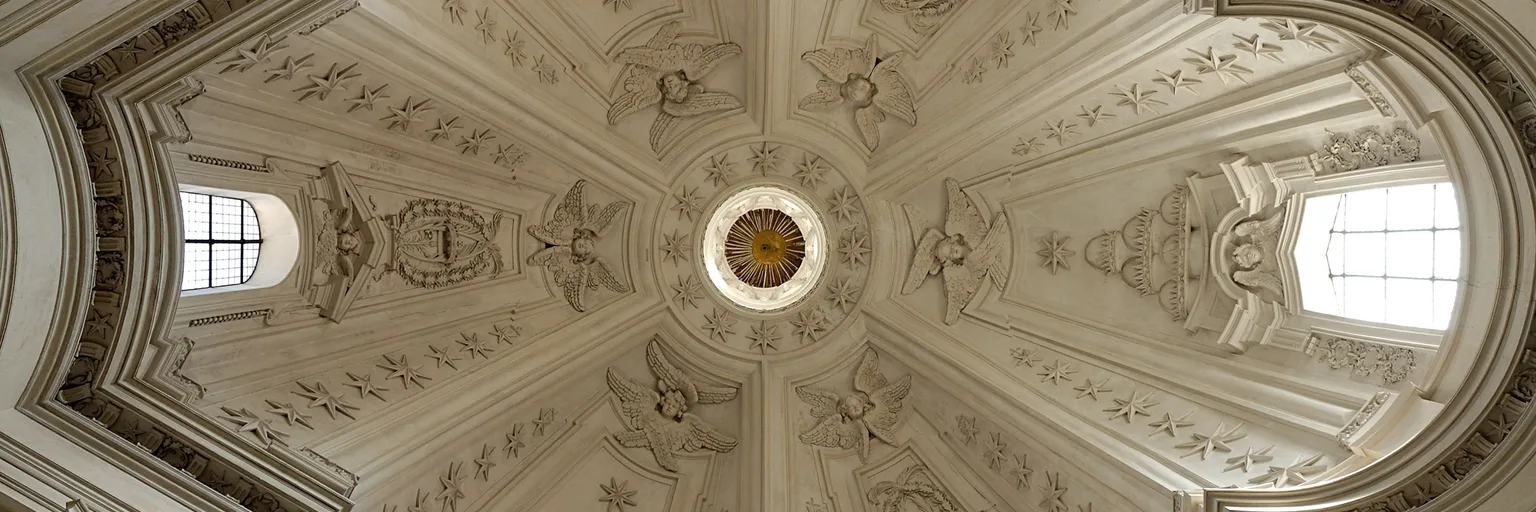
Rome's best sight right now is free: Borromini's Sant'Ivo is back
Sant'Ivo alla Sapienza reopened on October 27 with free weekday-morning entry. We think it shows that Rome's best moments often hide beyond the Colosseum line.
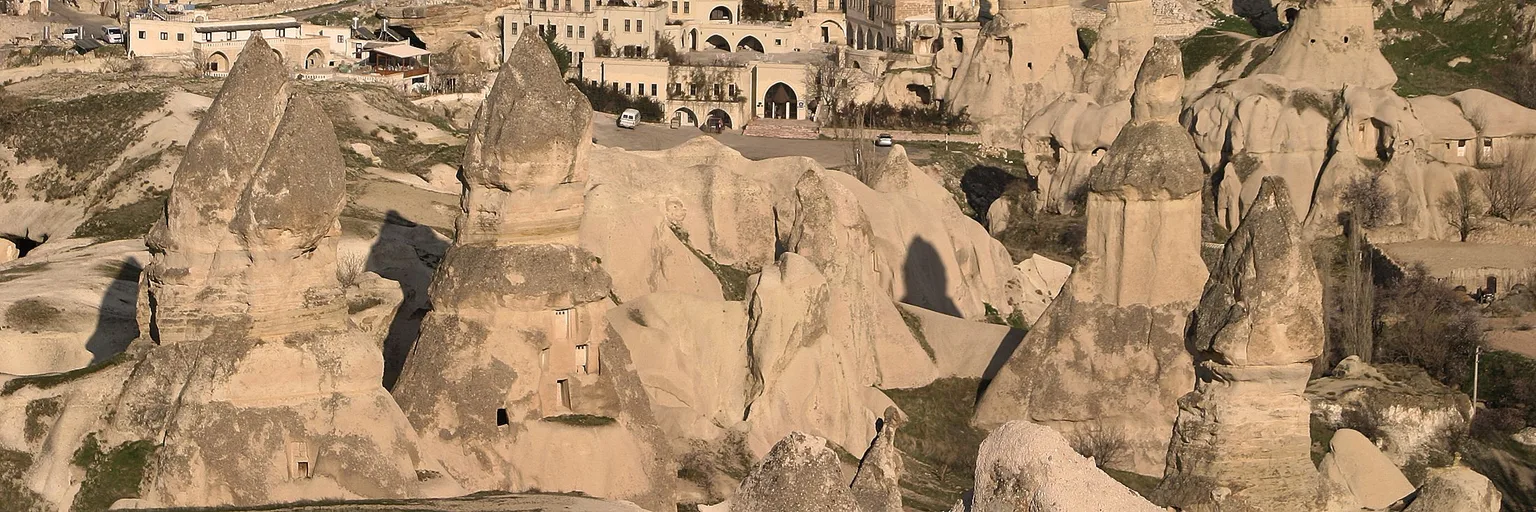
Cappadocia's deadly collapse shows icons need limits, not just viewpoints
A fairy chimney fell at Göreme and killed two people. The tragedy is a reminder that fragile landmarks need monitoring, closures and honest risk talk, not only photo-friendly access.
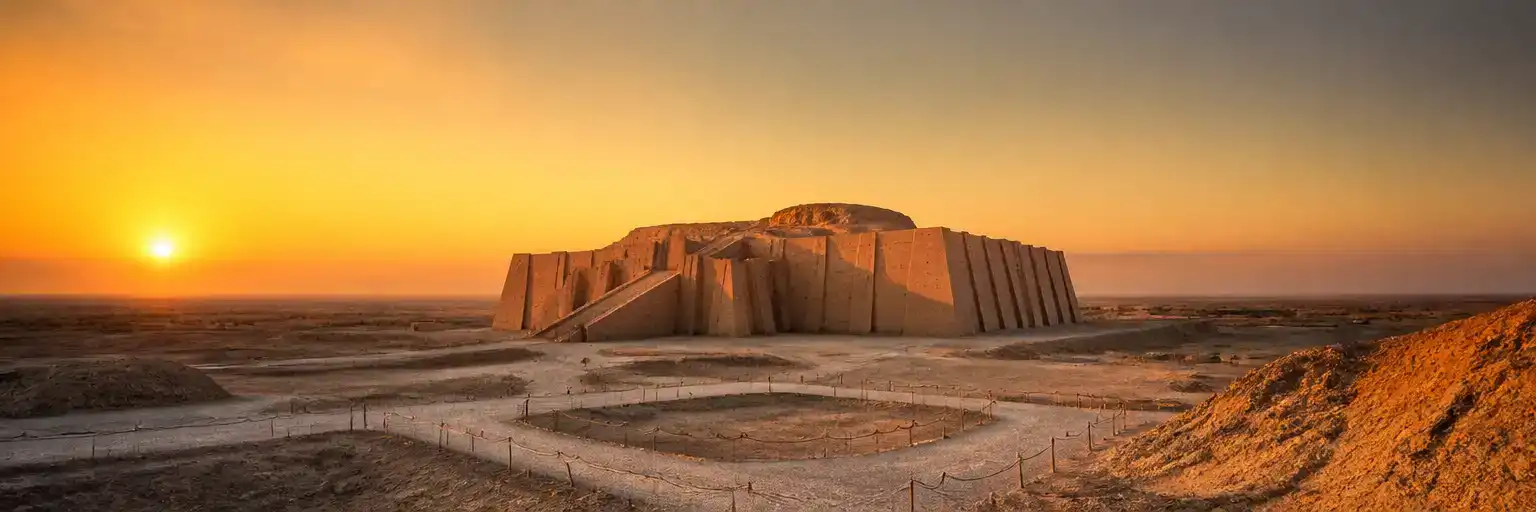
Iraq's new archaeological park is worth watching, but only if access is real
A Mesopotamian park near Baghdad is a rare chance to stand in the cradle of civilization, but it only counts as a destination once visitors get clear access and rules.