Norway's scenic toilets are a joke that only works if they work
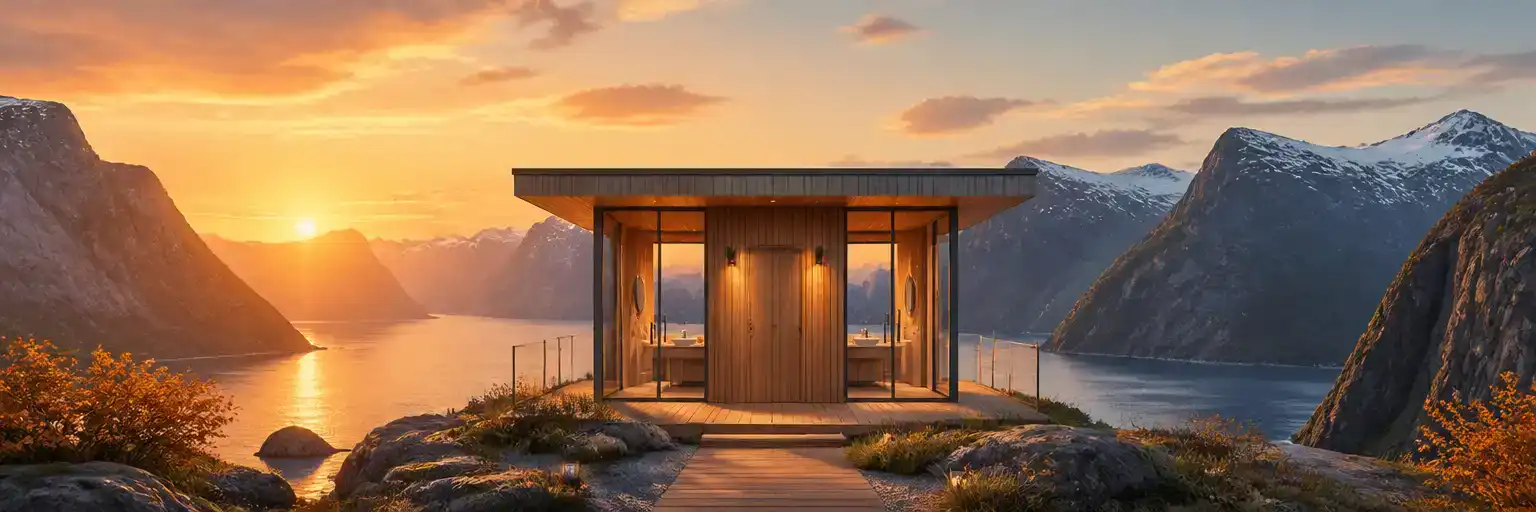
Visit Norway turned a presidential insult into viral gold, but a restroom with a fjord view only counts as tourism strategy if it eases real pressure on visitors and places.
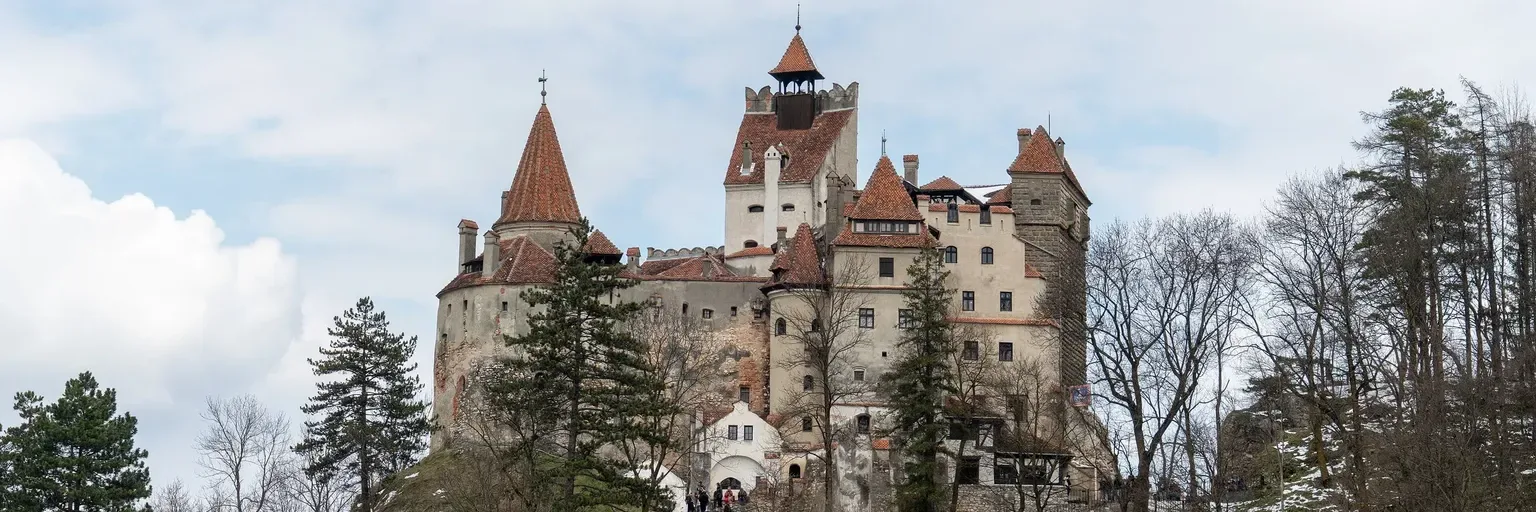
A planned €1 billion vampire park near Bucharest could put Romania on the map, but it only deserves a visit if it sends people on to Bran, Sighișoara and the villages.
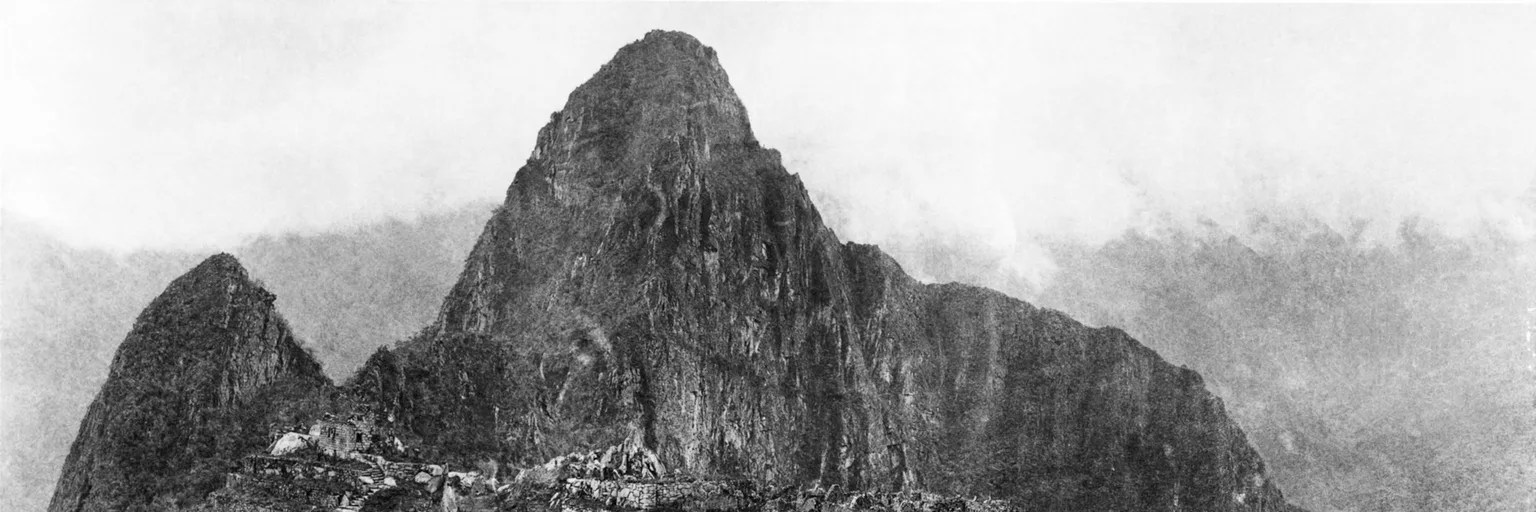
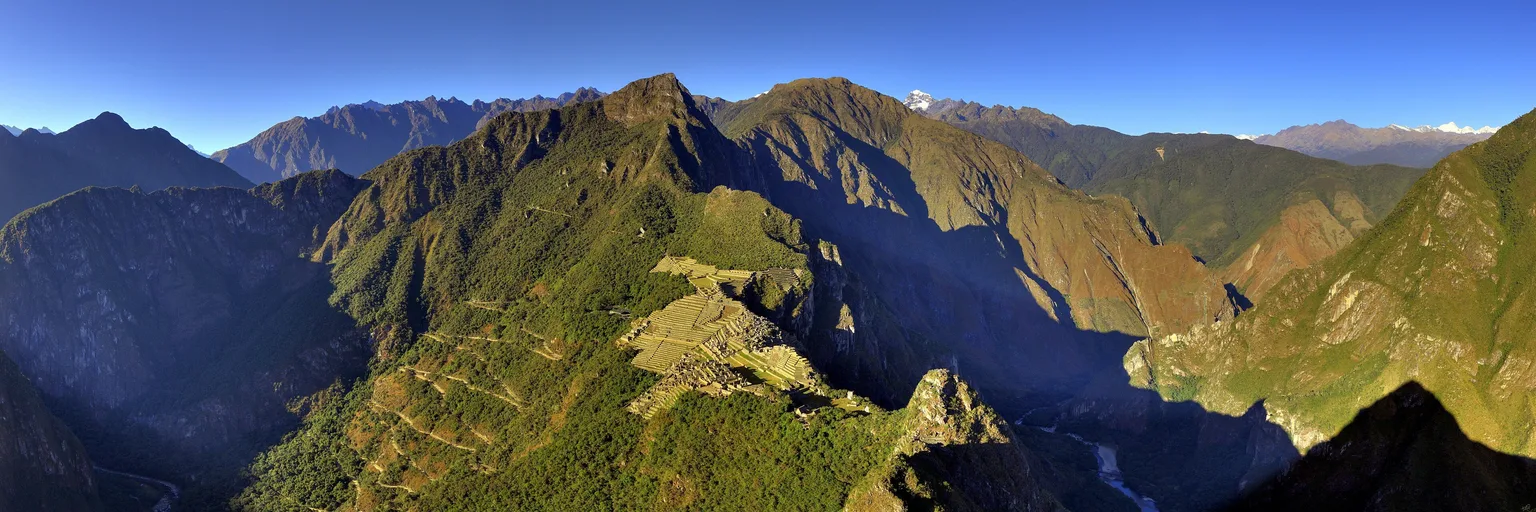
Fewer people at Machu Picchu is the best chance Peru has had in years to spread tourism across the country, provided it doesn't just rebuild the same crowds elsewhere.
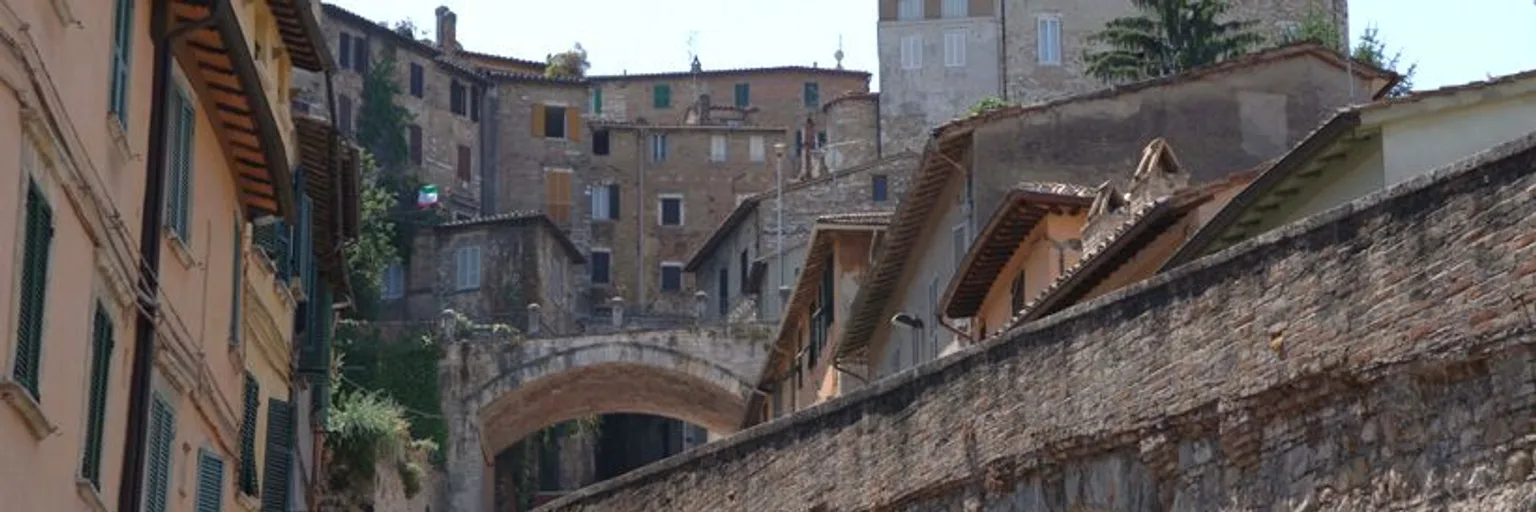
Expedia can put Perugia on more travel wish lists, but Umbria’s real opportunity is turning algorithmic curiosity into longer, more local and more balanced trips.
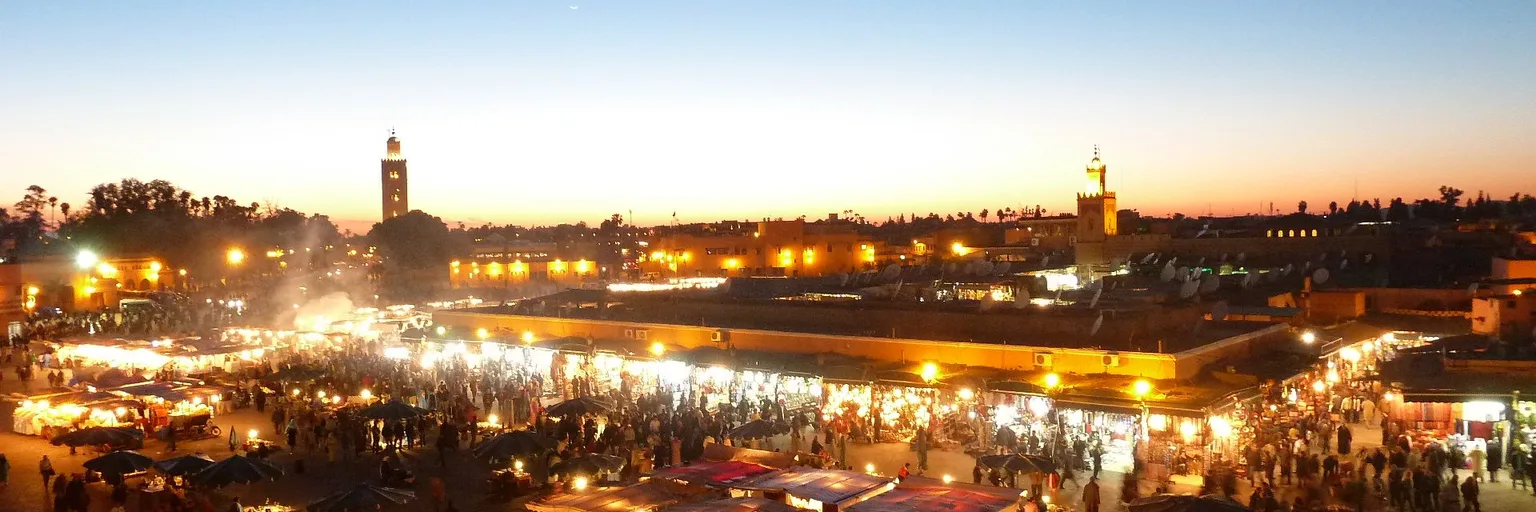
American interest in Morocco is rising after the 2026 World Cup, but the lasting prize will be longer, wider and more responsible journeys—not a brief burst of attention.
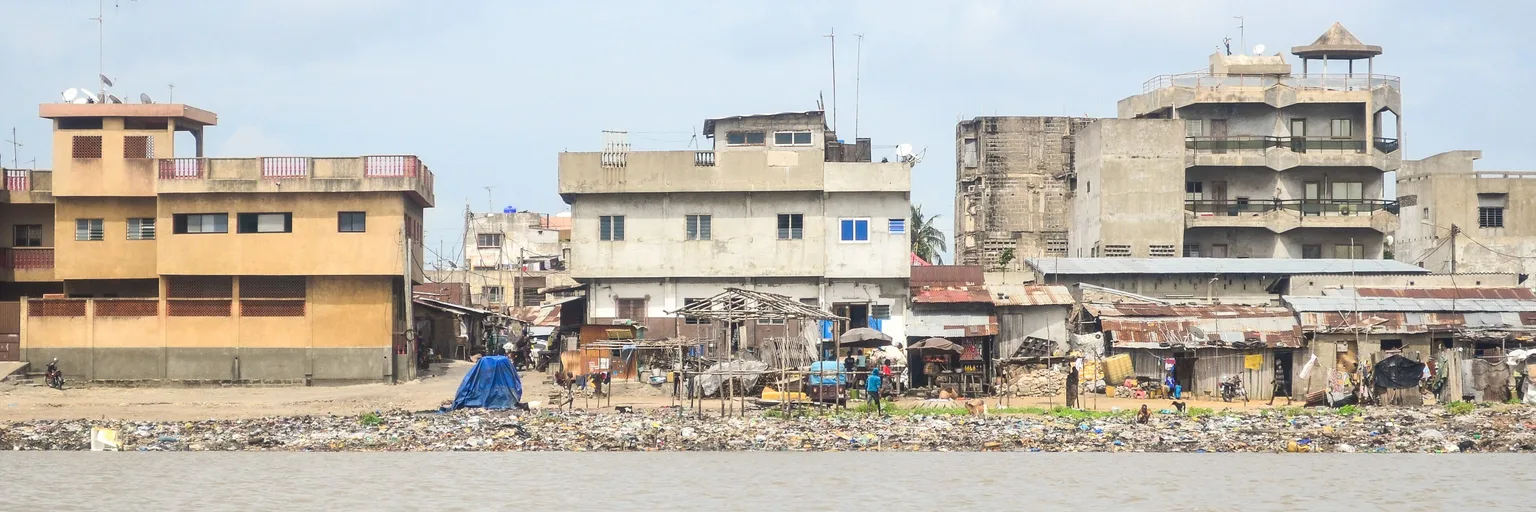
Benin can turn the 2027 Black Travel Summit into a meaningful bridge between Africa and its diaspora—if local communities shape the welcome.
The 2028 Beatles Story could bring longer, richer visits to Liverpool—but only if the band’s legacy leads travelers into the city rather than replacing it.
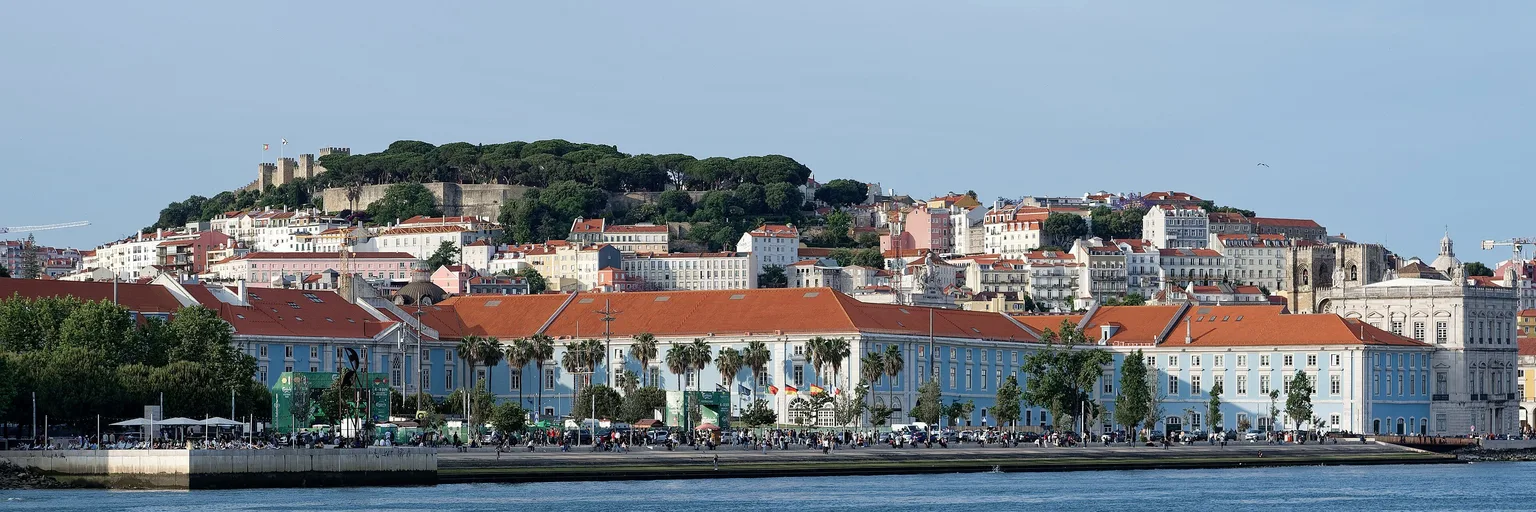
Lisbon’s 2026 awards validate its international appeal and coordinated tourism pitch, but they cannot settle the harder question: who benefits from the city’s success?
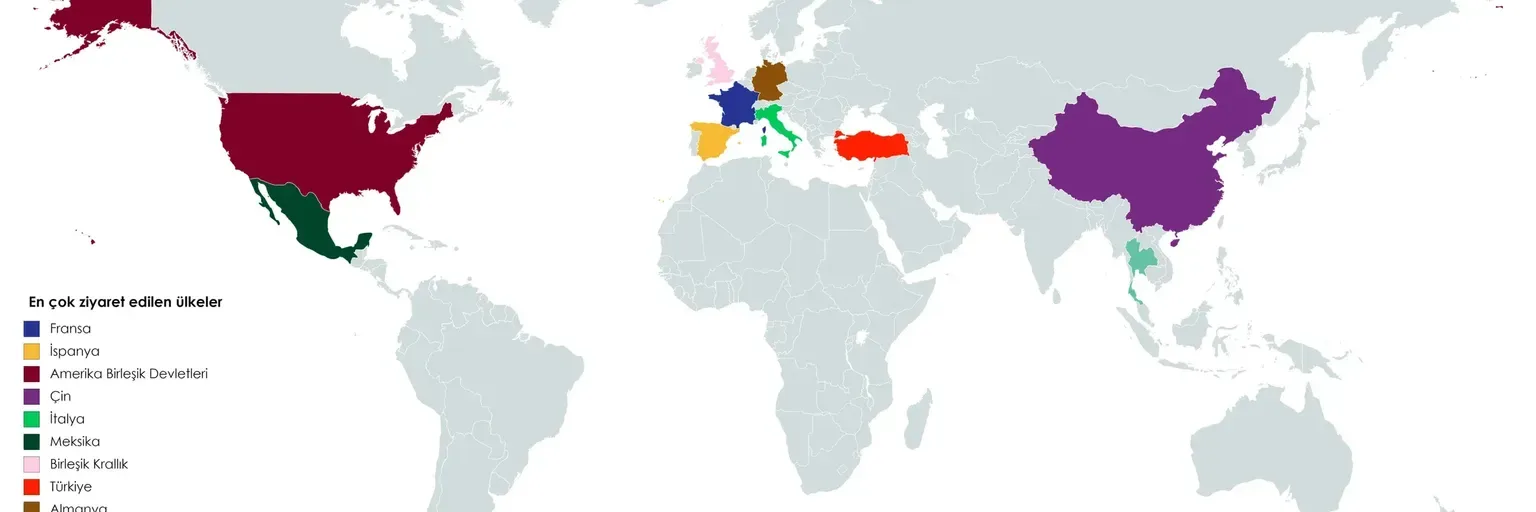
The 2026 tourism leaders show that beauty gets travelers through the door, but access, variety and constant reinvention are what keep them coming back.
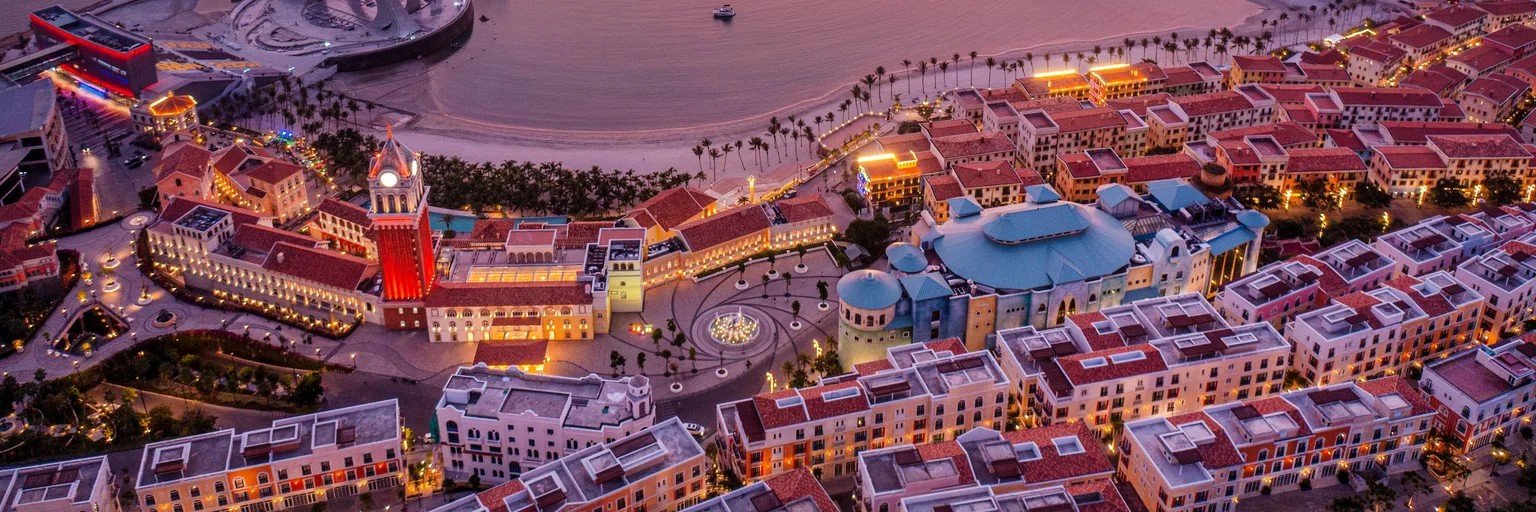
Vietnam's Phu Quoc island is rapidly outshining established tourist hubs, showcasing a strategic blend of natural allure, innovative development, and proactive policy, poised for global recognition with APEC 2027.
Taiwan's innovative strategy, rewarding returning international visitors, establishes a new standard for national tourism, fostering loyalty and sustained growth beyond transient trends.
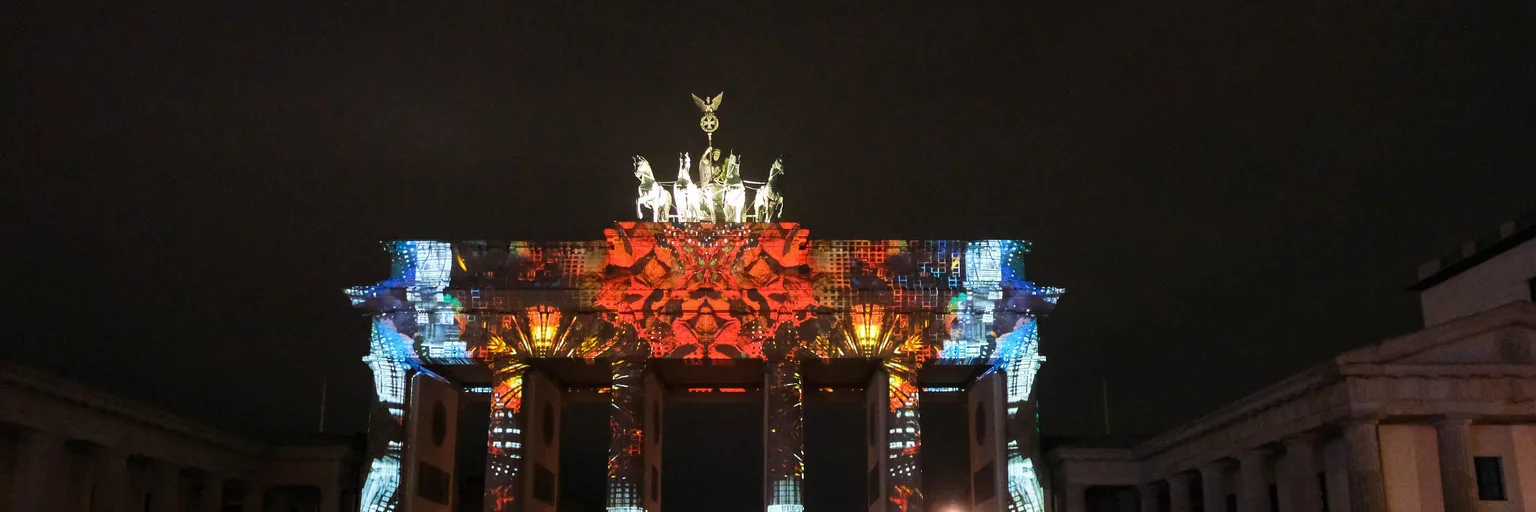
Berlin's acclaimed Festival of Lights illustrates how cities can strategically transform traditionally quieter months into vibrant economic and cultural draws, proving that darkness can be as magnetic as summer sunshine.
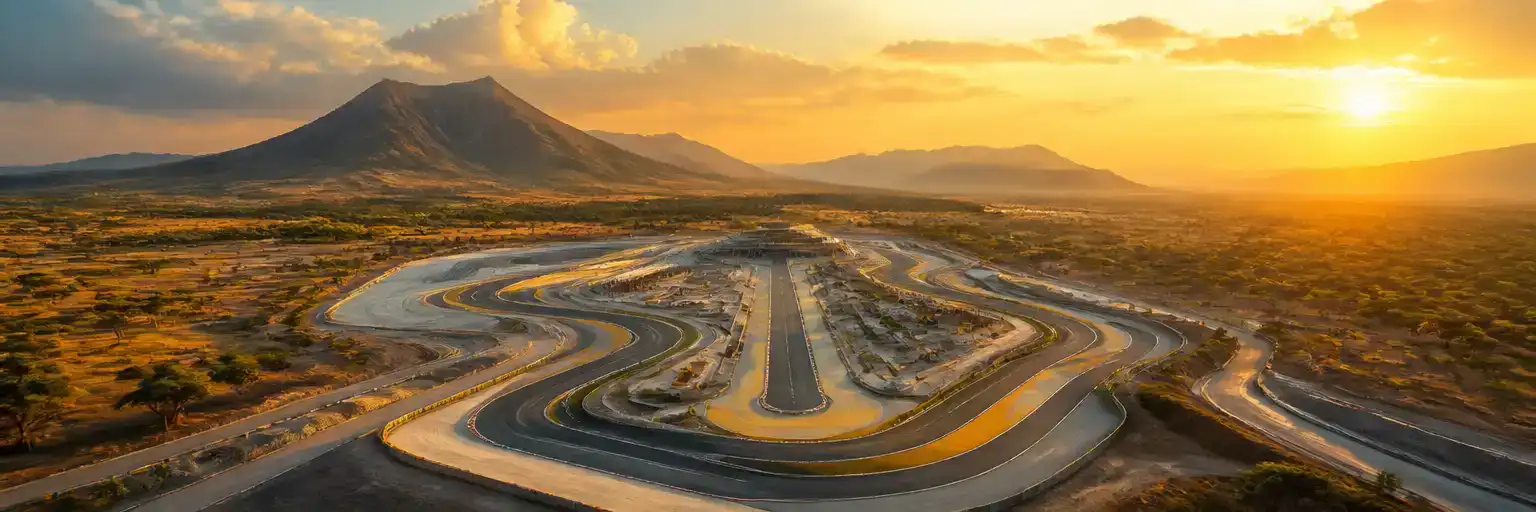
Rwanda's audacious 10-year deal to host Formula 1 from the early 2030s is a high-stakes strategy, aiming to redefine the nation as a global hub for sports, tourism, and investment in Africa.
Machu Picchu's ninth consecutive win as South America's top attraction highlights Peru's strategic embrace of a sustainable, diverse tourism model, offering crucial lessons for global destinations.