Machu Picchu's dip is a chance, not a crisis, if Peru spreads visitors wisely
Fewer people at Machu Picchu is the best chance Peru has had in years to spread tourism across the country, provided it doesn't just rebuild the same crowds elsewhere.
Photo: Hiram Bingham III / Wikimedia Commons (Public domain)
Is it bad news when the most famous ruin in South America gets fewer visitors? Headlines love the word "crisis." We think the better word is "opportunity," and it is one Peru shouldn't waste.
The numbers first. According to Infobae, the Historic Sanctuary of Machupicchu received 979,828 visitors between January and August 2024, 1,019,725 in 2025 and 961,809 in 2026. Infobae's headline frames it as travelers turning to other attractions. We have no visitor figures for any specific alternative, so what follows is an argument about where Peru should steer people, not a claim about where they are already going.
A modest dip is not a collapse
Put that 2026 figure in context. It is lower than both 2025 and 2024, so the dip is real. But it is a modest one, a correction rather than a free fall. A real crisis looks different: a 2023 report from Noticial al Día described unrest costing the country 25 million soles a day, with hotel occupancy down 83%. Nothing in this year's numbers resembles that.
Our reading is that Machu Picchu has not lost its appeal. Some travelers are simply choosing differently, and for a site many people have long felt is stretched to its limits, fewer people on the terraces is hardly a tragedy. The risk is that Peru reads the dip as an emergency and responds by pushing volume back up.
Paracas is a natural pressure valve, and it's easy to reach
If you want a candidate for spreading visitors, the south coast makes a simple case. Paracas is about a 3.5-hour bus ride south of Lima, according to In Between Travels, which puts the Cruz del Sur fare at about €10. Add boat trips to the Ballestas Islands, where the same guide mentions sea lions, penguins and seabirds, and you get a wildlife-and-desert experience that, in our view, pairs well with a Cusco trip rather than replacing it.
The Ballestas are often nicknamed the "Galapagos of Peru," and the nickname is not entirely marketing fluff: it signals a different kind of trip, built around nature instead of stone. That diversification matters. A country that sells only one icon is fragile, and one that offers a coastal reserve alongside a high-Andes citadel is more resilient.
The trap: rebuilding the Machu Picchu queue on the coast
Here is where we'd be cautious. The same guide describes a harbor that can be "a bit chaotic" with groups boarding at the same time, and notes that all tour groups seem to end up on the same boats. To us, that looks like an early sign of a bottleneck.
The Paracas National Reserve offers a way out. As The Only Peru Guide points out, most visitors spend two hours on a boat and then head straight to Huacachina, leaving the reserve's 335,000 hectares largely unexplored. Spots like Red Beach are typically uncrowded even in high season, partly because day-trippers don't get that far. The lesson: spreading visitors is not only about sending them to a new place, but about keeping them longer, and spreading them within a place.
Our recommendation to Peru's authorities and operators is to sell the overnight stay, not the day trip. One night lets travelers explore the reserve on their own schedule and take the early boat the next morning, as In Between Travels suggests with its 8 a.m. departure. We think that is better for visitors and better for local businesses, and it should keep boat departures from piling into the same slots.
Our verdict
Don't mourn Machu Picchu's dip and don't try to reverse it at any cost. Use it to sell a wider Peru: the citadel for those who want it, the south coast for wildlife and desert. The test of success will not be whether total arrivals rise. It will be whether the next hotspot gets the planning Machu Picchu needed years ago. If you are traveling, book Machu Picchu early, since Inca Trail permits can sell out months ahead, and give Paracas a night rather than a morning.
No topics yet: start the first one.
More stories
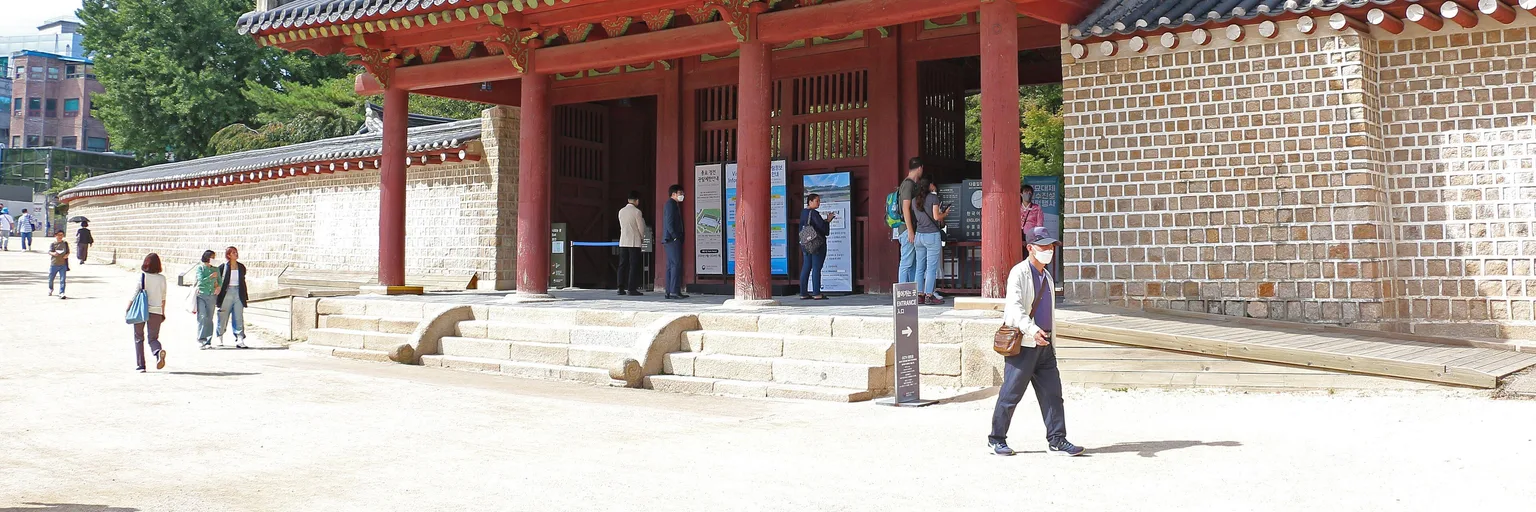
Seoul should choose Jongmyo: a height cap shows how fragile a UNESCO view is
A 145-meter cap 180 meters from Jongmyo's gate shows that World Heritage status depends on a city's will to guard its sightlines. Travelers should notice, and Seoul should choose the shrine.
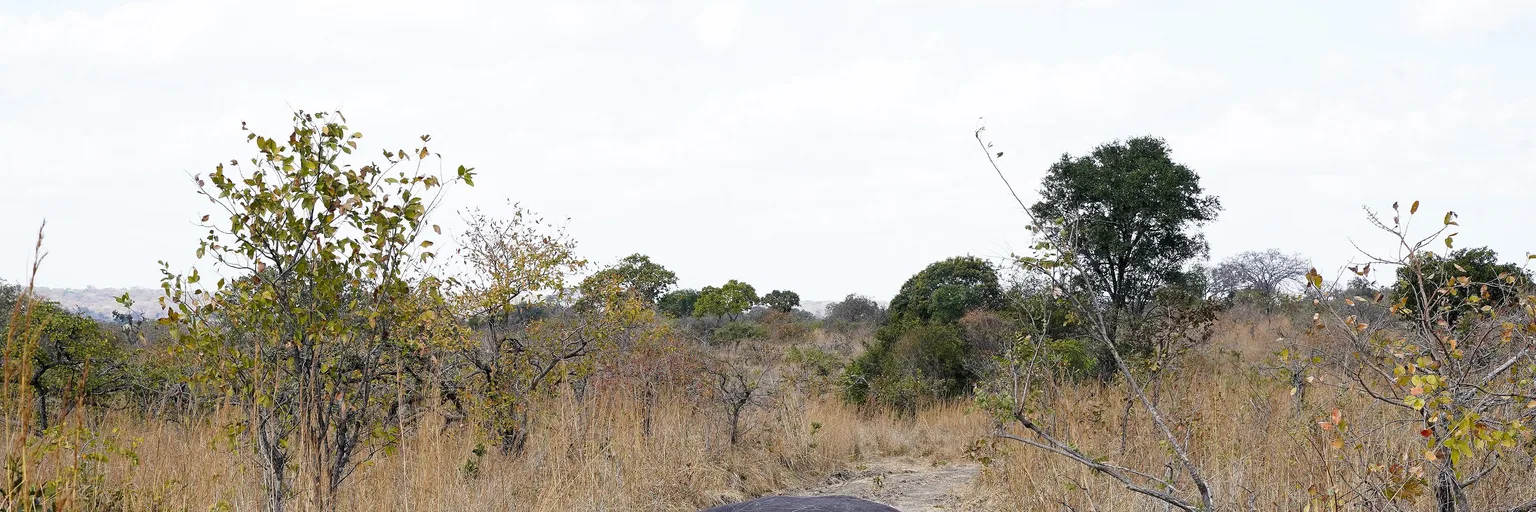
Kafue's luxury camps only earn trust if the poaching turnaround lasts
A 13-suite Anantara camp and African Parks' anti-poaching gains show high-end safari can help conservation, but only if it stays small, steady and open about its numbers.
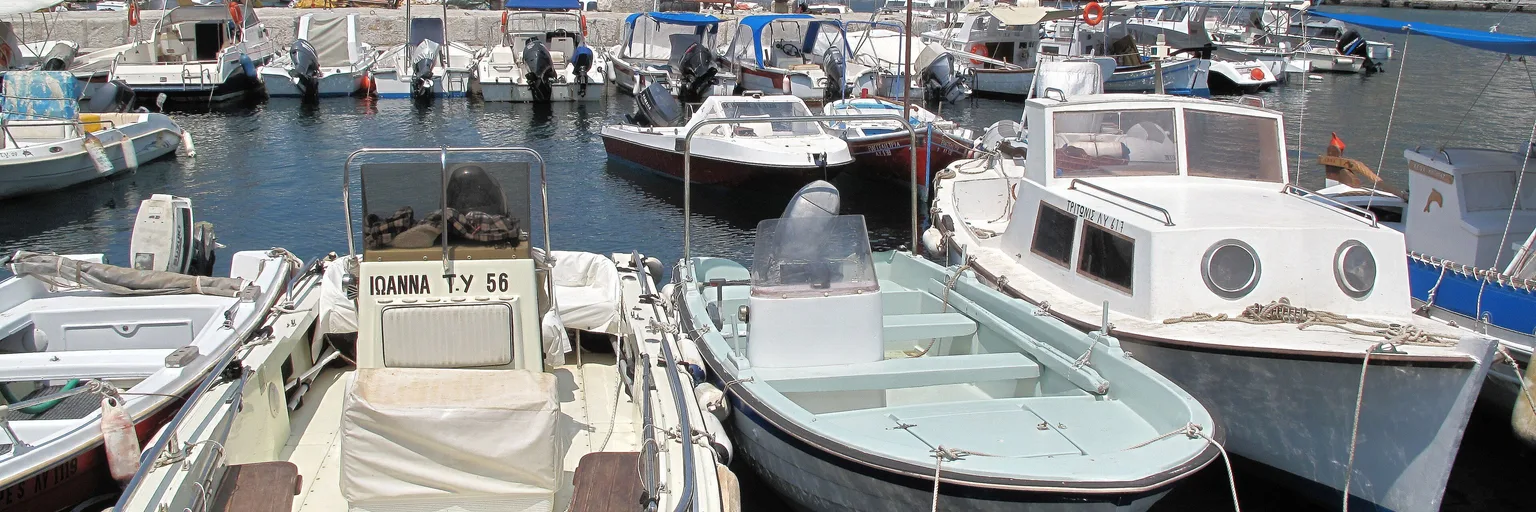
Hydra beat Mykonos by banning the car, and that's the point
Hydra topping Europe's island ranking isn't a fluke: readers are rewarding silence, walkability and identity over fame. Other islands should copy the model, not the hype.
Oxford Street finally goes car-free, and the hard part starts now
Pedestrianizing London's busiest shopping street is overdue and good for visitors, but it only works if buses, accessibility and the street's tired retail mix get fixed too.