Liverpool’s Beatles mega-attraction must be a doorway, not a destination
The 2028 Beatles Story could bring longer, richer visits to Liverpool—but only if the band’s legacy leads travelers into the city rather than replacing it.
AI-generated image
What if Liverpool’s greatest tourism asset became its biggest limitation? The Beatles are an extraordinary reason to visit, but a city cannot thrive on a single story forever. The planned expansion of The Beatles Story is therefore more interesting than a simple museum announcement: it is a test of whether cultural heritage can create deeper journeys, not merely larger queues.
Apple Corps Ltd. plans to move the attraction from Albert Dock to the former St Johns Market site in 2028. The new home, directly opposite Liverpool Lime Street station, will cover 100,000 square feet—more than four times the current footprint—and will be paired with a Yellow Submarine-themed viewing experience at St Johns Beacon, according to The Beatles Story. Paul McCartney and Ringo Starr have publicly welcomed the plan, while ticket proceeds are intended to support emerging Liverpool artists and local cultural projects.
That combination matters. This is not just an expanded exhibition. It is an attempt to turn the Beatles’ heritage into a major urban anchor, close to the point where many visitors arrive and high above the city they came to understand.
The smartest move is putting the story at the city’s front door
The relocation is strategically stronger than a bigger building at the same address. A site opposite Liverpool Lime Street station gives the attraction immediate visibility and makes it much easier to fold into a short city break. Visitors arriving by train will encounter the Beatles story before they have even decided what kind of Liverpool trip they want.
That convenience could be transformative—but convenience alone is not tourism strategy. The danger is that travelers walk into the attraction, collect a polished version of the band’s history, take in the view from the Beacon and leave with Liverpool reduced to a backdrop. A central location should work as an invitation to explore, not as a sealed container for the city’s identity.
The planned experience has the scale to become a substantial part of a visit. It will use immersive technology, original artifacts and reconstructed sets to trace the band’s journey from post-war Liverpool through Hamburg, Beatlemania and international fame. Visitors will be able to enter recreated versions of places including The Cavern, Abbey Road, Shea Stadium and Savile Row. The Liverpool Echo reports that the attraction is expected to open in 2028, alongside a cinema release of Sam Mendes’ four-film Beatles event.
That is a powerful proposition for fans. It is also precisely why the city needs a second proposition ready next door: Liverpool itself.
The panoramic view should send visitors back down into Liverpool
The St Johns Beacon element may be the most important part of the plan. A 360-degree view can do more than provide a memorable finale; it can turn the Beatles narrative into a map. From above, visitors should see not only landmarks associated with pop history but a living city with neighborhoods, creative spaces, food, architecture and other reasons to stay out longer.
The attraction will operate as a standalone experience, with the option to bundle it with The Beatles Story. In our view, that structure is useful because it leaves room for a broader itinerary. A traveler who books the museum and viewpoint should not be treated as having completed Liverpool. The best version of this project will make the city feel larger after the visit than it did before it.
This is where the attraction’s timing could help. Its opening follows the planned April 2028 release of the four-film cinematic event, and sets and props from those films are expected to appear in the immersive experience. That creates a clear international moment. But cinematic attention is temporary; the city’s challenge is to convert that burst of interest into reasons to return, wander and spend time beyond the official Beatles route.
The Beatles should fund Liverpool’s next musical chapter
The promise that every ticket will contribute to The Apple Corps Liverpool Trust is more than a feel-good detail. It is the project’s strongest argument against over-commercialization. If the attraction celebrates Liverpool’s musical past while helping emerging artists build its future, heritage becomes a resource rather than a shrine.
The scale of the plan makes that commitment essential. Apple Corps describes the new venue as its first official fan experience to be operated in Liverpool, and the company’s chief executive has compared the ambition with Graceland and Dollywood. AP News describes the project as an expanded Beatles Story attraction, but the more revealing question is what “expanded” means for the local cultural ecosystem.
A successful model would connect visitors with the city’s current creators, not only with carefully reconstructed rooms from the past. It would make the ticket’s charitable contribution visible and meaningful, while encouraging travelers to seek out Liverpool’s wider cultural life. Otherwise, the Trust risks becoming a footnote attached to a very large commercial machine.
Liverpool wins only if visitors resist the one-day itinerary
For Beatles fans, the new attraction will likely be a compelling reason to return or finally make the trip. For everyone else, its value will depend on whether it broadens curiosity. The planned multi-hour experience and separate Beacon visit could encourage longer stays, but that outcome is not automatic. A visitor can still treat both as a single efficient stop.
The city should therefore resist presenting the Beatles as a complete answer to the question of what Liverpool is. The band’s story began in a particular place, among particular communities and ambitions; it should open a conversation with those places rather than flatten them into scenery. Even the official narrative described by Apple Corps—moving from the streets of post-war Liverpool to the world and back home again—contains the right idea. The journey should not end at the gift shop.
Our verdict is positive, with a condition. Liverpool should welcome this mega-attraction as a gateway to the city’s heritage, not as a substitute for it. Fans should absolutely plan around the new Beatles Story when it opens in 2028, but the smartest visit will leave time for everything the attraction’s elevated view is designed to reveal: a Liverpool that is still making its story.
No topics yet: start the first one.
More stories
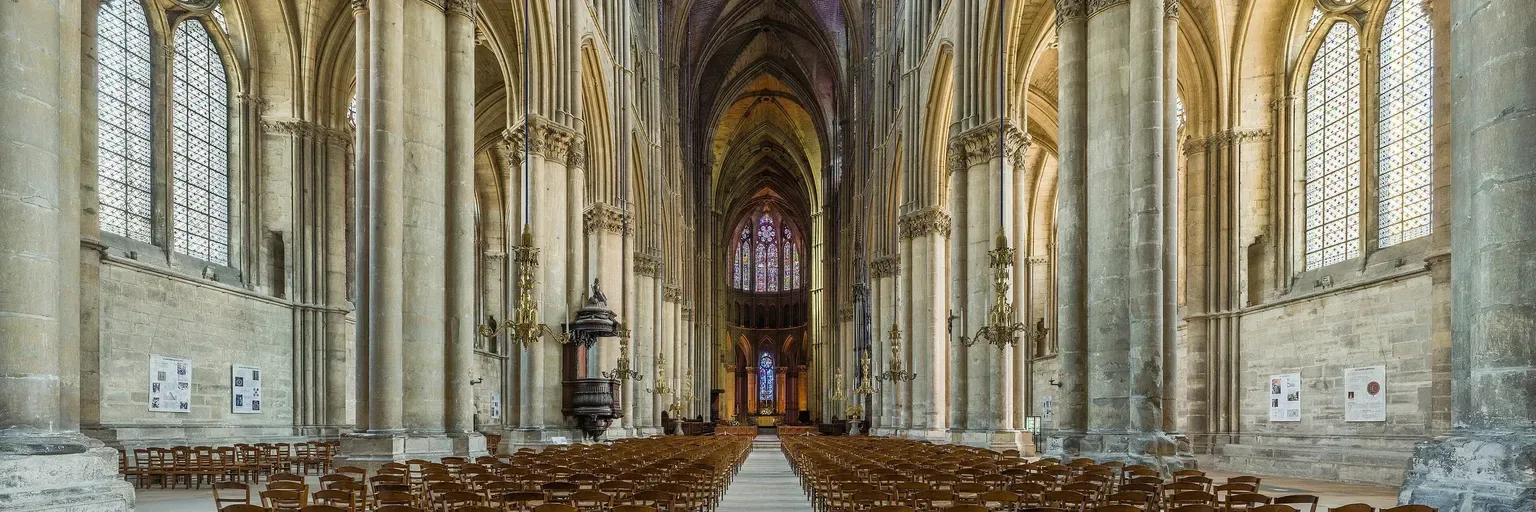
Reims Is Trending for 2027. Champagne Must Pace the Growth
Booking.com has included Reims among its highlighted destinations for 2027. The opportunity is real—but so is the need to spread visits beyond the obvious stops.
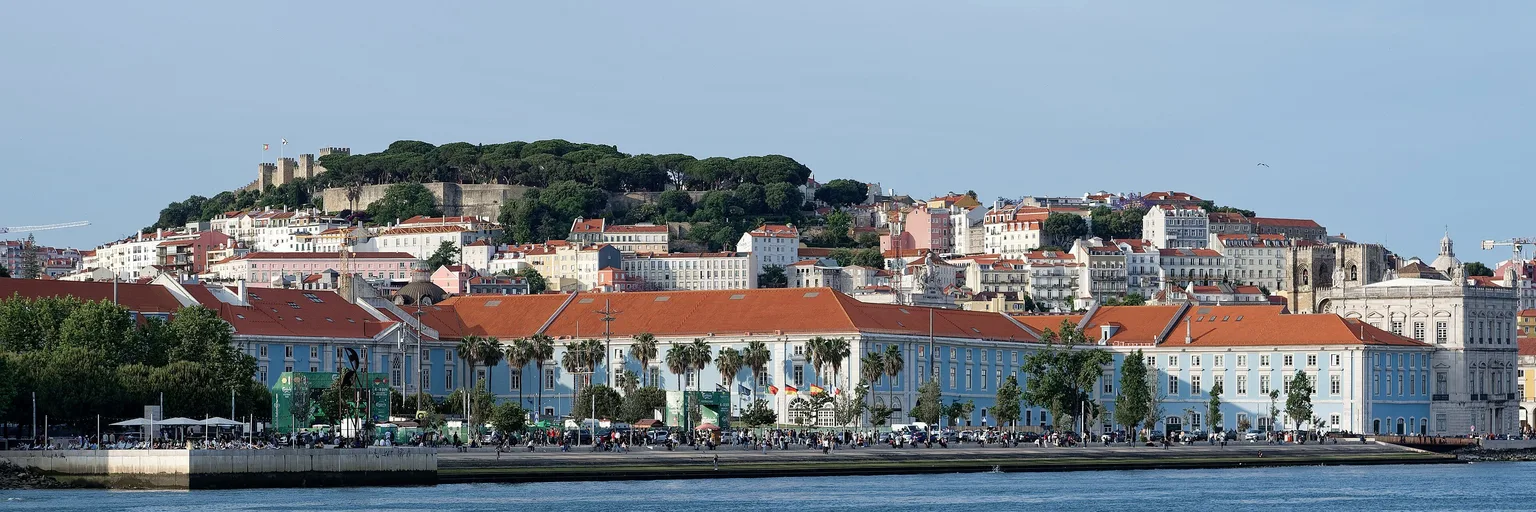
Lisbon’s double win proves a tourism strategy—not a perfect city
Lisbon’s 2026 awards validate its international appeal and coordinated tourism pitch, but they cannot settle the harder question: who benefits from the city’s success?
The Most Visited Countries Win by Making Familiar Places Feel New
The 2026 tourism leaders show that beauty gets travelers through the door, but access, variety and constant reinvention are what keep them coming back.

Beyond the Alcázar: How Woody Allen Is Redefining Madrid Tourism
The decision to film his latest movie in Madrid, coupled with the director's effusive praise for the city, is a deliberate strategy to elevate the capital's global appeal and attract a new wave of visitors.