Birdwatching Is the Smarter Way to Travel With a Purpose
Bird-focused trips turn a fleeting natural moment into a reason to explore rural destinations—provided tourism protects the habitats that make the journey worthwhile.
Photo: Unknown author Unknown author or not provided / Wikimedia Commons (Public domain)
What if the best reason to visit a destination was not a landmark, a restaurant or a festival, but a bird that may be there for only a few weeks? That is the real promise of birdwatching tourism: it replaces the passive sightseeing checklist with a purpose, a season and a living landscape.
The shift is no longer marginal. Vogue recently framed bird-focused travel as part of a broader appetite for trips organized around a particular interest. Market forecasts vary sharply, so their exact totals deserve caution, but they agree on the direction: birdwatching is moving from specialist hobby to serious nature-travel category. The more persuasive evidence is on the ground. A 2025 study reported by UC Santa Cruz found that birding activity grew dramatically in many countries between 2010 and 2022, with Colombia showing 40 times more reported birding days in 2022 than in 2010.
The bird, not the brochure, becomes the destination
Traditional tourism often asks travelers to move toward famous places. Birdwatching asks a more interesting question: what is happening in this ecosystem now? A migratory stopover, a breeding season or the possibility of seeing a species with a small range can make a landscape meaningful at a particular moment. That makes the journey feel less interchangeable—and less dependent on a single iconic attraction.
The appeal is also broader than the hardcore “life list” enthusiast. Research describes birdwatchers as committed visitors who tend to spend on guides, accommodation and access, while newer digital tools have made identification and trip planning less intimidating for beginners. The result is a useful bridge between adventure and accessibility: a traveler can begin with curiosity, then discover that the quiet marsh, forest trail or rural valley is the main event.
This is where birding fits the rise of purpose-led travel. The point is not simply to consume scenery, but to learn how a place works. A knowledgeable local guide can explain why a habitat matters, when a species appears and how visitors should behave. In our view, that is a richer travel proposition than racing through a famous viewpoint, taking a photograph and leaving with no deeper connection to the landscape.
Rural communities stand to gain more than hotspot cities
Bird-focused tourism is particularly promising because birds are often found far from the destinations that already dominate visitor flows. The 2022 study on Alaska offers a striking example: nearly 300,000 birdwatchers visited the state in 2016, spending $378 million and supporting approximately 4,000 jobs. Those figures are not a universal template, but they show why remote communities increasingly see conservation and tourism as connected economic strategies.
The benefits can spread through local guiding, small accommodations, food services and transport rather than concentrating entirely in a major city. That matters for travelers too. A trip built around several habitats and locally run services can turn a single sighting into a wider journey through villages, working landscapes and protected areas.
Colombia’s experience reinforces the point. The recent global analysis used eBird data from 155 countries and found that the country had the strongest growth in birdwatching tourism, while South Africa ranked second for overall growth. Meanwhile, some tropical countries with exceptional biodiversity saw little or no growth in tourist activity. The lesson is uncomfortable but important: having remarkable birds is not enough. Safety, infrastructure and the ability to welcome visitors responsibly determine who benefits.
Conservation is the product—and the condition
Birdwatching can create a financial reason to preserve habitat. Visitors may support local conservation groups, contribute observations to citizen-science platforms or pay for experiences whose value depends directly on healthy ecosystems. Tourism can therefore make a marsh, forest or mountain corridor economically visible in a way that abstract conservation arguments sometimes struggle to achieve.
But the model fails if the habitat becomes merely a stage set for visitors. The same apps and social networks that help people find a destination can turn a rare sighting into a rush of attention. A sensitive nesting site may suddenly become a must-see pin on a map; a quiet trail may become overcrowded; guides may feel pressure to promise sightings that nature cannot guarantee.
That is why responsible bird tourism should be judged by more than visitor numbers. Are local communities earning meaningful income? Are guides trained to protect wildlife as well as locate it? Are access rules, seasonal limits and habitat protections respected? Does the money help maintain the ecosystem rather than only market it? These are not bureaucratic details. They are the difference between nature travel and nature consumption.
The best birding trip is slower, smaller and less certain
Birdwatching rewards patience, which may be its most valuable contribution to travel culture. The experience is built around waiting, listening and accepting that the promised species may not appear. That uncertainty is not a flaw; it is an antidote to the demand for instant, guaranteed experiences.
Travelers should choose locally knowledgeable operators, favor communities near the habitat and treat sightings as possibilities rather than entitlements. Digital checklists can improve planning, but they should not replace judgment about where and how to observe. The ethical goal is simple: leave the bird with its habitat intact and leave the community with a reason to protect both.
Birdwatching is becoming a travel engine because it gives people a compelling reason to go beyond the usual circuit. We think it is one of the more hopeful directions in modern tourism—but only when conservation sets the terms. The winning destination will not be the one that gathers the biggest crowd around the rarest bird. It will be the one that lets visitors see more, spend locally and preserve the conditions for the next traveler’s quiet, unrepeatable moment.
No topics yet: start the first one.
More stories
Cinque Terre Is Better in Autumn—If It Avoids a New Rush
Lower prices, quieter lanes and a richer walking season make autumn the smarter Cinque Terre escape—unless cheaper stays simply create another social-media stampede.
Why a Motorcycle Journey Through Patagonia is the Ultimate Adventure
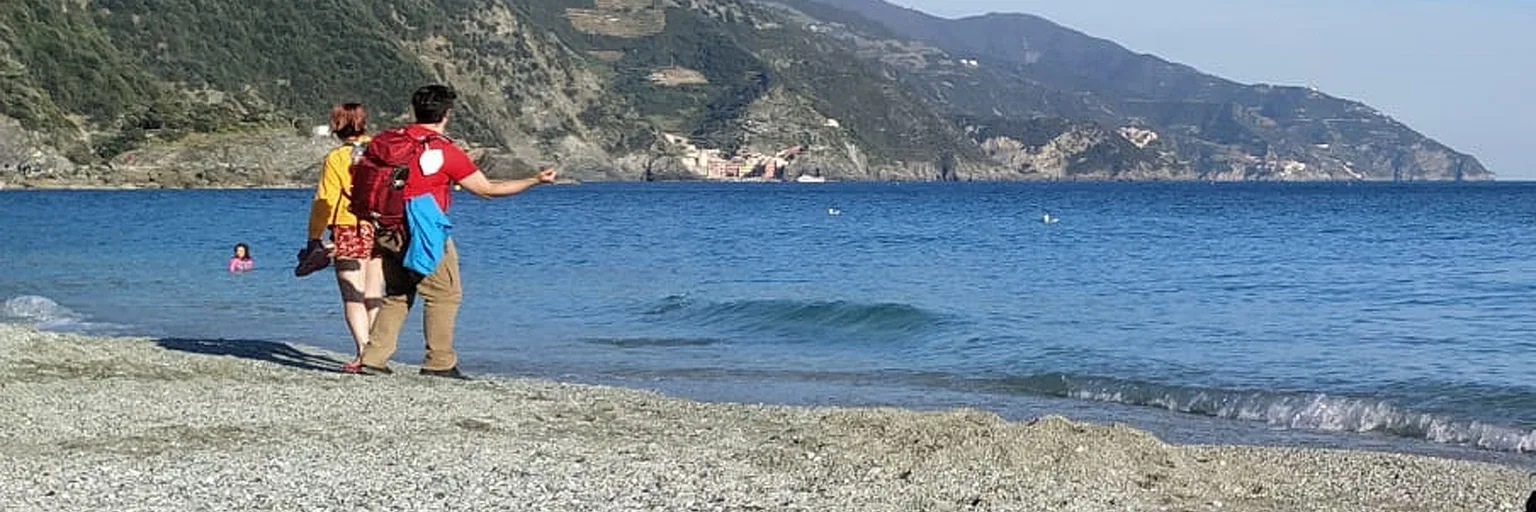
Forget mere sightseeing; the rise of demanding motorcycle expeditions through untamed landscapes like Patagonia reveals a profound shift towards raw, challenging, and immersive travel where the journey itself is the ultimate reward.
Stargazing Trains: The Rise of Immersive Journeys
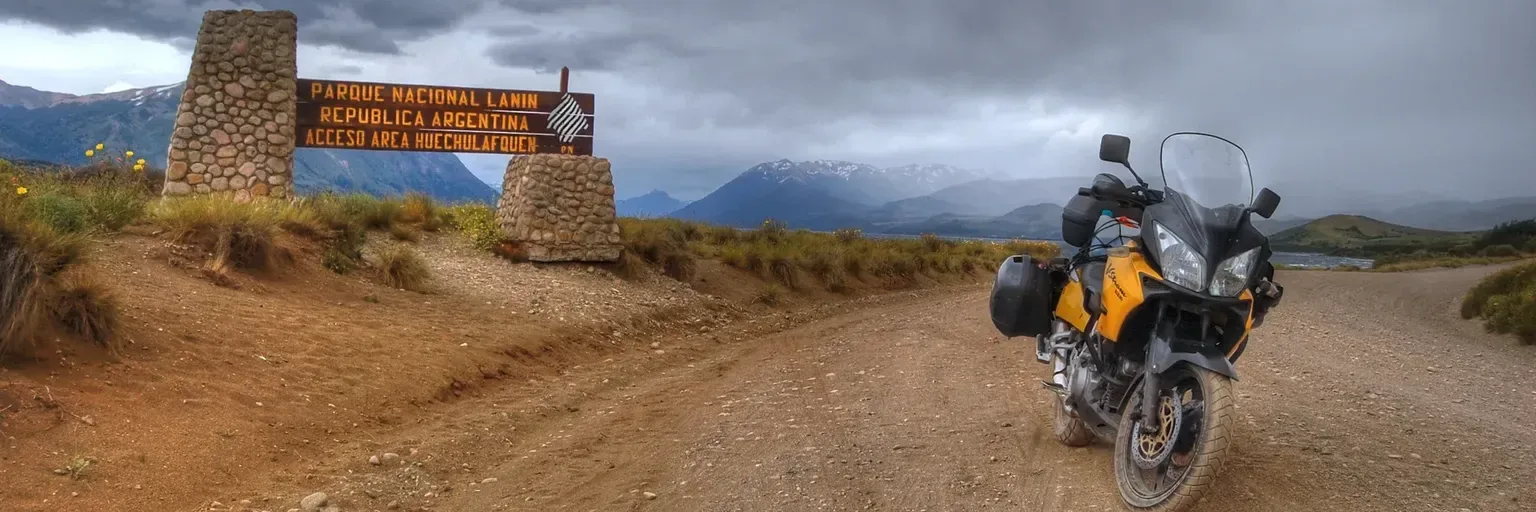
Specialized train tours for celestial observation signal a profound shift in travel, embracing deep immersion in nature over traditional sightseeing.

Eastern Europe's Autumn Appeal: A Smarter Sun Escape Than You Think
As familiar Mediterranean getaways become increasingly costly, a growing number of discerning travelers are finding unbeatable value and charm in Eastern Europe for their autumn adventures.