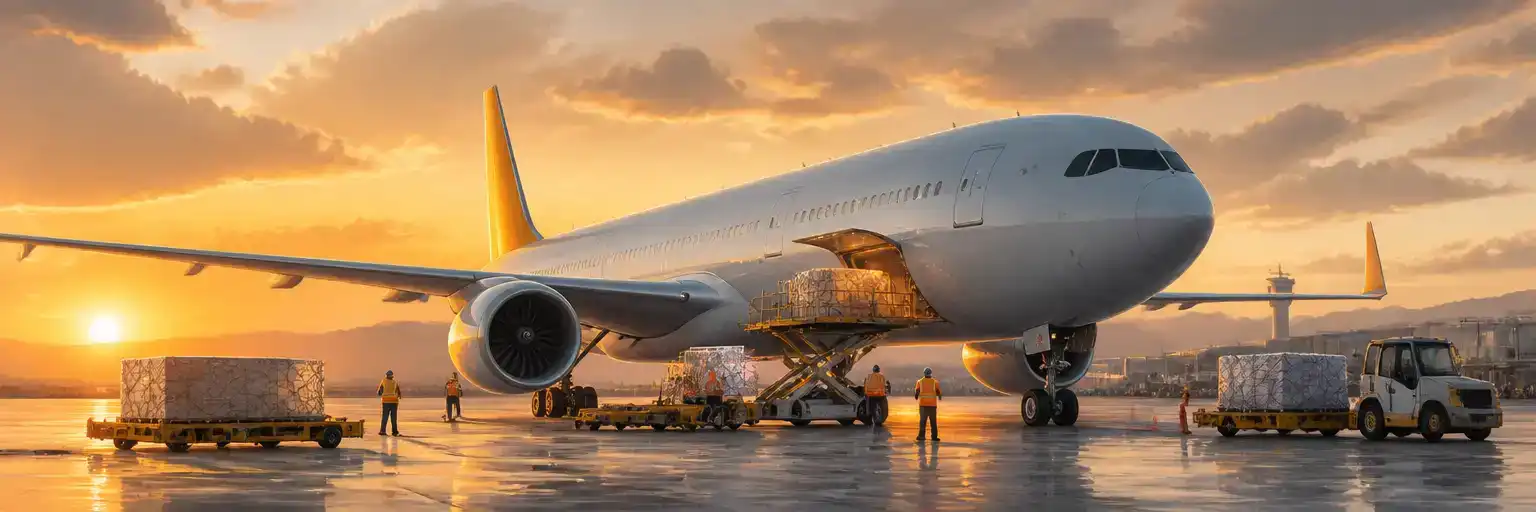
The Vanishing Seas: Why Cargo Ship Travel Is Fading Away
Once a romantic ideal for adventurers, the unique niche of cargo ship travel is slowly disappearing, transformed by global events and the relentless demands of modern logistics.
Photo: 影丸 / Wikimedia Commons (CC BY 3.0)
For centuries, the open ocean has called to the adventurous, offering passage on cargo vessels for those seeking a journey far removed from conventional paths. It was a way to truly connect with the world's most remote corners, a slow dance across the waves before the age of rapid air travel. But in an era dominated by speed and efficiency, is this unique form of exploration now sailing towards its final sunset?
The answer, it seems, is a nuanced one, but decidedly points to a significant retreat. What was once a relatively accessible, albeit unconventional, mode of transport has become increasingly scarce, largely due to the profound disruptions of the pandemic and a shifting maritime landscape. Companies that once facilitated these voyages have largely ceased operations, leaving only a few dedicated specialists to navigate a much smaller pool of opportunities. Maersk Line, a titan in container shipping, for example, no longer accepts passengers, citing the extensive additional safety and operational support required for non-crew members on ships dedicated to cargo CNN Portugal.
This isn't merely a temporary dip; it marks the slow demise of a unique travel niche. While cargo ships were a common way to traverse oceans before the rise of commercial flights, the golden age of freighter travel, romanticized in films of the mid-20th century, has undeniably passed. The reasons are multifaceted, extending beyond the immediate impact of global health crises to include heightened security concerns on the high seas, an increased risk of piracy and conflict, and the inherent logistical complexity of hosting civilians on vessels whose primary purpose is to move vast quantities of goods.
The Unseen Hurdles Behind the Decline
The reduction in cargo ship travel for passengers isn't just about health protocols; it reflects a broader industry shift towards hyper-efficiency and risk aversion. The pandemic merely accelerated a trend where the operational burden of carrying passengers began to outweigh any perceived benefits. As Maersk's spokesperson, Chelsea Pavona Gardner, articulated, allowing civilians on board demands significant additional safety procedures and operational support, including everything from boarding to ongoing supervision CNN Portugal.
No topics yet: start the first one.
More stories
A 'Minor' Odor, a Major Message: Why UA941's Return Bolsters Confidence
The emergency landing of United Airlines Flight UA941 due to a cabin odor wasn't a minor inconvenience; it was a potent demonstration of aviation's unwavering commitment to safety protocols.
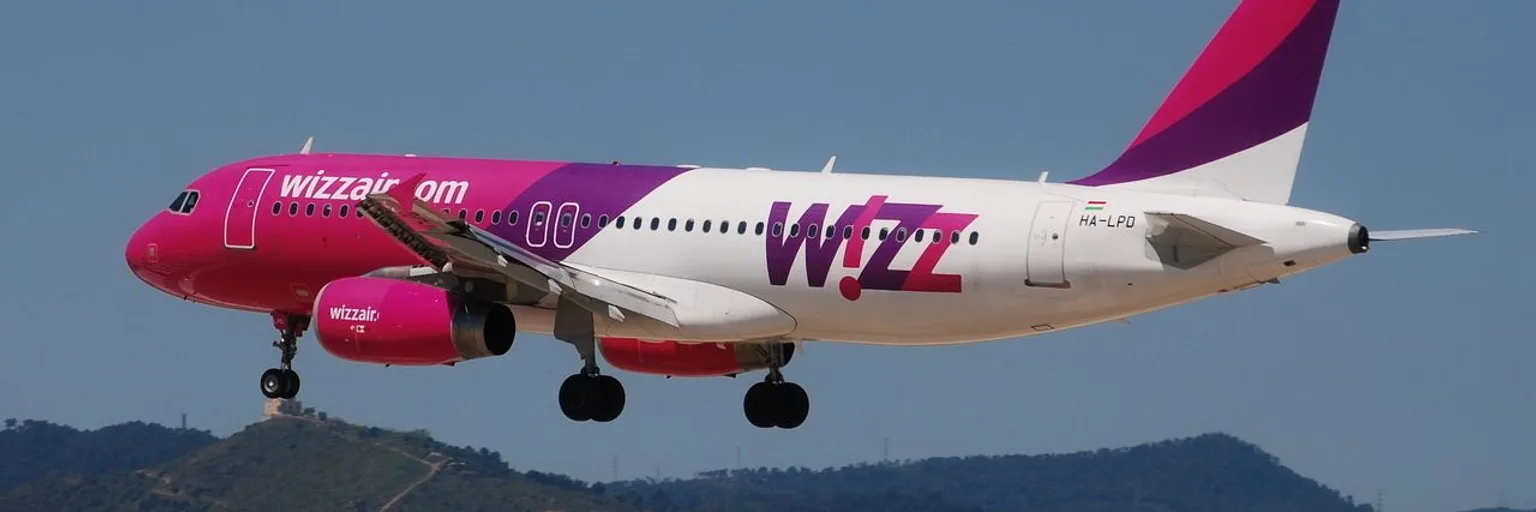
Wizz Air's Spanish Push: Reshaping Europe's Budget Travel Map
Wizz Air's aggressive expansion in Spain and strategic pursuit of airport slots signal a bold move to dominate the low-cost travel sector, promising a shake-up for travelers amidst industry headwinds.
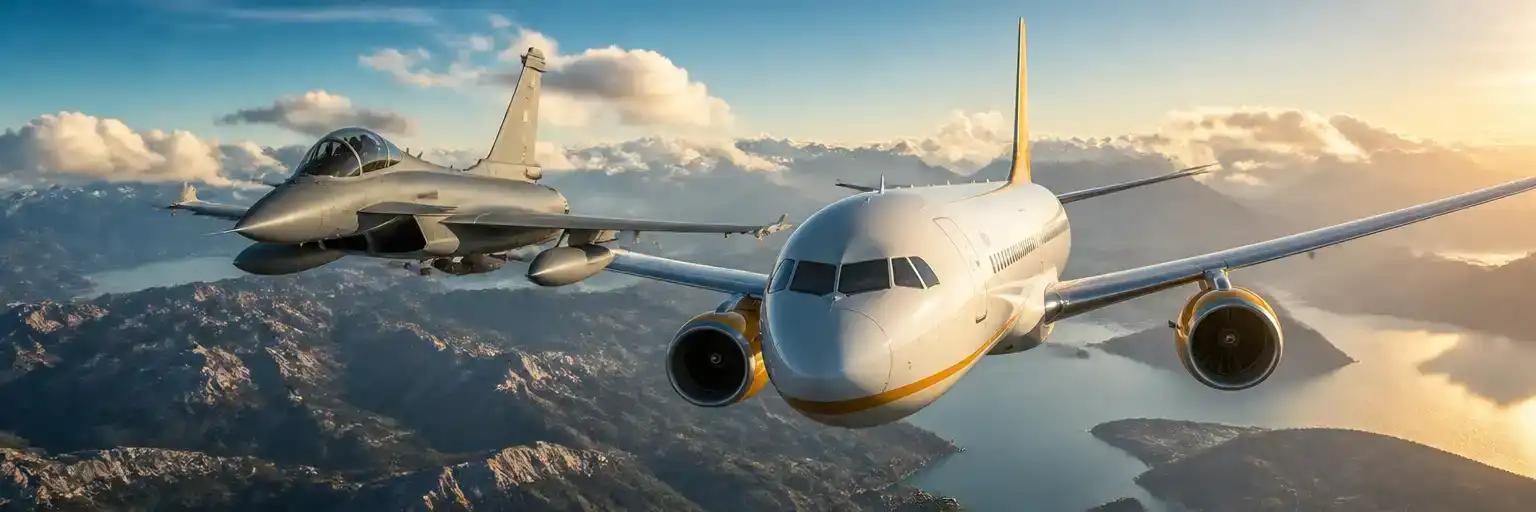
The Price of Vigilance: False Alarms and Aviation's Hidden Costs
A recent false hijack alert, triggering military interception across Europe, starkly reveals the immense resource drain and widespread disruption embedded in modern aviation security, even when the threat is unfounded.
Unseen Depths: Why Cargo Security is Paramount for Every Flight
Below the passenger deck, the unseen world of air cargo holds critical importance, as lax security in loading can compromise an aircraft's integrity and every flight's safety, demanding constant vigilance.