Friction-maxxing can fix travel, unless someone sells it to you
Choosing the harder, slower way can make a trip feel real again. But once friction gets a luxury price tag, it stops teaching you anything and starts being merchandise.
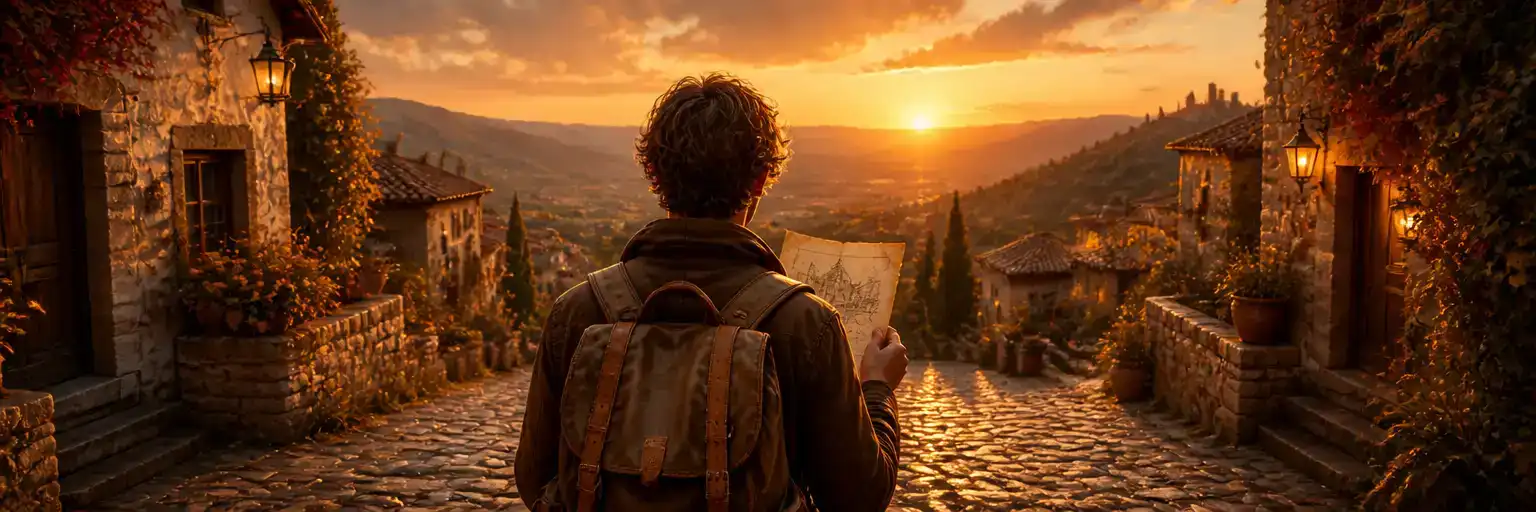
AI-generated image
When did we decide that a good trip is one where nothing goes wrong? Years of optimized itineraries, one-tap bookings and seamless transfers have given us trips so smooth that they slide right out of memory. Which may be why a new buzzword keeps turning up in trend roundups: friction-maxxing.
The term comes from a broader cultural idea. As the Sydney Morning Herald's Traveller section describes it, the trend makes a case for intentionally introducing inconvenience into our days to help rebuild a tolerance for discomfort. Swiss outlet watson.ch frames it as a trend against convenience, with a sociologist credited for naming the need for more effort. In travel, the SMH ties it to the pull of the world's hardest-to-reach places.
It has also reached the trade press. Luxury Travel Magazine's 2027 trend roundup lists friction-maxxing next to "nonna-maxxing" and "trip-maxxing", and its example of the first is catching your dinner rather than ordering it. That's charming. We suspect it's also a sign of where this is going.
Effort is worth it when it teaches you something
We're fans of the core idea, and we should say why. The hard way in often is the good way in. Taking the slow route forces you to see the places between the postcards. Learning to order, navigate or cook locally, even clumsily, gives you something a transfer never will: a small story that belongs to you. That's the part of friction-maxxing that deserves the hype.
Our rule of thumb is simple: friction should transfer knowledge. If a slower train, a longer walk or a market meal with no English menu leaves you understanding the place better, keep it. If it only leaves you tired, skip it. Discomfort is a tool, not a virtue.
This is also why the trend fits so well with slow travel. Nobody needs a new label for the pleasure of staying longer and moving less, but if a catchy one gets people to book a village instead of a checklist, we'll take it. (We think, though can't prove, that this is where much of the appeal lies.)
Friction sold as luxury would still be just a sales pitch
Here's our objection, and it's a forecast more than a complaint. Once a luxury magazine is cataloguing friction-maxxing, we'd bet that polished versions of it are on their way. Inconvenience, curated and priced, with a guaranteed good ending, isn't friction. It's a stage set for friction. Catching your own dinner is a lovely idea, but it's a different thing when someone has made sure you'll eat well either way.
Real friction has risk, awkwardness and the possibility of a missed connection. Premium friction would have a concierge on standby. We aren't saying the second is worthless: some people would probably learn something from a guided fishing morning. But when the "hard" part comes with a surcharge, ask who is actually doing the work and who is collecting the fee.
How to friction-max without paying for the privilege
The best versions are cheap, or even cheaper than the smooth alternative. Take the regional train instead of the flight. Stay a week instead of three nights. Eat where the menu isn't translated. Walk the last stretch instead of taking the shuttle. None of this needs a brand, a package or a hashtag.
There's a useful counterweight in the other trends of the season. Several 2027 roundups also highlight trip-maxxing, which Luxury Travel Magazine describes as economizing on one part of the holiday to splurge on another. Combine the two and you get a sensible philosophy: save on comfort you won't remember, and spend your effort where the place will teach you something.
Our verdict: try friction-maxxing, but audit it. Add difficulty only where it buys you understanding, and be suspicious of anything that charges extra for being hard. The best travel stories have always come from things that went slightly sideways. You don't need to book them in advance.
No topics yet: start the first one.
More stories
WhatsApp's travel eSIM is easy to buy. That's the part to question
Buying data in a few taps inside WhatsApp sounds ideal for travelers, but with no prices, countries or data limits announced, it's too early to trust it over a local SIM.
€112 a day to ski? Don't pay for the postcard, pay for the snow
A Zermatt day pass now costs just over 112 euros at the ticket window. The smart skier stops paying for prestige and starts buying flexibility, smaller resorts and weekdays.
Solo travel is booming, but a table for one still costs extra
Hotels are finally building real single rooms and flexible programs for people who travel alone. Single supplements show the industry still treats them as a problem to price.

Roots travel is booming, but a five-star bed won't find your ancestors
Luxury ancestry trips are growing fast. The ones worth taking are built on archives, local guides and respect for the places that hold your family's story.