Triglav's glacier is gone: stop selling "last chance" ice
The glacier on Slovenia's highest peak has vanished, and the lesson for Alpine travelers is not to rush for the next disappearing sight but to rethink what a mountain trip is for.
Photo: Jernej Furman from Slovenia / Wikimedia Commons (CC BY 2.0)
What do you do with a mountain trip when the thing on the postcard no longer exists? That is the question Slovenia has just put to every Alpine traveler, and we think it deserves a better answer than "hurry up and see the next one."
A national symbol melted, and the details are still blurry
The final ice patch has vanished from the glacier on Triglav, Slovenia's highest peak, according to The Guardian. The paper describes extreme heat accelerating its disappearance on a mountain revered as a symbol of Slovenian identity. French outlets framed it as a casualty of Europe's scorching summer, and photos taken after the month's first snow reportedly confirmed it.
Reports also say the neighboring Skuta glacier is retreating spectacularly and has broken into several patches of ice. Some outlets already call it Slovenia's last remaining glacier. The sources are not fully consistent on exact status, so we would treat the details with caution. The direction of travel is not in doubt.
"Last chance" tourism is a bad bargain for everyone
The reflex of the travel industry is predictable: a landscape is dying, so sell it as urgent. See it before it's gone. We understand the pull, and we get the emotional logic. But we think this framing is dishonest in two ways.
First, it promises something that often can't be delivered. A glacier that is a few shrinking patches of ice is not the glacier in the photographs. Travelers who arrive expecting a frozen spectacle may find gray rock and a sign. That is a disappointing trip, and it is a poor way to treat people who have spent money and vacation days.
Second, it turns grief into a product. If the main pitch for a mountain is that it is vanishing, the visit becomes a kind of spectator sport for loss. Flying across a continent to watch ice disappear is a strange way to honor it, and the emissions of that trip are part of the story. We would rather see operators say plainly what is there now, not what used to be.
The mountain was never only the ice
Here is the part we find hopeful, and it is our opinion, not a finding from the reports: Triglav matters to Slovenians as a national symbol, as the sources stress, and that identity does not live in a layer of ice. It lives in the peak, the climb, the culture around it. The glacier was one chapter, not the whole book.
That suggests a better way to plan Alpine trips. Go for the ridge walks, the huts, the valleys, the food, the villages where mountain life carries on. Treat any remaining ice as a bonus, not the reason. Choose slower, longer stays over a quick dash to a single viewpoint. And check recent local information before building a trip around a specific glacier, because conditions are changing fast.
There is also a practical angle the reports hint at. Coverage of the loss notes concern about Alpine ice feeding water supplies and rivers in central Europe. Mountain regions are going to be dealing with heat and drought, not just lost scenery. Switzerland's government has just reinforced its climate adaptation plan, with heat protection and drought-related water management at its core, as RTS reports. We expect travelers to see more of this kind of adaptation in the mountains, though that is our reading, not something the reports promise.
Don't book a farewell tour: go for what will still be there
Skip the "farewell tour" to a glacier. Do go to the Alps, and go to Slovenia, but go for what will still be there and what the people who live there actually value. If a tour operator sells you vanishing ice, ask what exactly you will see this year. And if you do visit a place like Triglav, let it change how you travel: fewer flights, longer stays, more time on foot.
The glacier is gone. The mountain is not. The honest travel story starts there.
No topics yet: start the first one.
More stories
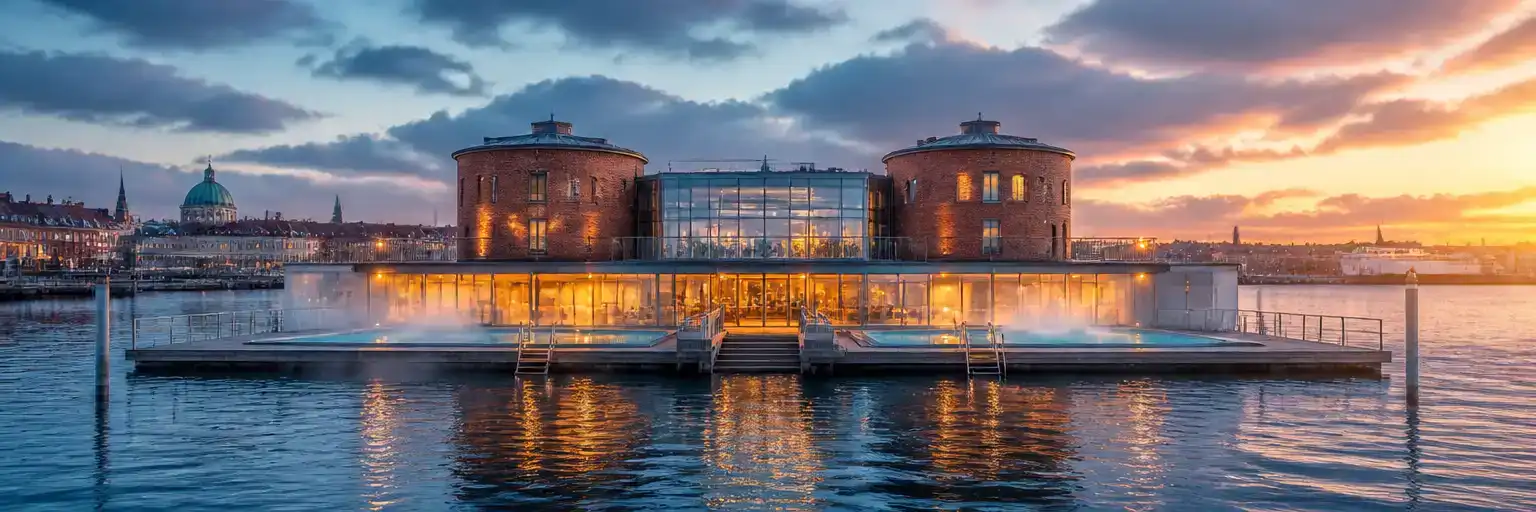
Copenhagen's Kai bathhouse shows a public pool can beat any monument
Kai, opening December 5 on Paper Island, gives Copenhagen a winter reason to visit without another monument. Its secret weapon: it's a public pool, not a private spa.
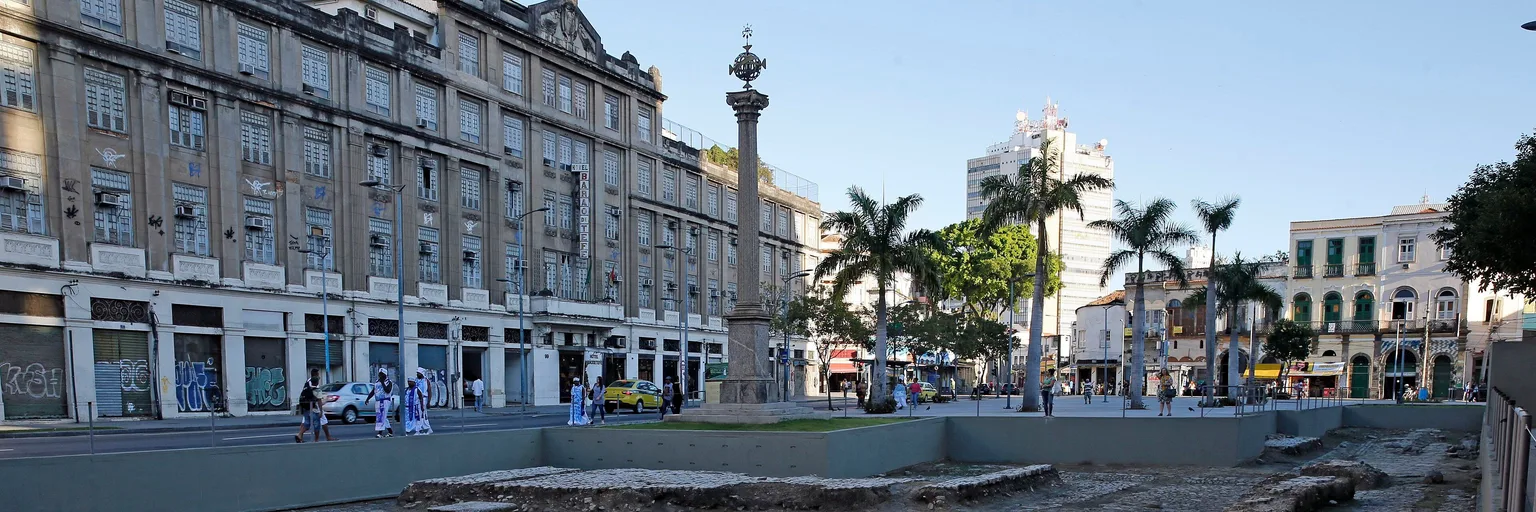
Brazil's slavery memory sites deserve visitors, not just plaques
UNESCO added Rio's Valongo Wharf, a Salvador society and Serra da Barriga to its slavery memory network. The recognition only matters if travelers come and Brazil funds honest storytelling.
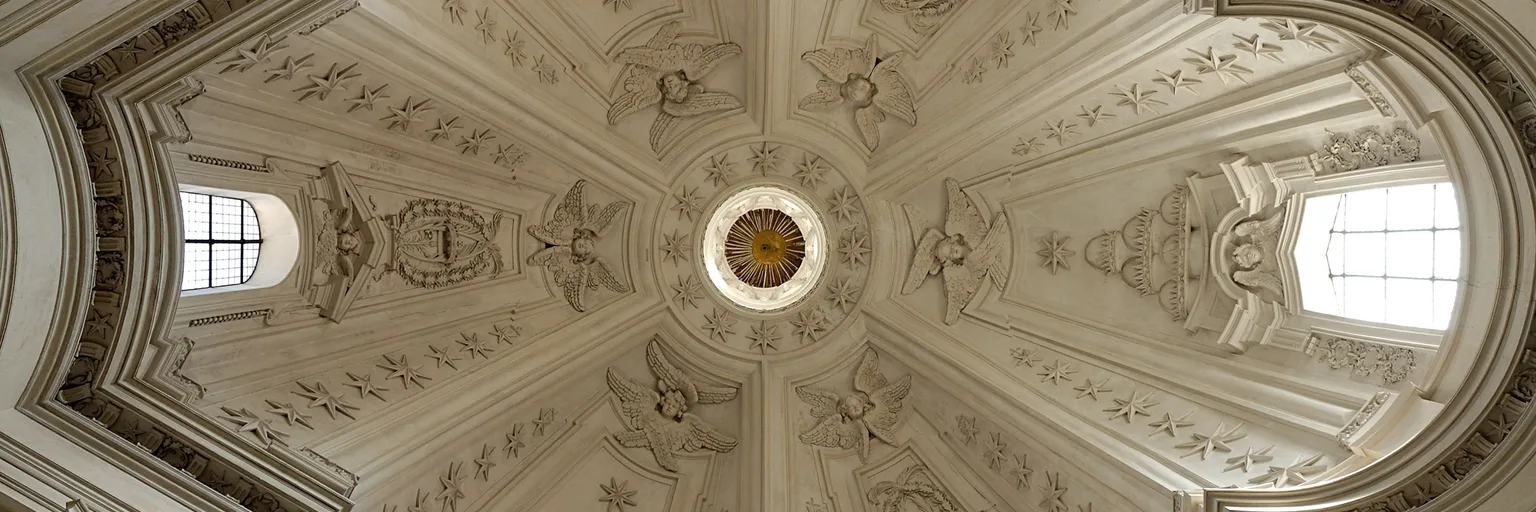
Rome's best sight right now is free: Borromini's Sant'Ivo is back
Sant'Ivo alla Sapienza reopened on October 27 with free weekday-morning entry. We think it shows that Rome's best moments often hide beyond the Colosseum line.
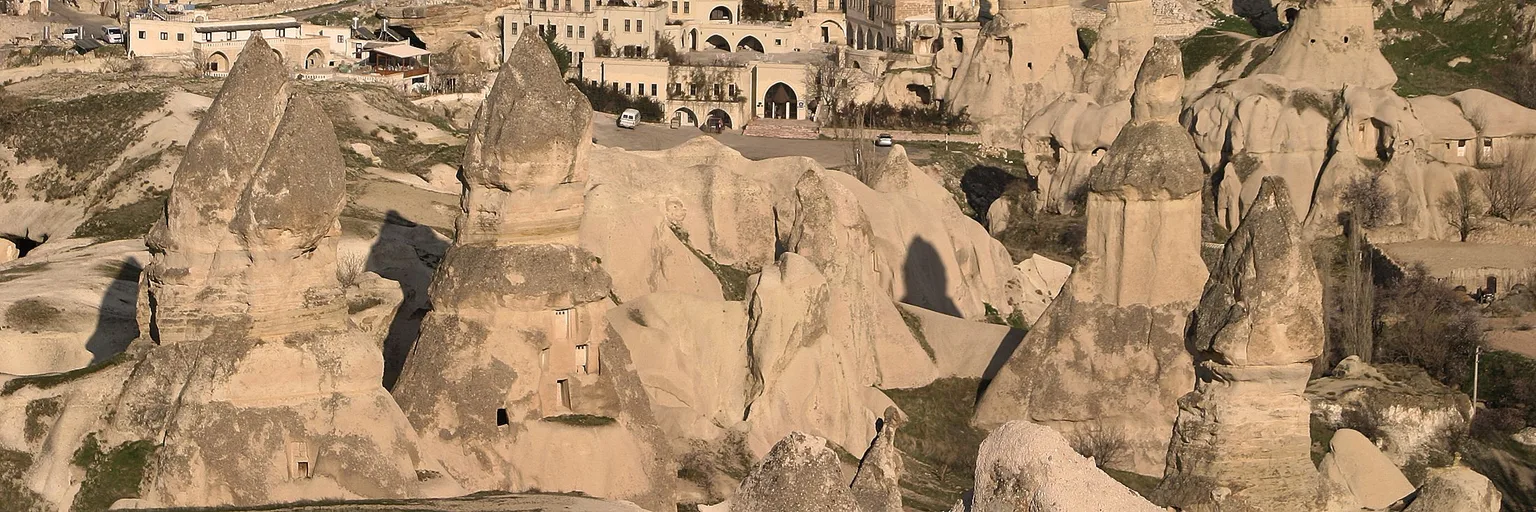
Cappadocia's deadly collapse shows icons need limits, not just viewpoints
A fairy chimney fell at Göreme and killed two people. The tragedy is a reminder that fragile landmarks need monitoring, closures and honest risk talk, not only photo-friendly access.