A UNESCO label won't save Tatshenshini: wilderness needs watchers
A private bid to mine copper and cobalt inside a World Heritage park shows that a plaque protects little on its own, and that travelers who love remote places have a role.
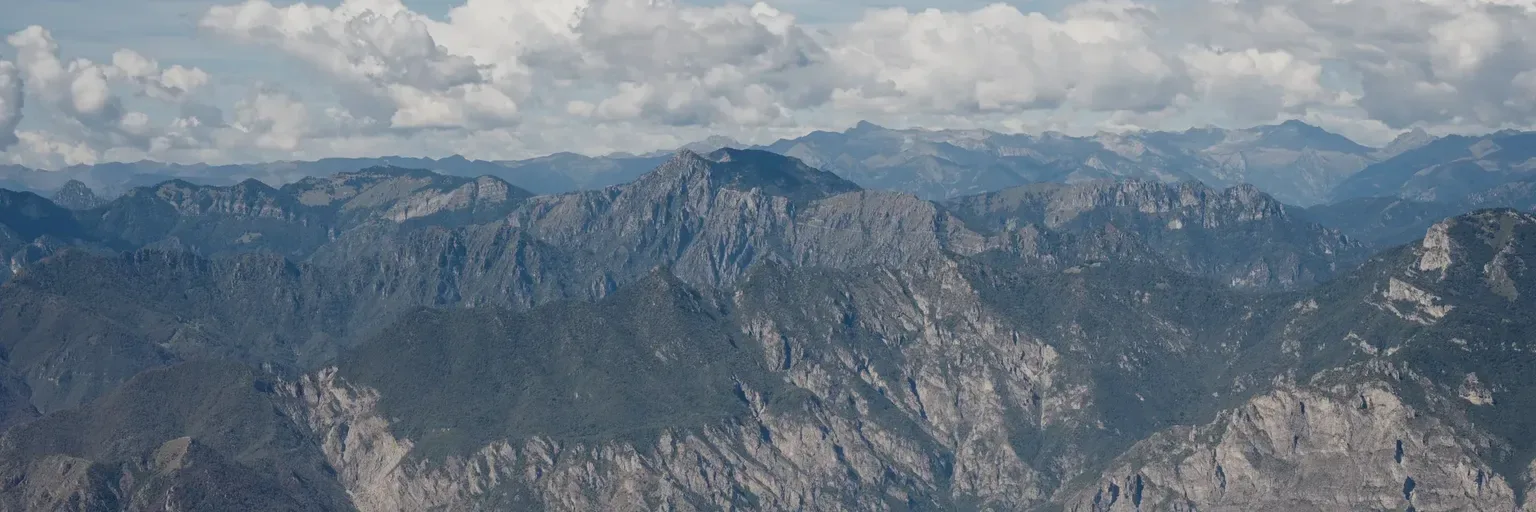
Photo: Random89 / Wikimedia Commons (CC BY 3.0)
What good is a World Heritage listing if a mining company can still draw a map over it? That is the uncomfortable question hanging over Tatshenshini-Alsek Park in northwest British Columbia, one of the wildest corners of North America.
The Tyee reports that a private company is advancing plans to mine copper and cobalt inside the park, which belongs to a transboundary UNESCO World Heritage Site. The public documentation is thin so far: we don't have the company's plans, a timeline or any permit decision, and none of that should be guessed at. But the headline alone is enough to start an argument.
The label is a promise, not a fence
The UNESCO listing covers a string of parks along the Canada–US border that hold the largest non-polar icefield in the world and some of its longest glaciers. That is as strong a case for protection as any place on Earth can make. Yet in our view the listing is a moral statement, not a legal barrier. What actually keeps a drill rig out is probably a mix of park law, political will and public attention.
We don't think that makes UNESCO worthless. A listing raises the reputational cost of bad decisions and gives conservationists a global stage. But it can't stop anyone by itself, and travelers who treat it as a guarantee are fooling themselves. The plaque is where the protection starts, not where it ends.
This park exists because people made noise
The history makes the point better than any opinion. The park was established in 1993 after an intensive campaign by Canadian and American conservation groups to halt mining exploration and development. The fight centered on Windy Craggy, a peak that had been proposed for a huge open-pit copper mine, with an access road running along the Tatshenshini River. The company behind it, Geddes Resources, got a $29 million payout, and the province spent almost $150 million to build a mine elsewhere, according to the Frontier Centre, which calls the whole episode a blunder.
That framing deserves a hearing, because it is the argument the next round will probably lean on. Copper and cobalt are valuable, and the economic case will be made loudly. Our counterpoint is simple: some places are worth more intact. Rafting companies have been running these rivers since the 1970s, and a road and an open pit like the ones once proposed would trade something irreplaceable for something that exists in many other places.
When the park was created in 1993, it was meant to be co-managed by the Champagne-Aishihik First Nation and the BC government, a detail that matters. Whatever happens next should be decided with the people whose land this has been, not around them.
Travelers are the constituency remote wilderness lacks
Remote wilderness has a quiet weakness: almost nobody sees it, so almost nobody defends it. That is where visitors come in. Paddling, flying over or simply learning about a place like this turns it from an abstraction into a constituency. We think decision-makers notice when a landscape has people who care about it, including people who spend money to reach it.
So our recommendation has three parts. Follow the story as it develops, and wait for the actual proposal details before judging specifics. Support the conservation and Indigenous-led voices that have defended the area before. And if you dream of glacier country, put this corner of the map on your list and plan a trip with operators who respect it. Responsible visits are, in our view, the strongest argument that a wild place is worth more standing than dug up.
Go see glacier country, and keep watching it
A UNESCO label is a great reason to visit and a poor reason to relax. Tatshenshini-Alsek was saved once by a loud, stubborn coalition, and we doubt it will be saved a second time by paperwork. If this proposal is as serious as The Tyee suggests, the right response isn't outrage for a day. It is staying attentive for as long as it takes.
No topics yet: start the first one.
More stories
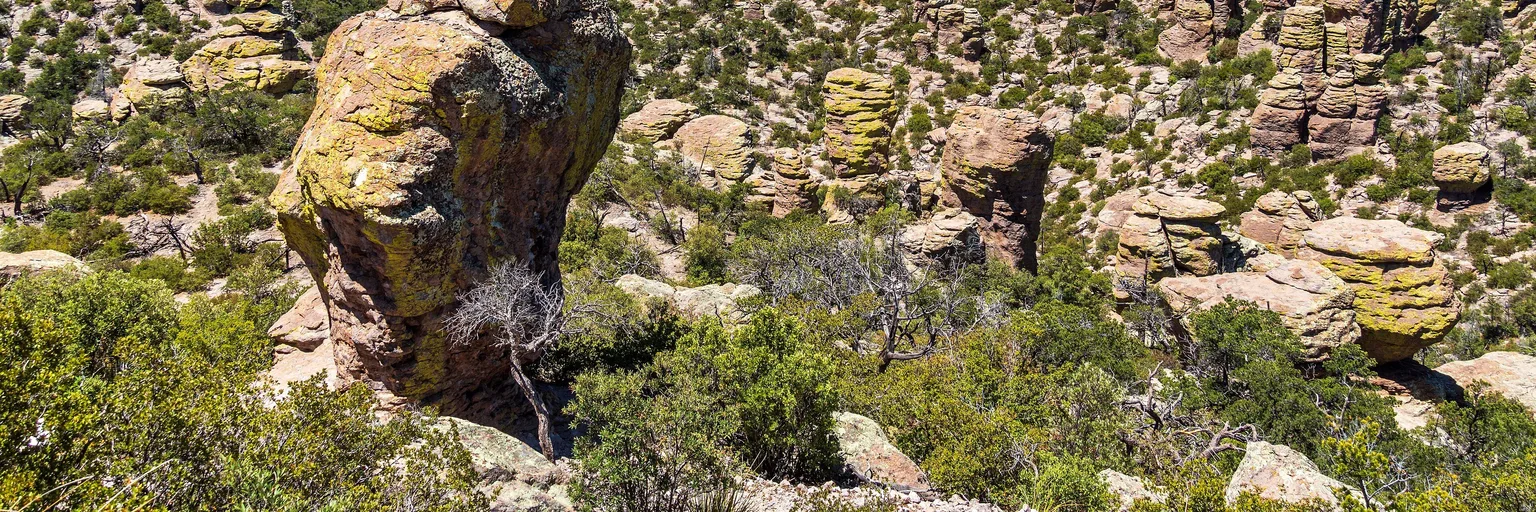
Chiricahua's new national park status needs funding, not fanfare
Arizona's 64th national park changes a name, not a landscape. Whether it becomes a gift or a traffic jam depends on what happens before the visitors arrive.
UNESCO's 25 new sites are not a checklist: pick the ones built for visitors
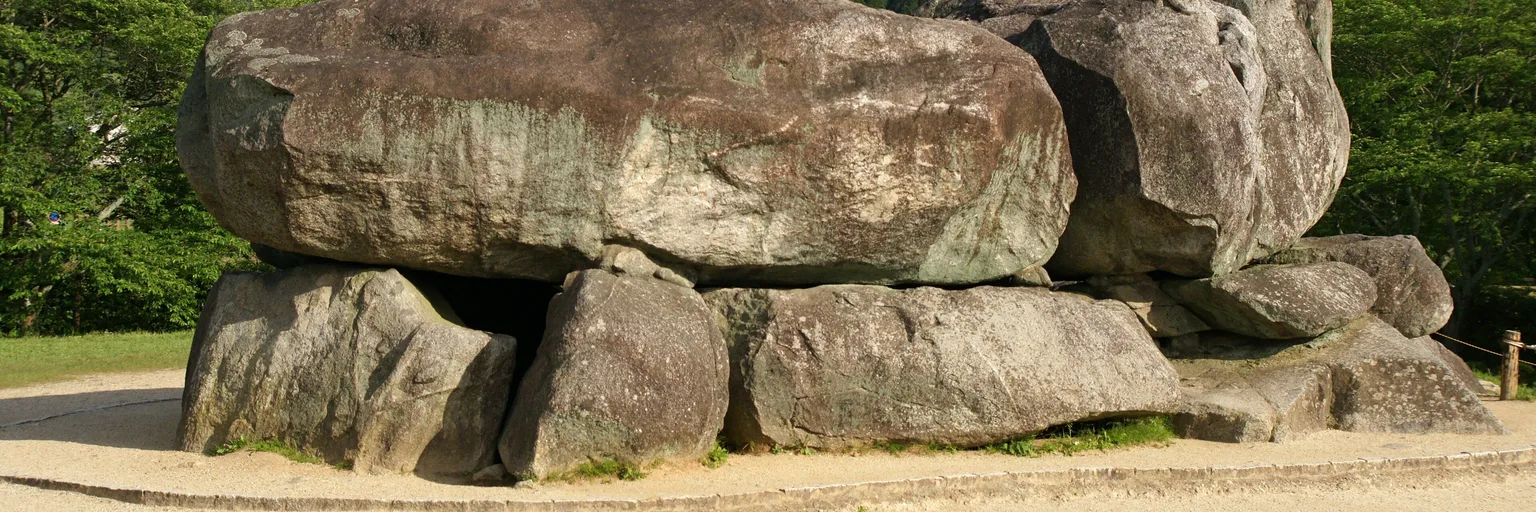
A fresh World Heritage batch tempts us to chase every new badge. We think the smarter trip goes to sites that already know how to host visitors, and waits on the rest.
Cuenca at 30: the best way to celebrate is to stay the night
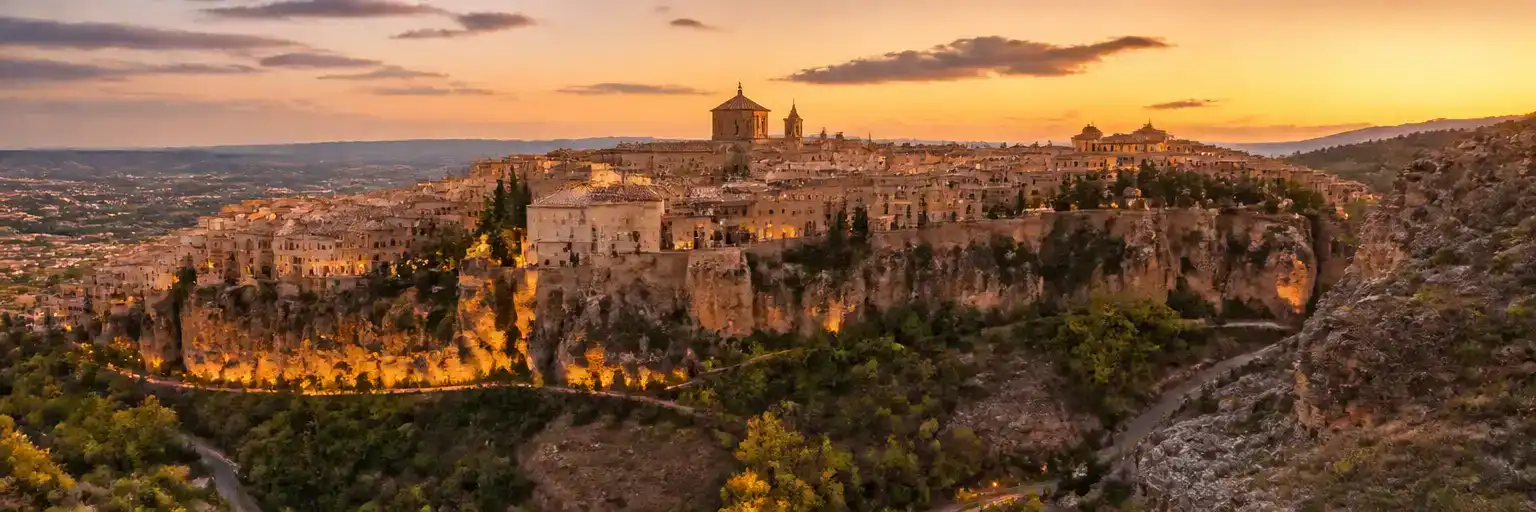
Cuenca's UNESCO anniversary is a nudge to swap the rushed day trip from Madrid for a slower overnight stay, and to treat the old town as a place, not a backdrop.
Limone sul Garda should win Borgo dei Borghi, then ask you to visit in winter
A TV beauty title can feed the summer crush or fix it. Limone sul Garda has the climate and the heritage to use it as an invitation to come off-season.