UNESCO's 25 new sites are not a checklist: pick the ones built for visitors
A fresh World Heritage batch tempts us to chase every new badge. We think the smarter trip goes to sites that already know how to host visitors, and waits on the rest.
Photo: 663highland / Wikimedia Commons (CC BY 2.5)
Does a UNESCO plaque make a place ready for you, or does it simply make it famous? The question matters more than usual this year, because the World Heritage list just grew by 25 entries, and the instinct of many travelers will be to open a map and start collecting.
The numbers, briefly. The World Heritage Committee met in Busan, South Korea, in July 2026 for its 48th session and inscribed 25 new sites: 19 cultural, five natural and one mixed. According to UNESCO, the list now holds 1273 sites in 173 countries. As Gizmodo reports, some names are familiar and others are obscure, from Xiongnu cemeteries in Mongolia to Amazonian theaters from Brazil's rubber boom.
Inscription is a protection milestone, not a visitor-readiness certificate
UNESCO's own wording is useful here: the new sites now enjoy the highest level of international recognition and protection. That is about safeguarding. It says nothing about whether there is a path, a ticket system, a bus line or a local guide waiting for you.
That gap is where we think travelers should slow down. A listing can generate headlines, headlines can generate bookings, and in our view bookings tend to arrive before anyone has built the capacity to absorb them. Practical visitor details are easy to find for some of the 25 and scarce for others, and that alone is a hint about how to sort them. If a place has no clear way to visit, we would not treat its new badge as an invitation.
The best new trips are the ones with a system already in place
Look at which sites come with an obvious, low-impact way in. Asuka in Japan, the ancient capitals among rice fields and low hills south of Nara, is an hour by train from Nara or Kyoto, with rental bikes and bus lines linking the main sites. Palaces, Buddhist temples, tombs and the grid layout of Fujiwara-kyo: it is a landscape you move through slowly, which is exactly the kind of visit a fragile place can take. In our view it is the standout of the batch for anyone who likes history without the theme-park feel.
The Aalto ensemble in Finland is another good example. It gathers 13 buildings and related complexes, including a sanatorium, a town hall and the Aalto House in Helsinki, and the visits are guided, so it pays to book ahead. Guided, reserved access is not a nuisance; in our opinion it is the model other listings should copy.
The Georgia wetland refuge, about 162,000 hectares of floating islands and black water, works the same way. You can go by boat, with a guide, or by canoe and kayak, routes can be reserved, and they include nights on raised platforms. Visitors are channeled by design. We would happily go there precisely because the experience is bookable and structured.
Then there is Jingdezhen, where porcelain has been made for more than a thousand years. You can walk five linked areas of kilns, workshops and raw-material sites, and visit working studios and ceramics markets. A living craft town benefits from visitors who buy and watch. That is heritage tourism at its most sustainable, provided people spend locally rather than just photograph.
Olympus is the hype test, and the obscure sites deserve patience
Mount Olympus, now listed as a mixed cultural and natural site, looks set to be the headline magnet. Mythical home of Zeus, with a 2,918-meter summit called Mytikas, forests and gorges, and Litochoro as the starting point about 88 kilometers from Thessaloniki. It is a spectacular place, and we suspect it will attract exactly the "I was there" crowd. Our advice, which is opinion and not a forecast: go outside peak season, walk rather than drive to a viewpoint, and treat the summit as optional.
The lesser-known entries, the Mongolian Xiongnu cemeteries and the Amazonian theaters, are a different case. Coverage so far offers no practical visitor details for them. That is not a reason to dismiss them; it is a reason not to rush. We suspect sites like these need time for research, trails and local capacity before they can comfortably welcome tourists. Reading about them is a perfectly good way to honor the listing for now.
Our verdict
Treat the 25 as a menu, not a scorecard. Choose one or two sites with clear access and local benefit, such as Asuka, the Aalto buildings, the Georgia wetlands or Jingdezhen. Book what can be booked, travel off-peak and spend in the communities. And leave the hard-to-reach, barely prepared sites alone until they say they are ready. The best way to respect a new World Heritage site is sometimes to arrive a little later.
No topics yet: start the first one.
More stories
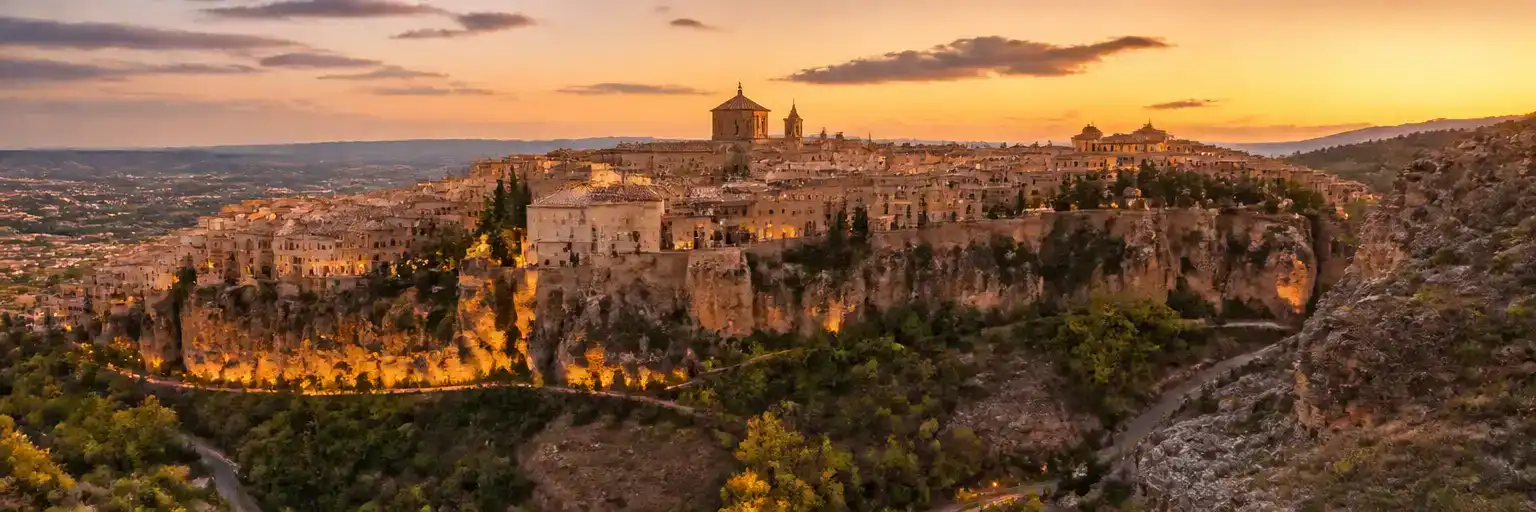
Cuenca at 30: the best way to celebrate is to stay the night
Cuenca's UNESCO anniversary is a nudge to swap the rushed day trip from Madrid for a slower overnight stay, and to treat the old town as a place, not a backdrop.
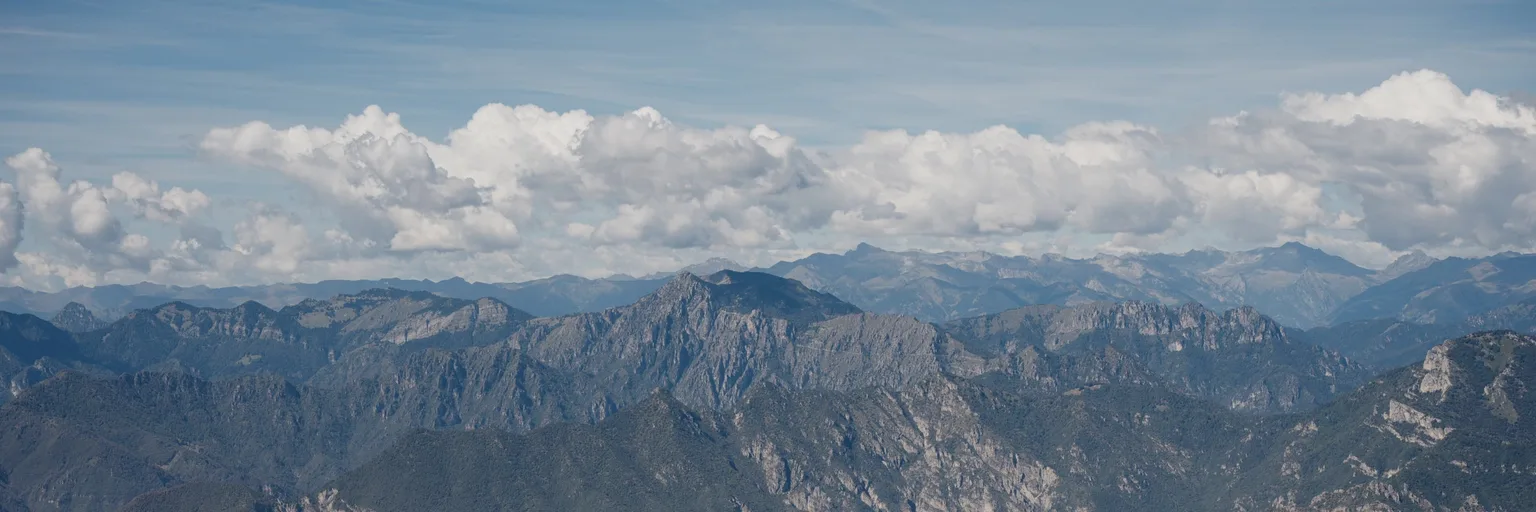
Limone sul Garda should win Borgo dei Borghi, then ask you to visit in winter
A TV beauty title can feed the summer crush or fix it. Limone sul Garda has the climate and the heritage to use it as an invitation to come off-season.
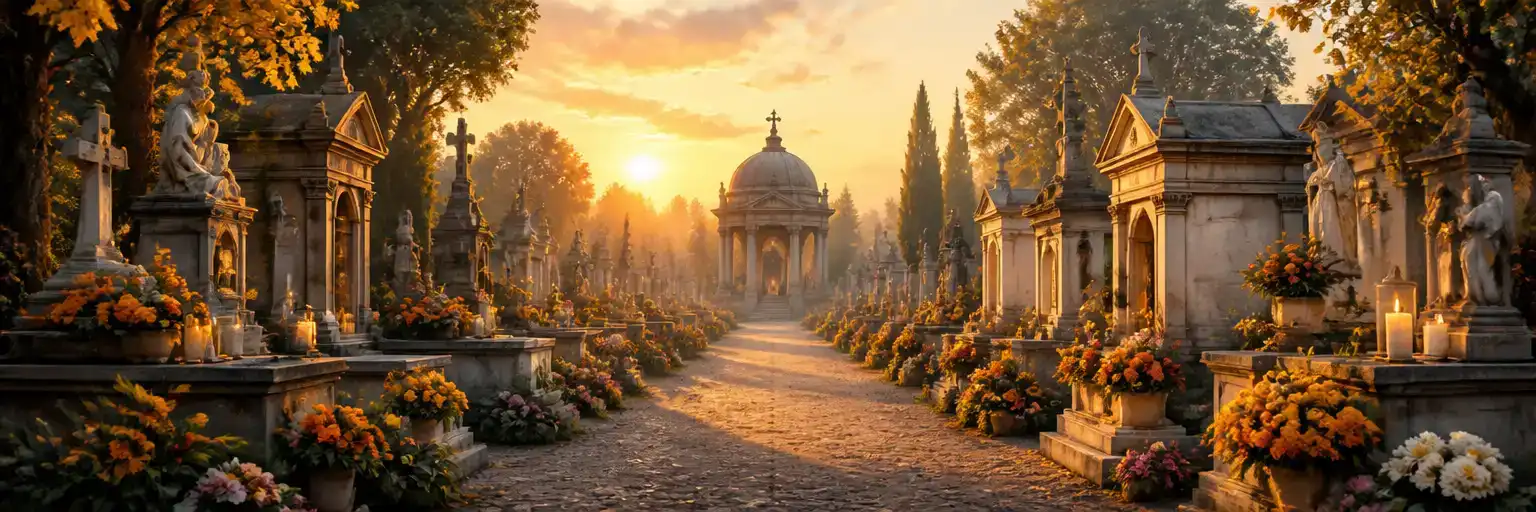
Don't visit cemeteries only on November 1: they're heritage
For one long weekend a year, cemeteries fill with flowers and buses. The rest of the year, they're some of the most honest heritage sites a traveler can enter, if you know how to behave.
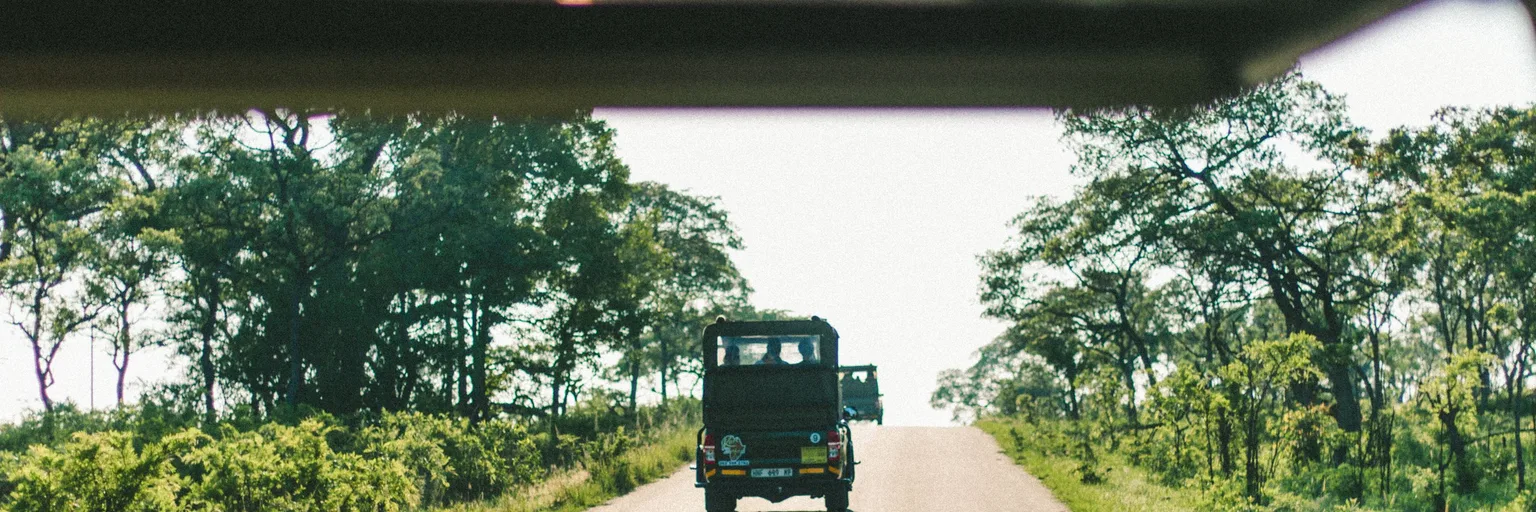
Kruger at 100: visit now, but only if the crowds are managed
A century of conservation is a great reason to go on safari, but the centenary will only be worth celebrating if Kruger uses the buzz to protect the bush, not just to sell packages.